It would appear from some research I have been doing that in all likelihood Maureen and I have some common ancestry about 350 years ago (we both have Uren’s in our ancestry coming from the same small town of Lelant, near St. Ives Cornwall at around the same time around, 1650). She has a very interesting Family Tree, have followed several lines back to 500 AD and 800 AD, with around six Kings of England, two Kings of Scotland, five Kings of France, three Emperor’s of The Holy Roman Empire, lots of Dukes, Counts, Earls etc. including Rollo (supposedly the brother of Ragnar Lothbrock in the TV series Vikings) First Duke of Normandy and his Great Great Grandson William The Conqueror, another line goes back through the Kings of The Kievan Rus to the beginning with Rurik first King of Novgorod, in other words the beginning of the Russian Empire.
The First 34 Pictures Were Just Trying WordPress Out, learning what it can do. Published Using Linux, (Originally Lubuntu 20.04, Now using Raspberry PIOS on a Pi5 16 Gb in a Pironman 5 Case), were Running WordPress Desktop Client but now use Chromium for Web access.
Have Decided To Concentrate On Family History. As I am adding Photos I am trying to remember the stories and other information everyone told me while growing up. Have only used 8.4% of my free space on WordPress.
Seven Generations of Genealogy so Far.
If you notice any facts that are wrong or dates missing let me know.
At The Moment There Are About 700 Photos and diagrams, and Numerous Web page links that take you to further information, and This Will Increase Over Time.
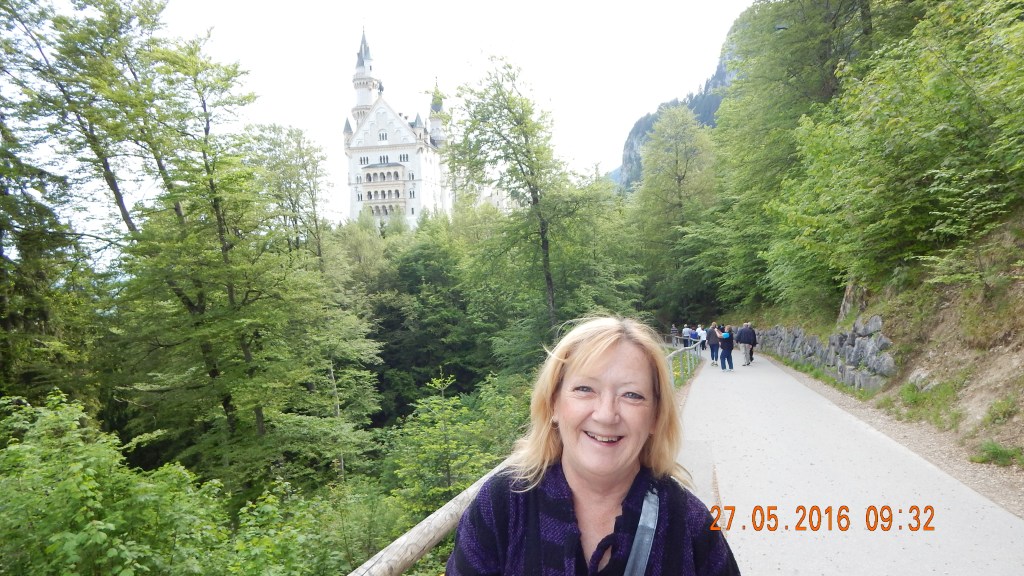
Down in the valley below is Hohenschwangau Castle and nearby is Schwansee (SWAN LAKE)
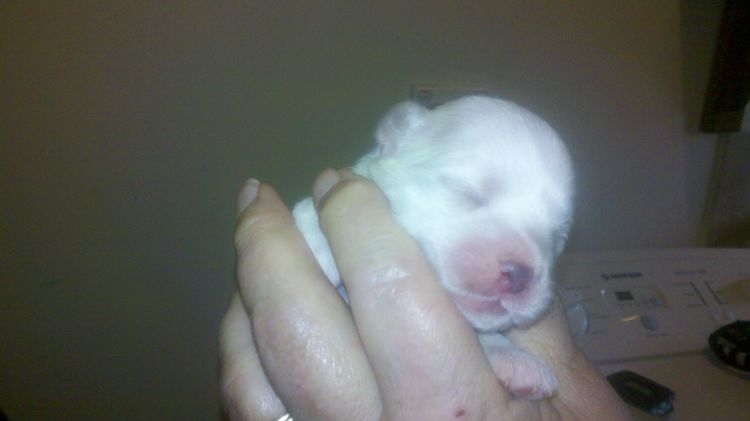
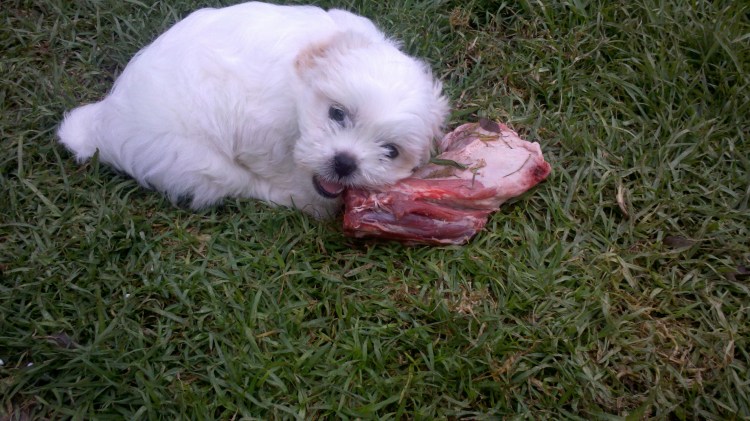
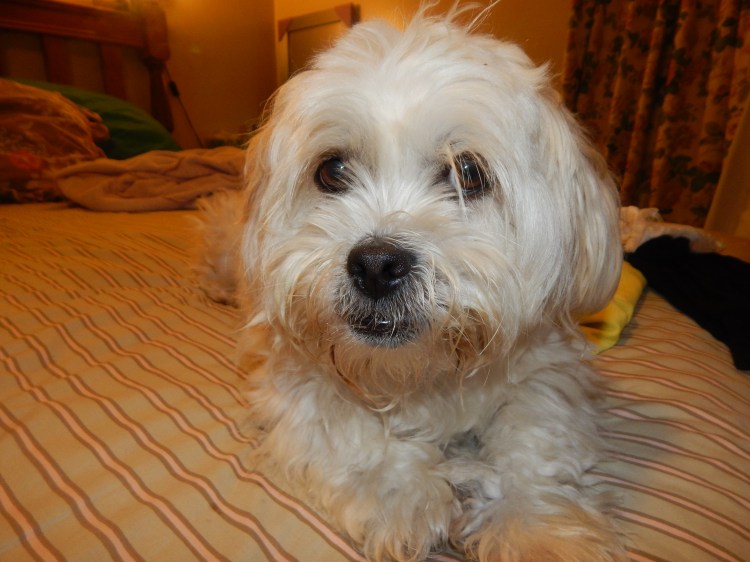
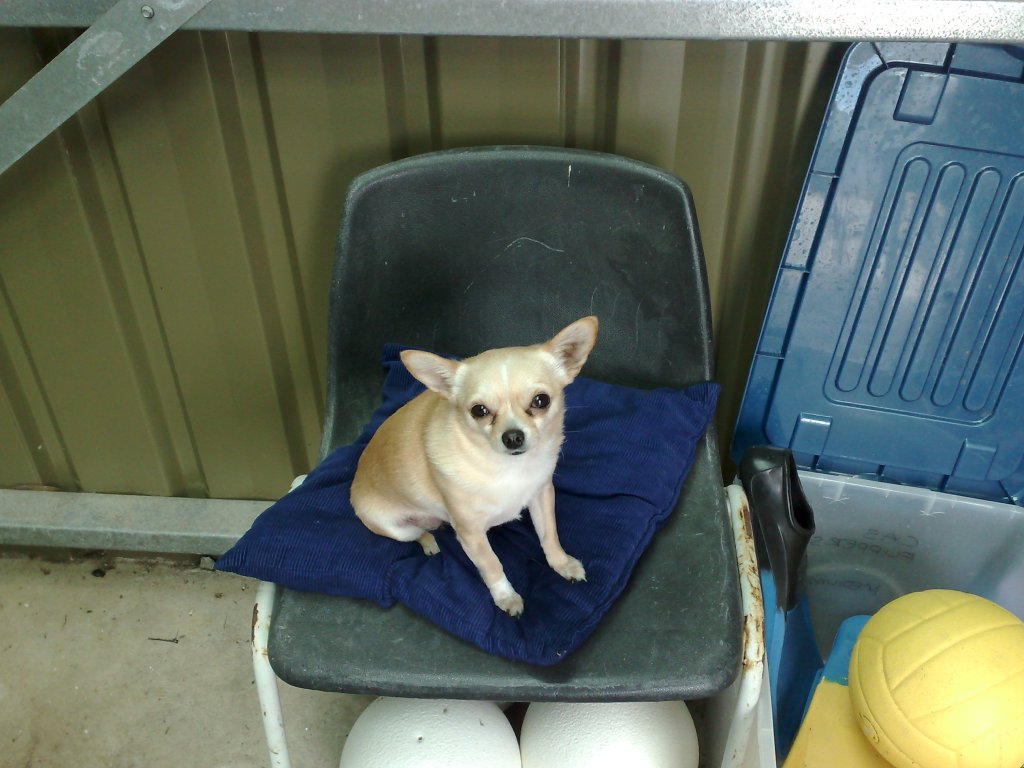
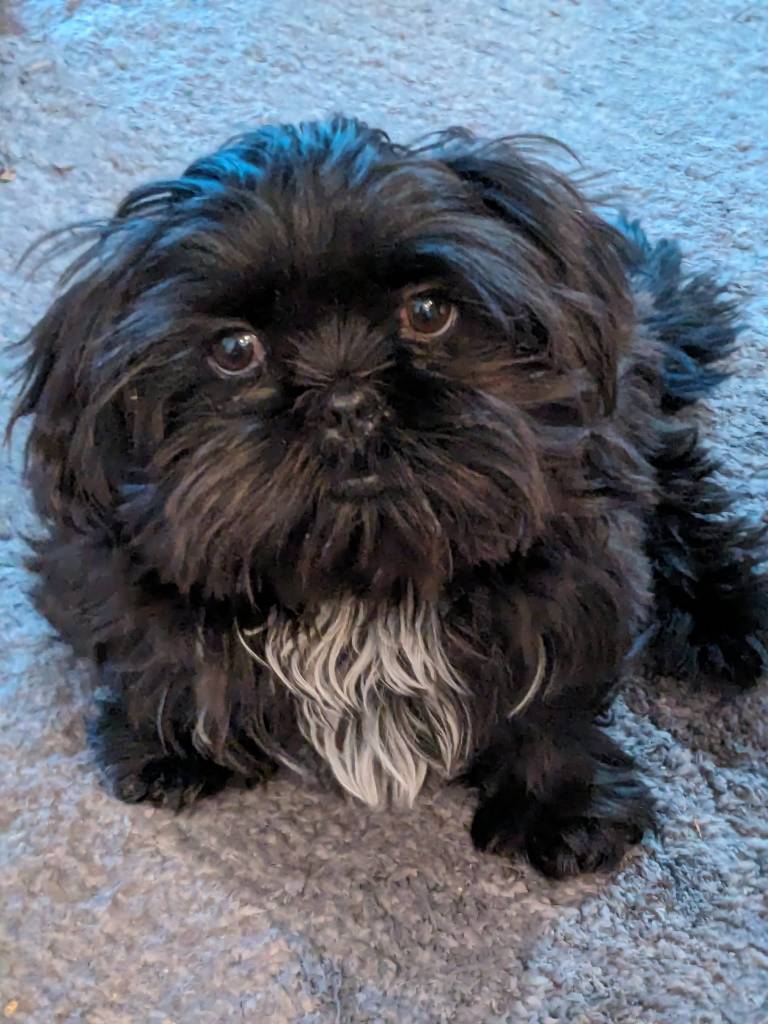
My little Minnie 2024
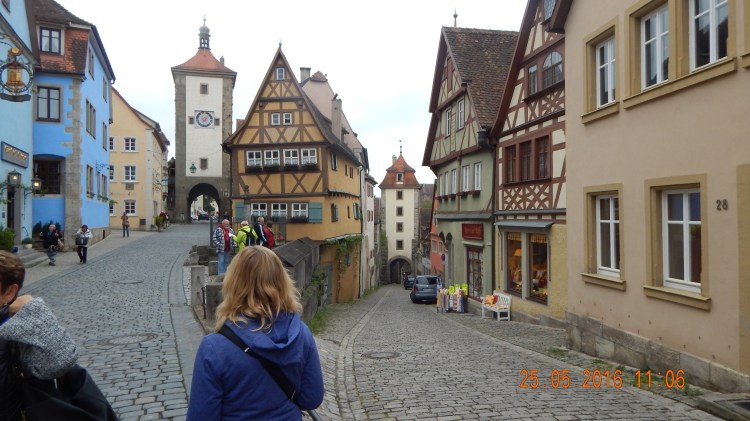
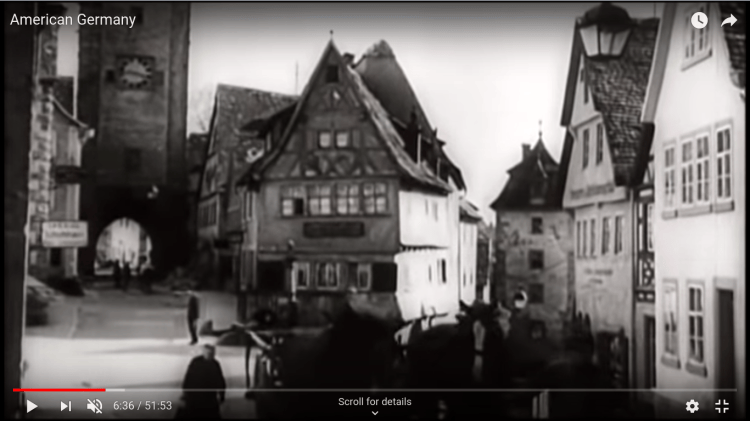
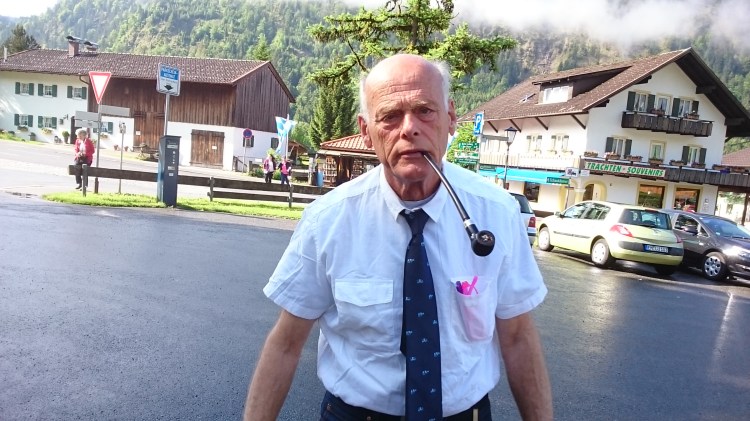
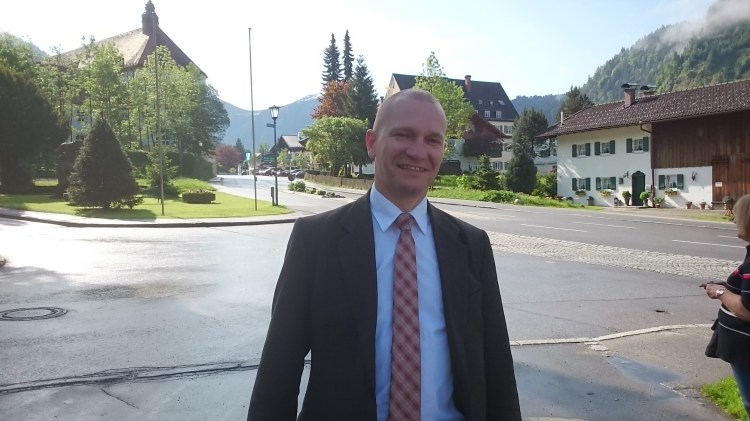
Both Szymon and the Mercedes Coach he drove were from Poland, (Europe’s new form of Slave Labour, we saw the same thing on our Danube Cruise, all the staff on The Avalon Artistry 2 were from Eastern Europe, underpaid and lucky to get home to see their families once a year), we sent him a card thanking him, and he returned a lovely card.
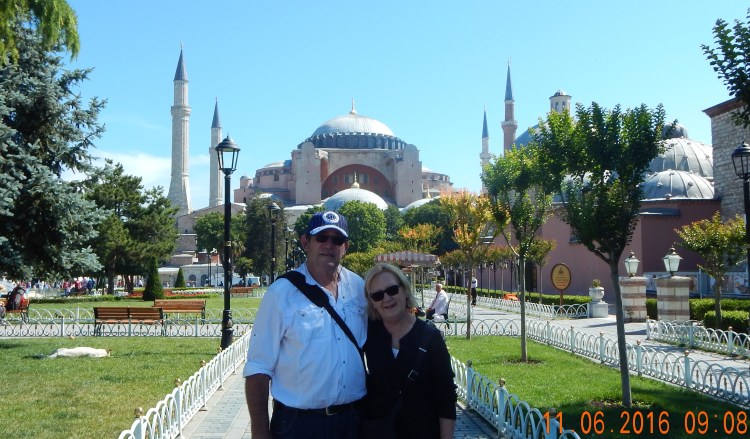
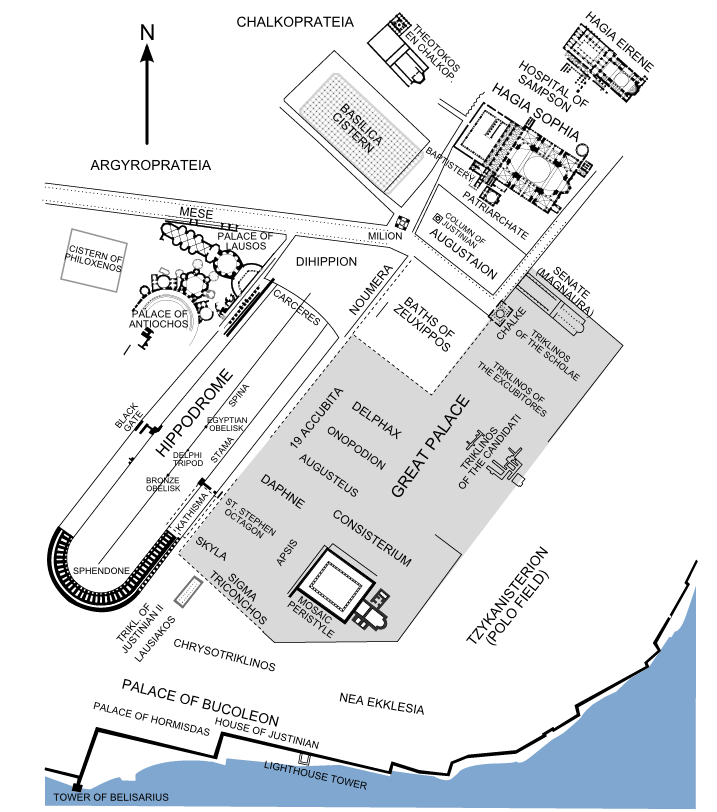
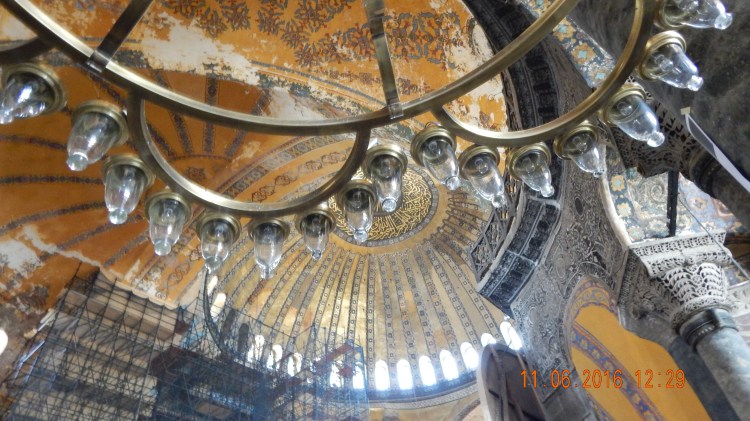
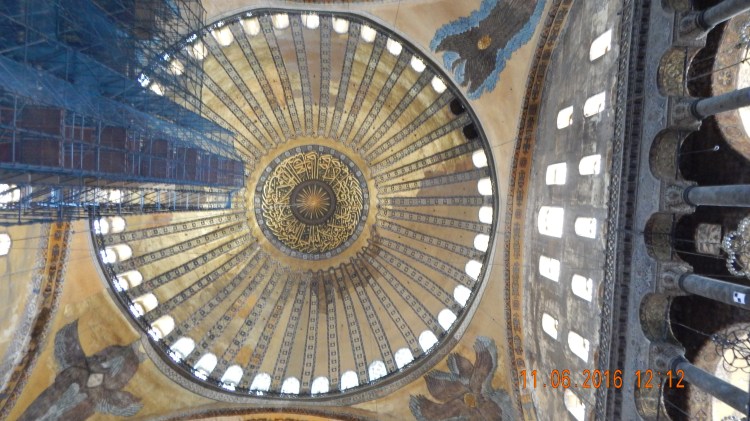
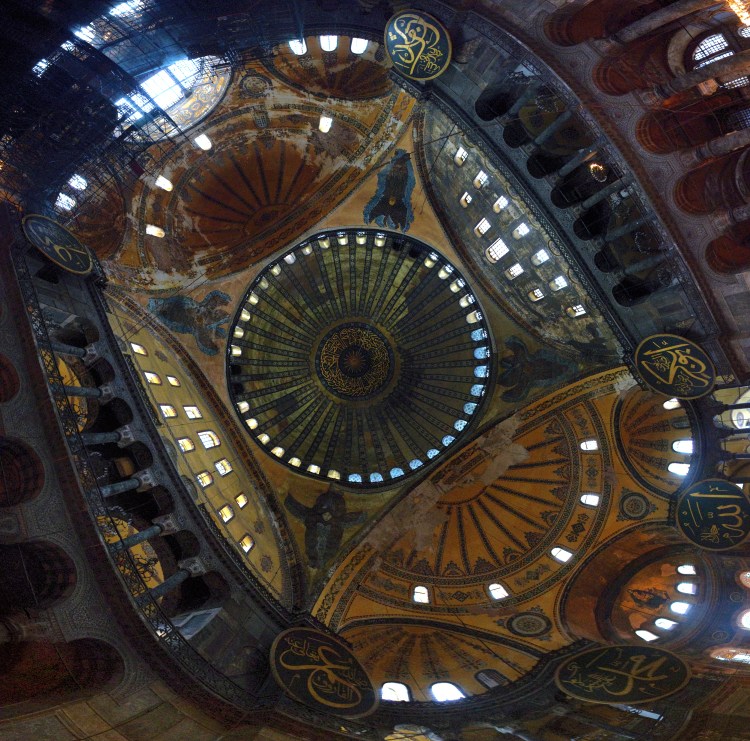
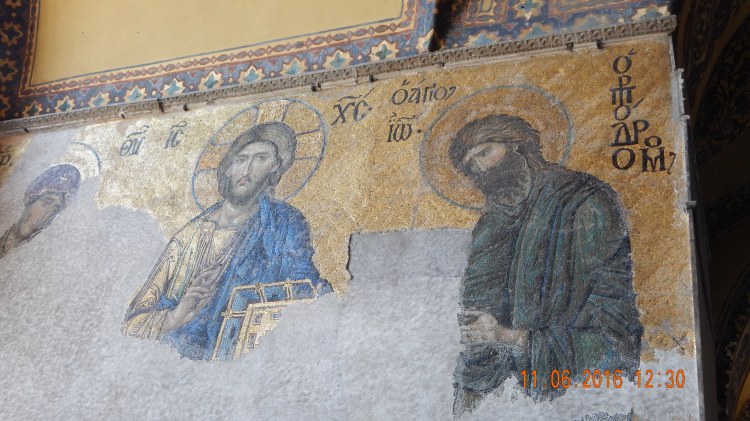
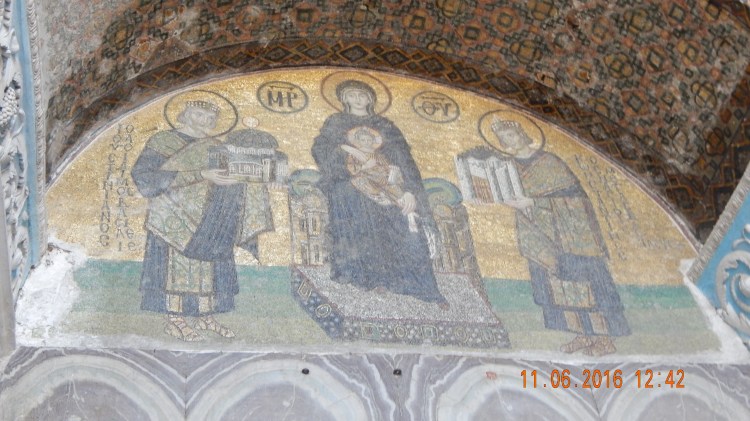
A Couple of Web Page Links About Hagia Sofia
Internet Link for Photos of Hagia Sophia Mosaics
Fossati Brothers Sketchbook of Aya Sofya 1847-1849
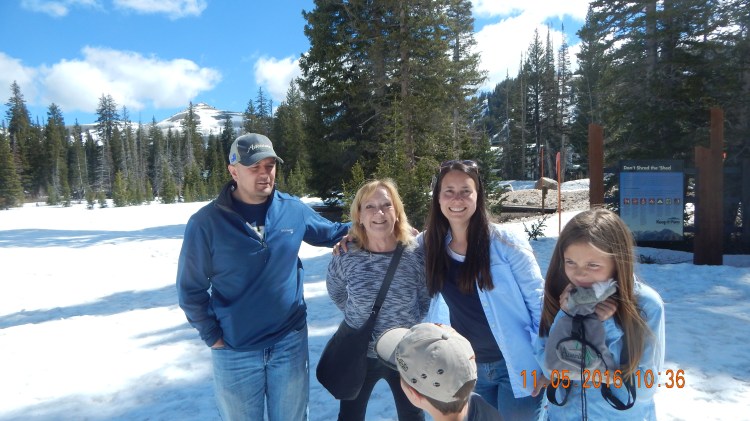
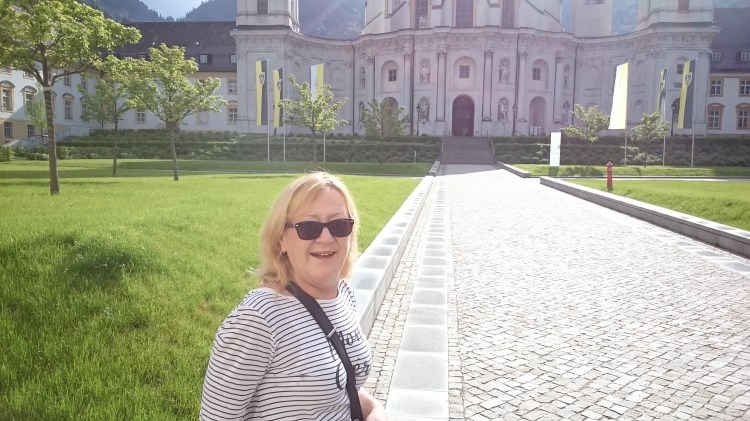
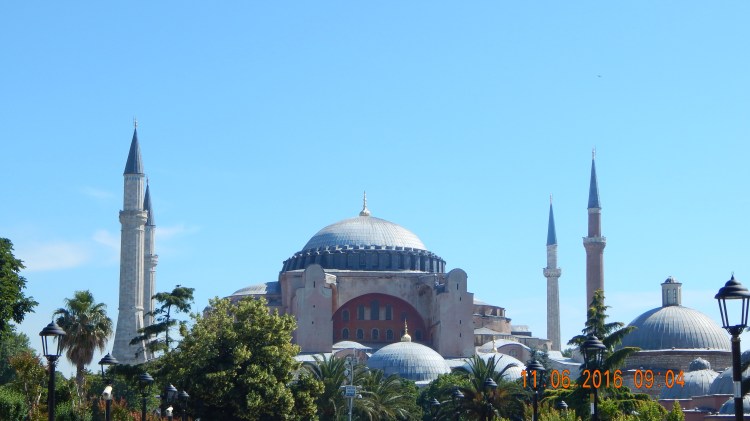
Hagia Sophia in Istanbul, constructed 532-537 CE, continues to be revered as one of the most important structures in the world. Hagia Sophia (Greek Ἁγία Σοφία, for ‘Holy Wisdom’) was designed to be the major basilica of the Byzantine Empire and held the record for the largest dome in the world until the Duomo was built in Florence in the 15th century CE. Additionally, Hagia Sophia became more important with time as subsequent architects became inspired by the dome when building later churches and mosques.
Construction & Design
After the Nike Riots of 532 CE destroyed the previous basilica in Constantinople, Emperor Justinian sought to create the greatest basilica in the Roman Empire. He charged two architects, Anthemios of Tralles and Isidore of Miletus to create a structure worthy of the capital of the Roman Empire. The architects, who were primarily mathematicians, made use of new architectural concepts in order to build exactly what the emperor wanted. In order to create the largest interior space possible, they designed an enormous dome and supported it using a revolutionary construction method called pendentives. Hagia Sophia makes use of four triangular pendentives which allow for the weight of the circular dome to transition to a square supporting superstructure below without massive pillars or columns interrupting the internal space.THE ENORMOUS DOME IS SUPPORTED USING A REVOLUTIONARY CONSTRUCTION METHOD.
The dimensions of the extant structure show Hagia Sophia’s near square shape: length 269 feet (81 m), width 240 feet (73 m). The cupola of the current dome hovers 180 feet (55 m) above the mosaic floor. The structure and first dome, which partially collapsed in 557 CE, were first completed in 537 CE. The second dome, designed with structural ribs and a greater arc than the previous dome, was designed by the nephew of one of the original architects, Isidore the Younger.
Isidore the Younger was faced with fixing several issues that had caused the original dome to collapse. First, during the original construction, the bricklayers had heedlessly applied more mortar than brick. Additionally, in the rush to complete the original dome, they had not waited for a layer of mortar to set before applying the next level of bricks. This caused structural problems that were only exacerbated by a dome which was too shallow. When a dome’s arc is round enough the weight and force of the structure descends down into the supporting piers. However, the original dome’s arc was too shallow, thereby, pushing outward and forcing the already weakened walls to give. To fix these problems Isidore the Younger increased the height of the dome, which increased the arc and depth, and added 40 ribs to provide support. Before these improvements, however, he was forced to rebuild much of the original walls and semi-domes in order to make the new dome last longer than the first.
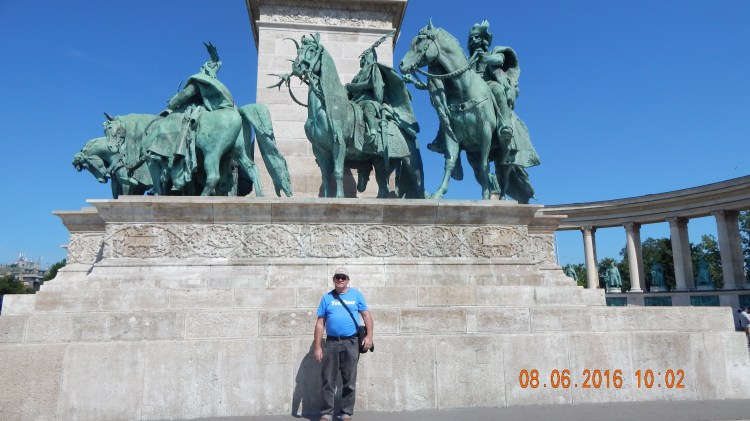

I remember one camping trip to Big Bend around 1989, we all, including Trevor and Pat and Shane and Family camped just around the bend a bit from the shacks at Big Bend, using Trevors boat to ferry all the camping gear, after carting the first load, they left me on the beach, with the gear and went back for another load, the temperature was in the 40’s and being thirsty I opened the Esky, only to find it full of beer, not one bottle of cool drink or water, ended up sucking on ice-cubes, muttering under my breath, I reckon that was the trip Kristy was the only one to catch any fish, and while skiing Shane came off while doing a turn around coming off at high speed the water was quite shallow, and he went in head first getting his head stuck in the mud, we quickly turned around, his legs and skis were poking out of the water and we pulled him out.
A couple of Oldies
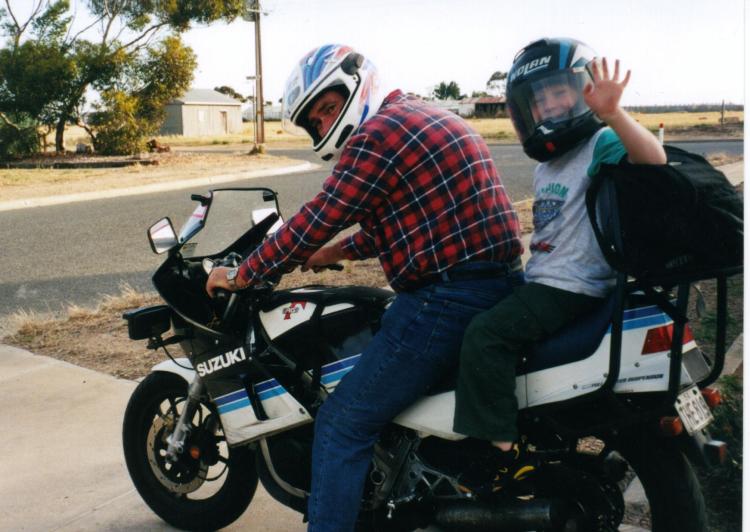
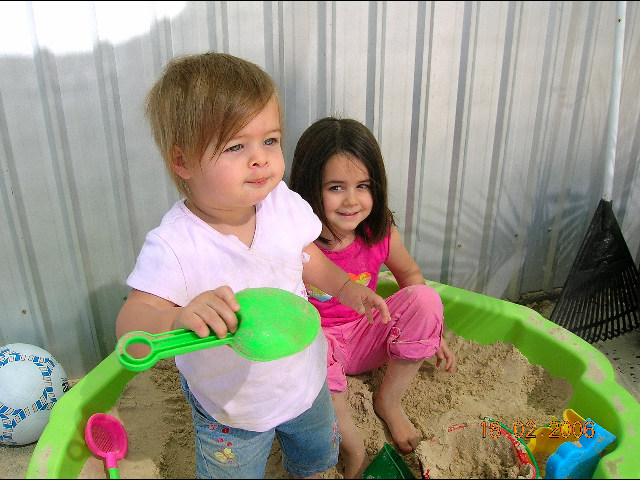
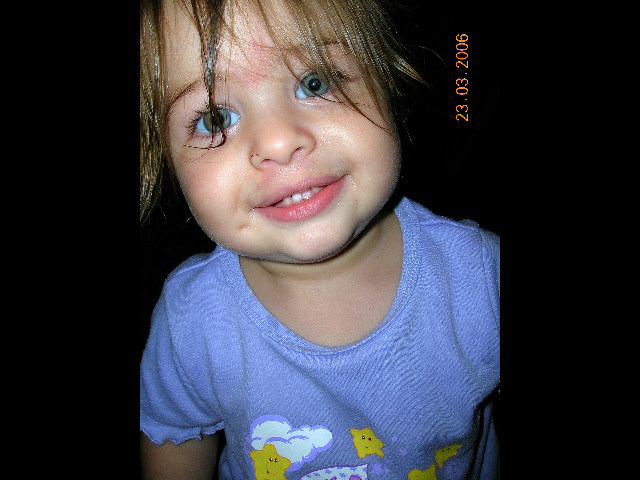
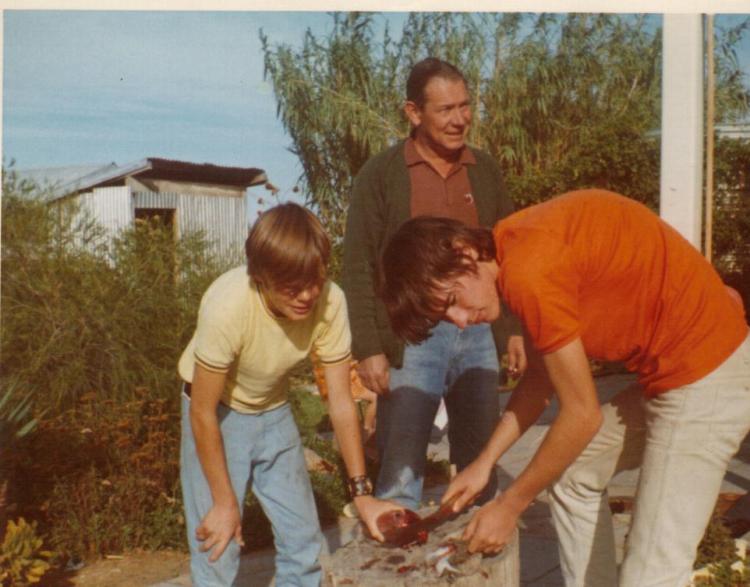
Can remember early October 1966 mum had to go into Hospital John an I stayed on the farm right through to early February 1967 close enough four months, always found something to do.
It’s over 32 years now, missing him still.
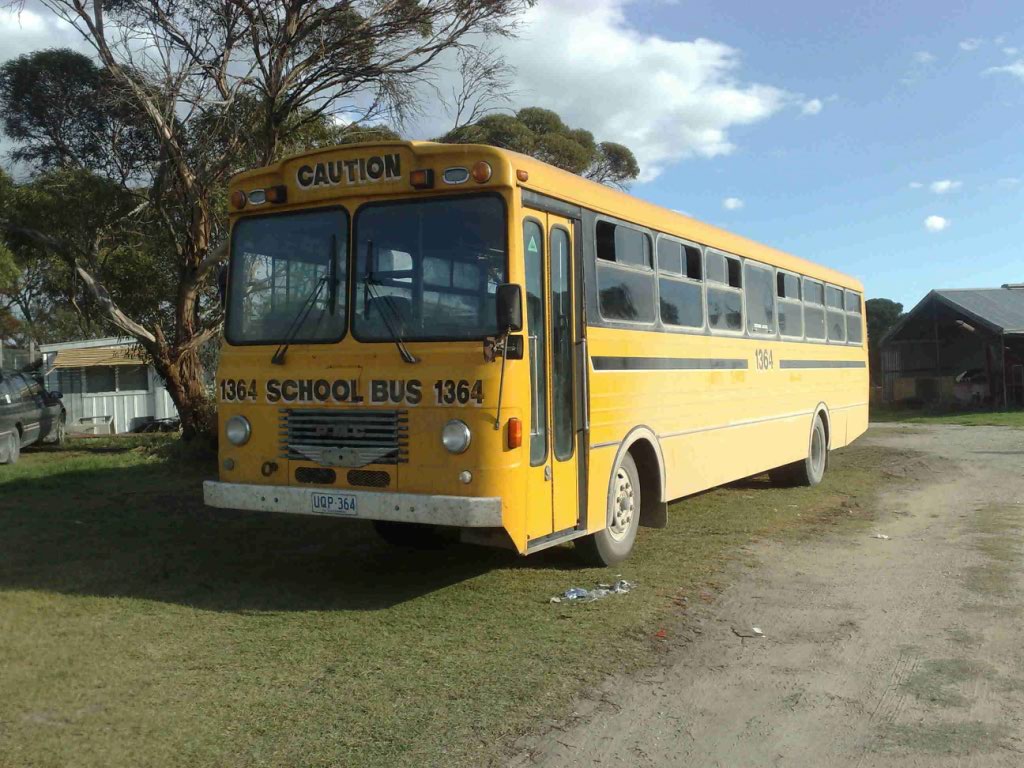
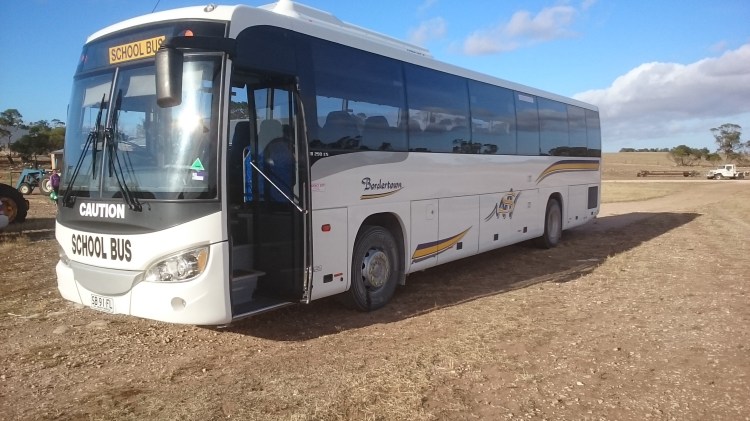
I haven’t missed the School, but still miss Driving the bus.
I suppose driving the Day Centre Bus a couple of days a week for Country Health Connect is a small replacement.

I think its better than the current State flag.

A Brief History of Tea Tree Gully, and surrounding areas, and the Adams, Phillips, Churchett, Uren and Hockey Families.
All of Whom arrived in the Colony of South Australia in the 1840’s and 50’s From Cornwall, and the Spanglers from Lower Saxony, Germany.
It’s a bit of a Jumble, but I have just put it together as it came to my mind, as kids we roamed all over Tea Tree Gully, and the hills around us.
Tea Tree Gully
A government Census taken in mid -1855 showed that the population of Tea Tree Gully area was 1,440.
A hundred years later in 1954/5 the population was 2,561.
Old Tea Tree Gully- was a district of orderly vineyards and orchards, quarries and clay pits, of gullies thickly wooded with native trees, and scattered farms and villages.
When you look on Google Maps check the area, bordered by Hancock Road, Whiting Road, Tolley Road, and Smart Road, you will notice it is mostly bare, nothing to see for most of it, it’s because there were several very large and VERY deep pits, from former pipe clay extraction, we used to play in them when we were young. Years later for a long time Tea Tree Gully Council used the holes as a rubbish dump, so because of potential subsidence, and methane gas, from the decomposed rubbish, the Council has used it as a large park and reserve, when you look on maps of the other side of old Tea Tree Gully between Fairview Park and Golden Grove, you will still see large scale sand and clay mines, there are still brick making companies there, used to be Hallets and PGH, I think the names have changed now though.
Where Stratco used to be at 129 Tolley Road StAgnes, and the businesess both sides used to be The StAgnes Drive-in.
From 1954 to 1971 the population of Tea Tree Gully council rose from just over 2,500 to almost 37,000, (personally I would say probably 80% of that increase was from between 1962 and 1971) and in 1975 it had reached approximately 55,000 as urban residential development quickly expanded. By 2004 the population had exceeded 100,000.
As you can see the population of Tea Tree Gully exploded in the 60’s and 70’s in particular. Before it was just a series of sleepy little country towns. In the early to mid 60’s my memory is of distinct seperate Towns in the area, there were, Tea Tree Gully, Modbury, Golden Grove, Highbury, Hope Valley, Houghton, and Inglewood, all seperated by agricultural land in between. I can remember in the early 60’s we had a combined sports day between Tea Tree Gully and Modbury Primary Schools, one of Bowmans buses came and picked up the whole of TTGPS students and staff for a drive through the country to Modbury PS, a couple of years later they would have needed a whole FLEET of buses. Just out the back of our place were cows grazing in paddocks, or orchards, fields of grain, etc. this all changed very rapidly, a shame really because all of the BEST Agricultural land in South Australia is under the City and Suburbs, and not all of it was sold for development willingly, as in the case of Angoves Winery and Vineyards (among Other Wineries and Vineyards in the area) they were FORCED to sell by the State Government, and in the process lost their History, The Angoves Vineyards Were Over 120 Years Old, now they are in the Riverland, the vineyards were replanted using cuttings from St. Agnes Vineyards Tea Tree Gully. Most of the roads were dirt or what people today would consider as 4WD tracks. Even in the late 60’s when I went to School at Strathmont Boys Tech at Gilles Plains, there were still lots of open paddocks between home and Gilles Plains. As a child in the late 50’s I can remember a trip to Adelaide was like a country drive, the first set of traffic lights was at OG Road.
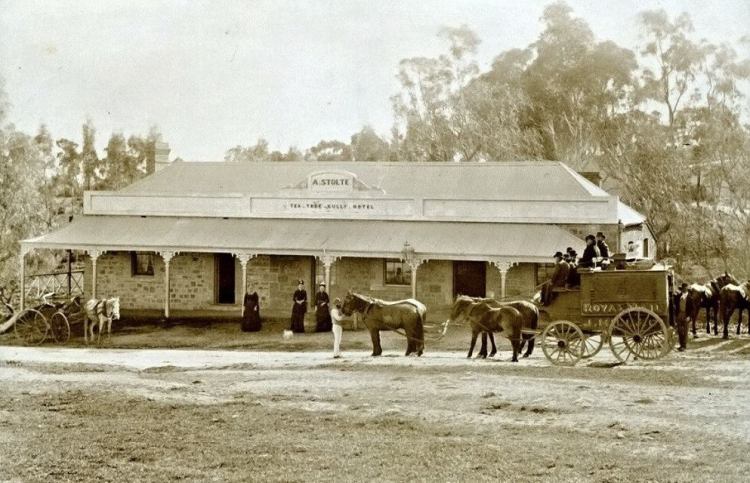
The reason why there are two buildings that were meant to be Hotels, so close together, is according to what I was told two competing groups expecting their Roads to be the MAIN road from Adelaide through the hills to Mannum etc. after the road from Glen Osmond through the hills in the early times the road up through Gully hill was the only other way for some time, the trip through the Gully was actually a much easier gradient for bullock wagons.
From Adelaide via Lower North East Road and Perserverance Road to North East Road past the Highercombe Hotel.
Or from Adelaide straight along Main North East Road, past the Tea Tree Gully Hotel and straight up the hill, to Mannum etc.
You can guess which road is the MAIN road can’t you.
The Highercombe Made a good Post Office and now National Trust and Heritage Centre anyway. Although its probably lucky to have survived as after the new Post office opened it was empty and derelict for quite some time. Spent a lot of time in this place years ago.
The Section Below Tells Us William Bailes was aboard the Tam O’Shanter Which was part of South Australias “First Fleet”
BAILES, William Thomas Brown (c1811-18/10/1868)
Born Devon, England. Died Mt Barker SA.
1854-1855 Tea Tree Gully Inn Tea Tree Gully Hotel founder
To SA 1836 Tam O’Shanter
Carpenter, builder; Adelaide, Marion, Teatree Gully, Mt Barker. Also Publican; Tea Tree Gully Anglican.
m (1) 29/1/1838 Georgiana nee Knapp.
m (2) 4/6/1849 St John Adelaide, Mrs GARRATT/GARRETT, perhaps nee Mary HOLWELL (//c1804-//)
KNAPP, Georgiana (c1820-3/5/1848) – Born Kenton, near Dawlish, Devon, England. Engaged as servant to the Randall family. ‘The girl we took from Dawlish turned out bad. Her conduct on the voyage with the sailors and etc was unbearable. She neglected her duty in every respect and shortly after we arrived at Adelaide were under the necessity of discharging her. She has since got married to some man of indifferent character much older than herself.’ Daughter of Thomas Knapp, who came SA 1840 John. m 29/1/1838, William Bailes.
An Interesting Link Below on Bales/Bailes
Life of William Thomas Brown Bales
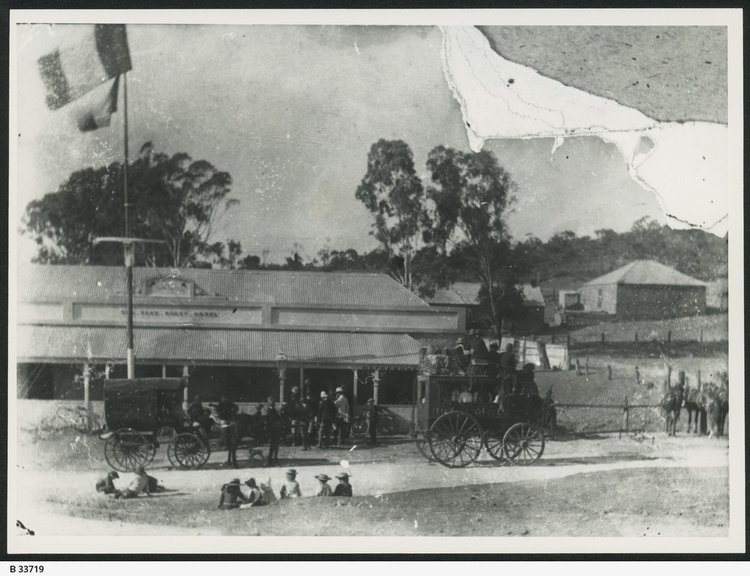
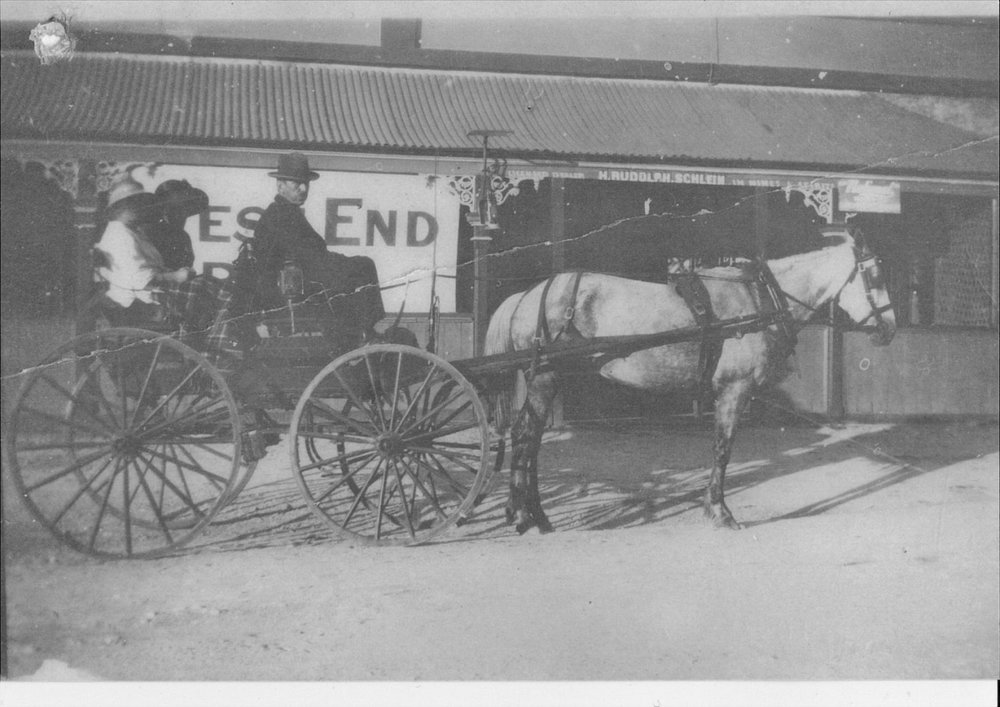
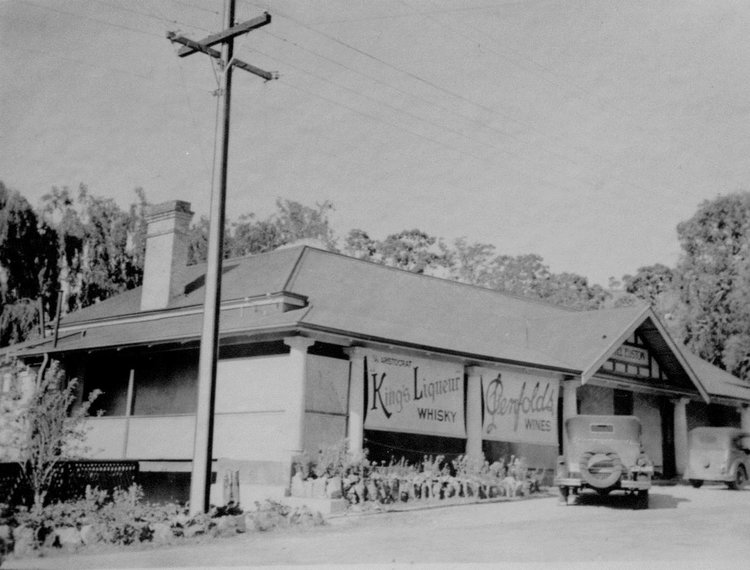
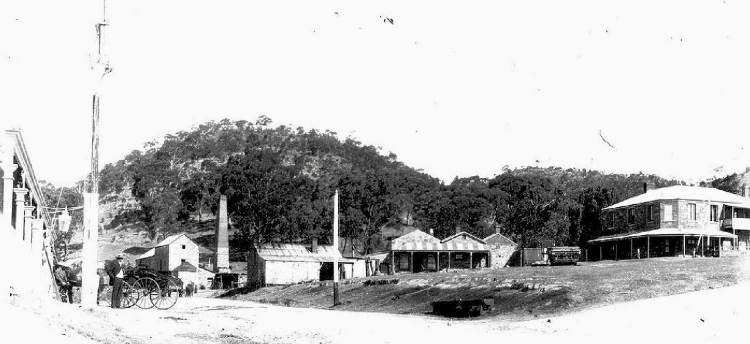
Even though this is 140 years ago, it is still easily recognisable to me.
When I was going to Strathmont Boys Tech, I used to get a lift with the people who had converted Mrs Dunns Cash Store into The North East Restaurant, Robert Willshire organised it (he was going to Gilles Plains High School).
When I transferred to Birdwood High School, I used to Catch ABM Coaches (Adelaide, Birdwood, Mannum) just in front of The Tea Tree Gully Hotel.
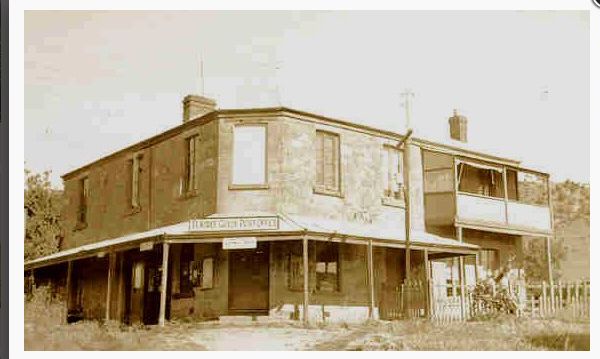
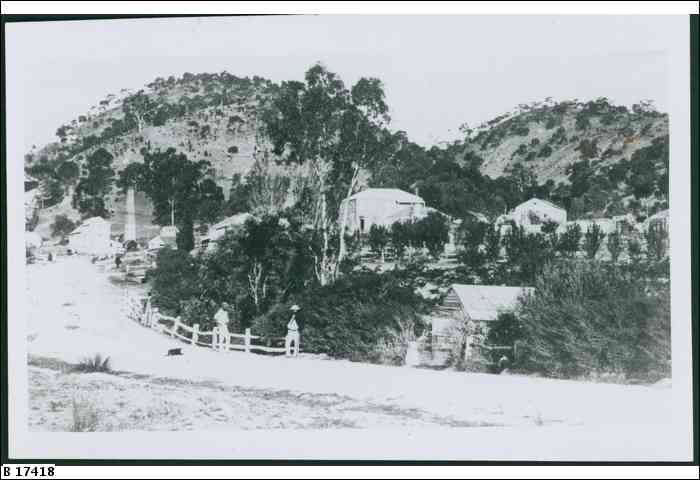
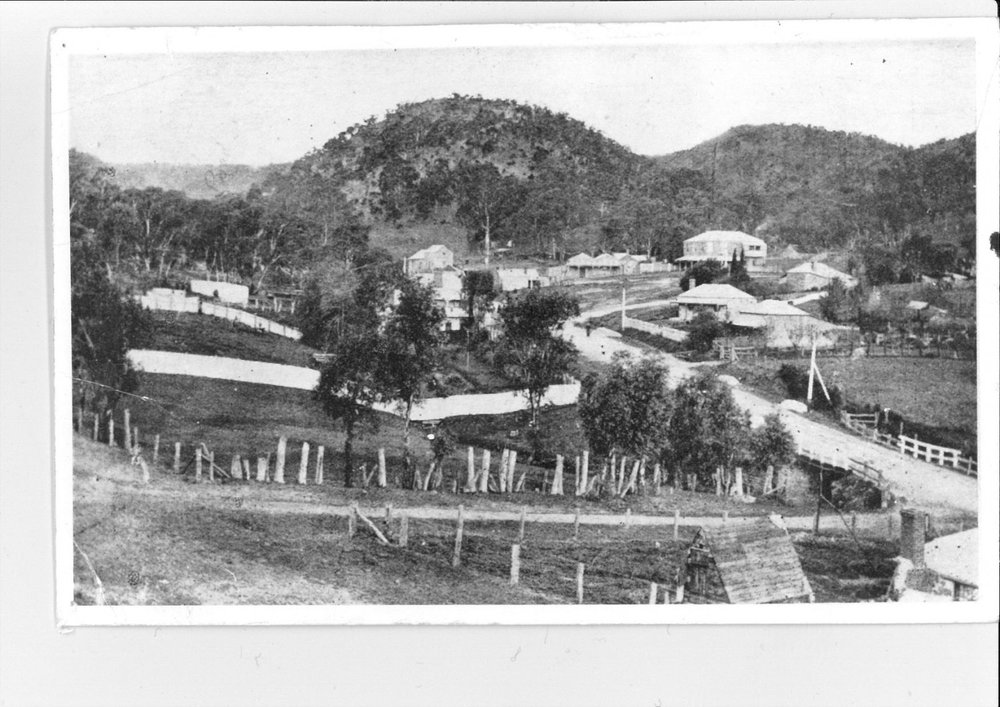
Dinan Street in the fore-ground, the second cottage on Main North East Road down from Park Terrace is about where the Dentist was when I was a kid.
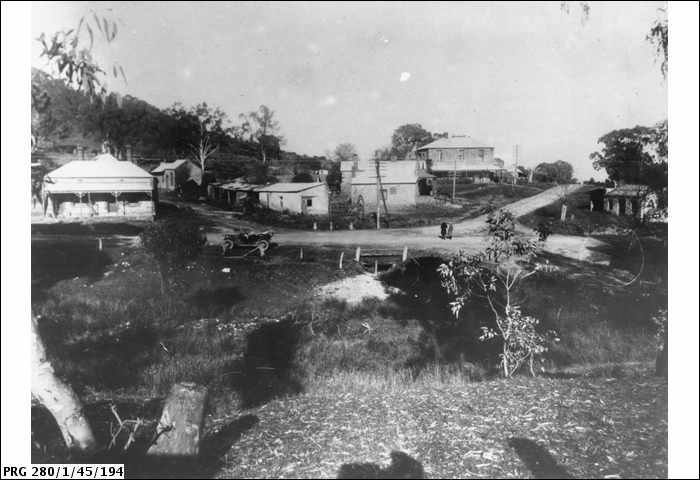
On the left hand side the house was in my youth Matson’s home had a very nice cellar, the track alongside went to Quarry Industries TTG quarry, the quarry operated from 1854 to 1982, the roads were always busy with Quarry trucks in the 60’s and 70’s, and you could hear frequent explosions from the quarry, you wern’t allowed inside the area, but I can remember going into the area on weekends when things were quiet, there was a mighty big hole left when they were finished, I believe the area has been used at least on one occasion for a series of outdoor Concerts, the lean to style building across from the house was a Bakery in a former time, The building across Perserverance Road was a Blacksmiths Shop.
The area where our home was on Walters Street was originally called Steventon Estate, I can remember the Original Title to the property was hand written on Parchment, it is now in the State Archives.
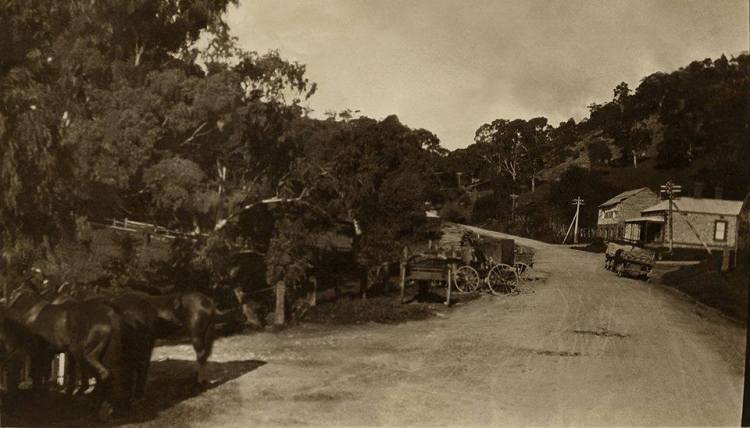
The new Newmans Nursery (originally started in the 1920’s) is just up the road a few hundred metres, when I was growing up it was run by the Hall family, Mrs Hall was a Newman, the Halls were part of the Halls Soft Drink Family I believe. Also just a little further up the gully was where the Newman family originally grew and processed Newmans Horse Radish, now it is run by the Meakins family (purchased in about 1947) who I can remember in Tea Tree Gully, and is now at Langhornes Creek (moved in 1985).
When I was quite young I can remember quite a few times riding and mostly Pushing my old 24 inch bike which had virtually NO BRAKES had the old back pedal type but they didn’t work very well, up to the top of Gully Hill it was quite a ride down with the heel of your shoe resting on your back wheel as a brake, shoes ended up with a groove the shape of the tyre worn in my heel.
Another thing we used to do was about 200 metres up from where this photo was taken just a bit this side of the Nursery, on the steep slope of the hill running down into the creek, using a sheet of flattened corrugated iron as a sled, slide down the hill into the creek.

Worth a try if you haven’t already.
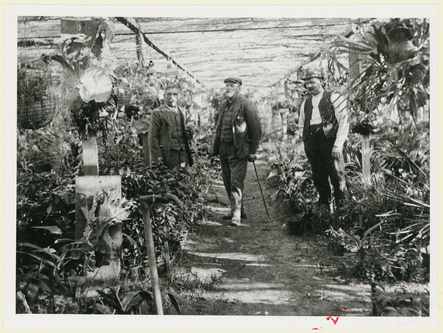
Supposedely the State Governor Sir Day Bosanquet in the centre and C.F. Newman on the right, I contacted the State Library about this photo because in their description they claimed this was C.F. Newman and the year was 1912 I told them C.F. Newman died in 1899 so it couldn’t be him. Library got back to me, the information along with the photo was given by Mrs. F.C. Newman in 1966, after I indicated the inconsistencies, they checked and now believe the central Figure is C.F. Newman the year is NOT 1912, but 1895 instead, they don’t know who the other two are. I hadn’t thought about it until they, replied, I think the man on the right is George William Churchett.
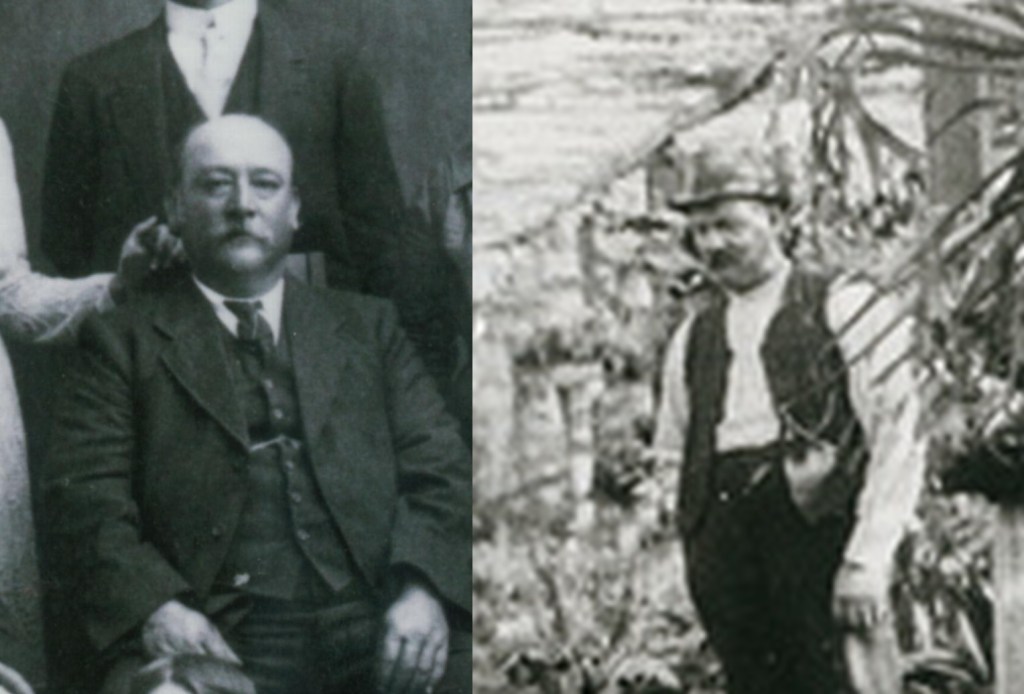
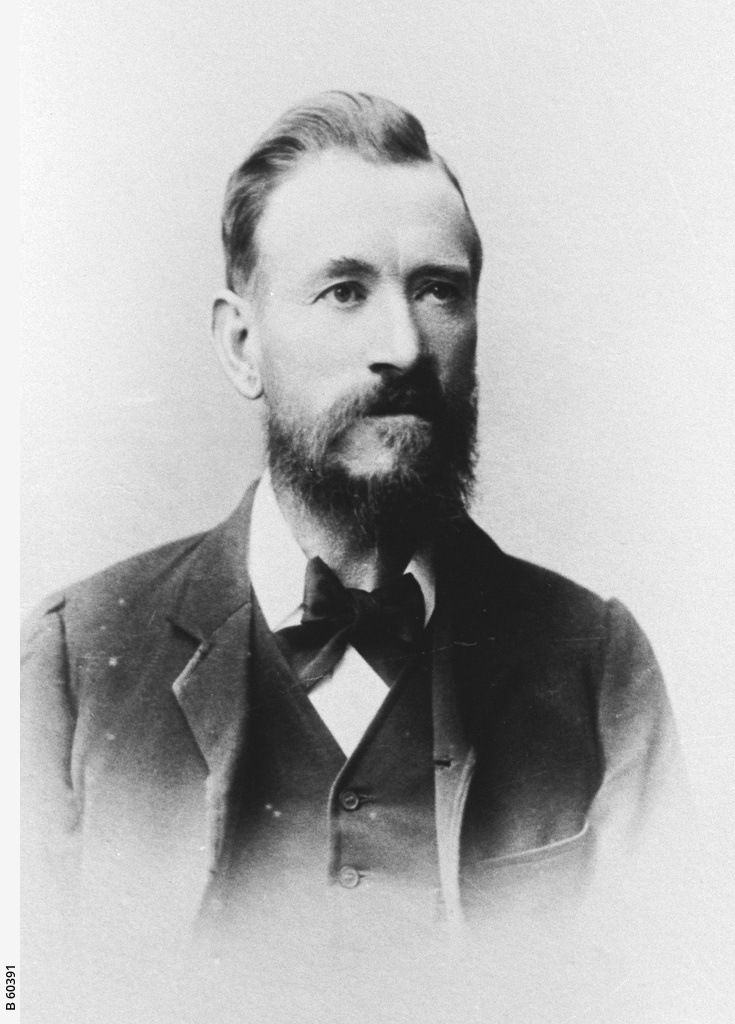
as the result of being thrown from his horse on the way home from a Highercombe Council meeting.
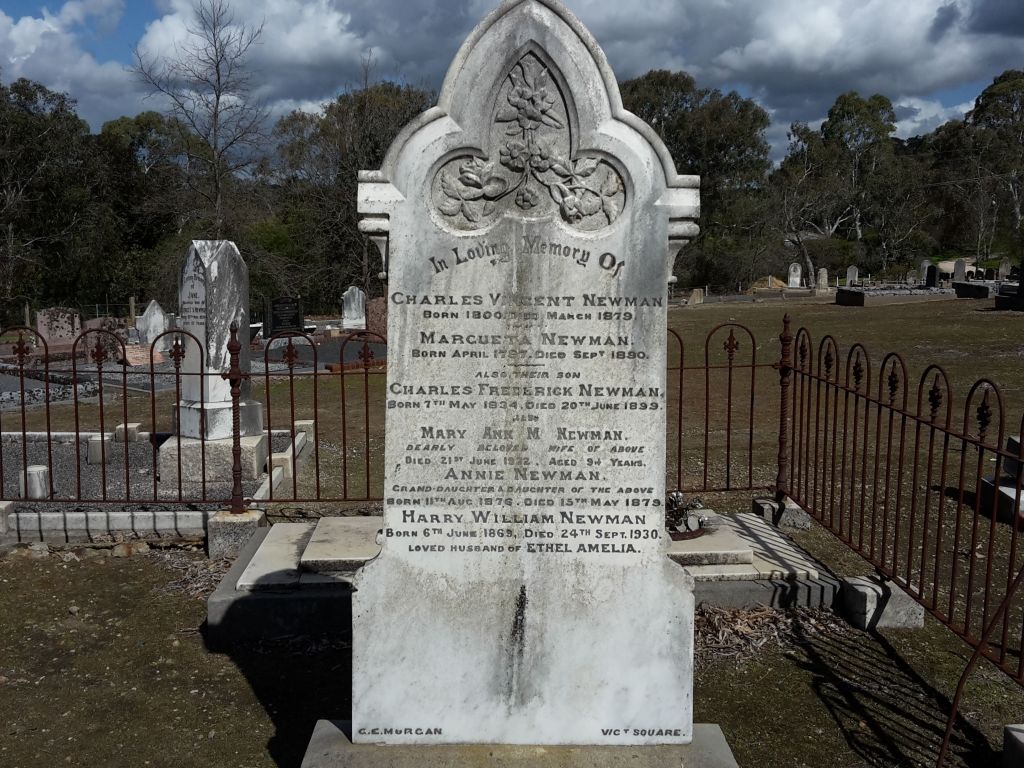
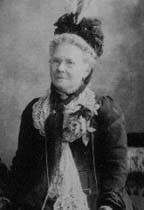
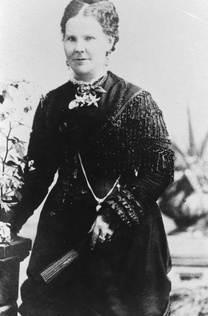
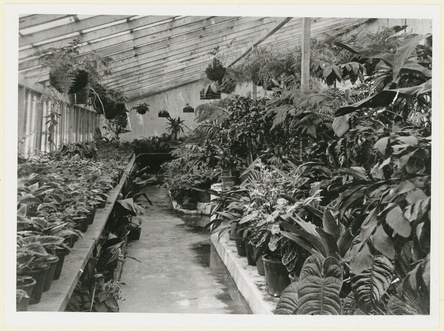
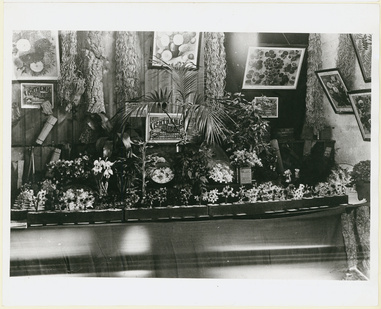
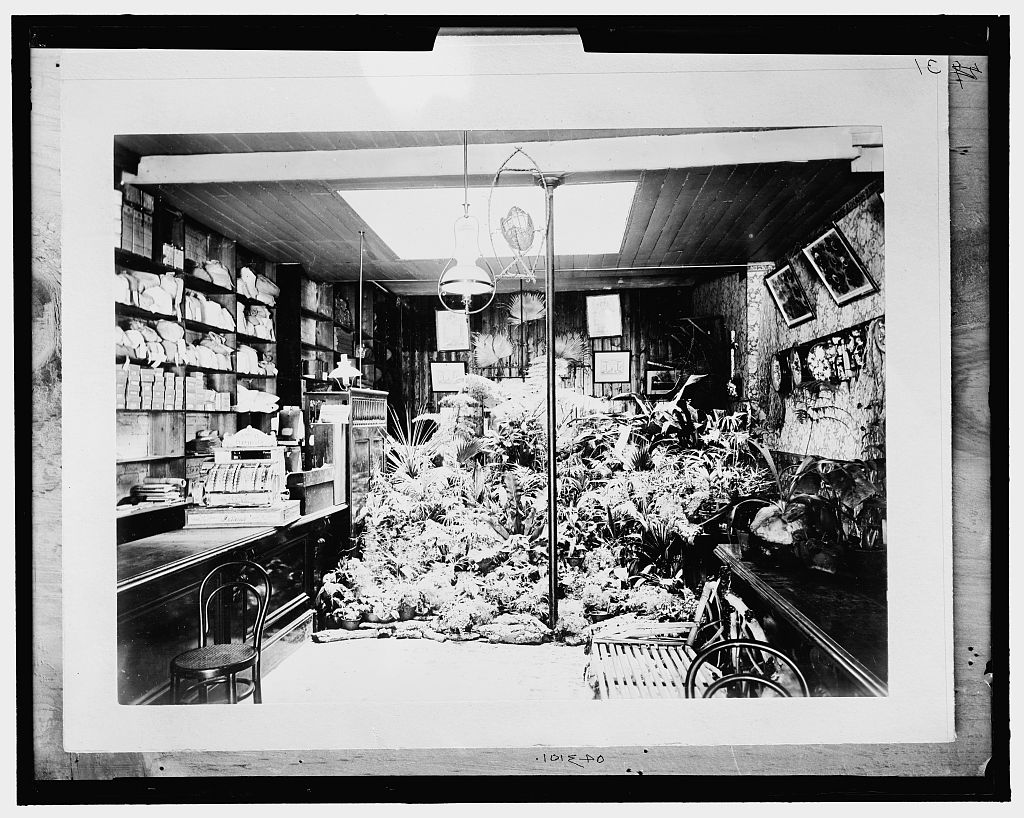
The following links are very interesting.
Our old home at 29 Walters Street gets mentioned in both.
Tea Tree Gully Heritage Study 1980
Tea Tree Gully Heritage Survey 1997
History
Newman’s Nursery– A tradition in quality.
When Carl and Margaretha Neumann arrived in the infant colony of South Australia with their son and two daughters it was hard to be optimistic about the future. The voyage had been long and hard. Their youngest son had died and the land that lay before them was alien and seemingly inhospitable. They could not have foreseen, that their surviving son was soon to establish a horticultural tradition that would survive over 130 years and involve five generations of their descendants.
In 1856 C.F.Newman acquired land in the District of Highercomb in the Adelaide Hills. With his young bride he cleared it and started their garden and nursery. Over the years they developed their collection of species by importing seed and live plants from England and Germany. By the 1880’s the nursery had grown to a point where it was considered a “show piece” of the colony.
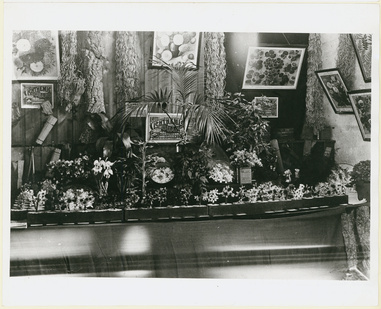
The Nursery’s catalogue grew and before the turn of the century it boasted over 200 pages and listed for example over 300 orchid varieties,600 rose varieties and over 300 different fruit trees. Newmans were active hybridists and introduced many new varieties of ornamental and edible plants. As the colony’s leading nurserymen they also played an important role in the development of horticultural enterprises like the Chaffey Brothers pioneering irrigation projects in the Murray Valley.
As the family grew three sons (out of eight sons and six daughters) left and established a branch in Perth and sold plants supplied from South Australia.
In 1913 the Nursery experienced two horrific storms and in the following year a drought. One of the sons (Fred) as manager, tried in vain to resurrect it but with increasing family tension he and his wife finally left to establish their own flower and bulb nursery in nearby Tea Tree Gully. After the sale of the original location they took up the old name of C.F. Newman and Son.
Following the death of their son in the Pacific War Fred and his wife planted the current nursery location as a garden of Camellias, Proteas and Ericas for their retirement. But the love of plants and nurseries is contagious and Fred’s youngest daughter Suzanne and her husband Roger became infected. They developed it as a specialist Camellia and Azalea Nursery and today it leads the State in that field.
In 1985 one of Sue and Roger’s sons, Jon Hall and his wife Dianne, became the Nursery’s Proprietors. Jon and Dianne knew that despite the popularity of Camellias and Azaleas the soils and climate of South Australia would always restrict the size of their market. They were also acutely aware that their out of the way location would be a limiting factor and that something was needed to entice customers to go that little bit further. Traditions and reputation whilst very important were simply never going to be enough to enable them to increase their business.
In canvassing their options for the future they spent some time planning and carefully considering industry directions. It soon became apparent that the industry was rapidly changing. Customers wanted quality presentation and variety. Life style and recreational aspects of gardening were becoming far more important.
With these principles in mind Jon and Dianne developed a plan to remodel the nursery and expand its range of products. They would enhance the garden environment started by earlier generations but would modernize it to appeal to today’s customer. They would develop and stock a range of products that more closely meet their customer’s diverse gardening needs. Their motto became “Newman’s, Where your gardening dreams come true.” To achieve this they would provide the highest quality products, old fashioned personalized service and expert, friendly advice.
The plantings of Camellias, Magnolias, Conifers, Rhododendrons and Azaleas were increased. The whole area was re landscaped and incorporated bridges, pools and meandering pathways. Beds of annuals and perennials were established to provide colour that would arrest the attention of passing traffic. Large areas were paved and covered to minimise the discomfort of inclement weather. The numerous small shade houses were replaced by one large cable suspension house. The result is an enhanced natural environment, a garden to stimulate ideas and a relaxed, inviting shopping atmosphere.
Customer convenience is also strongly reflected in Newman’s product range. They have significantly increased the stock carried but when deciding on a new line the acid test is; “will it compliment what we already do” Jon and Dianne believe that a business can do itself more damage that good if it moves into areas where it can’t provide expert advice and service. For example they only stock a limited range of hardware items. It’s simply not cost effective to try to be experts in everything.
If Jon and Dianne had to identify one thing that has helped them succeed it would be their commitment to quality. Over Newman’s 130 years they have won many awards ranging from the 1887 First Orders of Merit to the Banksian Medals to the contemporary business and industry awards like the Garden Centre of the Year and Tourism and Recreation Awards. Recognition by the industry is critical because it gives customers the assurance that they are getting the very best horticultural product and service available. When it comes to quality Newmans are happy to be called traditionalists.
ADELAIDES LARGEST CAMELLIA COLLECTION
The above Section was Copied From Newmans Nursery Page just to give a bit of the History of the Nursery.
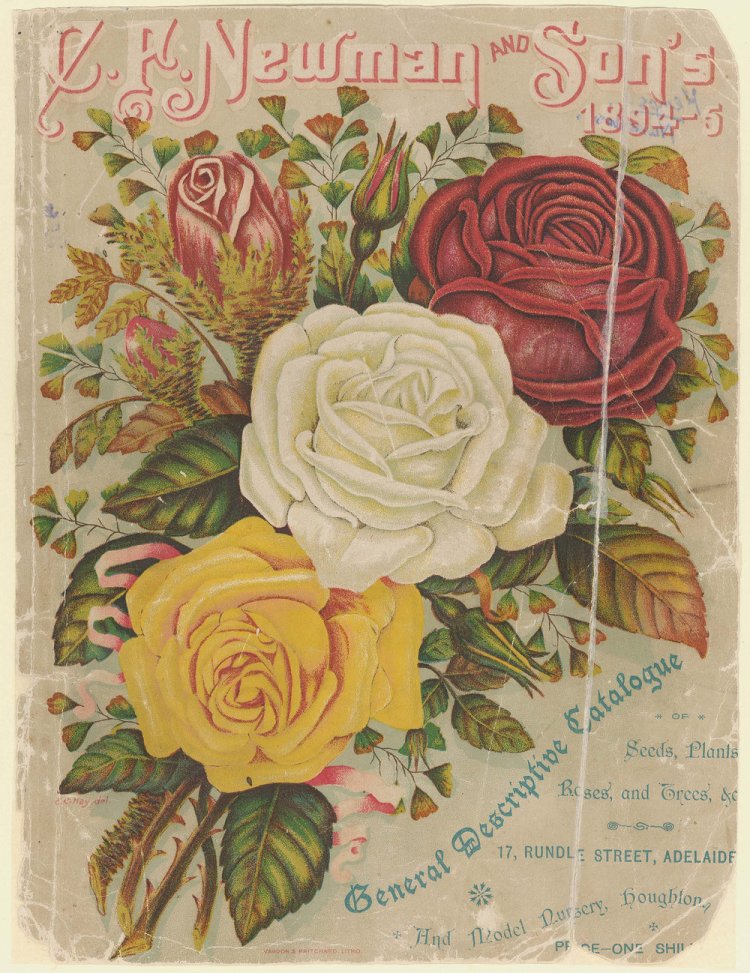
Apparently around this time the catalogue had 200 pages.
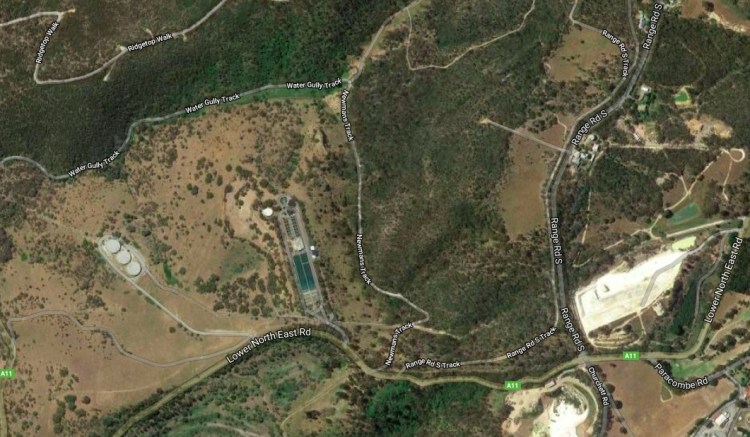
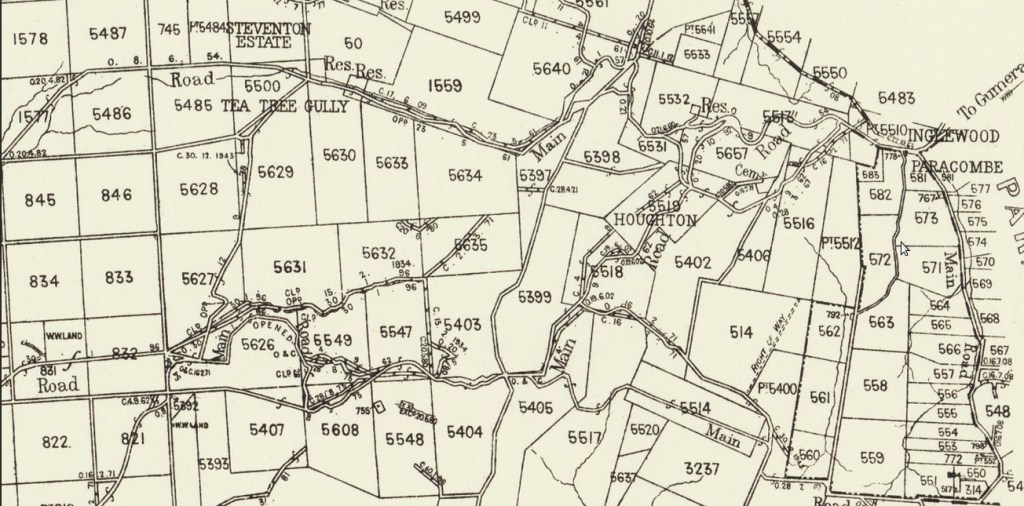
As a kid in the early 1960’s it used to seemed a great adventure to drive from Home at 29 Walters Street over to Lower North East Road via Perserverance Road up the very steep winding road to the top of Anstey Hill, to Churchett Road to visit Uncle Morrie (Churchett, Nannas Brother), he had been burned out by bush fires several times but just kept re-building, I remember the burned out wrecks of cars and other vehicles he had.
The Following is A Report Prepared by Flinders University

THE FLINDERS UNIVERSITY OF SOUTH AUSTRALIA | THE FLINDERS UNIVERSITY OF SOUTH AUSTRALIA | GPO Box 2100 Adelaide 5001 AUSTRALIA |
Hills Face Zone Cultural Heritage Project
An Archaeological Survey of Anstey Hill Recreation Park.
Report to the Tea Tree Gully Council
By
S. Piddock, P. A. Smith, K. Walshe and F. D. Pate
Department of Archaeology, Flinders University, South Australia
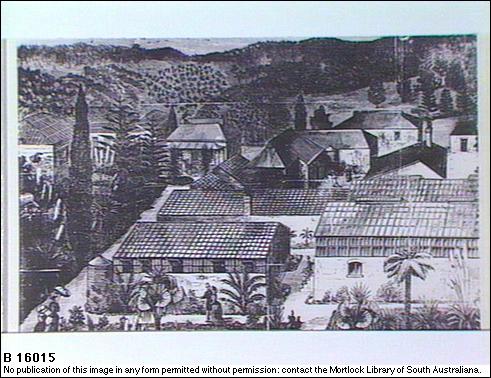
Newman’s Nursery 1860s
July 2004
Contents
1 Introduction
2 Survey Objectives
3 The Natural Landscape
3.1 Flora
3.2 Geology and topography
4 History of Settlement
4.1 Indigenous History
4.2 European Colonisation
5 The Survey
5.1 Survey Methods and Conditions
5.2 Survey Report
6 Conclusions and Recommendations
References
Figures
Figure 1 Adelaide Hills Face Zone
Figure 2 Map of Anstey Hill Recreation Park
Figure 3 Gun Emplacement
Figure 4 Ironstone Quarry Diagram
Figure 5 Newman’s Nursery ca. 1860s
Figure 6 Newman’s Nursery looking towards Water Gully ca 1880s
Figure 7 Loading Ramps
Figure 8 Sump
Figure 9 Silver mine shaft
Figure 10 Ellis Bakehouse
Figure 11 Ellis Cottage
Figure 12 Walled enclosure
Figure 13 House (right) and Kitchen (left), Newman’s Nursery
Figure 14 Barn, Newman’s Nursery
Figure 15 Potting House, Newman’s Nursery
Figure 16 Hot Houses, Newman’s Nursery
Figure 17 Shade or Hot House, Newman’s Nursery
Figure 18 Bricks within the hot house, Newman’s Nursery
Figure 19 House, Newman’s Nursery
Figure 20 Wall to the east of the kitchen (looking east)
Figure 21 Shade House, Newman’s Nursery
Figure 22 Cold frames, Newman’s Nursery
Figure 23 Well outside of shade house, Newman’s Nursery
Figure 24 Brick-lined well, Newman’s Nursery
Figure 25 Water Gully looking north-east
Figure 26 Terracing in Water Gully
Figure 27 Stone channel, Water Gully
Appendices
- Higercombe Estate and House
- Plan of Newman’s Nursery Buildings
1 Introduction
The aims of the Hills Face Zone Cultural Heritage Project are:
- To document Indigenous and European cultural impacts on the landscape of the Adelaide Hills Face Zone.
- To understand the ways in which the processes of colonisation shaped today’s landscape.
- To identify and document sites of cultural heritage significance.
- To recommend selected sites as cultural tourism destinations.
Information about the Adelaide Hills Face Zone and a full description of this project are available on the Hills Face Zone Cultural Heritage Project website: http://ehlt.flinders.edu.au/archaeology/hfzchp/index1.htm. Refer to Figure 1, showing the area of the Hills Face Zone.
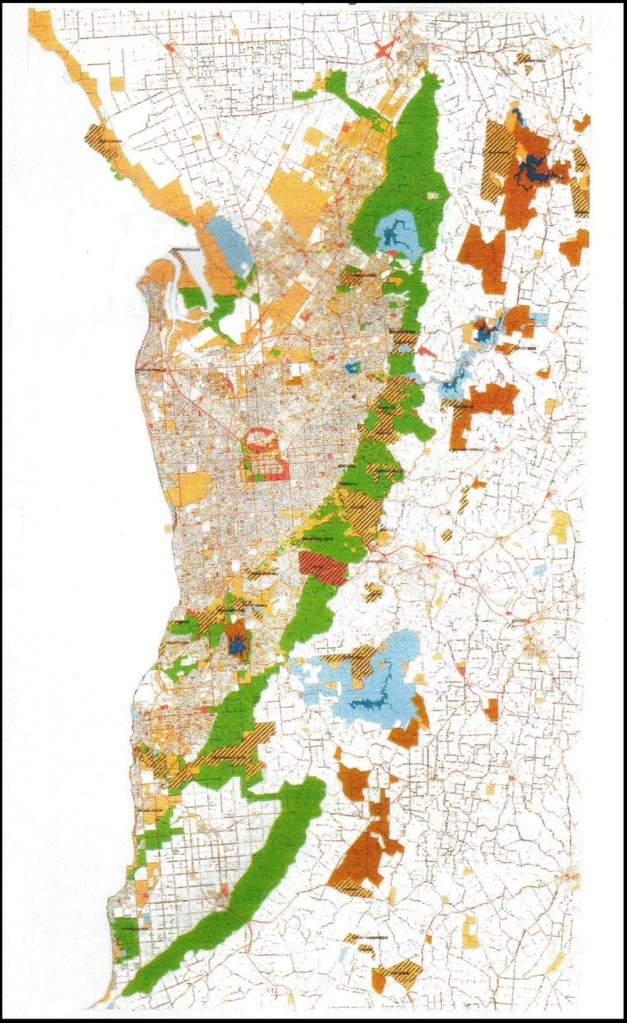
Adelaide Hills Face Zone
Figure 1 Adelaide Hills Face Zone
(Source Planning SA)
During 2002, 2003 and 2004 heritage surveys are being conducted across the Hills Face Zone in order to achieve these aims. All cultural impacts on the landscape are recorded by GPS and photographed, these data are then entered into the Cultural Heritage GIS database in order to analyse their spatial distribution and to assess their significance. Detailed research is then undertaken by undergraduate and Honours students of those landscapes and sites with potential to be significant or to yield further information about colonial land use. Finally, the information is collated and interpreted in order to reconstruct colonial land-use patterns and to better understand how these early impacts on the landscape shaped the landscape of today.
2 Survey Objectives
The objectives of the heritage surveys were:
- To undertake a systematic preliminary survey of the area in order to identify evidence of European cultural impacts on the landscape dating from 1836 to the 1930s.
- To record the locations of cultural impacts by GPS in order to develop a Cultural Heritage GIS database of the HFZ.
- To identify themes and cultural sites which may warrant further research.
- To identify potential cultural tourism destinations.
On May 25th 2003, and July 27th 2003 walking surveys were undertaken on the Anstey Hill Recreation Park, located 18km north-east of Adelaide. While on May 9th 2004 a detailed recording on Newman’s Nursery and Water Gully was undertaken. The park was declared in 1989 to protect a small area of native vegetation, and is bounded by Perseverance Road, North East Road, Range Road South and Lower North East Road. The park encompasses 383 hectares. The park area includes a number of quarries, a mine, and the ruins of Newman’s Nursery. Two surveys of the park were undertaken: the first focused on the northern part of the park to record the mines and quarries; and the second to allow for detailed recording of the remains of Newman’s Nursery, and to identify cultural changes to the landscape in Water Gully.
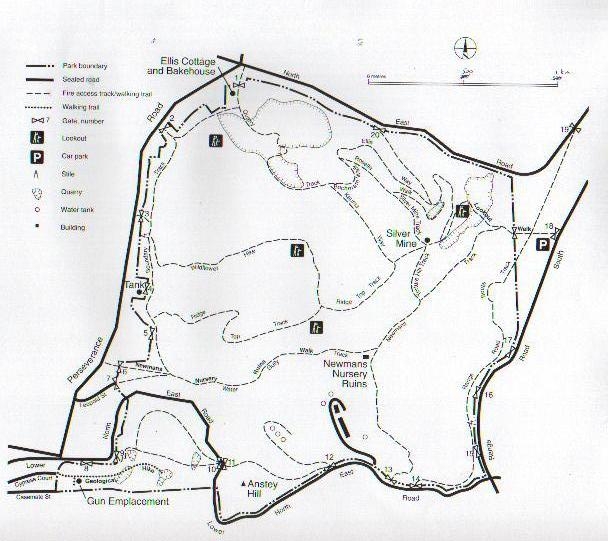
Figure 2 Plan of Anstey Hill Recreation Park (Source National Parks and Wildlife).
The Anstey’s Hill Reserve in the 1980s remained one of the largest areas of native bushland remaining in Tea Tree Gully with the land having been purchased between 1966 and 1977 by the Sate Planning Authority (Anstey Hill Recreation Park 2001). While the area had been considered in 1981 as a possible regional park, no action was taken. In the face of a proposal to turn part of the reserve into a fun park in 1987, the local residents formed the Anstey’s Hill Protection Group and the fun park idea was scrapped a year later. The reserve was declared a recreation park and placed under the protection and care of National Parks and Wildlife. It was formally dedicated on September 17th 1989 (Auhl 1993: 378). Recreation Parks are established to provide opportunities for active and passive recreation beyond built up areas, while maintaining the natural character of the landscape and protecting the flora and fauna (Anstey Hill Recreation Park 2001). The Park is listed on the Heritage Register of the Tea Tree Gully Council.
3 The Natural Landscape
3.1 Flora
The Anstey Hill Recreation Park supports a range of native flora (289 species) and introduced flora (129 species). The later are generally found in Water Gully and are probably the remainder of the plants grown in the gully by the Newman’s Nursery from the mid nineteenth century till the early twentieth century. The native species include Pink gums (Eucalyptus fasciculosa), Long leaved box (Eucalyptus goniocalyx), and small patches of Blue gums (Eucalyptus leucoxylon) can be found in the park. On the steeper areas of the hill there are stands of Native pine (Callitris preissli), Dropping sheoaks (Allocasuarina verticillata) and Pink gums.
Understorey plants include Button daisy (Calocephalus citreus), Pussy tails (Ptilotus erubescens), Needle bush (Hakea rugosa), Silky guinea flower (Hibbertia sericea) and Black fapier sedge (Lepidosperma calphoides). Upper storey plants Kangaroo thorn (Acacia paradoxa), Black-boy (Xanthorrhoea quadrangulata), Hop bush (Dodonaea viscosa) and Tea tree (Leptospermum myrsinoides). Thirty-nine species of orchid can be found in the park, especially along the steep slopes above the creeks, species include the Spider-orchid (Caladenia dilitatia) and Wax lip (Glossodia major) (National Parks and Wildlife Leaflet).
3.2 Geology and Topography
The park encompasses several valleys and Anstey Hill. Geologically the park was part of a valley created about 50 million years ago. The valley stretched between Anstey Hill and Golden Grove, 10 kilometres to the north. Created by block faulting along the Eden-Burnside Fault Zone, the valley filled with sediment drained from rivers flowing along the blocks. A shallow lake was formed with sand and clay being washed in. Over time the lake drained and the sediments were covered by a resistant cemented capping consisting of sand and iron oxide. Further movement along the fault line saw the Mount Lofty Ranges being formed and subsequent erosion in the Anstey Hill area has seen only a small area of capping being left today. This area of the park is called the Gun Emplacement. The emplacement is large, flat, vegetation less area. The name is derived from the fact it was identified as suitable for a battery for field guns during the Boer War (1899-1902) by Major W. H. Edmunds, a cartographer. A major creek flows through the park and the Newman’s Nursery ruins are located on the creek plain.
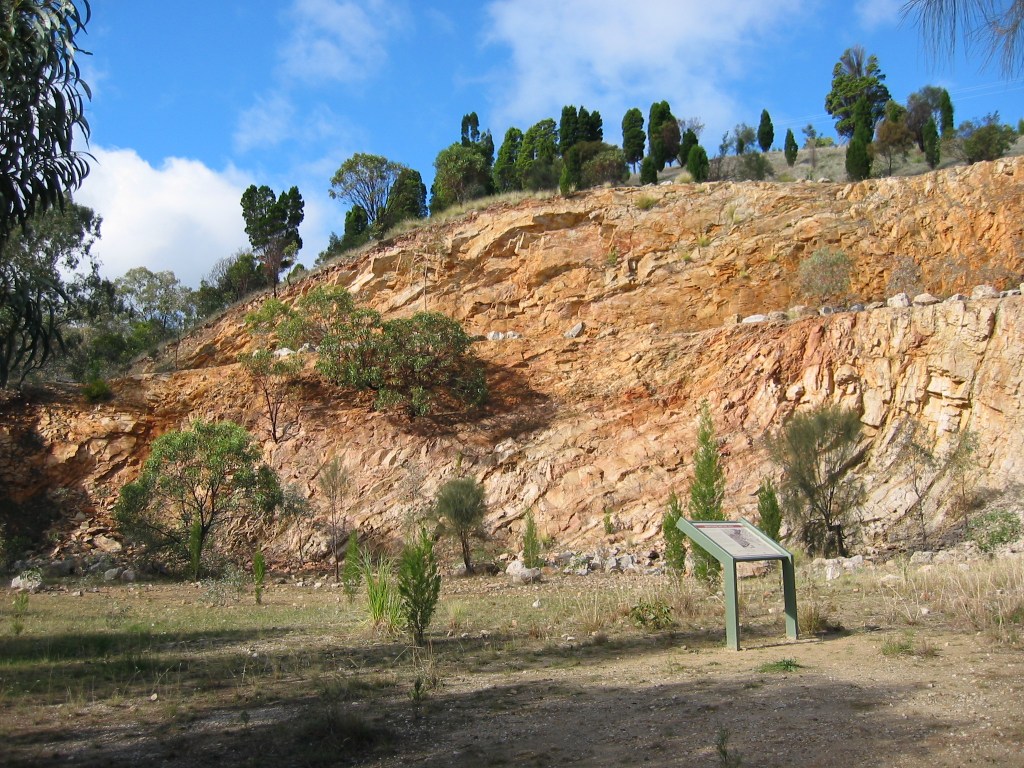
Figure 3 Gun Emplacement (Source HFZCHP 2003)
The extensive sands of the park, which are up to 30 metres deep, have been quarried since the early 1900s for use in concrete and plaster making. These pits closed in the 1980s. Stonyfell Quartzite has also been quarried since the nineteenth century.
4 History of Settlement
4.1 Indigenous History
Little is known about the indigenous use of the Anstey Hill Recreation Park area and at the present time there are no known archaeological or anthropological sites associated with the park. The park falls into the territory of the Kaurna people as identified by Norman Tindale. Like other areas of the Mount Lofty Ranges the area may have used as part of the seasonal migration of the Kaurna people between the plains and the ranges to accesses different food resources and winter fuel.
(Anstey Hill Recreation Park 2001)
4.2 European Colonisation
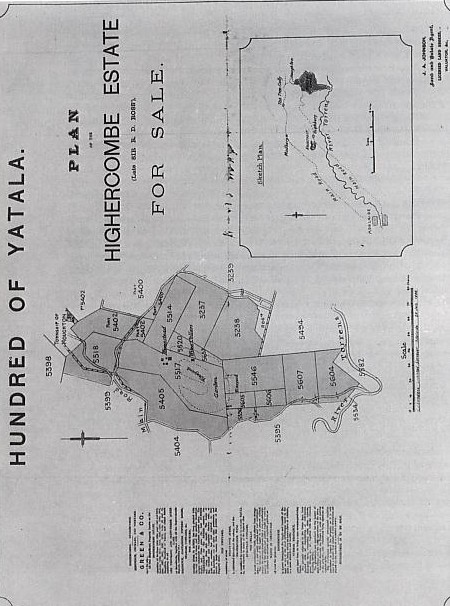
George Alexander Anstey, after whom the park is named, first came to Tea Tree Gully area in 1838. George Anstey came to South Australia from Van Diemen’s Land with sheep for sale as food. His father Thomas Anstey had settled in Van Diemen’s Land after emigrating from England in 1823 and owned a 20,000 acre estate called Anstey Park (Auhl 1993: 52). After scouting out the area of the Little Para River for a suitable site for a sheep run with Charles Bonney, who had overlanded sheep from NSW, Anstey decided to purchase Sections 5517 and 5517 of the Special Survey of the Little Para. These 240 acres which he purchased for £240 were to be the basis of his estate Highercombe (Appendix 1) (Auhl 1993: 17, 52). Highercombe House is located just outside of the Hills Face Zone on the eastern edge of the Anstey’s Hill Recreation Park, however part of Anstey’s estate is encompassed by the park. By 1840 George Anstey had begun clearing, fencing and ploughing his estate and the house was under construction by late 1841. Anstey did not use Highercombe for his sheep flock; they were housed on a sheep run on the River Gilbert in the mid-north (Auhl 1993: 52). Instead he dedicated the estate to horticulture and viticulture and employed George MCEwin, the author of The South Australian Vigneron and Gardner’s Manual (1843) to tend the vineyards, pleasure gardens and a tree nursery for the botanical section of the gardens (Auhl 1993: 58).
Edward Giles in his History of Horticulture said that Anstey was an indefatigable collector of every known variety of grape, which he tested for its suitability for the South Australian climate: “some idea of his labours may be formed when it is stated that he had on his estate three hundred varieties of the vine, properly named which had been obtained from every country where the vine was cultivated” (Giles n.d.: 2). The vineyard covered about 70 acres. Anstey also imported what he considered the best varieties of apple, pear, plum, cherry, fig, walnuts, chestnuts, orange, lemon, loquat, guava and other orchard fruits. The apple orchard which had been planted around 1843, by Giles’s time in the 1870s was producing 2,000 bushels of apples a year.
George Anstey having purchased the land for Highercombe was faced with the problem of accessing his property and with the establishment of his orchard and vineyards of getting his fruit to the markets in Adelaide. There was at this time no consistent pattern to the layout of roads in the colony, rather roads were created to access settlements and followed the route most easily adaptable to the passage of bullock wagons. Auhl notes that the two most important factors determining the construction of roads in this district was the need for a road up and over the Teatree Gully Range and the influence of settler’s such as George Anstey (1993: 63).
In 1841 George Anstey had drawn up a preliminary road route from his property to Grand Junction Rd. By 1842 he had begun construction of his own private road which followed the line of this preliminary road but allowed for the natural couture of the land making construction easier. This road was to become known Anstey’s Rd and the former Highercombe Hill became Anstey’s Hill. The road which was never gravelled runs through part of the present day park. In 1854 the road, which formed part of the southern access route to Houghton (established in 1841) was declared a main road under the Road Act (Auhl 1993: 68). In 1873 the New Road was opened which offered a gentler gradient. This was to become Lower North East Road which forms part of the southern boundary of the present day park.
In 1857 Highercombe Estate, which now encompassed 1,100 acres, was sold to George Marsden Waterhouse, who maintained the orchards, tree and pleasure gardens and extended the vineyards. He in turn sold the estate to Sir R. D. Ross in 1866 and it was sold again to Lorenzo Charles Godwin in 1896 (Auhl 1996: 302, 305).
Quarries and Mines
One of the earliest quarries at Anstey’s Hill was that of Heinrich Kloepper who had arrived in the new colony in 1847 from Hamburg, Germany. Henry Kloepper, he came to be called, owned substantial land holdings in Hope Valley and section 5626 below Anstey’s Hill. By 1850 he had opened a metal and building stone quarry on the section and was supplying under contract metal for the roads in the Highercombe district. The building stone was used to build “bluestone homes” in Adelaide and for kerbing (Barker 2004: 4). After Henry’s death in 1888 his widow and sons continued to operate the quarry.
Other quarries were also opened in the Park area in the nineteenth century and were quarried for blue siliceous dolomite and Stonyfell Quartzite which was used in the construction of the War Memorial, St. Peter’s Cathedral, the Adelaide Town Hall and the General Post Office (Friends of Anstey Hill 2003 web site).
In 1853 mining began on an ironstone outcrop in the park area. The “Ironstone Quarry” was actually a mining operation undertaken for the purpose of supplying flux to the Port Adelaide Copper Smelting Co. It appears to have been worked for a year, and in 1861 a 35ft shaft was sunk at the quarry to reopen it. It continued operation until 1862 by which time the shaft had been sunk to 52ft, and an open cut had been cut 30ft down into the quarry. This in turn had several workings driven into it (Wells 1976: 2).
In 1888 the Ironstone Quarry was reopened by the Tea Tree Gully Silver Mining Company. They intended to mine for silver/lead ore which had been reportedly found with the iron (Wells 1976: 2). Their lease covered 160 acres in the north-east corner of the present park and work began on April 9th 1888. A blacksmith shop was quickly erected and a new road was constructed into the mine. A new open cut was made into the hillside and a vertical adit begun. Having driven in 35ft they encountered the ironstone lode and dispatched 12 tons of iron ore to the Port Adelaide Smelting Works. To facilitate the work a tramway was laid along the adit which was by April 30th 63 ft long. When it was 95ft long the adit met the old workings and the process of sinking new shafts began (for the details see Wells 1976: 3-4). On March 14th 1889 the Inspector of Mines was to record that the mine was a large excavation fully 100 ft in diameter and 30 ft deep with a shaft of 150ft sunk from the bottom of the excavation (Wells 1979: 5).
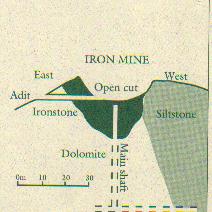
Figure 4 Ironstone Quarry Diagram (Source Anstey Hill Recreation Park Leaflet)
However the mine was not paying its way, it was only producing iron for flux although it offered hopes of copper, silver and gold in places. In debt and unable to raise the money to drive further shafts to possibly reach paying deposits, the company was wound up on July 24th 1889 (Wells 1979: 6).
Newman’s Nursery
Located in Water Gully Newman’s Nursery was to be called the ‘model nursery’. The nursery was established by Charles Newman (Neumann), who had come to South Australia with his parents, brother and sisters in 1844 from Hamburg, Germany.
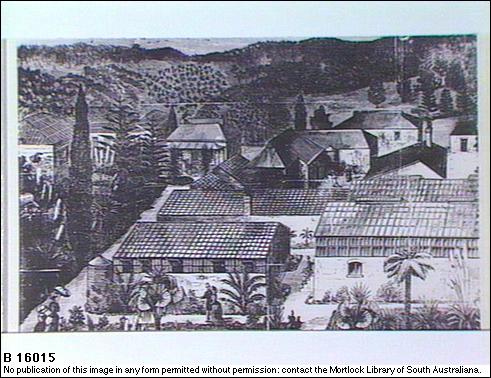
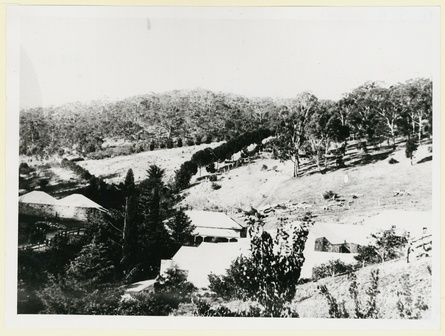
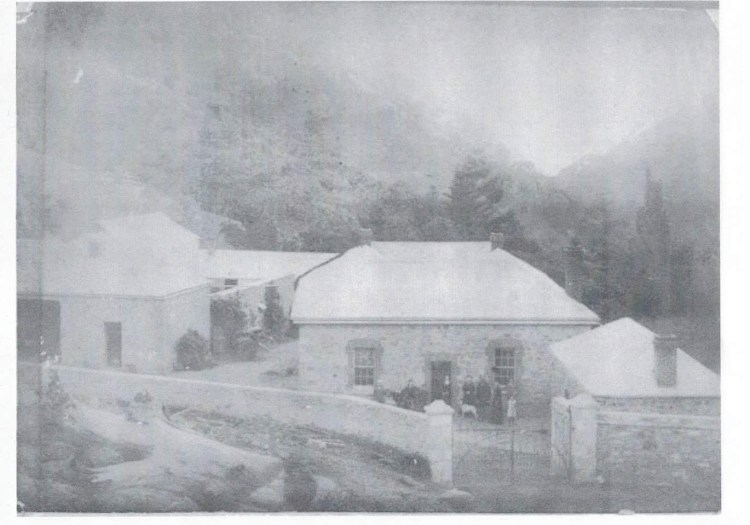
Figure 5 Newman’s Nursery ca. 1860s (Source State Library of SA)
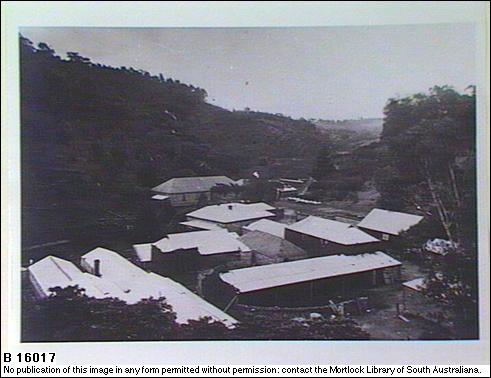
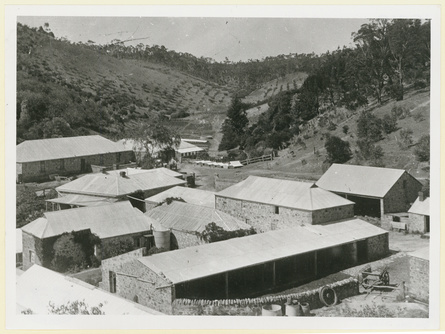
Figure 6 Newman’s Nursery looking towards Water Gully ca 1880s (Source State Library of SA)
The family settled at Houghton on arrival and Carl Vincent Newman purchased 24 acres of Section 5516 adjoining Black Hill Rd in 1850. Charles, after being attracted like many to try his hand on the Victorian Goldfields, returned to South Australia in 1854 and purchased his own land – a sixty-eight acre section called Water Gully for £300. The gully was blessed with natural springs and was heavily timbered. Newman cleared the property initially to lay out a garden and orchard (History of Water Gully). By 1856 he had built a house and he married Mary Ann Bales in 1857 at Holy Trinity Church, Adelaide. Mary was the daughter of the licensees of the Tea Tree Gully Hotel and had been born in Adelaide (Brittle File). Over time Newman developed the property and increased the size of his holding to 500 acres. He had purchased sections 5548 and 5608 on the steep southern side of Anstey’s Hill in 1866 (History of Water Gully).
The following description comes from the History of Water Gully, and from photographs and drawings held by the State Library of South Australia reflects the cottage and nursery circa 1871: “His cottage was constructed of stone with an attic of slabs plastered with pug made from pom clay from the hillside. The main wall was built against the hillside and the point faced onto a creek. There was a thatched gable roof lined with sacks sewn together and whitewashed with lime, which they burnt from stone quarried on the section. Most of the cooking was done in a camp oven, standing in a big fireplace at the end of the cottage. The rest of the property consisted of an office, a dining room, a sitting room and underneath, a big walk-in cellar which could be reached from the outside. There were two fern houses, there was a soil house, a shade house, and several wells. A cyclamen house was also on the property, and a palm house, with stables behind it and an apple house next to it. A retaining wall reached beyond a terrace (from the house), the boiler room kept the hot house warm with another boiler to heat the glass houses. There was a chaff house to feed the horses, a dairy containing 30 cows, with a laundry along side it.” A potato house, a workman’s sleeping room, packing shed, trolley shed, and a toilet completed the buildings. At this time the nursery was called the Water Gully Nursery.
In 1875 Newman changed the name to the ‘Model Nursery’. While Newman had been exhibiting ‘exotic plants’ at horticultural shows by 1871, the name change may have been a promotional opportunity designed to highlight the specialised nature of some of the nursery’s activities. The Newman’s Nursery activities focussed on the provision of delicate and rare exotic plants with six hothouses fed by hot pipes providing a home to 300 varieties of orchid, seven of which were hybridised by Newman himself (Model Nursery). The Nursery did not rely on just these plants but grew vegetables for market and provided cut flowers, bouquets, seedlings and wreaths. Brittle (whose great grandfather was Charles Newman) indicates that dairy produce was sold and possible the sheep, cattle and pigs kept may also have provided actual income for the large of seventeen children (Brittle File). An account of the Model Nursery probably from the 1880s or 1890s indicates that there were three shade houses built of stone covered with stout battens, wrought and painted, enclosing 8,000 superficial feet which were filled with ordinary nursery stock of the best quality. There were ferneries which held a diverse collection of plants and the grounds included a rosary of nearly 400 varieties of roses, bulb beds, 90 acres of fruit trees, the scions of which were used for grafting and budding the nursery stock. The nursery stock included 500,000 apple, plum, cherry and other fruit trees; 100,000 orange trees, and 100,000 mostly muscated vines. There was also a walled garden which may have been used to exhibit plants grown at the nursery.
C.F. Newman & Son published catalogues of their plants, imported from overseas new plants and supplied the local and intercolonial markets. They operated a shop at 17 Rundle St, Adelaide and often won numerous prizes at Royal Agricultural and Horticultural Society shows.
In June 1899 Charles Newman was killed after being thrown from his horse after attending a Highercombe District Council Meeting. He left no will and it was decided after some disagreements that his widow would continue the business during her lifetime assisted by her sixth son Frederick Christoff Newman. Bickle notes that Mary ran the business for thirty years but with age, her control over the nursery lessened and the business declined. The business had been mortgaged to purchase land in Western Australia and for the establishment of The Victoria Park Nursery in Perth in the 1890s. In 1913 two flash floods, one in the spring and the other in the autumn swept down Water Gully severely damaging the nursery (Brittle). One disastrous rainstorm breaking over Anstey’s Hill led to two inches of rain falling in an hour and a half, leading to a flash flood. The six glass houses had their windows broken and the plants were swept away, a 10ft wall protecting the nursery was swept away along with the stock of fruit trees. Between 4,000 and 5,000 pot plants were lost, the heating apparatus was damaged, and two houses flooded. A 400 gallon tank was washed down the road (History of Water Gully). With damaged estimated at £4,000 the business did not have enough capital to renew its stock base and regain its standing. Frederick Newman left the business to set up his own nursery in Tea Tree Gully in 1925. Harry Newman continued the business until his mother’s death in 1932.
The Newman’s property was sold in 1932 and operated as a dairying and grazing property until 1935 when the next owner purchased it for sheep grazing and anything of value was removed. These included the slate slabs used in the ferneries, shade houses, and potting shed, and even the 70 year old trees that lined the driveway from Anstey’s Hill Rd to the homestead were cut down for case and box making. The buildings were left as walls and foundations. The remains of the nursery’s plants and fruit trees were consumed by the 1983 Ash Wednesday Bushfire (Tea Tree Gully Library “Water Gully”).
5 The Survey
5.1 Survey Methods and Conditions
The survey of Newman’s Nursery and Water Gully was undertaken on a clear, fine day. The party was split into two with two members recording the buildings and the second party walking along Water Gully and other adjacent gullies where any features that were indicative of human modification of the landscape were recorded. The survey of the mine and quarry areas began at the Highercombe Hotel entrance on North East Road, traversed the first quarry area, the silver mine track, the silver mine quarries and the tracks in this area. The other quarries were surveyed in the lower northwest corner of the park near Anstey’s Hill.
5.2 Survey Report
The features identified within the Park form four clusters: the first cluster was located near North East Road in the north-west corner of the park; the second cluster is also near the North East Rd but in the north-east corner of the park above Water Gully; the third cluster was located around Anstey Hill itself; and the fourth cluster is formed by Water Gully and the Newman’s Nursery ruins.
5.1 Quarries and Cement Plant
Signs of the industrial activity which occurred in Anstey Hill are still visible. Several of the quarry faces remain exposed today along with the roadways for accessing them. These quarries are most visible in the north-east corner of the park. Features identified in association with these quarries in the north-west area of the park include a levelled platform and a stone wall, which was approximately 40 metres in length and constructed of undressed stone. These features probably represent activities over both the nineteenth and twentieth centuries.
In the area between these quarry faces and the silver mine the survey located a cement plant and a hard slurry pan dating to the twentieth century. A number of features were associated with the cement plant, these included: a concrete chute with a step; a sump box with a lid; a mound of fine white gravel; and an asbestos pipe.
In the north-west area of the park near a second quarry complex the survey team found a twentieth century loading ramp. Features in this cluster included: concrete sections and bearers, metal bearers and a stone wall which may have dated to an earlier period of use of the site. Nearby was a sump and concrete machine foundations with metal fasteners still evident.
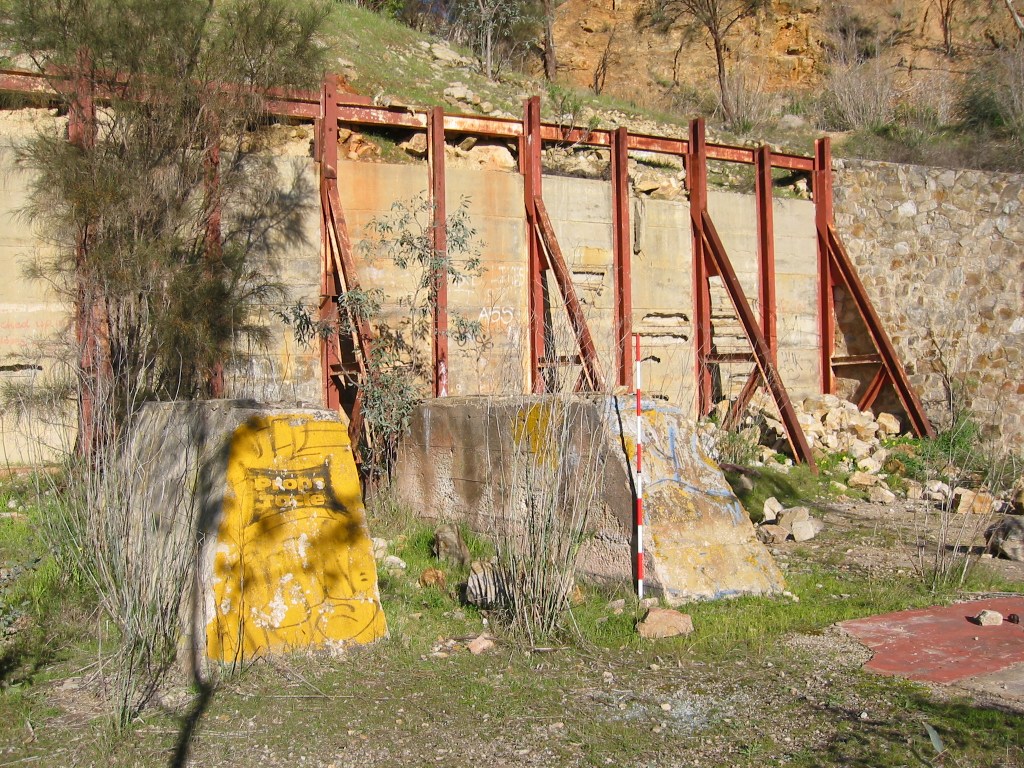
Figure 7 Loading Ramps (Source HFZCHP 2003)
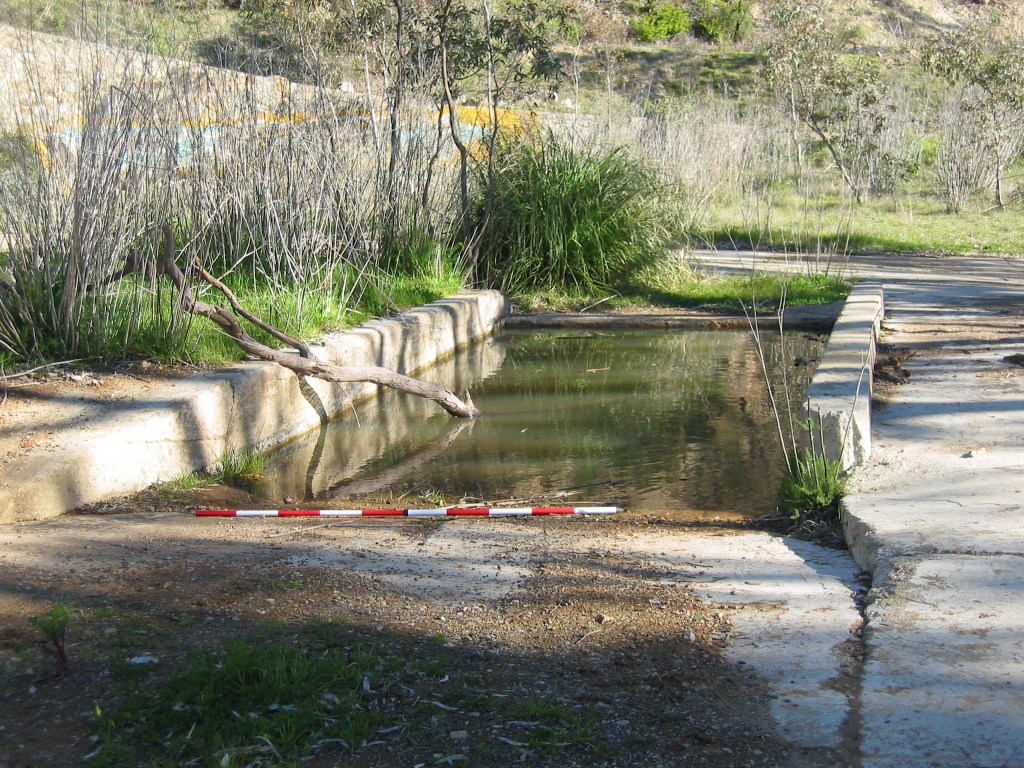
Figure 8 Sump (Source HFZCHP 2003)
In the vicinity of the loading ramps was a large concrete tank on the floor of the quarry and a pipe outlet was evident lower down the quarry floor.
5.2 Silver Mine
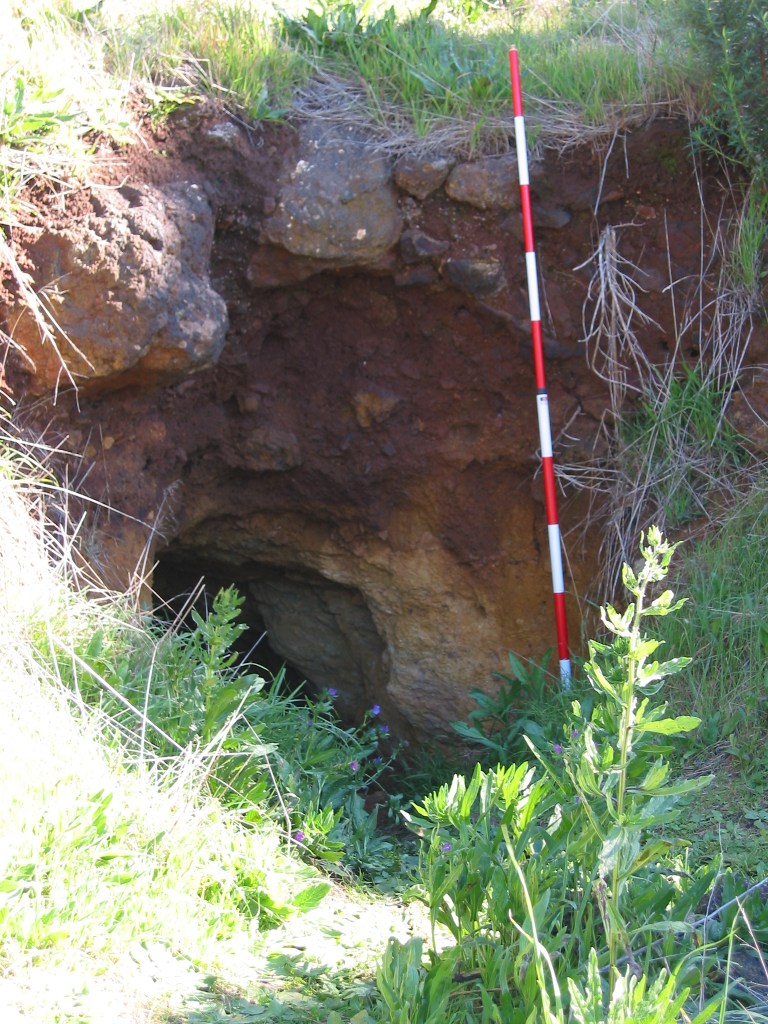
Figure 9 Silver mine shaft (Source HFZCHP 2003)
The silver mine and the activities associated with it can still found today on the landscape. Features to be found include the open cut, the adit, shallow pits, excavations and a shaft. Many have filled with rubbish today. The waste dump (mullock heaps) of the mine can still be seen.
5.3 Ellis Cottage and Bakery
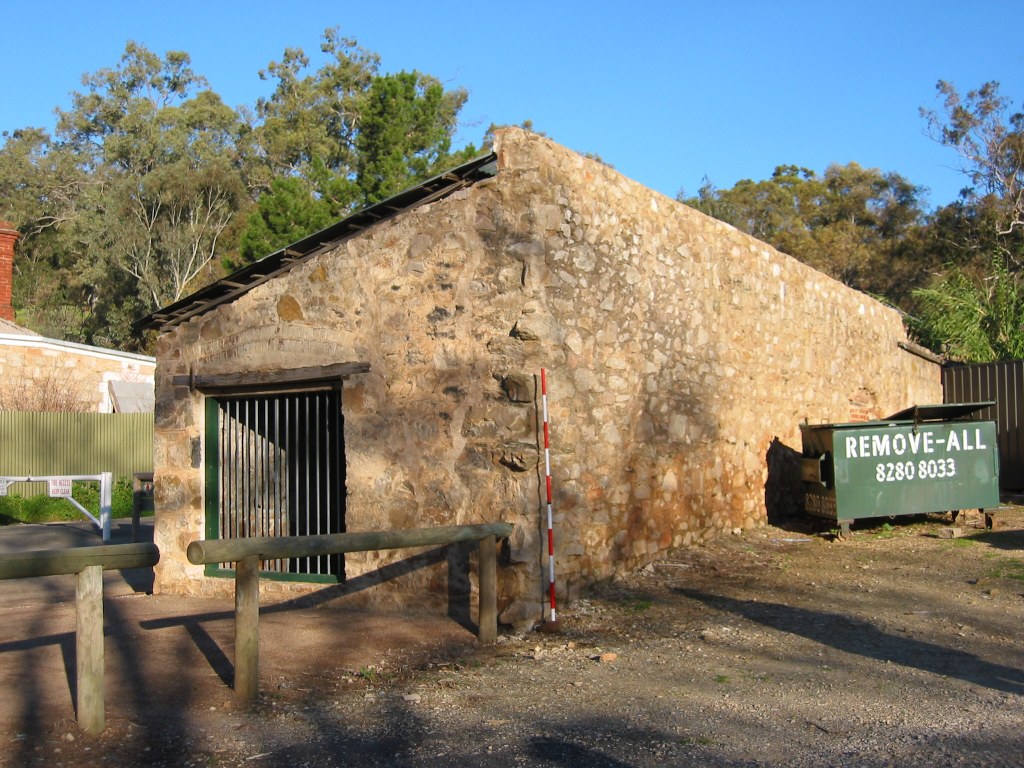
Figure 10 Bakehouse (Source HFZCHP 2003)
The Ellis Cottage and Bakehouse, which are located near the corner of Perseverance Rd and North East Rd, were part of the original township of Tea Tree Gully (Section 5629, Hundred of Yatala). Both buildings are constructed of locally quarried stone, and the cottage has brick quoins. The bakehouse has retained its original shingle roof, while the cottage originally had a timber floor and had a plastered interior. The cottage since 1999 has been re-roofed and metal bars have been placed in the window and doorways to protect the buildings.
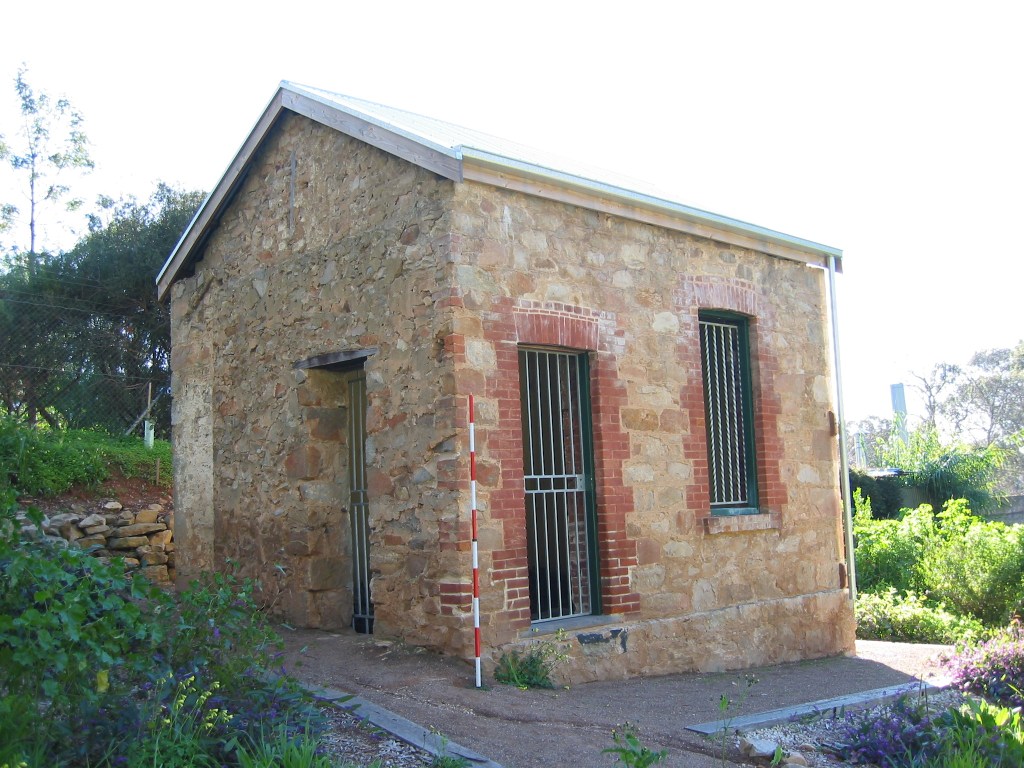
Figure 11 Ellis Cottage (Source HFZCHP 2003).
5.4 Walled Enclosure
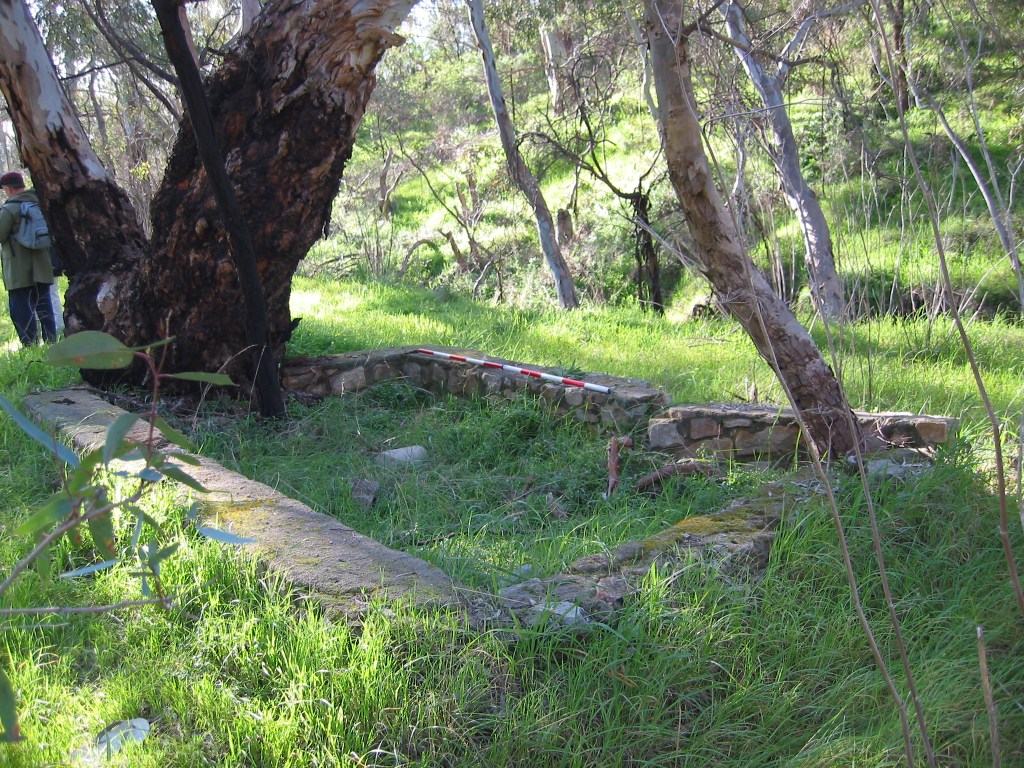
Figure 12 Walled Enclosure (Source HFZCHP 2003)
This interesting feature is located between the Ellis Cottage and Bakehouse and the loading ramp and water tank up in the quarries. It has a mortared stone walls and is 5 metres in length, 3 metres wide and 50 cms in height. The top has been rendered. Its purpose is unclear at the present time.
5.5 Kloepper Quarry
One of the earliest of the Anstey Hill Recreation Park quarries, this quarry can be found in the cluster of features found in the south-west area of the park. The features are located near the original Anstey Hill Roads created by George Anstey. Apart from the quarry other features identified in this area included a man-made ditch 8 metres long by 3.6 metres wide with a depth ranging from 0cm to 1 metre; and a man-made trench 42 metres in length, 1.5 metres in width and 1.75 metres in depth. There was also a disused dam (27 metres by 25 metres) and cement and iron telegraph pole and a 1 metre section of another pole a metre from the other.
5.6 Newman’s Nursery Ruins
5.6.1 Main buildings
Today the Newman’s Nursery buildings survive as ruins. As can be seen on the plan included as Appendix 2, most of the buildings which can be seen in the historic photographs above and ruins today have been identified although the basis for this identification is not given. Some of the buildings visible in Figure 6 are not identified on the plan. However for this report the survey results will follow the descriptions given on the plan. The majority of the main buildings seen in Figure 6 exist today as partial structures and the footprints of some have disappeared. The site is heavily weed infested and the site would need to be entirely cleared to allow the site to be planned archaeological.
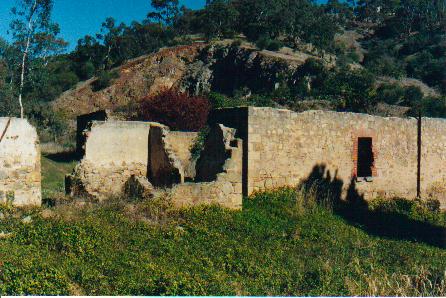
Figure 13 House (right) and Kitchen (left), Newman’s Nursery (Source HFZCHP 2004)
Of the main building complex to the north-west of the track way, several buildings can still be detected. Two walls remain of the harness room; a single wall facing onto the track way along with a small section of the southern wall and the rubble of the other walls are all that remain of the barn. The interior of the barn at some point of time was rendered (Figure 14). This was once a substantial stone building with 3 windows along its longest side. To the west of the barn are a series of steps that may have allowed access from the stables to the other buildings. These extended some distance from east to west and these steps may have served another function within the nursery other than simply access steps.
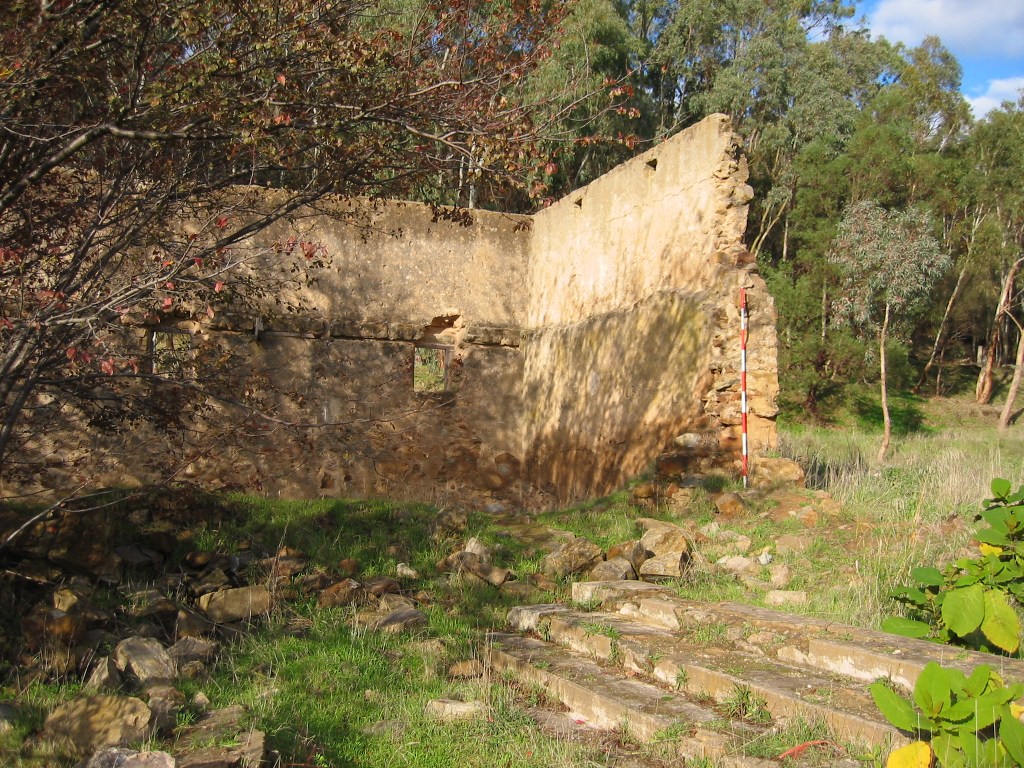
Figure 14 Barn, Newman’s Nursery (Source HFZCHP 2004)
Part of the back wall of the stables remains; from the historic photographs it appears to have been open on its south side.
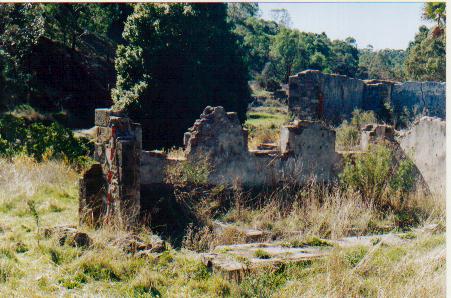
Figure 15 Potting House, Newman’s Nursery (Source HFZCHP 2004)
Within this main complex the walls and foundations of the potting shed remain. This small building appears to have been well lit as three window apertures are visible in its northern wall. The foundations are also still evident. Unfortunately the large building visible in Figure 6 in front of the potting house is not evident although it appears to have been a substantial building. As can be seen in the historic photograph there were four hot houses to the west of the potting shed.
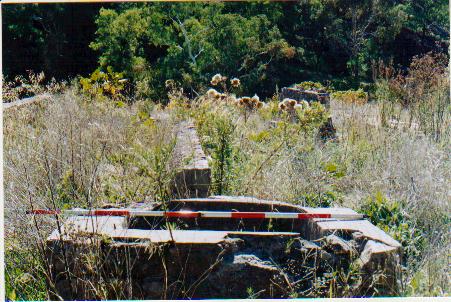
Figure 16 Hot Houses, Newman’s Nursery (Source HFZCHP 2004)
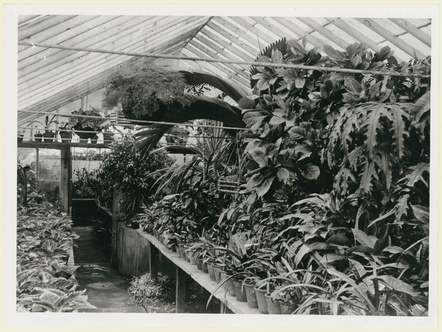
There are several parts of the hot houses remaining today; these include stone platforms that would have provided the basis for the beds for the plants or shelves for the plants. Brick lines are also evident within the hothouses (Figure 18) and may have formed the basis of channels as seen in Figure 16. Of particular interest are the wells that can be found among the hothouses. There are three still intact. One as can be seen in Figure 16 appears to have been at the end of walls. Others are purely circular and of stone construction; these can be found at the end of large stone platforms or benches. While it is known that there was a hot water piped system in use to heat the houses, the role of the wells is not clear. They may have simply been storage wells for plant watering or they may have stored hot water that could then be released as moist steam into the air.
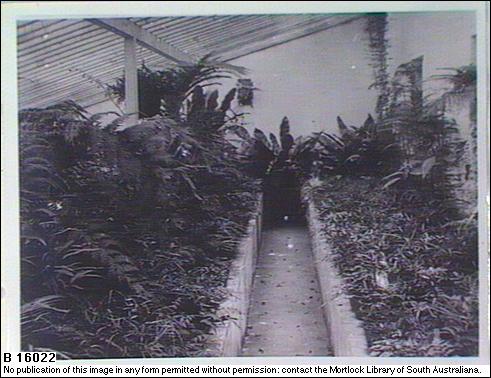
Figure 17 Shade or Hot House, Newman’s Nursery (Source State Library of SA)
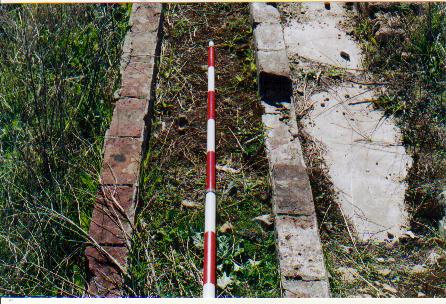
Figure 18 Bricks within the hot house, Newman’s Nursery (Source HFZCHP 2004)
At the southern end of the hot houses was a large tank that would have stored water for the nursery’s use. The majority of the building remains are stone and it is likely that the stone came from local quarries. Brick appears to have been used for window quoins and possibly door ways.
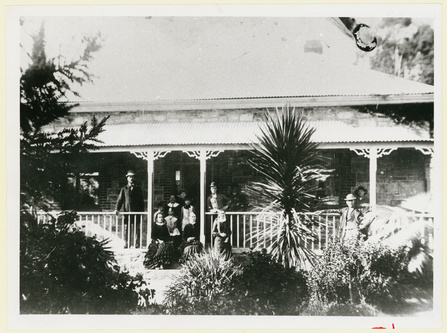
Adjoining the nursery buildings is a building that has been identified as a house. Today parts of several small rooms and the northern wall are still mostly intact. One room contains a large brick fireplace and no windows; the adjoining room contains one window on the northern wall (Figure 19). All of the rooms have substantial walls and the small size of the rooms of the intact rooms may suggest some other use than as living rooms. The historic photo (Figure 6) appears to show the windows on the south side of the building. While another photograph within the State Library of South Australia taken from the east shows the house to be more substantial than readily evident from the overgrown ruins.
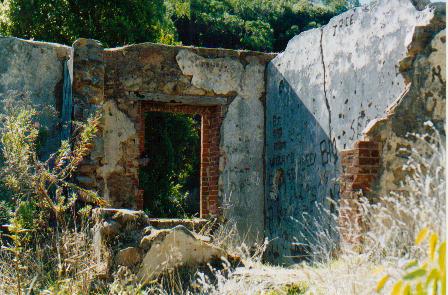
Figure 19 House, Newman’s Nursery (Source HFZCHP 2004)
The building identified as the kitchen and which is located to the north of the house and appears to have two rooms, a larger rectangular room and a very small room. No fireplace is evident, although only part of the walls remains. One of the features is a wall that partly wraps around the eastern end of the kitchen.
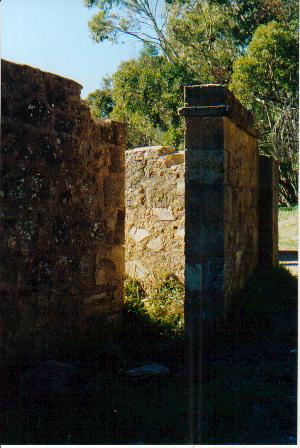
Figure 20 Wall to the east of the kitchen (looking east) (Source HFZCHP 2004)
As can be seen in Figure 20 it creates a narrow opening between itself and the kitchen, and unlike the other walls had architectural detailing. It seems likely that this may be a remnant of the more extensive wall that enclosed this section of the nursery. Such a wall is visible in one of the historic photographs held by the State Library of South Australia, and there appears to have been an entrance gate near the kitchen
Of the building marked pigsty, wash house, and buggy shed on the plan in Appendix 2, there is no surviving evidence and it may have been washed away. The building is visible on the right hand side of Figure 6 and today this area is covered by trees.
5.6.2 Shade House and Cold Frame
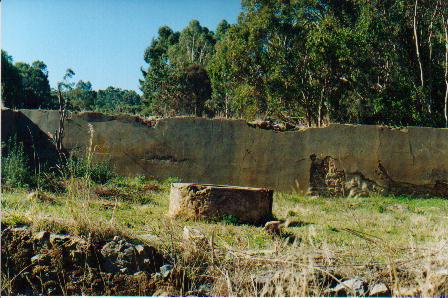
Figure 21 Shade House, Newman’s Nursery (Source HFZCHP 2004)
North of the main nursery complex, and separate from it by a creek and road, is the “shade house’. This is a large stone building that has been rendered on the inside. Located in the centre is a large well similar to those in the hot house. The plan in Appendix 2 indicates that possibly there were two other buildings adjoining it and a dairy. There are no visible remains on the landscape today of these buildings. Although the presence of a well (Figure 23) to the east of this building may suggest that another hot house or something similar may have existed here. On the northern side of the building are the remains of 3 cold frames.
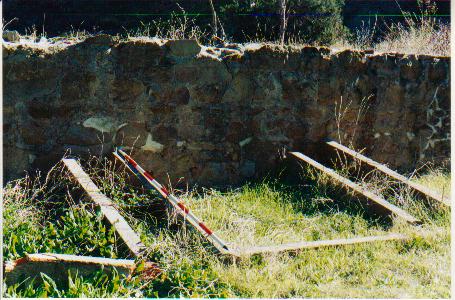
Figure 22 Cold frames, Newman’s Nursery (Source HFZCHP 2004)
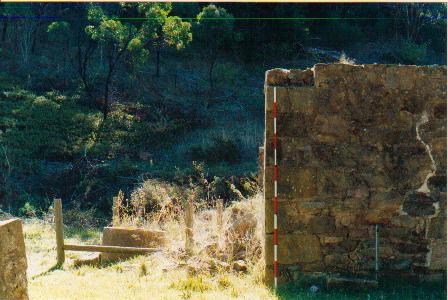
Figure 23 Well outside of shade house, Newman’s Nursery (Source HFZCHP 2004)
5.6.3 Wells
Several walls were identified around the nursery buildings apart from the ones previously mentioned. Two were brick lined and one was located near to the well in Figure 24 and another was across the track from the shade house. A small metal pipe crossed the track way and may have fed the shade house system.
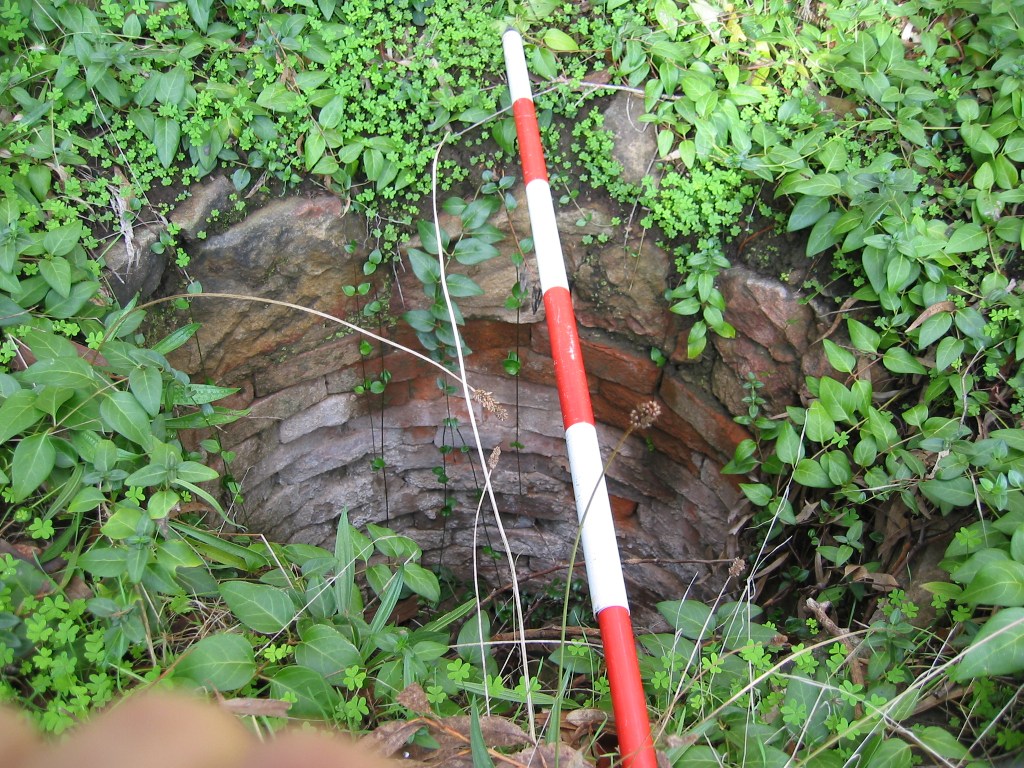
Figure 24 Brick-lined well, Newman’s Nursery (Source HFZCHP 2004)
5.7 Cottage
A two roomed cottage and a water tank were to the north-east of the nursery complex in a small gully. At the moment the site is so heavily overgrown little information about the building can be given here.
5.8 Terracing and Creek Channel
Water Gully as it appears to today shows clear evidence of the modification of the landscape to serve the needs of the nursery. The need to grow substantial numbers of plants and trees has led to the bed of the gully to be artificially flattened to accommodate planting beds (Figure 25). The sides of the gully both north-east and south of the nursery buildings has been terraced (Figure 26) to allow for the cultivation of trees and other plants. Drystone walls often associated with tracks were identified by the surveyors. These probably allowed access to the terraces.
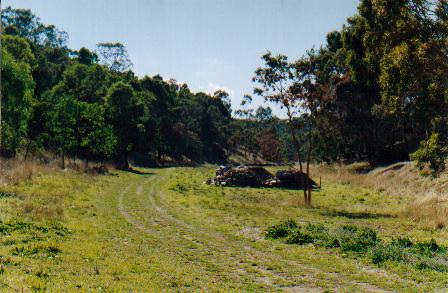
Figure 25 Water Gully looking north-east (Source HFZCHP 2004)
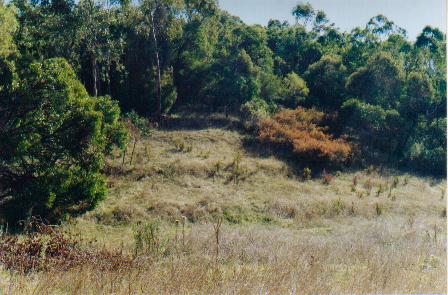
Figure 26 Terracing in Water Gully (Source HFZCHP 2004)
Further evidence of the artificial modification of the landscape is the creation of a drainage system to feed the creek water along the sides of the gully. It is possible to see in places the remains of a square masonry underground channel (Figure 27). Parts of the channel and its associated ditch are intact while other parts have collapsed.
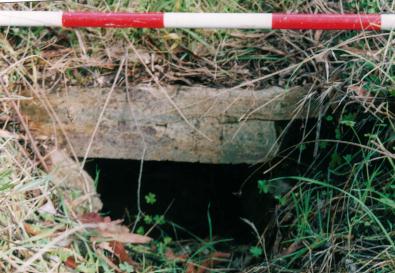
Figure 27 Stone channel, Water Gully (Source HFZCHP 2003)
5.9 Quarry
A large quarry can be found above the Newman’s Nursery complex and is visible in Figure 13. This quarry is not apparent in the historic photographs of Newman’s Nursery and it probably dates to the twentieth century.
6 Conclusions and Recommendations
The historical remains of Newman’s Nursery in the Anstey Hill Recreation Park form a unique part of the horticultural heritage of South Australia, and represent one of only a few publicly accessible sites of this nature. While the Newman’s Nursery buildings are under the charge of Heritage SA, little is being done to manage the ruins and they are particularly vulnerable to graffiti and people walking over the remains. This report strongly recommends that the ruins be stabilised, the weeds cleared and appropriate signage be developed to interpret the site. Information exists in local history collections yet this information remains divorced from the sites it relates to. The opportunity exists to link local history, the Highercombe Hotel and the nineteenth century historical sites in the park in a way that has relevance to Tea Tree Gully people and other visitors. There is a lack of interpretation for the quarries that form part of the local economy and the areas development. While the Silver Mine and its actual working for ironstone offers further opportunities for informative signage and provides along with Newman’s Nursery a way to humanise the past. By looking at stories rather than simply lists of dates we have the opportunity to enhance the past for people.
References
Anstey Hill Recreation Park – Draft 2001. Authorship not indicated.
Auhl, Ian 1993 From Settlement to City. A History of Tea Tree Gully, 1836-1976, 1976-1993. Tea Tree Gully Council, Modbury.
Barker, Clair 2004 “The Klopper Family”. The Tea Tree Gullyian Vol. 4 No. 6: 2-7
Brittle File on Newman’s Nursery, Teatree Gully Local History Collection, Teatree Gully Library.
Friends of Anstey Hill http://members.ozemail.com.au/~davelane/aboutus.htm
Giles, Edward History of Horticulture. Manuscript held by the State Library of South Australia, dated probably to the 1870s by the library.
History of Water Gully. Unpublished manuscript with no author noted.
National Parks and Wildlife, South Australia Anstey Hill Recreation Park. Department of Environment and Natural Resources Leaflet
The Model Nursery, Houghton. Newspaper account included in the Tea Tree Gully Local History Collection Newman’s Nursery File.
Water Gully. The Story of C. F. Newman and Model Nursery. Tea Tree Gully Library Leaflet.
Wells, Royce 1976 The Tea Tree Gully Mine. Department of Mines and Energy, South Australia.
Appendix 1
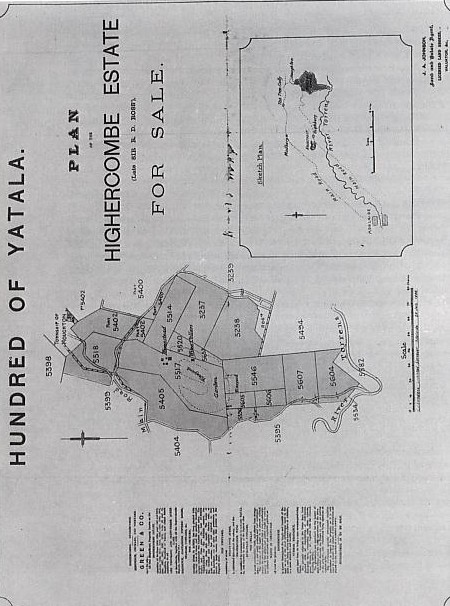
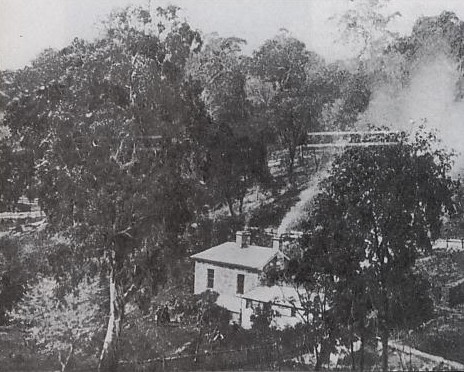
Highercombe Estate Plan and House (Source Auhl 1993: 50, 54)
Appendix 2
Hills Face Zone Cultural Heritage Project
An Archaeological Survey of Anstey Hill Recreation Park.
Report to the Tea Tree Gully Council
By
S. Piddock, P. A. Smith, K. Walshe and F. D. Pate
Department of Archaeology, Flinders University, South Australia
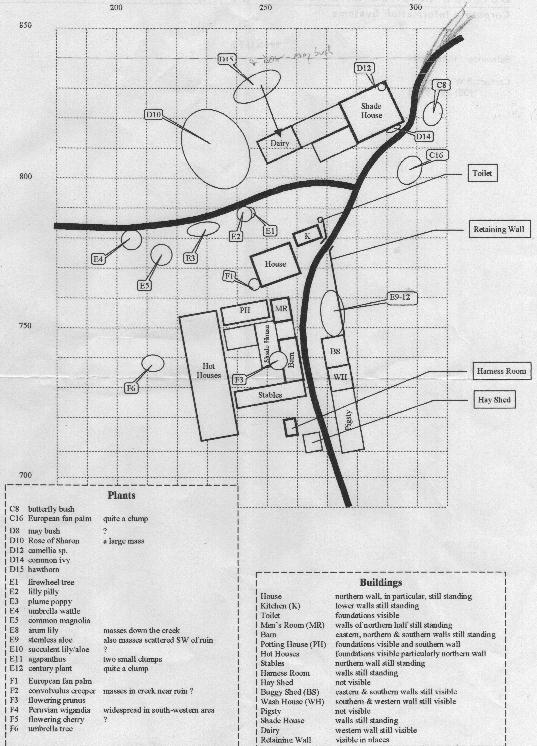
Newman’s Nursery 1860
Plan of Newman’s Nursery supplied by the Friends of Anstey Hill Recreation Park
That has just been a bit of the history of where I was told George William Churchett worked most of his life.
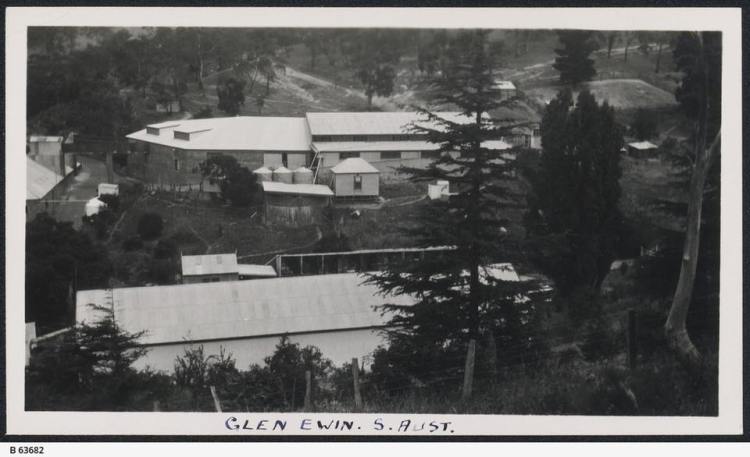
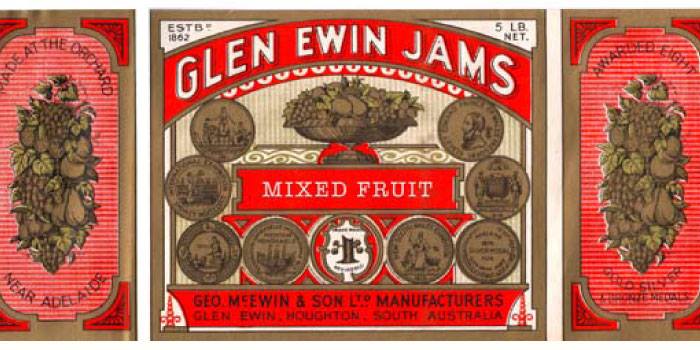
George McEwin and Glen Ewin
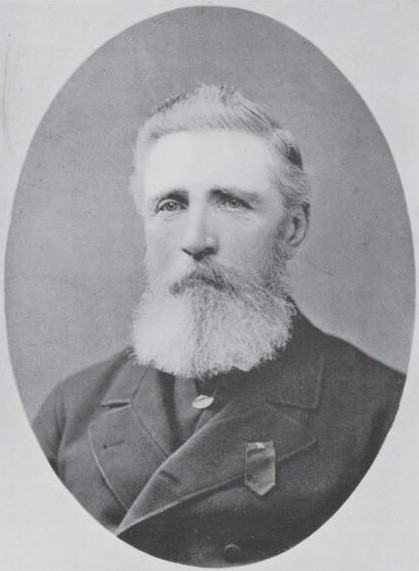
It always came in tins, you had to opened with a tin opener, don’t remember ever seeing it in jars.
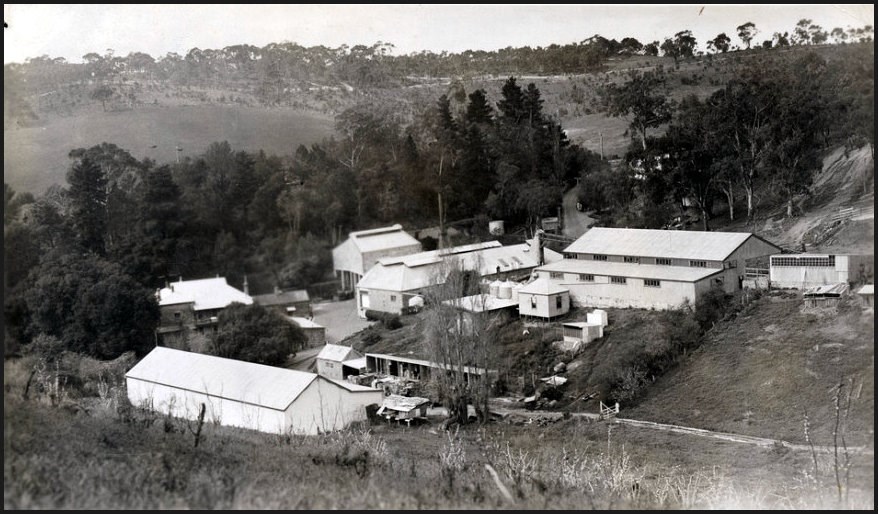
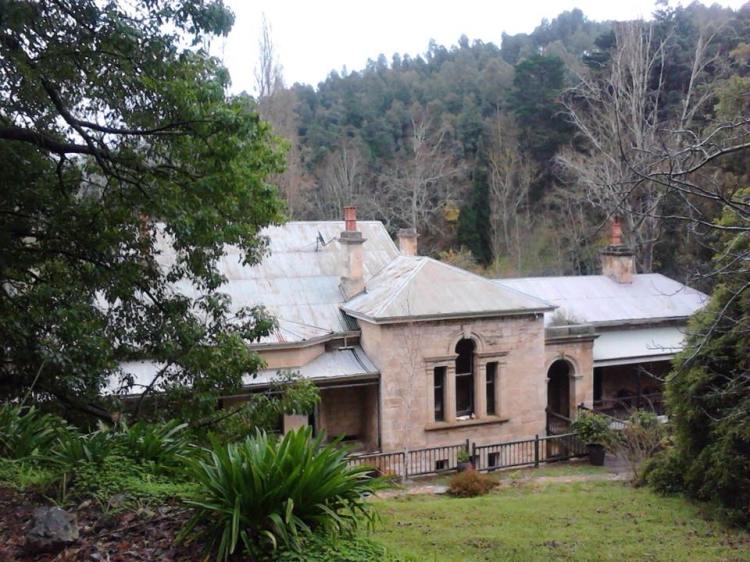
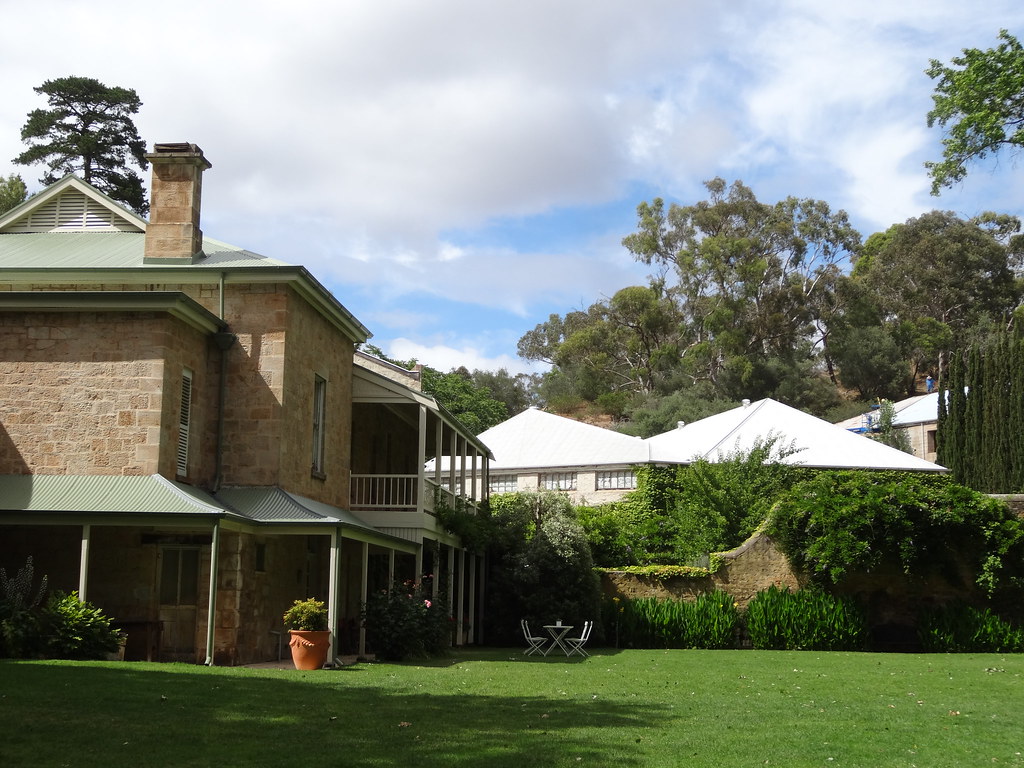
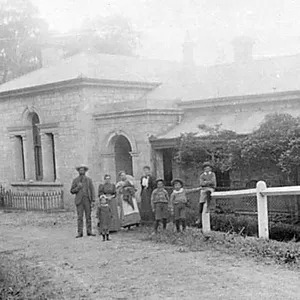
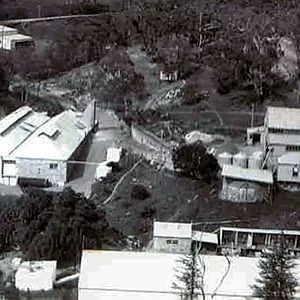
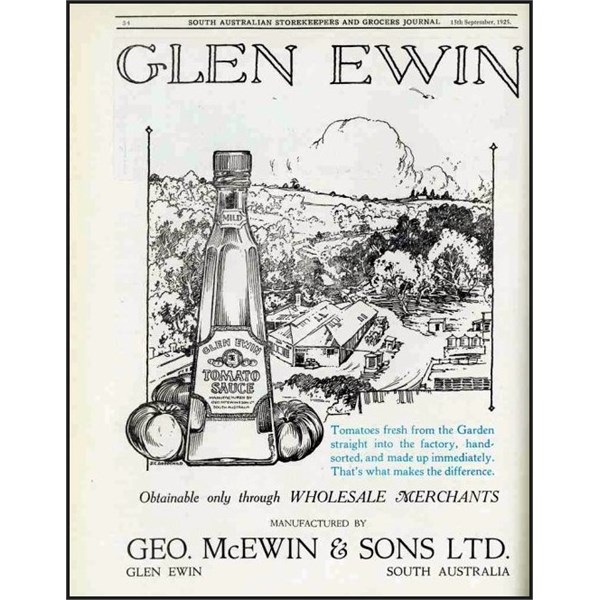
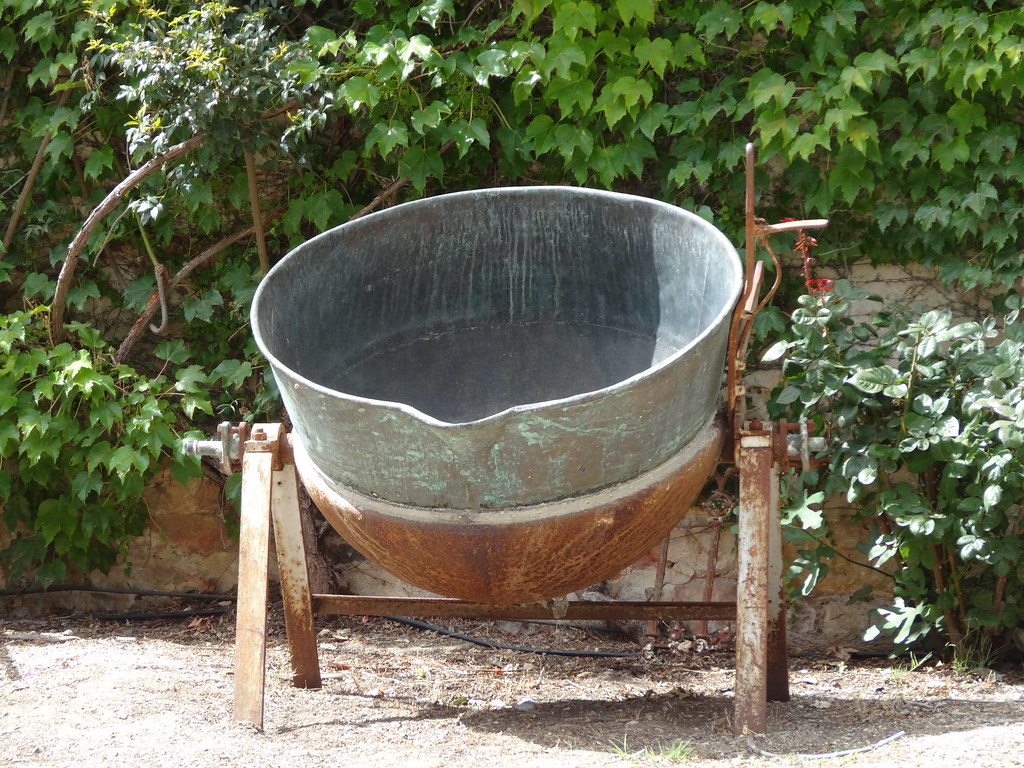
Glen Ewin
In 1843, Scottish horticulturalist and landscape gardener George McEwin arrived in the Tea Tree Gully area to work for George Anstey on his estate, ‘Highercombe’. McEwin was a horticulturist of some note; he was a life member of the Arboricultural Society of Edinburgh and in South Australia he produced a book, The South Australian vigneron and gardeners’ manual, with which he aimed to guide colonists who were facing vastly different climatic conditions found in the colony compared to Britain. McEwin left Anstey’s employ and established his own property, ‘Glen Ewin’, near Houghton in late 1844. Here he planted vines from cuttings obtained from the nearby property ‘Hermitage’ owned by Thomas Williams, established orchards of fruit trees, grew wheat and produced butter.
McEwin established a nursery for trees, vine cuttings and various berries. He commenced commercial production of wine in 1854. In December 1862 he commenced the jam making which would make the Glen Ewin name famous. Glen Ewin was the first large scale jam factory in South Australia. The business flourished and before too long McEwin was using fruit bought from other growers in the area as well as his own. McEwin initially packed the jam in glass jars, but in 1867 began using tins manufactured by another longstanding South Australian company, Simpson (then known as the Colonial Tinware Manufactory). Alfred Simpson himself taught McEwin’s workers at Glen Ewin how to solder the lids on to the cans.
Jam manufacture continued at Glen Ewin under the management of various members of the McEwin family until 1988 when the Houghton factory closed. In the 1990s the Glen Ewin name was revived by the company Glen Ewin Fine Foods which manufactured jams and sauces with the Glen Ewin name but was not associated with the Houghton site. In 1999 Glen Ewin Fine Foods made an agreement with UK company JA Sharwood to manufacture Indian spices and sauces in Adelaide for the local market but went into receivership the following year. From mid-2000 jams were marketed under the Glen Ewin name by the internationally owned Henry Jones IXL and the rest of the Glen Ewin Fine Foods business was taken on by San Remo. Henry Jones IXL was bought by SPC Ardmona in 2004.
The Glen Ewin homestead and factory at Houghton is now used as a function centre and wine storage facility. The connection to the fruit industry has been re-established with the property being home to one of Australia’s largest commercial plantations of figs managed by Willabrand Australia.
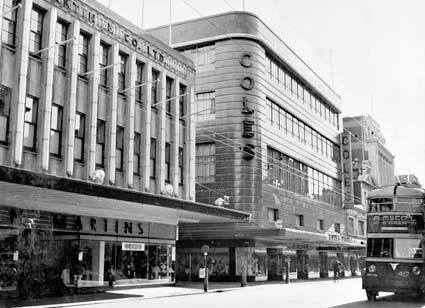
I can remember in the early 1960’s there were no shopping centres like today, Adelaide, in particular Rundle Street was it, Mum used to leave us kids at Home and go to the City to do some shopping, it was never a problem bringing large pacels on the Bowmans Bus, we Knew all the Drivers as well as the owners, the drivers would get out of their seat and help people load things onto the bus, she always brought home a Crispy Horse-shoe roll with Beef and Salad from Coles for me.
You can see the old John Martins building alongside, they started the Christmas Pageant and ran it until they closed.
A funny story about Bowmans Bus Service, I think it was the first car Mick bought, in the late 1950’s, we broke down on the side of the road, when one of Bowmans Buses came along they stopped, hooked us on the back of the bus with a tow cable and towed us home, really must have looked funny, a passenger bus towing a car.
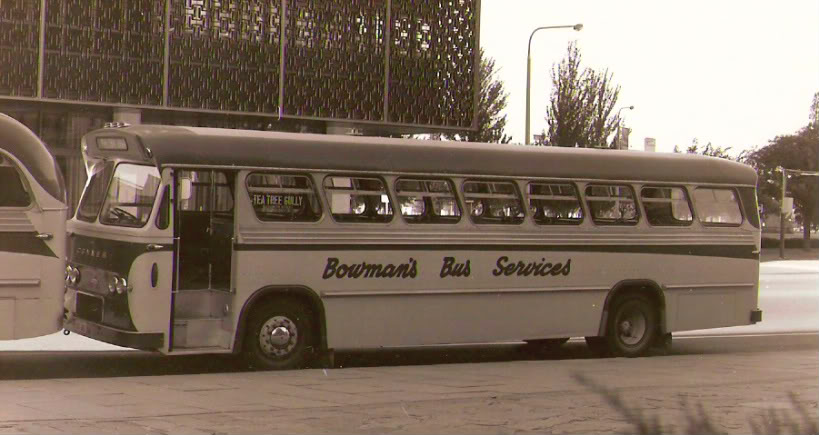
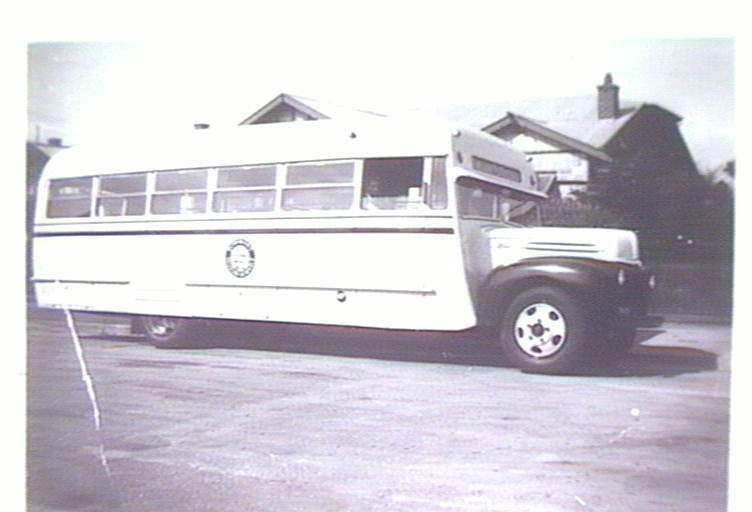
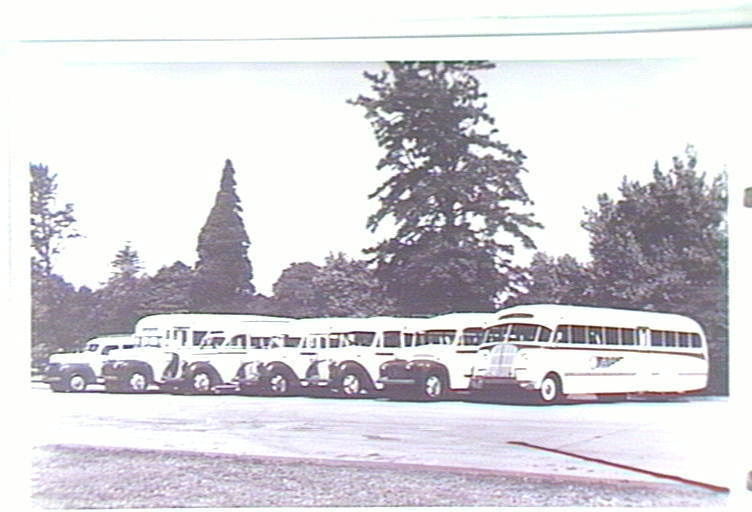
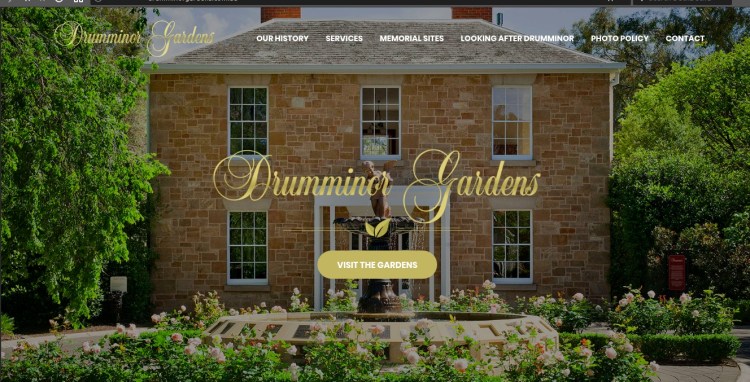
Screenshot taken from their Web Page.
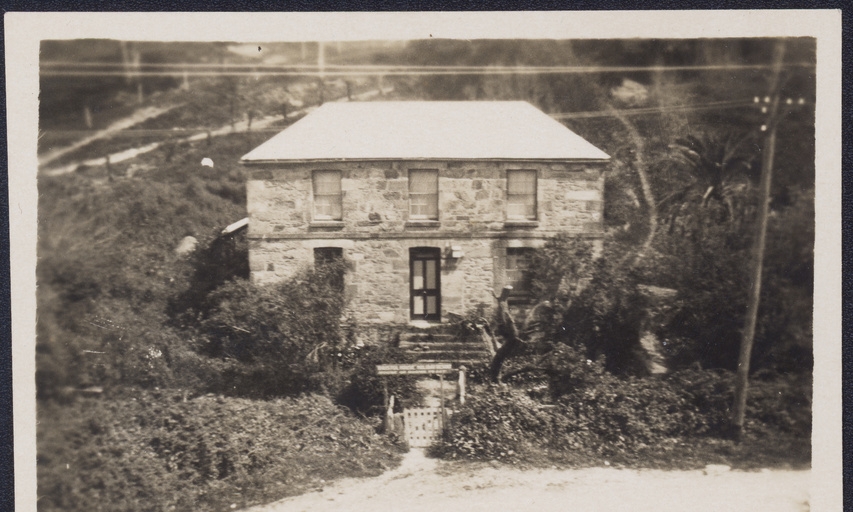
Drumminor Gardens House was built in 1843 by Robert and Alison Milne, who had recently immigrated from Scotland. The home was named after Drumminor Castle in Aberdeenshire, Scotland and has been crafted from local stone and covered with slate tiles imported from Wales. The Milne family continued to live in the home up until 1937.
Drumminor is regarded amongst locals as one of the most distinguished original homesteads of the Tea Tree Gully area and has been home to one of Adelaide’s award-winning fine dining restaurants.
This historical site is listed on the State Heritage Register and the cemetery has been designed to enhance and complement the original Drumminor home. Granite is sourced from a variety of locations across the world to ensure that each memorial garden is unique and complementary to its surroundings.
If you were to wander around the old Cemeteries of the Old Tea Tree Gully Council area, such as Golden Grove, Hope Valley, Houghton etc., you will find quite a number (I would estimate well over 40 all up) of our ancestors in the Phillips, Churchett and Hockey lines, for the beginning of the Adams line you have to travel to Callington Cemetery, Where Israel Adams is buried with Willhelmina Augusta Henrietta (Spangler) and 7 of his 13 Children, I also believe Friedrich Spangler, and Johanna Spangler (nee Bittner) are Buried with them as the plot is listed under the name of Spangler, and they both died 50 to 70 years before.
The Adams,Spangler, Churchett and Phillips Families First Arrived in South Australia in The 1840’s and 1850’s
Israel Adams after arriving in SA, according to the Web Page “Adelaide Hills-Local Identities Lived In Littlehampton for SOME time before moving to Kanmantoo, I don’t think he lived there very long myself all the records indicate he spent MOST of his life in SA in Kanmantoo, although he apparently lived in Stepney for Awhile and at one stage Glenelg, and Died at Military Road South, Semaphore.
Friedrich Spangler and Family appear to have moved to Kanmantoo, soon after Arrival in SA on 29/10/1846, Friedrich Died in 1850, there appears to be some links to the Spangler Family that lead to New Zealand. Friedrich’s older sister, Johanne Christian Wilhelmine SPENGLER, also came out on the same ship with her husband George August William MAY to South Australia.
The Churchett Family is something of a mystery, apart from a simple statement I have seen on the Death of George William Churchett Senior, the only other references are to Houghton and their home at Seaview.
AN UPDATE
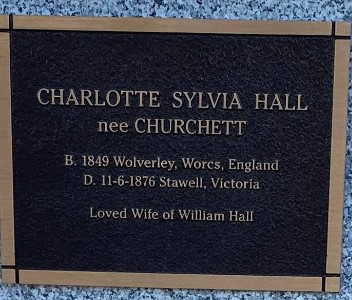
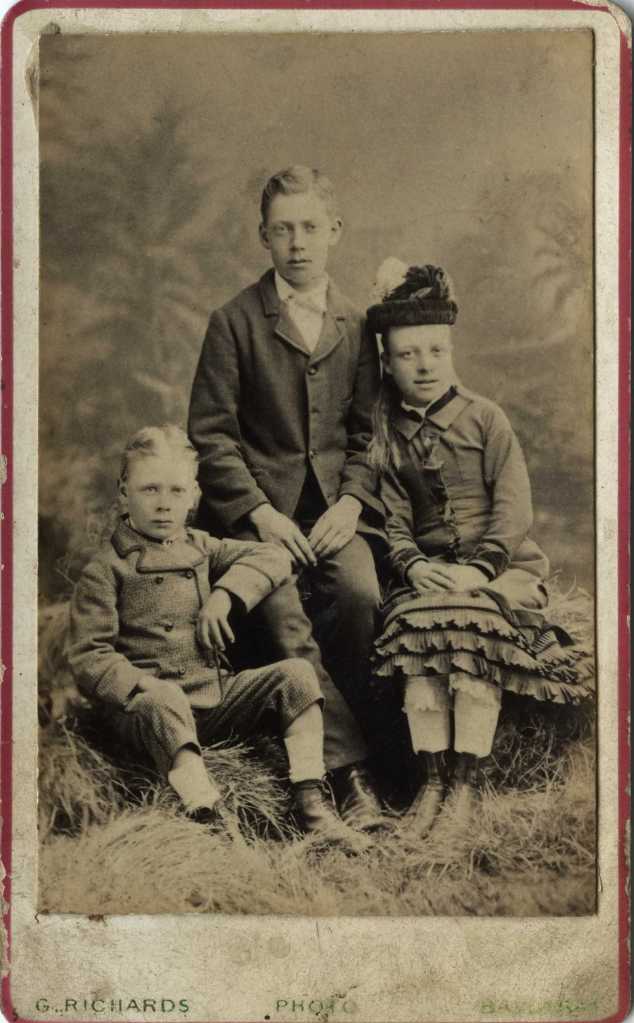
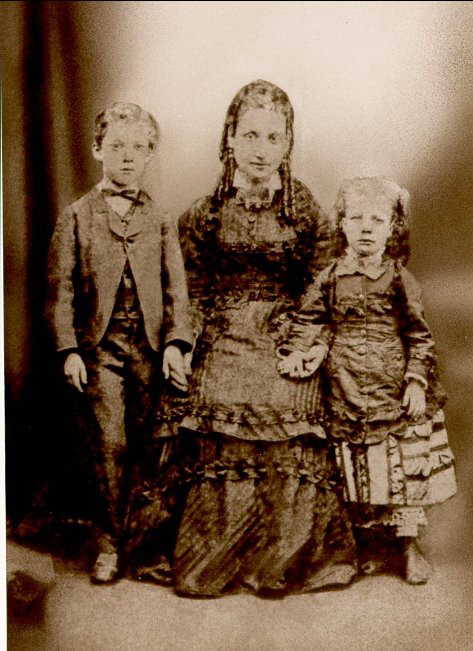
The reference to George William Churchett Senior appears to be a mistake, it was actually George Higgins Churchette, who was actually George William Churchett’s Grandfather, who bought George William to South Australia in 1876 after the Juniour George’s Mother Charlotte Sylvia Churchette died that year in Stawell Victoria, Charlotte became pregnant with the juniour George at about the age of 14, several years later marrying a William Hall in Ballarat 18th January 1867, having 3 more children before she died, it appears William Hall didn’t want George juniour around at that stage, so his grandfather took him to S.A., Highercombe in particular for a new start, and apparently changed the spelling of the name and relationship. I have traced the Churchett line back to a George Churchyard (1732 to 1785) from Shrawley, Worcestershire, England.
Charlotte’s Grave Marker.
CHARLOTTE’S Three younger children.
Charlotte Sylvia Churchette/Hall and two of the Hall children.
Charlotte Sylvia’s Death Certificate.
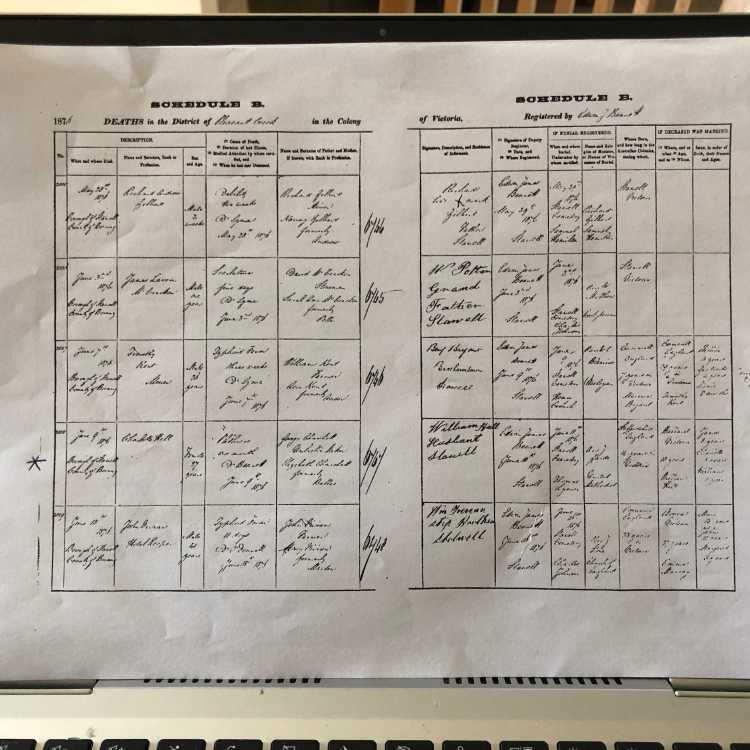
The Tea Tree Gully Historical Society supplied me with the following information on the Churchett family.
ACKWORTH – (Section 5399 Yatala) at Highercombe.
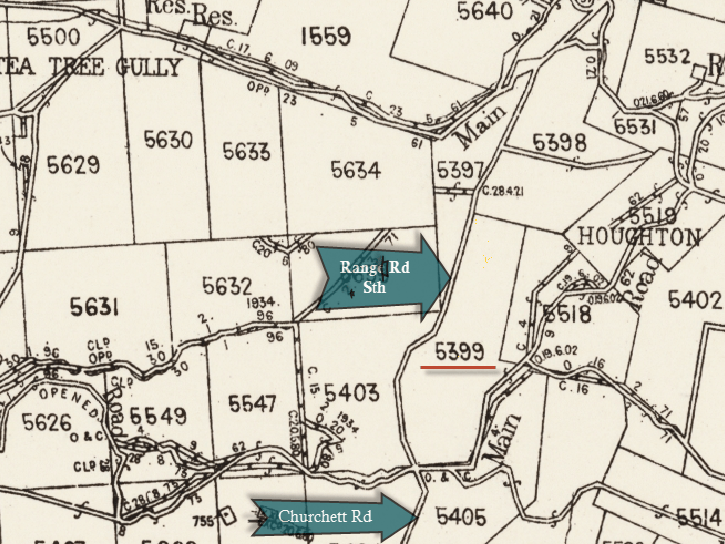
Charles Bennet owned Sect 5399, (Anstey built his house in the Northern part of Sect 5405.)
Charles often tendered to the road board to supply stone for roads in the area. The southern part of 5399 is still an active quarry.
Churchett Road
1855 ‘Advertising’, Adelaide Observer (SA : 1843 – 1904), 26 May, p. 1. , viewed 07 Dec 2020, http://nla.gov.au/nla.news-article158103677
PROPERTIES FOB SALE OR LEASE. (With Right of Purchase or otherwise.)
YATALA—Sections 5399 and 5175, near Houghton.
1857 ‘CENTRAL ROAD BOARD.’, South Australian Register (Adelaide, SA : 1839 – 1900), 3 April, p. 3. , viewed 07 Dec 2020, http://nla.gov.au/nla.news-article49766889
An offer by Mr. Charles Bennett, of Ackworth, to cut and make 25 chains of road at the summit of Anstey’s Hill, along the side of Mr. Willes’s section, for a certain sum, exclusive of the culvert, and to complete the work in six weeks, was read, and favourably reported upon by Mr. Hardy. The work was ordered to be advertised for tender it being contrary to the rule of the Board to enter into so large a contract privately. [For this reason we refrain from publishing the amount of Mr. Bennett’s tender.]
1857 ‘CENTRAL ROAD BOARD.’, South Australian Register (Adelaide, SA : 1839 – 1900), 3 July, p. 3. , viewed 07 Dec 2020, http://nla.gov.au/nla.news-article49208926
MR BENNETT’S LAND
Mr. C. Bennett, of Ackworth, applied for payment for two acres of his land on Section 5399, near the 12th mile post, South Branch, North-Eastern-road, taken by the Board.
Ordered to be paid.
1858 ‘Advertising’, South Australian Register (Adelaide, SA : 1839 – 1900), 21 September, p. 1. , viewed 07 Dec 2020, http://nla.gov.au/nla.news-article49782257
FOR SALE, a most Valuable SECTION of LAND situated at TEATREE GULLY, No. 50, containing 90 Acres, with Running Water on each side all the year; bounded by tho Main Road, and joining the thriving Township of Steventon, making it very valuable for Building Sites. Title-Land Grant. Apply
to Charles Bennett, Ackworth, near Houghton.
NOTE: Section 50 is the land NE of the MNE Rd & Milne Rd junction (Pine Pk & Newman’s Nursery). There was (is) a large quarry on the north as you enter the gully, so I presume Mr Bennett was a quarryman!
1859 ‘CENTRAL HOAD BOARD.’, The South Australian Advertiser (Adelaide, SA : 1858 – 1889), 4 February, p. 3. , viewed 07 Dec 2020, http://nla.gov.au/nla.news-article788631
QUARRY RESERVES.
The following letter was read :
“Ackworth, February i, 1859.
“As I am about tendering for the maintenance of the North-Eastern road, I would beg leave to ask if the con-tractor will be allowed to take the stone from the Government quarries, as it will make a great difference in tendering.
“I am. &c,
“CHARLES BENNETT.”
“To the Chairman, &c, of the Central Road Board.
It was stated that the reserves in the districts were under the control of the various District Councils, but that the solicitors to the Board had expressed an opinion that District Councils were not justified in charging for stone used for the purpose of road- making. A discussion ensued as to whether the Act passed last session took away the power in connection with this question, given to the Board by the Act of 1854. ‘
On the motion of Mr. MILNE, the Secretary was directed to intimate to Mr. Bennett and all other contractors that they would be allowed to take stone from the Government quarries.
1870 ‘Advertising’, Adelaide Observer (SA : 1843 – 1904), 22 January, p. 1. , viewed 07 Dec 2020, http://nla.gov.au/nla.news-article158940237
IF the MACHINERY left by Mr. ALFRED HARDY (late Surveyor Central Road Board) at Ackworth, near Highercombe, in charge of Mr. Charles Bennett, about 15 years ago, is not REDEEMED by the 31st of January instant, the same will be SOLD to defray expenses of loan with interest thereon at 12 per cent. CHARLES BENNETT.
1872 ‘Advertising’, Adelaide Observer (SA : 1843 – 1904), 15 June, p. 1. , viewed 07 Dec 2020, http://nla.gov.au/nla.news-article159434893
On MONDAY, June 17, at 12 o’clock. AT HOUGHTON PUBLIC-HOUSE.
LAND. LAND. LAND.
GEO. BIRRELL, Jon., is favoured with instructions to sell, at Houghton Public-House, on Monday, June 17, at 12 o’clock—
All that SECTION, No. 5399, -Hundred of YATALA, situated near Houghton, known lately as the property of Mr. Charles Bennett, containing 107 Acres or thereabouts, with all Improvements erected thereon, comprising Six Roomed Stone House, Outbuildings, and Garden, &c.
Terms very easy.
For further particulars, apply to the Auctioneer, Gawler-place, or Mr. J. E. Martin, solicitor, Queen’s-Chamhers.
NOTE: Did Churchetts buy his property at this time? He was soon selling stone to the council.
1885 ‘HIGHERCOMBE.’, South Australian Weekly Chronicle (Adelaide, SA : 1881 – 1889), 26 September, p. 13. , viewed 07 Dec 2020, http://nla.gov.au/nla.news-article94331301
HIGHERCOMBE.
September 14.— Present— Crs. W. H. . Ind (chair), T. Possingham, and W. Kruse.
Clearing in Hope Valley cemetery completed.
Tenders accepted— 100 cubic yards 2i metal, on Kangaroo Bottom-road, W. Churchett, 5s. 2d. yard ; 60 yards 3 metal and 10 yards rubble,
on Spring Hill-road, W. Churchett, 4s. lOd, and 3s. 2d; 40 yards 2£ metal, on New
Reservoir-road, G.Bauer, 5s. 7d. yard; 180 jards gravel, various places, G. Bauer, 2s. 3d. yard.
Other works to be attended to.
Receipts, £20 17s. payments, £7 12s. 2d.
1910 ‘District Council.’, Chronicle (Adelaide, SA : 1895 – 1954), 24 December, p. 16. , viewed 07 Dec 2020, http://nla.gov.au/nla.news-article89744602
HIGHERCOMBE.
November 28.— Present — All— E. J. Curtis applied for permission to erect a new fence along the line or the present guard fence, on the eastern side of the main road, section 5399, and to extend the line to the boundary fence of Highercombe estate; permission granted, the work to be done to the satisfaction of the council.
The family of Joseph Phillips, after Arriving in SA on 21/03/1849, traveled around SA quite extensively, records show them first around Burra (Kooringa), then at Hamilton near Kapunda, next at the Kadina, Wallaroo, and Moonta area, all copper mining areas, which I guess makes sense coming from Cornwall which is renowned for its miners. Before settling finally in the Tea Tree Gully, Hope Valley and Golden Grove areas.
The family of Jonah Hockey traveled through the Eastern and North Eastern areas of Adelaide before settling in Houghton. They arrived in SA in 1866, the same year one of their children Died at Fifth Creek, near Rostrevor, soon after another child was born at Hope Valley, who died in 1869 at Houghton.
I still have research to do in particular on the Churchett, Uren, and White families.
After further Research, have found, The Spangler Family arrived in 1846 from Bremen, the Phillips Family Arrived in 1849 from Plymouth, Israel Adams in 1855 from Plymouth, the Hockey Family Arrived in 1866 from Plymouth, Plymouth is a large Port in Devon, almost on the border of Cornwall, had a good look around as we were staying only a short distance away in Plympton in May 2016.
Heerjeebhoy Rustomjee Patel, Ship the Spanglers Arrived on 29/10/1846
Pakenham, Ship the Phillips’s Arrived on 21/03/1849
Agincourt, Ship Israel Adams Arrived on 04/12/1855
British Lion, Ship the Hockey Family arrived on 14/07/1866
Family of Steven James Adams 6th Generation
- Steven James Adams, Born 2/06/1979 (the name James was after Cecil James Phillips)
- Kathryn
Children 1
- Ted Adams, Born 4/11/2010, 7th Generation
Family of Shane Bruno 6th Generation
- Shane Bruno, Born
- Kristy Louise Bruno (nee Adams), Born 23/01/1983 (the name Louise has a long association with the Family)
Children 3
- Taylah Elise Bruno, Born 3/01/2002, 7th Generation
- Madison Eve Bruno, Born 22/11/2004, 7th Generation
- Isabella Eden Bruno, Born 22/05/2010, 7th Generation
Family of Gary Gordon Adams 5th Generation
- Gary Gordon Adams, Born 15/07/1954 Married 5/04/1975 (Divorced 5/04/1997)
- Karyn Jane Adams (nee Walshaw), Born 27/03/1957
Children 2
- Steven James Adams, Born 2/06/1979, 6th Generation
- Kristy Louise Bruno (nee Adams), Born 23/01/1983, 6th Generation
Family of Gordon Douglas Adams 4th Generation
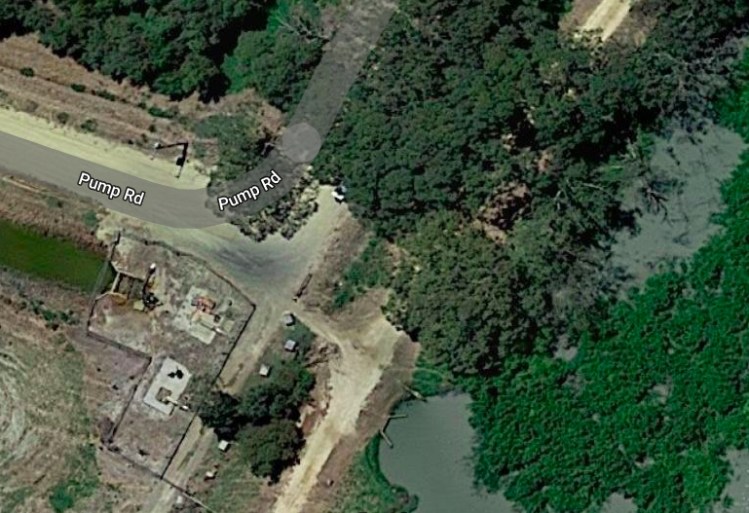
Pump Road comes off Toora Road, Murray Bridge.
Father of Gary Gordon Adams
- Gordon Douglas Adams (Mick), Born 5/10/1923, Magill SA, Married 19/01/1944, Died 16/03/1988, Murray Bridge Soldiers Memorial Hospital, SA, Ashes placed around Gum tree near old pump house Murray Bridge.
- Eleanor Louise Elizabeth Adams (Phillips), Born 21/10/1922, Died 2/02/2014 Lerwin Murray Bridge, SA, Ashes placed at Houghton Cemetery (Close to Rick)
Children 4
- Lynette Kaye Fielding (nee Adams) 5th generation, Born 7/01/1945
- Eric James Adams 5th generation, Born 27/07/1949, Died 30/05/2013 Paracombe Buried Houghton Cemetery (63)
- Gary Gordon Adams 5th generation, Born 15/07/1954 (Mum always claimed the Gordon was from the Phillips Family)
- Phillip John Adams 5th generation, Born 28/07/1957, Died 08/12/2021 Modbury Hospital (64)
Family of Edwin Adams (2nd) 3rd Generation
Father of Gordon Douglas Adams
- Edwin Adams, Born 13/04/1896, Magill SA, Married 25 /07/1918, Died 1984 (88)
- Louisa Emily Victoria Adams (nee Warren), Born 16/01/1897, Wentworth NSW, Died 28/05/1973, SA, Buried Centenial Park (76)
Children 6
- Edwin Warren Adams (Ted), Born 31/03/1920, Stepney SA, Died 4/10/1985 (65)
- Ronald James Adams (Ron), Born 27/06/1921, Stepney SA, Died 2/06/2000 (78)
- Gordon Douglas Adams (Mick), Born 5/10/1923,Magill SA, Died 16/03/1988 Murray Bridge SA, Ashes scattered near old pump shed Murray Bridge (64)
- Evelyn Adams, Born 25/06/1925 Magill SA, Died 17/06/1994 Cambeltown SA (68)
- Kenneth Adams (Kenny), Born26/11/1926 Stepney SA, Died 28/11/1995 Magill SA (69)
- Norma Joyce Adams, Born , 27/05/1928
Family of Cecil James Phillips 3rd Generation
Father of Eleanor Adams (Nee Phillips)
- Cecil James Phillips, Born 10/04/1885 TTG SA, Married Thursday 23/12/1909 Houghton SA, Died 29/11/1946 Mt Gambier SA, Buried at Houghton Cemetery (61)
- Lillian Minnie Phillips, (nee Churchett) Born 10/06/1890 Inglewood SA, Died 16/04/1963, North East Road near Shelley Street, TTG SA, Buried at Houghton Cemetery (72)
7 Burials at Houghton
Children 6
- Reginald Phillip Raymond Phillips (Reg), Born *10/07/1910* Modbury SA, Died 3/01/2000 Modbury SA, Buried at Houghton Cemetery (89)
- Cecil Garfield Phillips (Garf), Born 26/11/1911, Died 3/07/2003 Hope Valley SA, Buried at Houghton Cemetery (91)
- Roy Warwick James Phillips (Warwick), Born 8/02/1914, Died 20/05/1983 TTG SA, Buried at Houghton Cemetery (68)
- Lorna Lillian Warner (nee Phillips), Born 7/05/1918, Died , Buried at Enfield Cemetery
- Eleanor Louise Elizabeth Adams (Ellie) (nee Phillips), Born 21/10/1922, Died 2/02/2014 Lerwin, Ashes placed at Houghton Cemetery (91)
- Richard William Phillips (Dick), Born 29/07/1927, Died 30/09/2006, Buried at Houghton Cemetery (79)
Family of Edwin Adams (1st) 2nd Generation
Father of Edwin (2nd) Adams
- Edwin Adams, Born 28/02/1867 Kanmantoo SA, Married 14/03/1889, Died 14/02/1934 Buried Payneham Cemetery (66)
- Margaret Ann Adams (nee Uren), Born 5/09/1867 Queenstown SA, Died 23/06/1951 (83)
Children 5
- Myrtle Adams, Born 13/05/1890 Magill SA, Died
- Roy Adams, Born 7/09/1891, Magill SA, Died 3/04/1972
- Ivy Adams, Born 25/08/1893 Magill SA, Died
- Edwin Adams, Born 13/05/1896, Magill SA, Died 1984 (88)
- Clement Victor Adams, Born 1/11/1900, Stepney SA, Died Buried Magill? Need to check StGeorge Anglican Cemetery St Bernards Rd Magill
Family of James Warren 2nd Generation
Father of Louisa Adams (nee Warren)
- James Warren
- Emily Ann Warren (nee Cox)
Children 3
- Louisa Emily Victoria Adams (nee Warren), Born 16/01/1897 Wentworth NSW, Died 28/05/1973
- Clairmont Henry John Warren (Monte), Born 20/05/1903 Longwood SA, Died
- Ronald Frederick Owen Warren (Fred), Born 4/05/1906 Hackney SA, Died 25/02/1974 Magill SA
Family of William H.A. Phillips 2nd Generation
Father of Cecil James Phillips
- William H.A. Phillips, Born 23/02/1862 Hamilton SA, Married 16/09/1881, Died 22/05/1920 Buried Golden Grove (58)
Mary Jane Tregeagle 1856-1942 wife of Thomas Edward Phillips, (Brother of William H.A. Phillips)
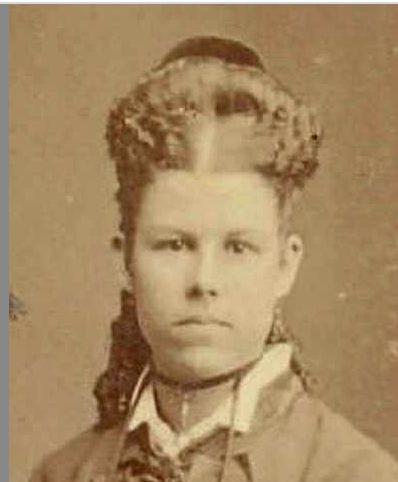
- Elizabeth L. Ann Phillips (White), Born 1860 England, Died 7/12/1942 Houghton SA Buried Golden Grove (82)
Burials 2 Golden Grove, 1 Hope Valley, 2 Houghton 2 Centennial Park.
Children 11
- William Henry Tom Phillips (Bill), *Born 3/12/1881* TTG SA, Died 11/01/1936 (54) Buried at Houghton Cemetery.
- Nellie Lavinia Phillips (Nell), Born 4/06/1883 TTG SA, Died
- Cecil James Phillips, Born 10/05/1885 TTG SA, Died 29/11/1946 Mt Gambier SA Buried Houghton
- Elizabeth Mary Ann Phillips, Born Highercombe 24/08/1887 Died NEED TO CHECK
- James Horace Vaughan St Austel Phillips (Jim), Born 1/06/1889 TTG SA, Died
- Jemima Jane Phillips (Mime), Born 11/11/1891 TTG SA, Died
- Joseph Henry Phillips (Joe), Born 24/07/1894 TTG SA, Joseph Henry Phillips Served on the Western Front First World War, 10th Battalion. AWARDED THE “MILITARY MEDAL” for Bravery in the Field
- Died 10/08/1966
| BIRTH | 24 Jul 1894Teatree Gully, Tea Tree Gully City, South Australia, Australia |
|---|---|
| DEATH | 10 Aug 1966 (aged 72)Murray Bridge, Murray Bridge Rural City, South Australia, Australia |
| BURIAL | Centennial Park CemeteryPasadena, Mitcham City, South Australia, Australia |
| PLOT | East Area, Rose Bed E18, Position 9 |
| MEMORIAL ID | 151345894 · View Source |
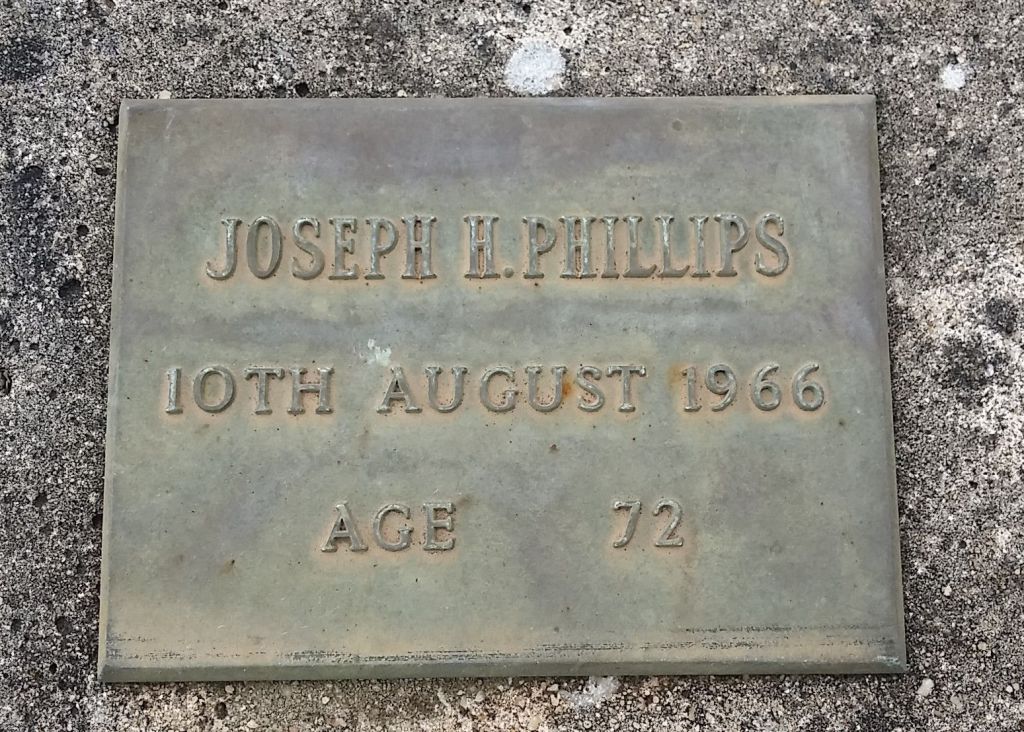
- Alfred Treghain (Alf Tregrehan) Phillips, Born 17/03/1896 TTG SA, Died 29/12 1949 Buried Hope Valley (53) Served on the Western Front First World War, 10th Battalion.
- Gordon Lindsay Phillips, Born 6/05/1898 TTG SA, Died 18/09/1992, Buried Centennial Park.
- Herbert Clyde (Herbie) Phillips, Born 27/04/1900 TTG SA
- Phillip Hugh (Phil) Phillips, Born, 18/08/1904 TTG SA according to Colin Phillips’s letter I have an extra not in his list (Elizabeth Mary Ann Phillips) (Colin was Alfred Tregrehan Phillips’s son)
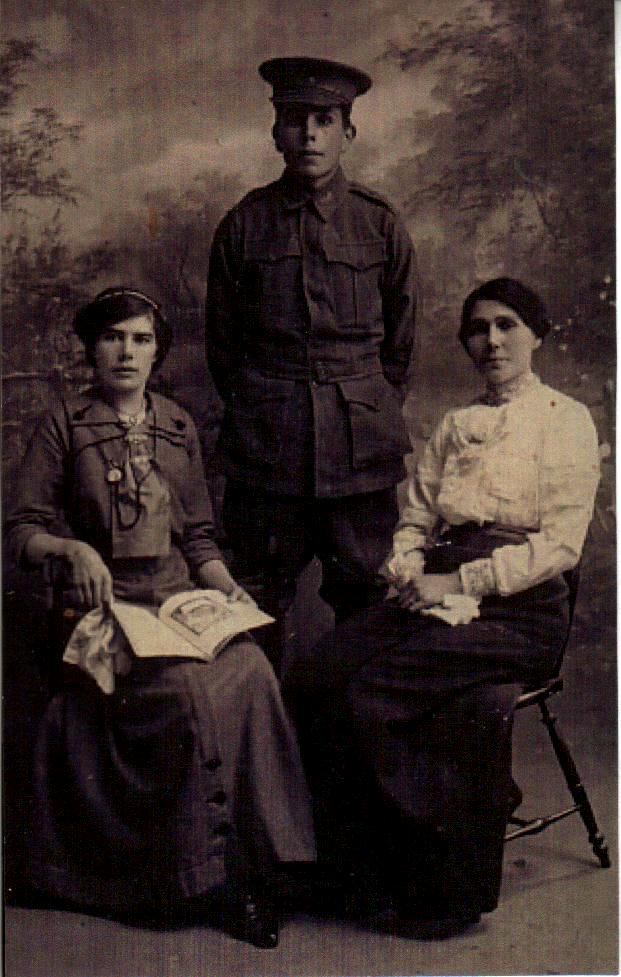
Auntie Mimi Phillips, Uncle Alf Phillips and Auntie Nell Phillips, just before Alf left for the First World War
Family of George William Churchett 2nd Generation
Father of Lillian Minnie Phillips (nee Churchett)
- George William Churchett, Born around 1863 (Houghton SA, NOT TRUE) I suspect around Ballarat Victoria, Married 25/05/1885, Died 9/05/1937 Houghton, Buried at Houghton Cemetery (77)
- Louisa Churchett (Louie) (nee Hockey), Born in July 1864 Somerset England, Died 10/08/1937 Houghton, Buried at Houghton Cemetery (73)
8 Burials at Houghton
Children 7
- Maurice George William Churchett (Morrie), Born 23/03/1886 Houghton SA, Died 28/06/1970, Buried at Houghton Cemetery (84)
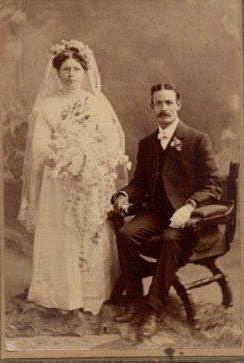
Elizabeth Anne (Lizzie) Stott, and Maurice George William Churchett Wedding Photo
- Lancelot Reginald Churchett, Born 25/03/1888 Houghton SA, Died, Buried at Houghton Cemetery
- Lillian Minnie Phillips (nee Churchett), Born 10/06/1890 Inglewood SA, Died 16/04/1963 TTG SA, Buried at Houghton Cemetery (72)
- Clifford Edwin Churchett (Cliff), Born 28/06/1892 Houghton SA, Died 8/10/1969, Buried at Houghton Cemetery (77)
- Stanley Churchett (Pop), Born 24/02/1897, Ackworth SA, Died 24/09/1983, Buried at Houghton Cemetery (86)
- Ernest Salisbury Churchett, Born 17/03/1901 Ackworth SA, Died 29/01/1971, Buried at Houghton Cemetery (69)
- Ethel Aeriel May Elliot (nee Churchett), Born 16/12/1904, Ackworth SA, (Married Walter Frank Elliot, Highercombe, Book/Page 303/959 1925) Died 1966, Buried Centennial Park. (62)
Ethel Aeriel May Churchett Elliott Auntie Sis
| BIRTH | 1904South Australia, Australia |
|---|---|
| DEATH | unknown |
| BURIAL | Centennial Park CemeteryPasadena, Mitcham City, South Australia, Australia |
| PLOT | General AD, Path 4, Grave 215 |
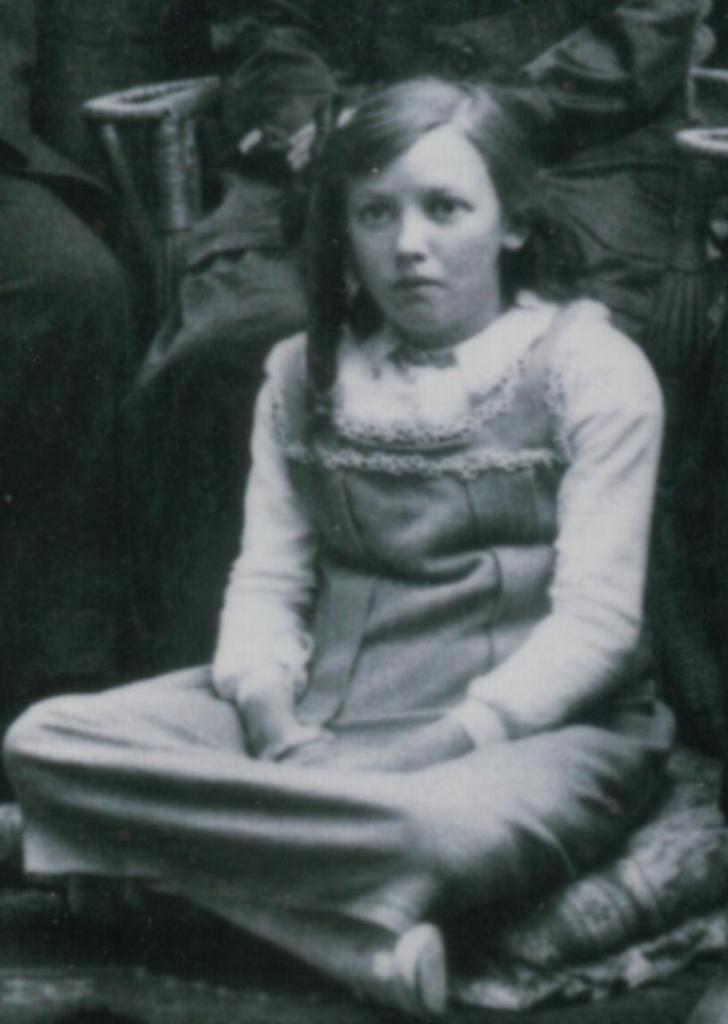
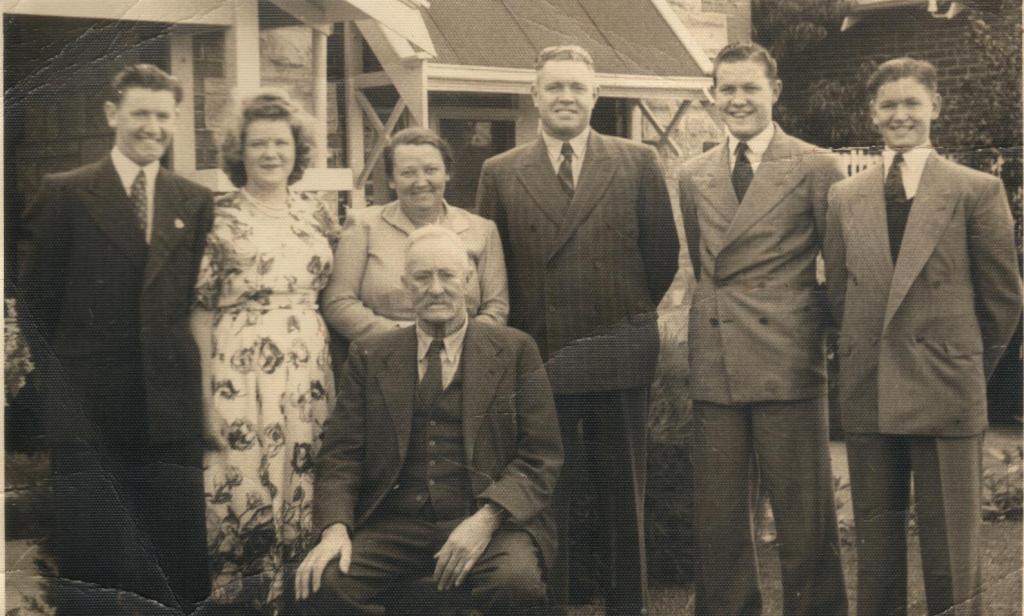
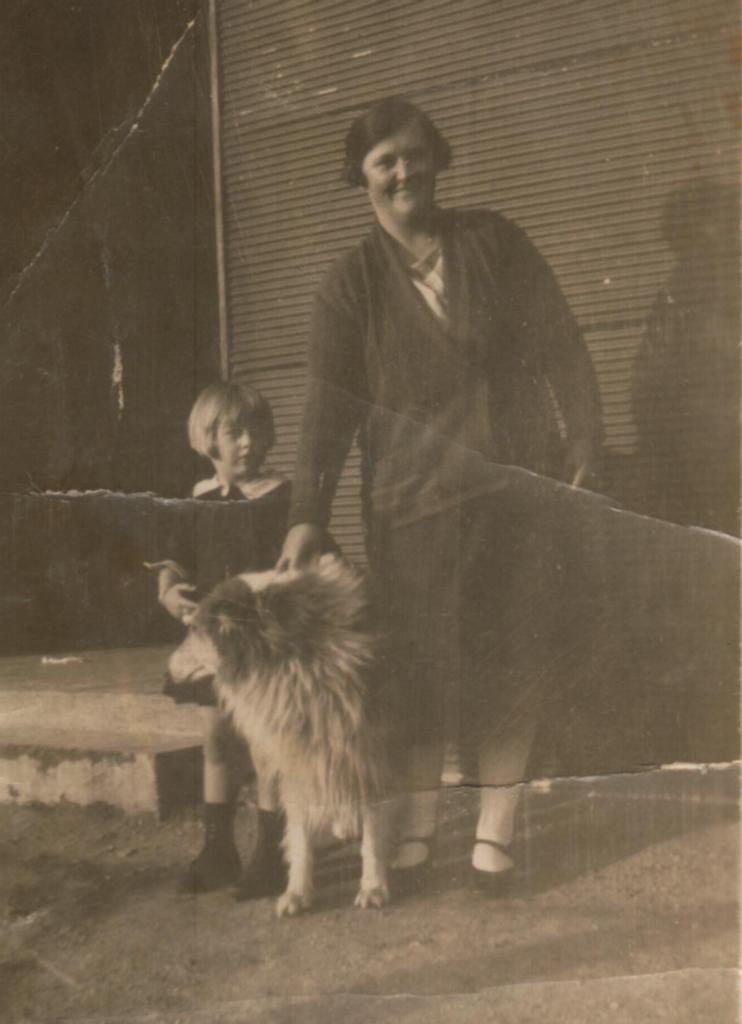
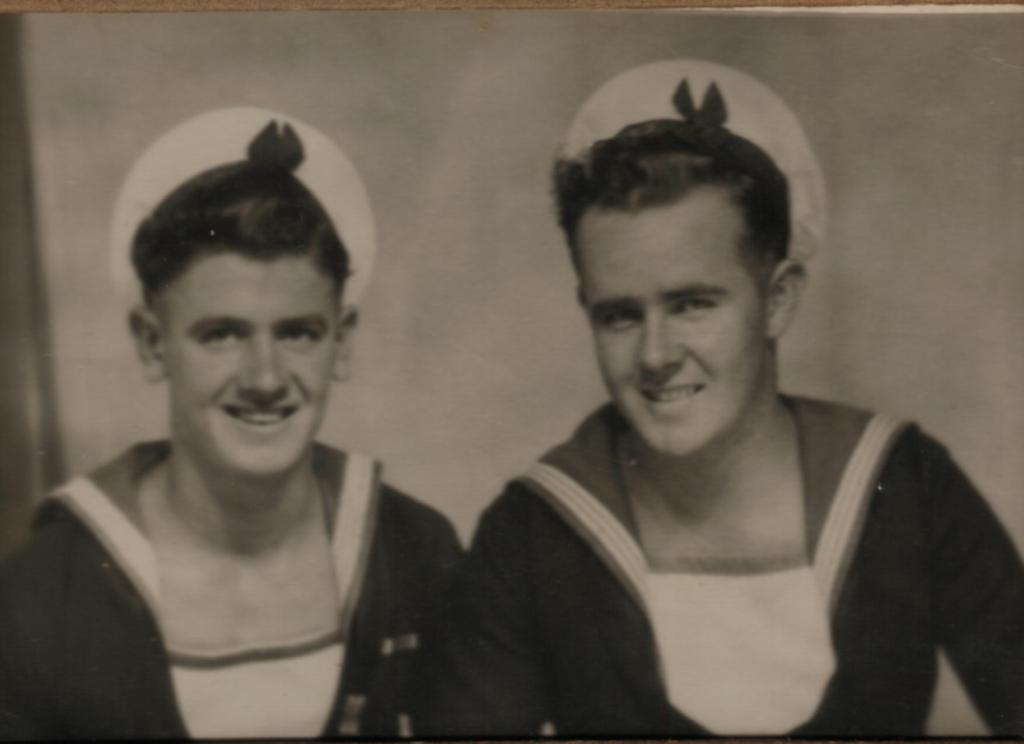
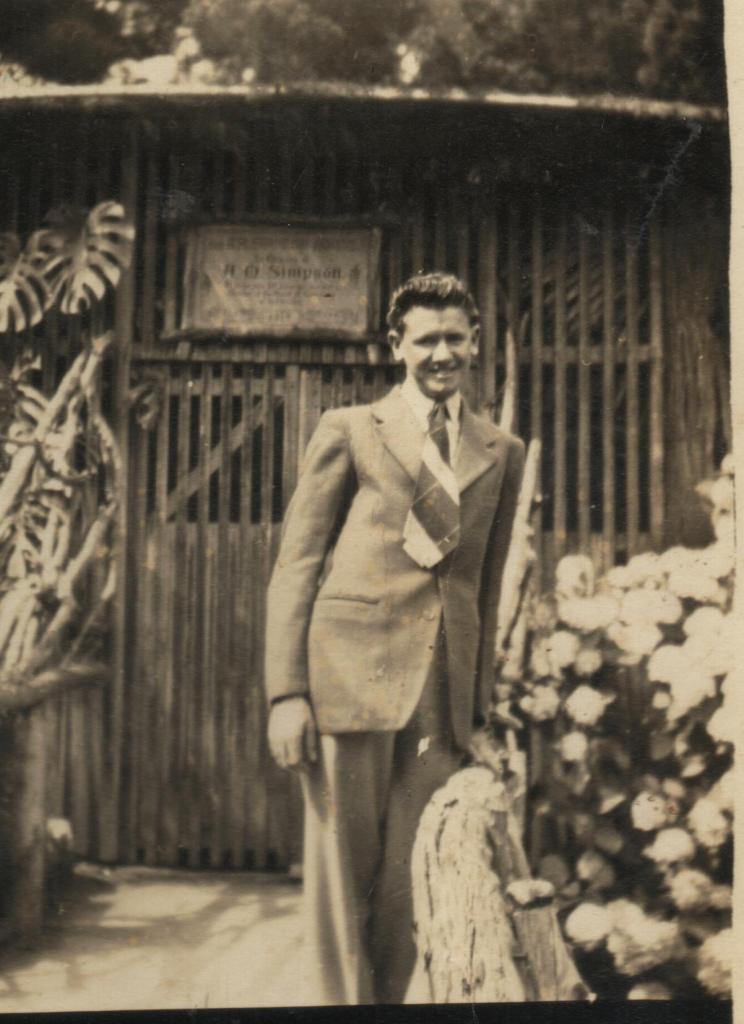
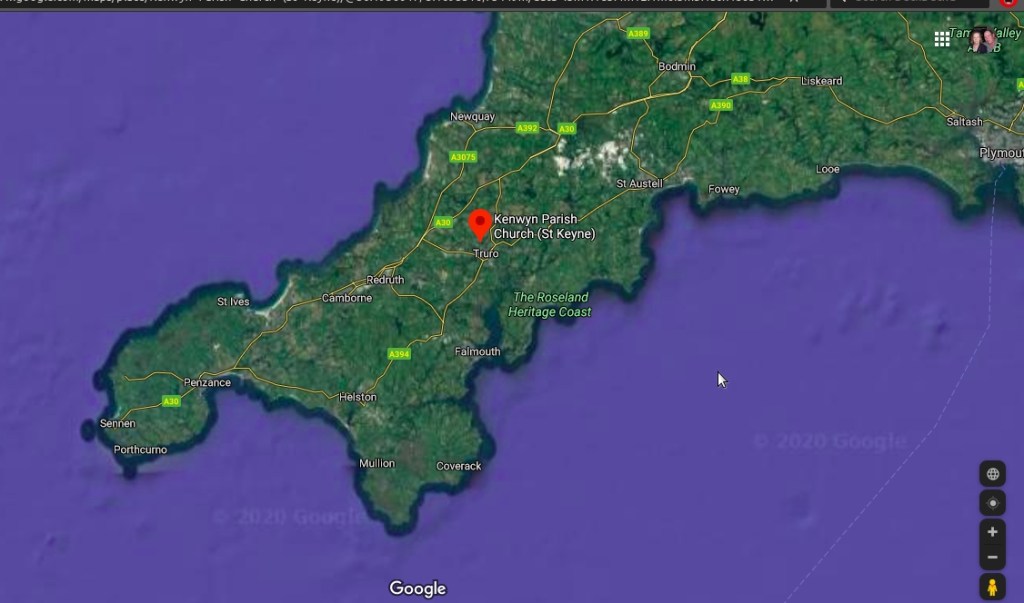
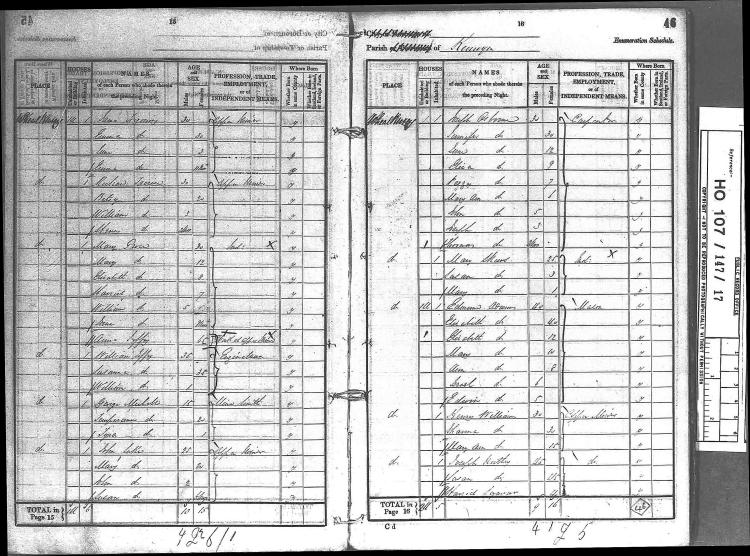
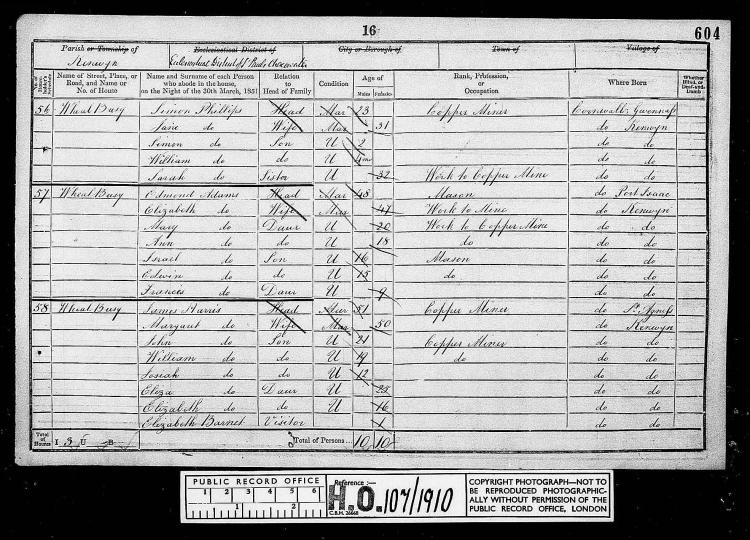
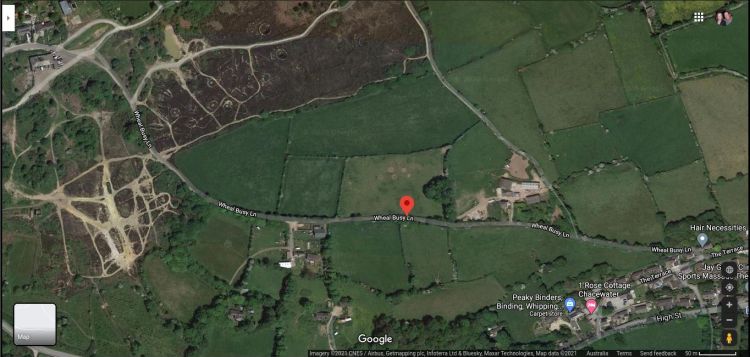
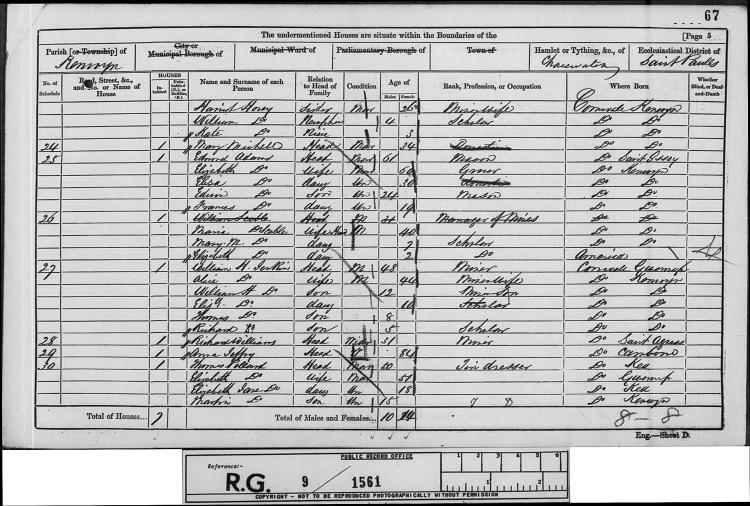
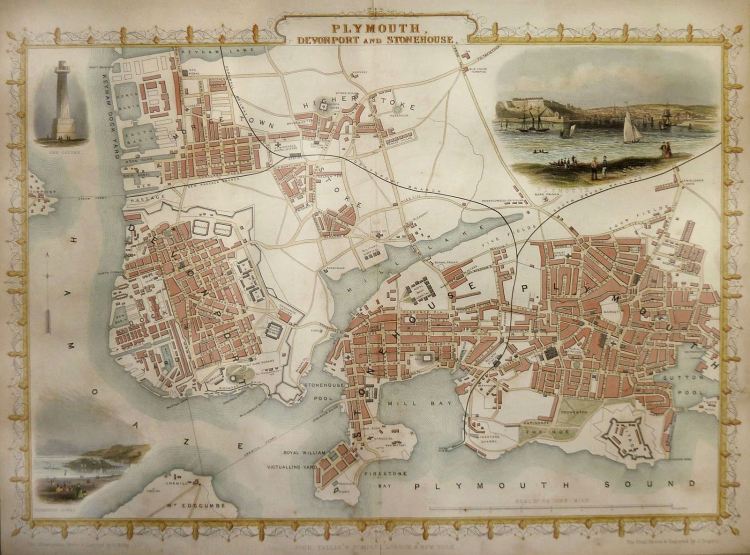
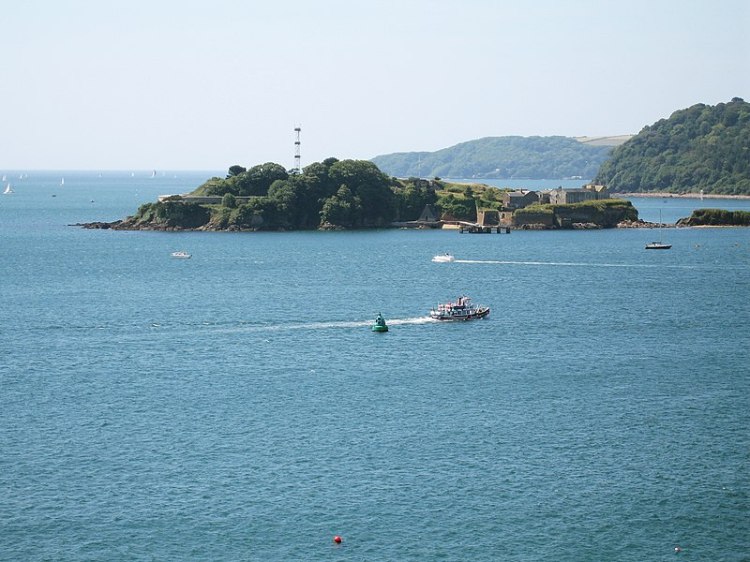
Family of Israel Adams 1st Generation
Father of Edwin (1st) Adams
- Israel Adams, Born 1835 Kenwyn, Cornwall England, arrived in South Australia 04/12/1855 on the AGINCOURT, reports place him in the Mount Barker area for several years before moving to Kanmantoo, information at one stage places his home in Kanmantoo around where Mine Road joins Old Princes Highway, Married 26/03/1859 Blakiston SA, Stonemason, Miner, Butcher and Publican at Kanmantoo S.A., Retired to Glenelg sometime after 1912, Died 18/02/1924 Semaphore SA, Buried at Callington Cemetery (89) (with Wilhelmina in a family plot owned by the Spangler Family)
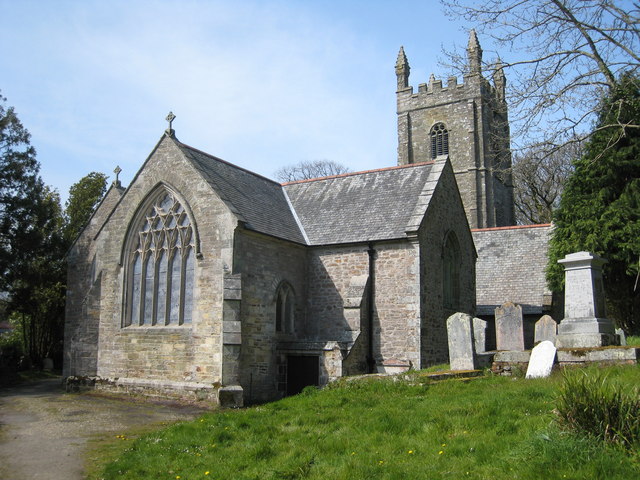
- Willhelmina Augusta Henrietta Adams (nee Spangler) Arrived in South Australia aged 4 or 5 on board the ship Heerjeebhoy Rustomjee Patel on 29/10/1846, Born 1842 Clausthal, Hannover, Stadt Hannover, Niedersachsen, Germany, Died 30/05/1915 Kanmantoo SA, Buried at Callington Cemetery (74)
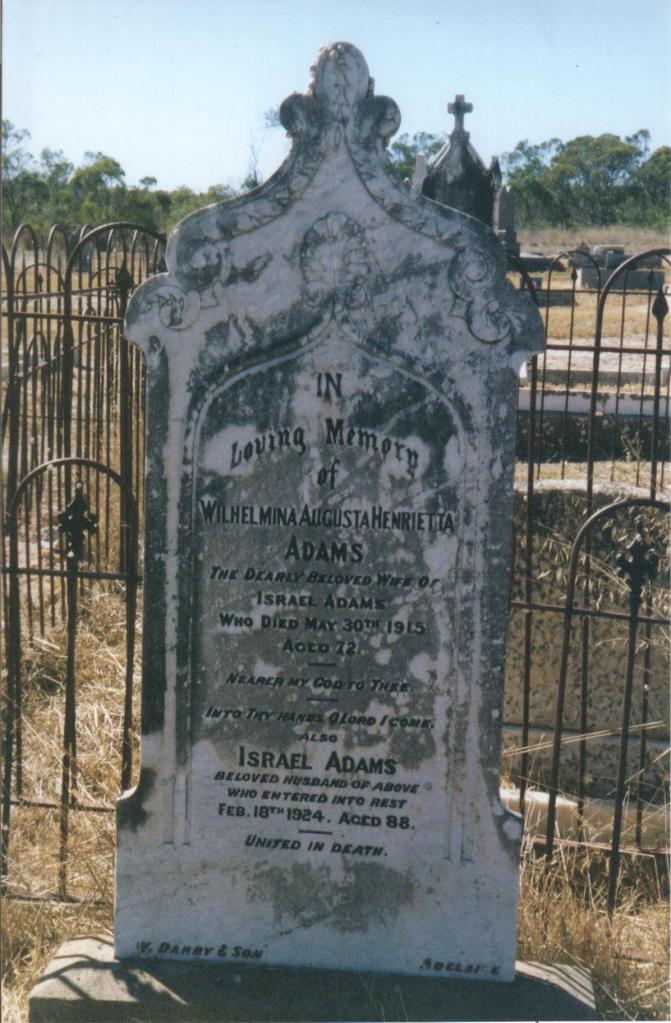
| HEEJEEBHOY RUSTOMJEE PATEL This Passenger list has been transcribed from the SA REGISTER Newspaper (October 1846), and updated from research done by Eric and Rosemary Kopittke, and the Queensland Family History Society. BOHLMANN, Johann 33 (machinist) from Baden, Hanover – cabin BOHLMANN, Anna Louise nee Hartmann and child – cabin FAAS / FAASS, Mr Hermann Theodor (merchant) – cabin MEYER, Mr Christian Ludwig from Bremen (merchant) – cabin RICHTER, Mr (farmer) – cabin SCHWOMBERG / SCHWONBERG, Joachim Nicholas (ship-builder) – cabin SCHUMANN, Dr (surgeon) – cabin WEICHMEIN / WICHMANN, Mr Adolph Daniel Conrad (merchant) from Pinneberg, Holstein WEICHMEIN / WICHMANN, Mrs Marianne Juliene and Charlotte nee Appold from Hamburgand wife – cabin WIRSH / WIRTH, Mr 099(horticulturist) – cabin (possibly Henry Wirth) ALTMAN, Mr and wife and 3 children APEL, Johann Carl Friedrich, tailor from Harz AREND, Mr (probably Carl August Heinrich Wilhelm Arend) AREND, Mrs (SAR lists: Mr Arend WILLE, and wife) BALTHAUSEN, Miss Johanne Sophie Ernstine from Harz BANNIER, Mr and wife (probably August Wilhelm Bannier, joiner) BARTSCH / BARSH, Mr, Mrs and 3 children (probably Mrs Caroline Bartsch, no mention of her husband) BARTSCH / BARSH, (probably Augusta Carolina Eleonora Lina – daughter of Mrs Caroline) BARTSCH / BARSH, (probably Ida – daughter of Mrs Caroline) BARTSCH / BARSH, (possibly Louise Pauline – daughter of Mrs Caroline) BEUSHAUSER, Mr and wife, Minne. BOHME, Mr (probably Ernest August Bohm) BOLD / BOLDT, Mr (possibly Heinrich Boldt) BRAMEN, Mr and wife (possibly Friedrich Wilhelm Bremer, tailor) BROCKMANN, Miss Dorothea BROMER, Mr (miner) and wife (probably Philip Heinrich Bremer, miner) DEGENHARDT / DEYENHARDT, Mr (probably Johann Carl Ludwig, miner) DEGENHARDT / DEYENHARDT, Mr (probably Johann Carl August) (it is known that 4 brothers by this name came to SA together in 1846, including Friedrich and Gustav Julius Wilhelm) DUNEMANN, Carl August Wilhelm (miner) from Harz ECKERMANN, Mr EISELE, Mr (miner) FEIST, Gottfried 47 from Bomst FEIST, Anna Dorothea nee Drescher 44 FEIST, Johann Gottfried 19 FEIST, Johanna Caroline 15 FEIST, Wilhelm 11 FEIST, Pauline 2 FIEDLER, Mr (probably Heinrich Julius Fiedler, miner from Harz) FIEDLER, Mrs (probably Johanne Christiane Wilhelmine nee Knorr) FIEDLER, two children (names not listed) FISCHER, Mr (miner) – possibly Georg Fischer FISCHER, Mrs and child FLOTTMANN, Mr (probably Wilhelm Flottmann, tailor) FLOTTMANN, Mrs and 4 children GEIER, Mr GOILE, Heinrich 28 from Posen GOILE, Friedrich nee Musch 31 from Posen GOILE, Friederike Amalie 7 GOILE, Karl Julius (abt 6) GOILE, Bernhard Ludewig Gustav 1 GOTTE, (possibly Gutte) GREGURKE / GREGORKE, Mr (probably Gottfried Gregurke) and wife and 3 children GRIMM, Mr and wife and 3 children (probably Heinrich August Hanel and wife Henriette Juliane nee Sommer) HAENEL, Heinrich August, miner from Harz HAENEL, Henriette Juliane nee Sommer, and child HAGE, Mr and wife and 3 children HARLING / HARTUNG, Wilhelm from Hanover (miner) HAUNERT, Mr and wife and 4 children HEBIG / HABIG / HABICH, Johann Georg 33 HEBIG / HABIG / HABICH, Anna Maria nee Wuttke 26 HEBIG / HABIG / HABICH, Gottlieb HEBIG / HABIG / HABICH, Johann Georg HEBIG / HABIG / HABICH, Ernestine Wilhelmine HEING, Mr (miner) HEINS, Mr (miner) HELLING / HEILING, Carl Ludwig Friedrich 26 from Harz HERTSCHEL, HESSEN, Christian and son Johann (may have come to Adelaide on this voyage) HEUSLER brothers HINZE, Mr and wife (probably Johann Martin Ludwig 49, from Mecklenburg) HINZE, Mrs (probably Cathrina Margretha Christiana nee Boldt) JUNGE, Mr (miner) and wife (probably Carl Friedrich Wilhelm Jung from Berlin) KICHNEL, Mr (miner) KIEDEL, Mr (miner) KLOPP, (possibly Johann Friedrich Klopp) KUCK, Mr (miner) – surname probably KOCH LAMPE, Mr and wife (probably Hermann Lampe, shoemaker) LENE, Miss LIENERT / SCENERT, Carl Friedrich August Conrad 22 from Hatz LOMMER / SOMMER, Mr and wife and 2 children MARUSCHKE, Mr (possibly a son of Matthias Maruschke who came to SA on PAULINE 1846) MARX, Mr MAY, Mr (miner) and wife and 3 children MORITZ, Mr Miss MULLER / MALLER, Miss Louise Dorothea Charlotte 25 (SAR: listed as MALLERR) MULLER / MALLER, Mr NAGEL, Mr and wife and 4 children (possibly George Nagel, miner) NEIDA / NAIDA, Joseph from Posen NEIDA / NAIDA, Mrs Severina nee Ruciack NEIDA / NAIDA, Franziska (child) NEIMEYER, Mr NIEMANN, Mr and wife and 5 children PARTIER, Mr (miner) and wife and child PELZER, Johann Heinrich Leopold 26 from Bremen (originally listed to come to SA on the GEORGE WASHINGTON) PHILIP, Mr (miner) POLACK, (SAR listed as: brothers, and wife and three children) POLACK, Heinrich Adolph (miner) from Silesia POLACK, Charlotte Henriette nee Grabsdorff (widowed Blankenburg) and three children REHBEIN, Mr (miner) ROBRLOCH / ROHRLOCH, Mr and wife and 3 children ROGENER, Mr and wife and child ROSE, Mr and wife and child RUCIAK / RUCIACK, Thomas 46 (miner) from Dammer RUCIAK / RUCIACK, Anna nee Mithalek 46 RUCIAK / RUCIACK, Ludwig 18 RUCIAK / RUCIACK, Franziska 15 RUCIAK / RUCIACK, Elisabeth 11 SCHIER, Miss SCHLINKER, Mr (miner) SCHMIDT, Mr and wife and 2 children SCHOFFELL, Heinrich Christian Leopold (miner) from Harz SCHOLL, Mr (miner) and wife and 4 children SCHULZ, Mr SCHUNKE, Ernst Christian Heinrich 23 from Hanover SCHUNKE, Carl Friedrich J SPINGLER, Mr and wife and 3 children STRAUSS, Mr and wife and 4 children SUDHOLZ, Johann Wilhelm Albrecht 25 (miner) from Hanover – listed in SAR as LADHOLZ TRENSE, Mr (probably Nicolaus Trense) and wife TRONIER, Mr (probably Heinrich Tronier, miner) and wife and child UNGAR, Mr (miner) WENZEL, Mr and wife and 3 children WOLDMANN / WOLTMANN, Mr (miner) – probably Carl Heinrich Julius Woltman Especial thanks to Eric and Rosemary Kopittke who prepared much of this work, to the Queensland Family History Society for publishing it, and to the State Library of South Australia for making it available for you to read. |
Burials 6 at Callington
Children 13
- William Adams, Born December 1855? around the time or shortly after Israel arrived in SA, Died 3/06/1870 (15), it would appear that William was acquired by Israel during his batchelor years, mother is unknown, because of the timing of his birth I suspect his mother was also a passenger on the Agincourt, the ships passenger list has Israel down as a 20 year old Single passenger, there were also DOZENS of young single females aboard, but he must have Known whoever it was before they left Cornwall, the only evidence linking William to Israel is the fact that according to Murray Bridge Council records he is buried in the same plot.
- Elizabeth Anne Adams *Born 1859*, Died 1898 (39) *
- Edwin Adams, Born 19/10/1861 Kanmantoo SA, Died 3/04/1864 Kanmantoo SA (2)
- John Adams, Born 31/12/1862 Kanmantoo SA, Died 1864 (1)*
- Frances Adams, Born 8/02/1865 Kanmantoo SA, Died 1918, Married John Rowley 1887 Vic. (52) * (I haven’t checked my files yet but I have a feeling this John Rowley is a distant ancestor of Peter Rowley, Brookes husband, who’s family originally arrived in South Australia, and lived at Myponga, before moving to Victoria, Peter is also related to Pam Lienert who lived on a farm south of Kayes old farm on the road from Yumali to Netherton, a few kilometres further on from where Warners lived.)
- Edwin Adams, Born 28/02/1867 Kanmantoo SA, Died 14/02/1934 (63) according to witnesses that new him he worked for Pitt Brothers, gardeners, and was a Master Pruner, looking after 10,000 tomato plants and fruit trees, always wore a white silk shirt to work and never got dirty.
- Williamena Adams, Born 30/08/1868 Kanmantoo SA, Died 17/12/1871 Kanmantoo SA (3)
- Amelia Johanna Spangler Adams, Born 6/02/1870 Kanmantoo SA, Died 03/02/1938 Wallaroo, SA (67) *
- Israel Adams, Born 6/09/1871Kanmantoo SA, ( one source Claimed Dissapeared September 1900 (39)), Different Source, Married Mary Ignatious Harte (Died Aged 101 in 1970 Magill), 15/08/1900, Died 1921 (49) *
- Albert Adams, Born 31/12/1872 Kanmantoo SA, Died 7/03/1910 Eastwood SA (37) *
- Wilhelmine Adams, Born 6/02/1874 Died 18/03/1875 (1) *
- William Adams, Born 25/04/1876 Died 02/03/1877 (<1)*
- Violet Valdina Adams, Born 16/06/1879, Stepney, SA, Died 1913 (33) *
- William Henry Adams, Born 3/02/1881, Died 25/04/1882 (1) *
Source of Information on Spangler Family
The following letter was given to me by my cousin Pat Powditch, it is from A.R. Mills who wrote “Kungna Tuko” and supplies some interesting memories of Israel Adams.
“Millbrae”
Kanmantoo 5252
30th October 1983
Dear Mrs Powditch,
I receive a lot of queries about past local families, and many I can’t tell much about, but Israel Adams happens to have been well remembered by the oldest people still living here.
There is an anecdote about him in my book Kungna Tuko which was on sale at the shop where you bought the wall poster. I note that you may have found the book beyond means. I have one or two copies that are faulty and will make one available at $2 for you. I will leave it at the store at Kanmantoo with your name on it and perhaps you can pick it up or have somebody pick it up for you.
Israel was mining when the mines were open however in those days he also took on the Miner’s Arms Hotel which was at the corner of Mines Road but was demolished to make way for an alteration of the intersection of Mines Road with Princes Highway. He was noted for some rather rough conduct I fear. We can’t choose what our ancestors should be like can we?
One story I will only tell because it is a piece of history which you are entitled to know, and it concerns a trip made to take a passenger to the train by horse & sulky to Callington Railway Station. The horse played up and delayed the trip so badly that the train was missed. Israel thereupon took it from the sulky up to one of the deep mine shafts, backed it into the shaft and as it went into the depths managed to keep the bridle in his hand. I guess there were good things about him too but sometimes the good things aren’t remembered like the bad things are. Another story concerns him using a string of sausages as a horse whip when he was bringing the meat from Callington for the Kanmantoo people.
After having the Miners Arm’s he did have the Kanmantoo Hotel which is now store and P.O. only. I am interested to see that he left Kanmantoo and was working as a builder in 1924 in Semaphore.
I am unable to tell you much of his family and was unaware that there were so many. The Nairne Council Assesment Book in the SA Archives could reinforce some of the info you have on where he lived. Apart from something that could be in council minutes or in the Bremer newspaper I can’t help you on sources. I have just a few references from the above.
I have seen other references to Israel Adams it is too big a job to find them now.
Yours faithfully
A R Mills
Family of John Walles Hitchings Uren 1st Generation
Father of Margaret Ann (nee Uren) Adams,
I have traced the Uren Family back to the mid 1650’s, to a small town called Lelant near St. Ives in Cornwall, Maureens family came from St. Ives, and I have found she also has ancestors named Uren, who I have traced back to around 1500, in the mid 1650’s both lots of Uren’s lived in LELANT, CORNWALL, I suspect they are the same family, so I would say we had common ancestors around 370 years ago. Interestingly I have traced some of Maureen’s family on one line back to around 500 AD, and another line back to around 800 AD, beginning with Rollo, (Ragnar Lothbrock’s brother in the TV series Vikings), First Duke of Normandy, Rollo also was the great grandfather of William the Conqueror, I have found TWO Emperor’s of the Holy Roman Empire, TWO Kings of France at least SEVEN Kings of England, several Kings of Scotland, and MANY each of Dukes, Counts and Earls, and links to almost EVERY Royal family in Europe.
- John Walles Hitchings Uren, Born around 1843 England, Married 22/04/1867 Died
- Emma Jane Uren (nee Mathews), Born around 1849 England, Died
Children 9, 2 Died in Childhood.
- Margaret Ann Adams (nee Uren), ***Born 5/09/1867*** Queenstown SA, Died 23/06/1951 (83)
- Emma Jane Uren, Born 2/11/1869 Glanville SA, Died 24/03/1871 Glanville SA (1)
- Joseph Hitchings Uren, Born 1/07/1871 Portland Estate SA, Died 4/07/1872 Glanville SA (1)
- Ellen Uren, Born 10/04/1873 Glanville SA, Died
- John George Uren, Born 15/10/1875, Died
- William Uren, Born 30/08/1877 Gilberton SA, Died
- Richard Uren, Born 7/11/1879, Died
- Edith Emma Uren, Born 20/12/1881 Parkside SA, Died
- Ethel May Uren, Born 6/05/1884 Thebarton SA, Died
Family of Joseph Phillips 1st Generation
Father of William H.T. Phillips
- Joseph Phillips, Born 1827 England, Arrived in South Australia 21/03/1849 on The Pakenham, with Elizabeth, AND 1 undocumented Child, Died 21/07/1921, Buried Golden Grove (94)
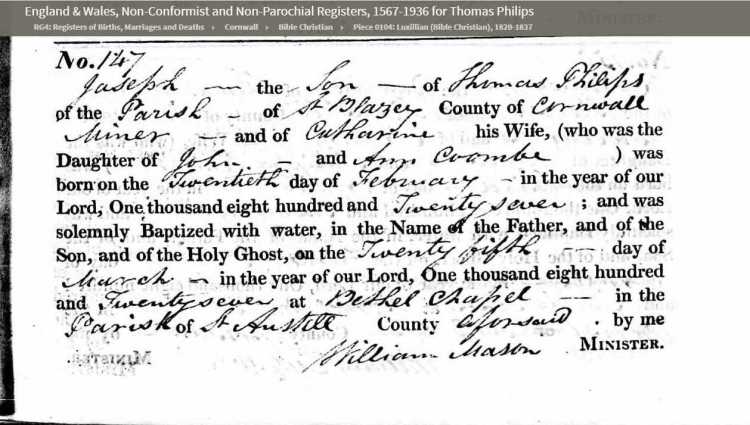
Parish Register of Joseph Phillips’s Birth and Baptism
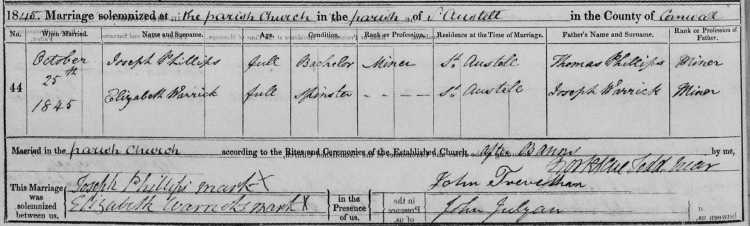
Parish of St Austell, Marriage Record for Joseph Phillips an Elizabeth Warrick. It would appear that neither Joseph nor Elizabeth could write at the time.
- Elizabeth Phillips (nee Warwick), Born 1828 England, Died 13/06/1917, Buried Golden Grove (89)
Burials 5 at Golden Grove
Children 10
- Unknown Name, Listed on Ships Manifest with Parents
- Joseph Phillips, Born 8/05/1851 Died
- Jemima Phillips, Born 18/11/1853, Died
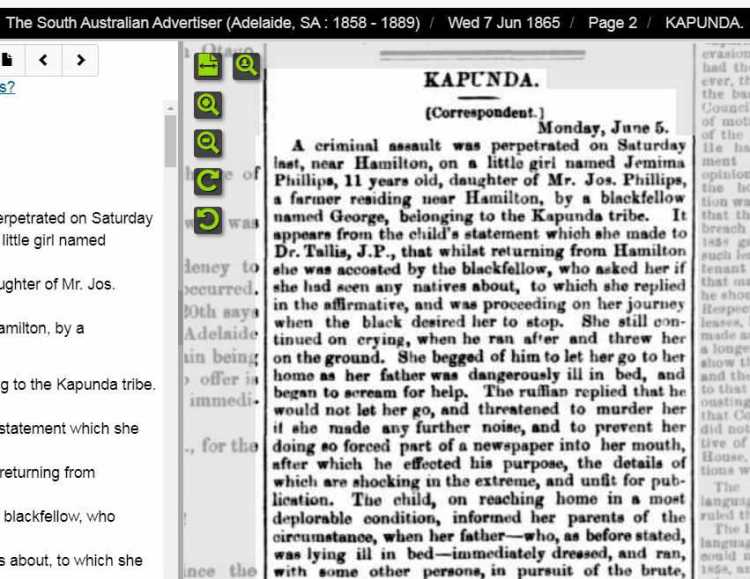
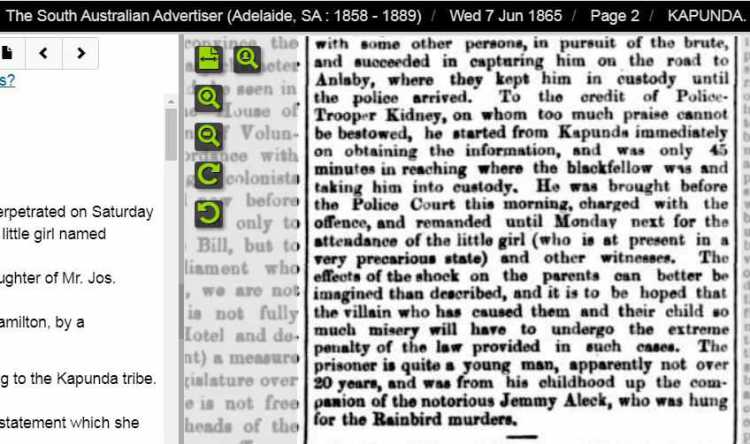
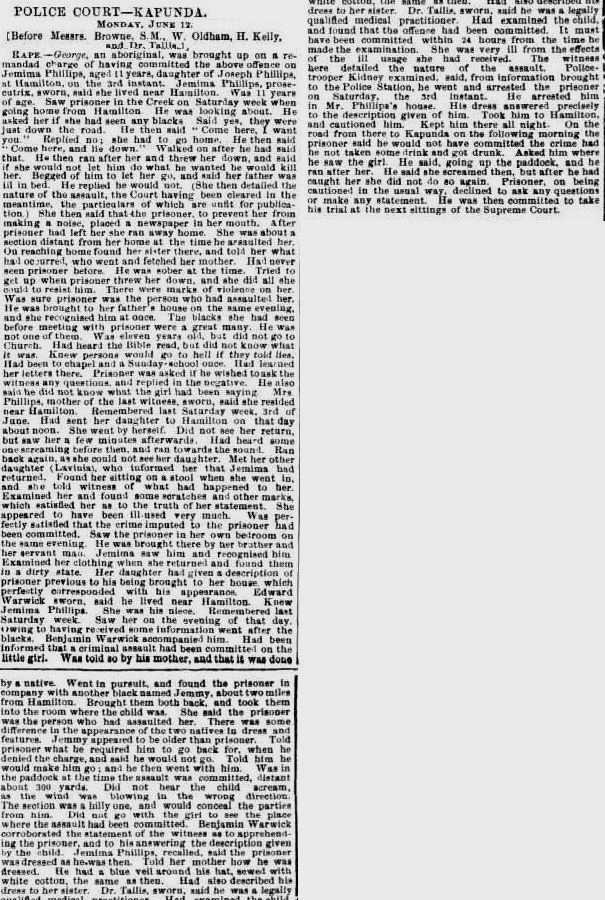
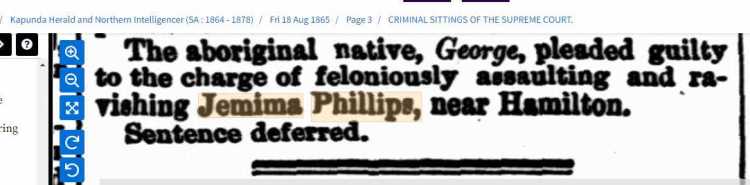
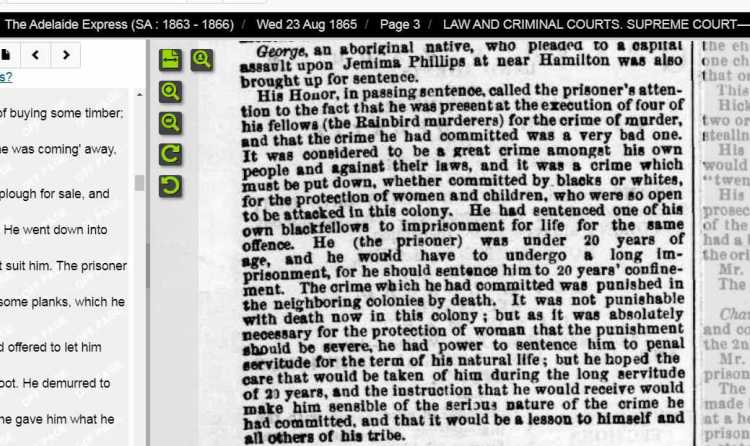
- Tom Edward Phillips, Born 17/03/1856, Died 11/12/1933 (77)
- Kezia Phillips, Born 26/02/1858 Kooringa SA, Died 1/10/1859 Kooringa SA (Burra) (1)
- Keziah Phillips, Born 7/02/1860 Kooringa SA, (Burra), Died
- William Henry Alfred Phillips, Born 23/02/1862 Hamilton SA, Died 22/05/1920, Buried at Golden Grove Cemetary (58)
- James Horace Vagemum St Horsel (Vaughan St. Austell) Phillips, Born 28/10/1865 Hamilton SA Died 23/08/1947 Tea Tree Gully, Buried Golden Grove Cemetery.(Father of Albert Victor Phillips, 10th Battalion, who Died 21-09-1917 during the Battle of Passchendaele, he only Survived at the Front for about 7 Weeks). (82)
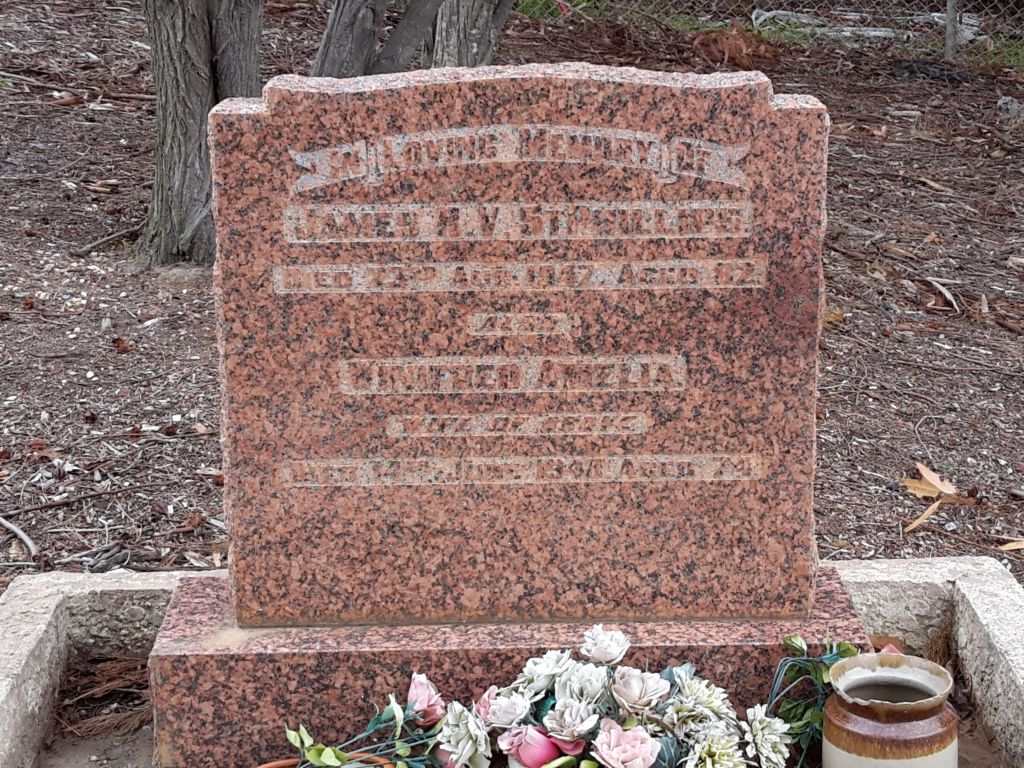
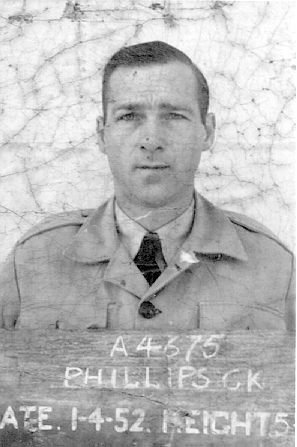
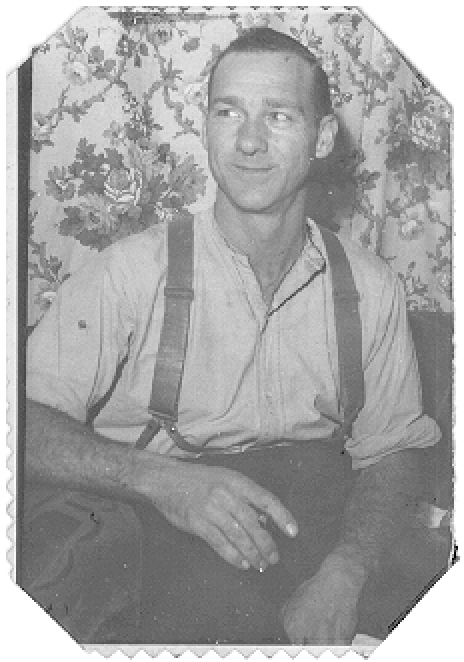
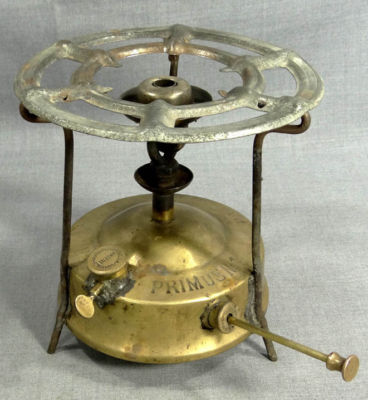
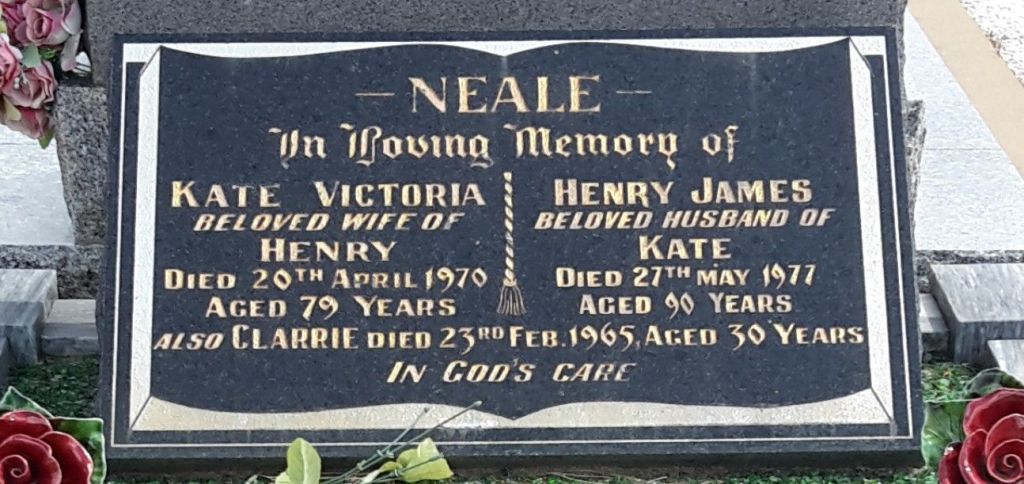
- Samson Richard St Blazey Phillips, Born 5/06/1868 Hamilton SA, Died
- Mathilda Catherine Francis Phillips, Born 1/08/1874 Moonta SA, Died
Family of William White 1st Generation
Father of Lizzie Ann (nee White) Phillips
- William White, Born
- ??
Children 1+
- Elizabeth Ann White (Lizzie), Born 1860 England, Died 7/12/1942 Houghton SA (82)
Family of Charlotte Sylvia Churchette 1st Generation
Mother of George William Churchett
- Charlotte Sylvia Churchette, Born 14 th of February 1849, Cookley, Worcestershire, England, Died 9 th June 1876, Stawell, Victoria
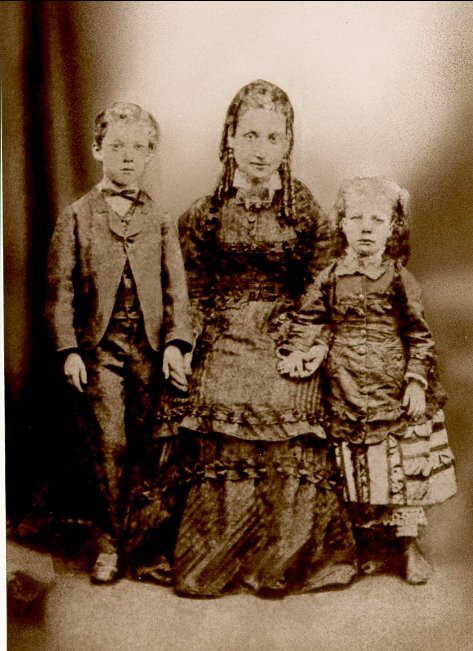
Charlotte Sylvia with two of the Hall children (James George, and Charlotte Sylvia).
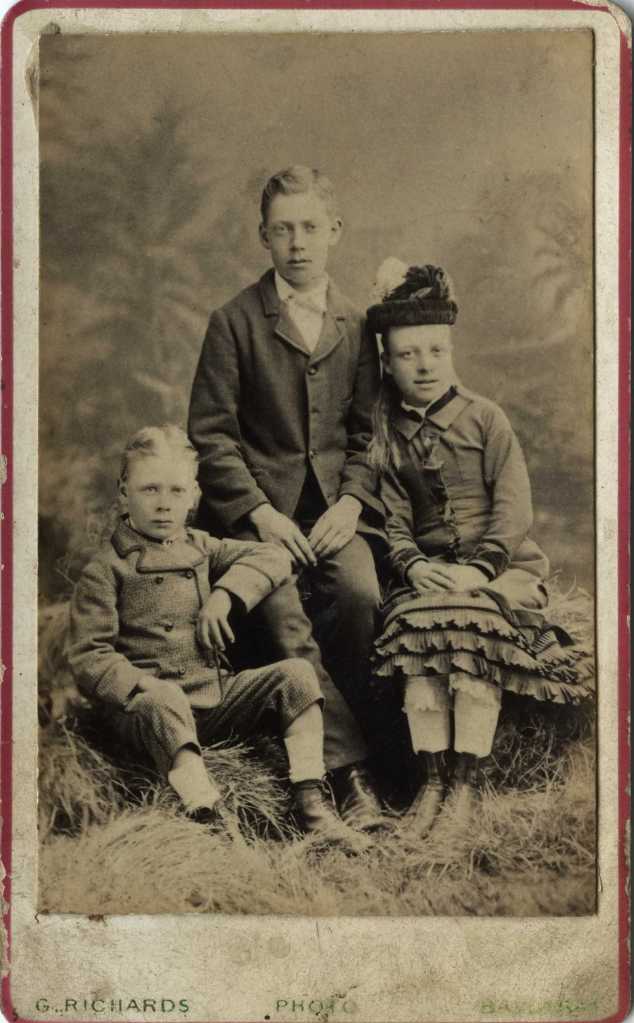
William Henry, James George and Charlotte Sylvia Hall, younger half Siblings of George William Churchett.
- ??
Children 1+
- George William Churchett, Born around 1864, around Ballarat Victoria ? Died 9/05/1937 Houghton SA, Buried at Houghton Cemetery (77)
Family of Jonah Hockey 1st Generation
Father of Louisa (nee Hockey) Churchett
- Jonah Hockey, Born around 1825, Married ?, Died 20/01/1896 Houghton (71) Buried unknown Plot Houghton Cemetery
- Margaret Hockey (nee Salisbury), Born around 1826, Died 29/10/1882 Houghton SA (56) Buried unknown Plot Houghton Cemetery.
Burials 5 at Houghton
Children 4
- Louisa Churchett (nee Hockey) (Louie), Born around 1864 England, Died 10/08/1937 Houghton SA, Buried at Houghton Cemetery (73)
- Charles Hockey, Born 22/06/1866 At Sea, Died 26/11/1866 Fifth Creek (near Rostrevor) SA (5 months)
- Mary Elizabeth Hockey, Born 5/11/1867 Hope Valley SA, Died 28/01/1869 (1) Houghton SA
- Henry Hockey, Born 19/11/1869 Houghton SA, Died Highbury 14/01/1933, Buried unknown Plot Houghton Cemetery. (63)
Family of Friedrich Spangler (also spelled Spengler)
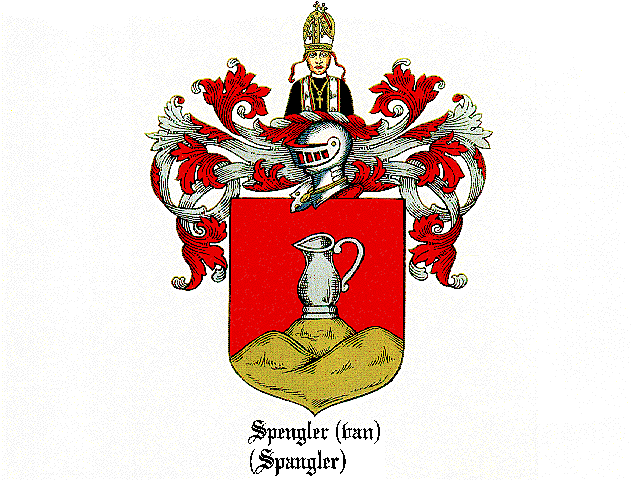
My Great, Great, Great, Grandparents
Father of Wilhelmina Augusta Henrietta Adams (nee Spangler)
- Friedrich Spangler (Frederic Johann Heinrich Carl) (1810, Clausthal, Hannover, Prussia), Born About 1810 British Hannover (Germany) Married Clausthal Hannover 1836, arrived In South Australia 29/10/1846 Aboard The Heerjeebhoy Rustomjee Patel, Died Kanmantoo SA, 1850. (40) British Hannover was a part of Germany ruled by The House of Hannover (at the time the British Royal Family) from 1714 to 1837. My Heritage web site lists Johann Heinrich Carl ‘Fredric’ Spangler’s date of birth as March 11 1810, in Hannover, Germany, and Johanna was born on April 17 1806, in Hannover.
- Johanna Spangler (nee Bittner or BUETTNER, Johanne Marie Elisabeth) Born About 1808 British Hannover (Germany) arrived in South Australia 29/10/1846 Aboard The Heerjeebhoy Rustomjee Patel, Died Kanmantoo SA, 01/08/1872. (64)
It appears Johanne Beuttner/Bittner (Spangler) remarried to Christian Friedrich Valentine Hellwig, on 10/07/1855 at Blakiston, and on the night of Wednesday 31/07/1872 through to Thursday 01/08/1872, apparently hung herself on a fruit tree in the yard of her home in Kanmantoo.
Obituary of Johanne Hellwig
Süd Australische Zeitung (Tanunda and Adelaide, SA : 1860 – 1874) Tue 6 Aug 1872 19308
Kanmantoo. In der Nacht vom Mittwoch auf Donnerstag
machte Frau A. Hellwig— lange Jahre hier in Kanmantoo ansässig
— ihrem Leben dadurch ein Ende, daß sie sich an einem Obstbaume in
ihrem Garten aufhing. Bei dem an der Leiche gehaltenen Jnqueste
gab die Jury ihr Berdict dahin ab, daß die Verstorbene sich in einem
Anfalle temporairen Wahnsinns das Leben genommen Habe.
Google translate-
KANMANTOO. In the night from Wednesday to Thursday
Mrs. A. Hellwig has been living here in Kanmantoo for many years
– their life by an end that they are in a fruit tree in
hung her garden. Inquest held on the corpse
the jury gave their verdict that the deceased was in one
Having taken the life of temporary madness, have taken the life.
Children 6 or 8
- Henry Frederic Thader Spangler, Born 17/04/1830 Died 22/02/1872 Not Found on Ships List * (42)
- Johanne Julianne Willelmine Auguste Spangler, Born 1832 Died 6/06/1915 Not Found on Ships List * (83)
- Edward Hermann Spangler, Born 1834 British Hannover Died 3/09/1900 SA *
- Carl August Wilhelm Spangler, Born 4/05/1837 Either British Hannover or Germany Died 2/06/1914 * (57)
- Johanne Caroline Spangler, Born 01/11/1839 Germany Died 11/01/1915
Caroline married Richard Francis in 1855, at age 15. Richard was born on July 24 1833, in Saint Day, Cornwall, England, Europe. They had 5 children: Eva Adeline Cock (born Francis), Mary Jane Olds (born Francis) and 3 other children. Died January 11, 1915 Buried Moonta.* (75)
- Wilhelmina Augusta Henrietta Adams (nee Spangler), Born 28/02/1842 Germany, 4 years of age on Arrival in SA, Died Kanmantoo SA, 30/05/1915 (73)
- August Spangler, Born 14/08/1844 Germany Died 4/05/1897 SA * (53)
- Johanna Spangler, Born late 1846 South Australia
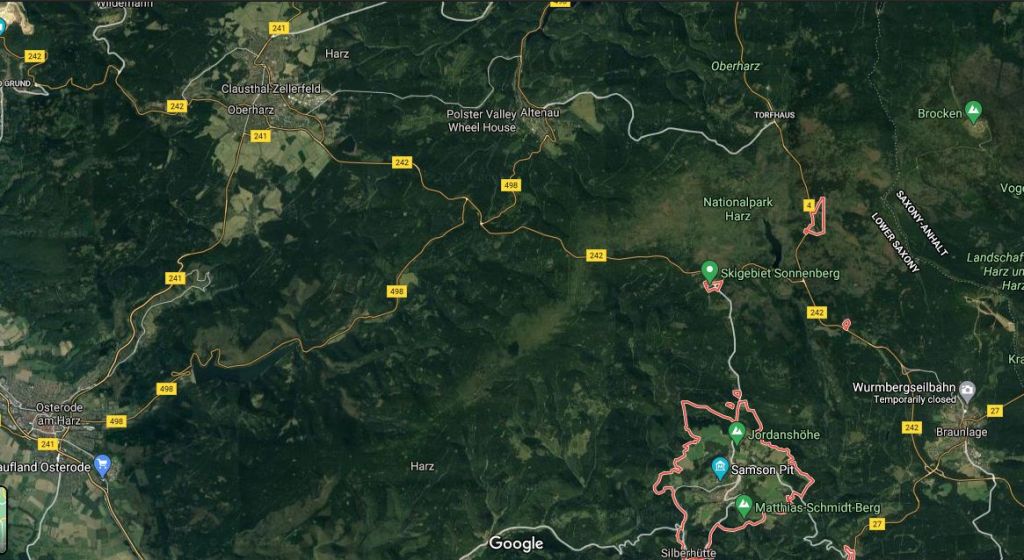
The Spangler/Spengler and Buettner families originated from Saint Andreasberg a small silver mining village to the lower right marked with a red border, they moved to Clausthal near the top left, in Lower Saxony, Kingdom of Hannover before finally migrating to South Australia 1846.
The following information has links to the SPANGLER AND BUETNER FAMILIES, showing exactly where in Germany they came from and when.
https://localwiki.org/adelaide-hills/May_Family_Ancestors
| Early May Family Ancestors (Ch4-March 2007) |
| The following information was extracted basically ‘as is’ from Reg Butler’s (Hahndorf Historian) unpublished computer working files as at c2014.In association with this page is May and Juncken – Tanunda Land Purchase (Ch6-March 2007)Additionally to the above, JK Stokes information regarding the May Family (Mt Barker) is also available. |
Arrival of the MAY family from Clausthal.
As mentioned in the previous chapter, eight days after the birth of Sarah SLATER at Reed Beds, South Australia, George MAY, aged 12 months, arrived in the Colony of South Australia. George was accompanied by his father, mother, brother and four sisters. Twenty years later in 1866, George would marry Sarah in Adelaide and they became the progenitors of our MAY family.
The father of George was Heinrich Julius Wilhelm MAY and his mother was Johanne Christiane Wilhelmine (nee SPENGLER). I will refer to them as the partriarch and matriarch of the MAY family in South Australia. The family was Germanic or more correctly Hannoverian. They came from the small mountain town of Clausthal in the Kingdom of Hannover. Today, Clausthal is called Clausthal-Zellerfeld, and is located in Lower Saxony, Germany about 100 km south of the city of Hannover as depicted in the map shown. The fact that the ancestors of the MAY family came from the Kingdom of Hannover was completely unexpected. While there was no information regarding the origin of the MAY family when this research began in early 2006, it was presumed that the family came from England, possibly Cornwall. One of the best known MAY families in South Australia was headed by Frederick MAY, a prominent engineer and manufacturer who established an empire at Gawler, South Australia. However he came out from Cornwall, England in 1858, 12 years after our MAY family arrived from the Kingdom of Hannover.
Evidence for a Germanic root came early in the research from the records of South Australian births, marriages and deaths. These records confirmed that Dad’s father, Norman Spencer MAY died tragically in Adelaide at aged 29 years on 30 May 1917, when Dad was only three years of age. The birth certificate of Norman revealed for the first time that the father of Norman was George August William MAY (who married Sarah SLATER). The death certificate of George stated that he was born in an “unknown town in Germany.” This was a surprise.
*****************
It should be noted at this point, that German people adopted the practice of giving multiple first names. Generally, the last name was the child’s personal name. Any names in front of this were to honour an ancestor or godparent. Hence the patriarch Heinrich Julius Wilhelm MAY was called Wilhelm. Early records show his name as Julius Wilhelm and he married as such; Heinrich appears to have been added after he arrived in South Australia, for whatever reason. The rule that the last name was the personal name did not always apply and Johanne Christiane Wilhelmine MAY was in fact called by her first name, Johanne. I will attempt to simplify the situation by underlying the name that I know or assume was the personal name. To further complicate matters, when the full name was written by German people the last baptismal name was sometimes bought to the front.
After several years in the colony, many German people anglicised their names. This was not so for Wilhelm who retained this name rather than William. George MAY arrived in the colony with the name Georg August Wilhelm MAY but later anglicised it to George August William MAY. He was however called by his first baptismal name George, rather than William, presumably to avoid confusion with his father.
Use of the German umlaut, that is the two dots over a, o or u, is also to be noted. When the umlaut is omitted it is replaced by an e. For example, MÜLLER can be written as MUELLER.
Some common German names and the English equivalent are for females: Auguste, Augusta; Dorothea, Dorothy; Johanne, Joanne; Wilhelmine, Wilhelmina or Minna; and for males: Carl, Charles or Carl; Christian, Chris; Friedrich, Fred; Johann, John; Heinrich, Henry or Harry; Wilhelm, William. Many German female names end with an ‘e’ and this is pronounced as an ‘a’ and so Johanne is pronounced as Johanna.
The Kingdom of Hannover.
In early history, The Electorate of Hannover was ruled by a Duke with the additional title of Elector. In 1714, the Elector also became the King of Great Britain and for about 140 years the Electorate of Hannover and Great Britain were ruled by the same sovereign. How did this happen?
In 1658, Duke Ernest Augustus married Princess Sophia, a granddaughter of James I, King of Great Britain. In 1692 Duke Ernest Augustus became the first Elector of Hannover; he died in 1698. Princess Sophia, a Protestant, was declared heiress to the throne of Great Britain by an Act of Settlement of 1701 which decreed that Roman Catholics could not accede to the throne. Sophia died shortly before her cousin, Queen Anne, James II’s daughter, and so Sophia’s son George succeeded to the English throne. As King George I, he served as both the Elector of Hannover and King of Great Britain from 1714-1727.
Other Electors of the House of Hannover and of Great Britain were George II (1727-1760), George III (1760-1820), George IV (1820-1830) and William IV (1830-1837). In 1814, Hannover became a Kingdom so the British monarch George III was the King of both Great Britain and Hannover. Similarly, his son King George IV and King William IV were Kings of both Great Britain and Hannover. When William IV died in 1837, the British crown passed to Victoria, Queen of Great Britain. However, royal succession in Hannover was for males only. Hence King William IV’s brother, Ernest Augustus I, Duke of Cumberland was appointed King of Hannover and he ruled from 1837-1851. In 1866, following war with neighbouring Prussia, Hannover became a Prussian Province and then finally part of Germany in 1871.
Thus when Wilhelm MAY and Johanne SPENGLER married in 1828 in Clausthal as outlined soon, their King was the British monarch, King George IV, and when the MAY family left the Kingdom of Hannover in 1846, the Duke of Cumberland was their King.
Clausthal and Mining.
Clausthal is an historic mining town nestled in the Upper Region of the Harz Mountains with its high mountains and deep valleys. Nearby cities are Göttingen (60 km), Braunschweig (80 km), and Hannover (100 km). Clausthal is surrounded by huge fir trees, woods, meadows and numerous mountain lakes. The word Harz means “forest”. The people of Clausthal and its adjoining town of Zellerfeld together with those from the many surrounding small towns, intensively mined the rich deposits of iron, lead, copper, zinc and silver ores located in the mountains. The raising of cattle that grazed on the forest floor was also a profitable occupation. Mining in the Harz area began in the 16th century and Clausthal was the administrative centre for mining activities. A Mining Academy was opened in 1775 for the specialised education of mining engineers and smelters. Today the Mining Academy, now the Clausthal University of Technology (Technische Universität), teaches sciences and engineering and plays a key role in the economy of Clausthal-Zellerfeld, so called after amalgamation of the two towns in 1924. The current population of Clausthal-Zellerfeld is 16,000. As an aside, a renowned inhabitant of Clausthal was the physician and bacteriologist Robert KOCH who was born in Clausthal in 1843 and grew up there. The local hospital bears his name.
Records from the Lutheran Churches in Clausthal and St Andreasberg.
A feature of Clausthal to this day, is the town’s Lutheran Church rebuilt in the 17th century after a fire. As was the custom, the Church was located in the town’s market square and was known as the “Marktkirche zu Clausthal” (Market Church of Clausthal) and also as “Marktkirche Zum Heiligen Geist”, Market Church of the Holy Ghost or Spirit. It is an impressive wooden structure that holds 2000 people and was built to accommodate the large number of religious miners. The white painted Church is the oldest and largest timber-built church in Europe (see photograph). It can readily be seen on Google Earth. The Technische Universität is across the street from the Church (see map of Clausthal).
Since records of births, marriages and deaths were kept only by the local Church in these early days, a vital question was whether the registers of the Clausthal Market Church would have information on the MAY family and as well, the SPENGER family. A fellow scientist in Adelaide, Dr Martin RÖSLER who was born in Germany, kindly agreed to assist. He made contact via telephone calls and emails with the “Evangelisches Kirchenbuero in Clausthal,” which was the “Office of the Lutheran Church in Clausthal” and it was located in the Market Church. He spoke to the church archivist, Mr Karl-Heinz HÄGE who to search the Church registers. To my delight, he found a great deal of information on the MAY family members and relatives. These records were in German and were translated by Dr RÖSLER. A copy of a letter from Mr HÄGE together with his fee is shown. Note that his letterhead displays the Market Church. It became clear from these records that the SPENGLER family originated in the nearby mining town of Sankt (Saint) Andreasberg and Mr HÄGE travelled to this town to collect copies of records from the local Lutheran church.
The following is a summary of the information obtained from the church records.
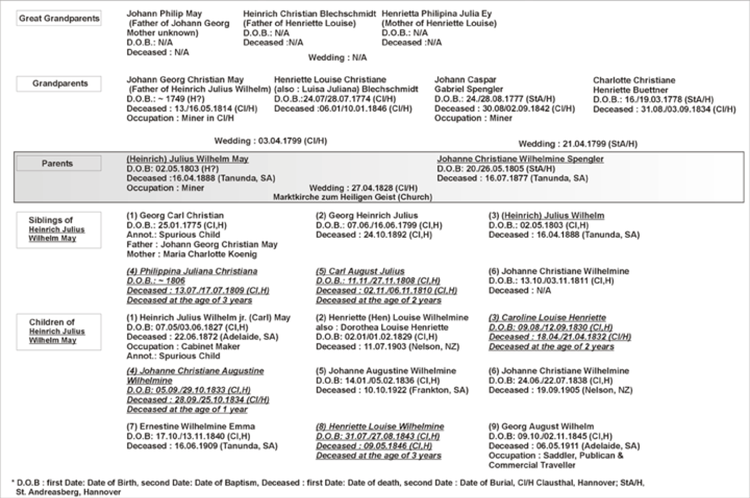
The earliest MAY ancestor (see the family tree).
The earliest traceable ancestor was Johann Philipp MAY who had a son Johann Georg Christian MAY born about 1749. The mother is unknown. It was clear from this earliest record and all subsequent Church records in Clausthal that the name of MAY was always used rather than the more common German name of MAI. However, to confuse the issue many of the old records located in South Australia for members of the MAY family used the name MAI and sometimes MEI.
Philipp MAY was described as the “Marktmeister zu Göttingen,” that is the market inspector, a person authorised by the town of Göttingen, to control the price and quality of goods that are sold and bought at the town market. Göttingen located about 60km southwest from Clausthal was an important trading town at the time. It seemed reasonable to assume that son Christian MAY was born in Göttingen about 1749. However a search by the “Office for Books in Göttingen” which holds records for the five Lutheran churches in the city, failed to locate any information. There also was no record for Philipp MAY. Hence there is nothing known about the place of birth of Christian MAY nor the place where he was raised.
At some time, Christian moved to Clausthal (there is no record of his birth in Clausthal or Zellerfeld). At age 25 years he and Maria Charlotte KÖNIG, had an illegitimate son, or a ‘spurious child’, called Georg Carl Christian MAY born on the 25 January 1775 in Clausthal.
Christian next emerged when at 50 years of age, he married Henriette Louise Christiane (also known as Luisa Juliana) BLECHSCHMIDT in Clausthal on 3 April 1799 in the Market Church. Christiane was half the age of her husband. She was born in Clausthal on 24 July 1774 and was baptised four days later in the Market Church making her 25 years of age when she married. Her father was Heinrich Christian BLECHSCHMIDT, an appraising officer/valuer and a miner in Clausthal and her mother was Henrietta Philippina Julia (nee EY). Christian MAY’S occupation when he married Christiane BLECHSMIDT was given as “Friseur, Bergmann”; this was an unusual combination of professions with a Bergmann being a miner, and a Friseur a hairdresser. Since he was 50 years of age when he married perhaps he had retired as a miner in Clausthal and had assumed the less hazardous occupation of a hairdresser.
Christian and Christiane MAY had five children, including Julius Wilhelm
The miner/hairdresser, Christian and and his wife Christiane had five children, three of whom were born in Clausthal. By the time the last was born, Christian was 62 years of age. He died three years later in Clausthal on 13 May 1814.
Their first child was a son, Georg Heinrich Julius, who was born on 7 June and baptised on 16 June 1799 in the Clausthal Market Church, some two months after the marriage of Christian and Christiane. Georg Heinrich Julius lived to be 93 years of age and died in Clausthal on 24 October 1892.
The second child, also a son, was Julius Wilhelm and he is of particular interest to this family history. He was born on 2 May 1803 but not in either Clausthal or Zellerfeld and his birth place remains unknown. (He later assumed the name of Heinrich Julius Wilhelm as mentioned already).
The third child Philippina Juliana Christiana was born in 1806, but not in Clausthal or Zellerfeld. She died at only three years of age.
The fourth child, Carl August Julius was born on 11 November and baptised on 27 November 1808 in Clausthal but died at two years of age.
Finally, the fifth child Johanne Christiane Wilhelmine was born on 13 October and baptised on 3 November 1811 at the Clausthal Market Church. There is no further information on her.
From this data it can be concluded that the parents Christian and Christiane MAY left Clausthal somewhere between 1799 and 1808 for another town probably for occupational reasons and so there is no record of the birth place of Julius Wilhelm (or of his sister Philippina Juliana Christiana). On the Certificate of Naturalisation for Julius Wilhelm in 1851 when he resided in South Australia, he stated that he was a “native of Clausthal” no doubt because he had spent most of his life in that town.
Julius Wilhelm MAY (the patriarch) marries Johanne Christiane Wilhelmine SPENGLER (the matriarch)
Julius Wilhelm MAY became a miner in Clausthal. At aged 25 years, he married Johanne Christiane Wilhelmine SPENGLER aged 23 years in the Clausthal Market Church on 27 April 1828. This is an important marriage in the context of the family history. A copy of the marriage certificate is shown followed by its translation. The father of Wilhelm, the miner/hairdresser Christian MAY, had died at age 65 years some 14 years before the marriage. Wilhelm’s mother, Christiane, whom you will remember was half the age of her husband, was alive at the time of the marriage. She died at age 62 years on 6 January 1846 in Clausthal a few months before Wilhelm and his family left for South Australia.
What is known of the matriarch, Johanne Christiane Wilhelmine SPENGLER?
The SPENGLER family (see the family tree).
The parents of Johanne Christian Wilhelmine SPENGLER were Johann Caspar Gabriel SPENGLER and Charlotte Christiane Henriette (nee BÜTTNER). The latter was also recorded as Johanne Charlotte Christiane BÜTTNER. The SPENGLER and BÜTTNER families did not originate from Clausthal, but from a nearby mining town called Saint Andreasberg. This town is located 25 km southeast of Clausthal and is the highest town in the Harz Mountains. It was noted for its silver mines in particular the Samson silver mine.
Johanne’s father, Gabriel SPENGLER, was born in Saint Andreasberg on 24 August 1777 and baptised four days later in the only Lutheran Church at Saint Andreasberg, called Martini Kirche zu St. Andreasberg (Martin Church of St Andreasberg), the church being named after Martin Luther. The original church in which Gabriel was baptised was destroyed in a devastating fire in 1796 and rebuilt in 1811 as a simple wooden structure. At age 22 years, Gabriel married Henriette BÜTTNER who was also born in Saint Andreasberg on 16 March 1778. They married on 21 April 1799 and since the original church had been destroyed three years earlier, this marriage took place at a temporary site. Gabriel was a miner (eisensteinbergmann) in Saint Andreasberg at the time of his marriage.
The first daughter of Gabriel and Henriette was the matriarch, Johanne Christiane Wilhelmine SPENGLER who was born in Saint Andreasberg on 20 May 1805 and baptised six days later in the temporary Martini Kirche. She was the first of five children. A copy of her birth/baptismal certificate is shown followed by its translation. The family moved to Clausthal after the birth of Johanne. The next child was Johann Heinrich Carl SPENGLER who was born in Clausthal on 25 March 1810 and baptised in the Clausthal Market Church. He became a miner and he and his family were also on the ship that bought the MAY family (with his sister Johanne) to Adelaide in 1846. The three remaining children of Gabriel and Henriette were born in Clausthal in 1812, 1815 and 1819.
Hence both the patriarch and matriarch of the MAY family in South Australia, that is Julius Wilhelm and Johanne Christiane Wilhelmine, spent their early years in Clausthal and were married in this town. Johanne was born in nearby Saint Andreasberg but the birth place of Wilhelm is unknown. Both were born in the month of May!
Children of Julius Wilhelm and Johanne Christiane Wilhelmine MAY.
Wilhelm and Johanne MAY had nine children all born in Clausthal and baptised in the Market Church. Six of these children survived and came to South Australia.
There were two sons. The first child was Heinrich Julius Wilhelm, with the same name that his father adopted. Heinrich Julius Wilhelm was illegitimate and indeed was baptised nearly one year before the marriage. He became known as “Carl”, would go on to become one of the outstanding early cabinetmakers in Tanunda, South Australia. The second son, Georg August Wilhelm was the last child and was born nearly 20 years after his brother. Since we descended from him, I have included a copy of his birth certificate and its translation. Of the seven daughters, three died in Clausthal before they were 3 years of age. At the time, medical practice was primitive, hygiene poor and the death of infants common through infections.
The details of these nine children are as follows.
- Heinrich Julius Wilhelm: born 7 May 1827 and baptised 3 June 1827 in the Clausthal Market Church; Godfather Heinrich Julius MAY (probably his uncle).
- Henriette Louise Wilhelmine: born 2 January 1829 and baptised 1 February 1829 in the Clausthal Market Church; Godparents Heinrich Georg Anton Wihelm WENTZEL, Henriette Augustine Louise BLECHSCHMIDT and Dorothea Henriette Caroline WETZEL.
- Caroline Louise Henriette: born 9 August 1830 and baptised 12 September 1830 in the Clausthal Market Church; Godparents; Georg Heinrich Julius MAY (her uncle), Johann Heinrich Adam KILLIG, Louise Christiane Henriette MAY (her grandmother) and Henriette Caroline Wilhelmine MAY (unknown MAY). Died 18 April 1832 and buried 21 April.
Johanne Christiane Augustine
- Wilhelmine: born 5 September 1833 and baptised 29 October 1833 in the Clausthal Market Church ; God parents Joh. Augustine Wilhelmine MAY (unknown MAY), Augustine Eleonore MAY (unknown MAY), Joh. Caspar SPENGLER ( her grandfather), child’s father. Died 28 September 1834 and buried 5 October.
- Johanne Augustine Wilhelmine born 14 Jan 1836 and baptised on 5 February 1836 in the Clausthal Market Church; Godparents were the parents.
- Johanne Christiane Wilhelmine born 24 June 1838 and baptised 22 July 1838 in the Clausthal Market Church; Godparents were the parents.
- Ernestine Wilhelmine Emma born 17 October 1840 and baptised13 November 1840 in the Clausthal Market Church: Godparents were Emma REDDECKER, Ernst REDDECKER and the parents.
- Henriette Louise Wilhelmine born 31 July 1843 and baptised 27 August 1843 in the Clausthal Market Church: God parents Joh. Christian Wilh. MAY (unknown MAY), Doroth.Louise Henr. MAY (unknown MAY), Heinr. Julius Wilhelm MAY (her brother). Died 9 May 1846.
- Georg August Wilhelm born 9 October 1845 and baptised 2 November 1845 in the Clausthal Market Church. Godparents Georg May (his uncle), Augustine May (unknown MAY), parents.
As mentioned, the death certificate of George August William MAY in South Australia stated that he was born in an “unknown town in Germany”. This mystery has now been solved. George, my direct ancestor, was born 9 October 1845 in Clausthal and baptised as Georg August Wilhelm. His godparents were Georg MAY (his uncle) and Augustine MAY (possibly Georg’s wife).
There are several unknown MAY family members who were godparents to the nine children. These were Henriette Caroline Wilhelmine MAY, Johanne Augustine Wilhelmine MAY, Augustine Eleanor MAY, Johann Christian Wilhelm MAY and Dorothea Louise Henriette MAY. These could be related to Georg Carl Christian MAY born 1775 or Georg Heinrich Julius MAY born 1799- wives or children perhaps?
A note of “clarification”: The eighth child Henriette Louise Wilhelmine MAY born in 1843( and who died soon after) had the same name as the second child born in 1829. The second child who subsequently came to South Australia, was called Henriette Dorothea Louise MAY within the family (but this name was not used on any of the official records uncovered in South Australia).
Why did the MAY family emigrate?
Unlike the Lutherans from Prussia who migrated to South Australia notably between 1838-1841 because of religious persecution, the Lutheran people who arrived from the Harz region, did so because of the severe economic depression. In the early 1820s, there began a serious down turn in the government owned mining industry in the Harz Mountains. The British opened up mines in Brazil and Mexico and around 1827 large quantities of lead and other ores appeared on the world marked. This depressed the price to an extent that miners in the Harz could no longer compete and many lost their jobs. The area was plunged into an economic recession which was to last for decades since it coincided with the fact that mining in the Harz was becoming more difficult with mine shafts reaching great depths making the raising of ore more expensive. From 1825 until 1846, the population of the Harz increased by 5000 but only a further 700 men were employed. In 1845, disease wiped out the potato crop, the only crop that could be grown in the poor soil of the region. By 1847, the situation was desperate and many people began to emigrate both to America and Australia.
A large number of the Harz Mountain emigrants arrived in Adelaide from 1848 onwards. This sudden influz from the Harz came about because the Ministry of Finance in Hannover and the local authorities in the Harz decided that in order to improve the economic situation of the region, emigration should be encouraged and the Hannoverian government provided financial aid in the way of interest-free loans. The consul of the Kingdom of Hanover to South Australia was in Bremen at the time and he offered to help the emigrants to migrate to South Australia and to collect the interest-free loans (although these loans were almost never repaid). Hence between 1848 and 1854, hundreds of families left the Harz for South Australia. Between 1849 and 1855, 1100 migrants arrived. They settled throughout South Australia and Victoria.
Wilhelm MAY and family clearly saw the problems looming and left Clausthal in 1846 before the main exodus of emigrants. Had they waited for another two years, their passage to South Australia would have been “paid for” by the Kingdom of Hannover!
Why was South Australia attractive to the Harz miners and the MAY family?
The world’s attention was focused upon discoveries of rich deposits of copper in South Australia between 1841 and1851 and the state was the centre of Australia’s mining industry. There was a great deal of publicity overseas about the mining industry in South Australia and thousands of miners from both Cornwall and to a less extent from the Harz were attracted to the colony. In 1846 many South Australian mines were listed in German newspaper reports. The first report of a mineral find in South Australia was at Glen Osmond in the Adelaide foothills with the discovery of silver-lead ore in 1840. By 1845, the mine Wheal Gawler at Glen Osmond was a busy silver-lead field with rows of miner’s cottages. However the mining industry story was all about copper with discoveries at Kapunda (the Great Kapunda Mine), at Burra Burra (the Monster Mine), and at Kanmantoo. Indeed there were about 50 copper mines in South Australia that stretched from Strathalbyn in the south to Burra Burra in the north. By 1845 South Australia was known as the “copper kingdom.” The flow of migration breathed new life into the colony that was struggling in the 1840s.
MAY family leaves Hannover from Bremerhaven in 1846.
The MAY family made their way from Clausthal to Bremen where documents were processed and then to the port of Bremerhaven on the North Sea coast of the Kingdom of Hannover. The family travelled on the wooden three-masted barque the “Heerjeebhoy Rustomjee Patel” referred to as the Patel, leaving Bremerhaven on 27 June 1846 and arriving at Port Adelaide on 28 October 1846. Wilhelm MAY, was 43 years of age and his wife, Johanne, 41 years of age. Their six children ranged in ages from Heinrich Julius Wilhelm (19 years) to Georg who was the youngest at 12 months. The eighth child Henriette Louise Wilhelmine had died at 3 years of age, just a few weeks before the MAY family left Clausthal.
Unfortunately, early official shipping lists of passengers in Bremen have all been destroyed. However, the captain of each ship compiled as best he could, a list of passengers and on arrival at Port Adelaide, the newspaper the South Australian Register sent a reporter to each ship to interpret the captain’s list and to publish it in the next issue of the newspaper. Many spelling errors occurred in the published list. As well, there were often omissions in the captain’s list. Of the 250 cabin and steerage passengers on board the Patel, about 214 have been accounted for. In the published passenger list for the Patel there was the entry “May, Mr (miner) and wife and 3 children”. In fact there were six children.
In addition, there was listed “Spingler, Mr and wife and three children.” This was Johann Heinrich Carl SPENGLER, a miner from Clausthal and Johanne’s younger brother as mentioned earlier. He and his family settled at the Kanmantoo mine in the Adelaide Hills where they were farmers and miners. At least another 20 other mining families from the Harz region arrived on the Patel.
Reporting the arrival of the Patel, the South Australian Register stated “ On board the crowded Bremen ship there was not a single death; but, on the contrary, the original number of souls intended to be added to our community was increased by five born on the passage”.
Arrival in the colony.
Where the MAY family lived for the first five years in the colony is not known. On arrival in the colony, many of the Harz miners settled near Hahndorf and Lobethal and worked at the Glen Osmond mine where there were deposits of silver and lead as mined in the Harz region. As mentioned, Johanne’s brother took his family to Kanmantoo. However there is no evidence that the MAY family was ever involved in mining.
Sources:
- Registers of the Lutheran Market Church in Clausthal and the Lutheran Martini Kirche in St Andreasberg, Germany: sourced by Mr HÄGE.
- Lutheran Year Book 1973: Passenger Arrivals- The Patel 1846, pge 52. Also the South Australia Register, October 1846.
- The SPEHR Family History in Australia 1847-1986, supplied by Kingsley IRELAND that gave detailed background information on Clausthal.
- Bound for South Australia shipping passenger lists: website of Diane CUMMINGS.
Acknowledgement:
A special acknowledgement to Dr Martin RÖSLER for his persistence and enthusiasm.
Spangler History, Family Crest & Coats of Arms
- Origins Available:
 Germany
Bavaria, one of the oldest and largest of the German states, is the birthplace of the Spangler family. After the 12th century, hereditary surnames were adopted according to fairly general rules. Names derived from occupations were particularly common in this region. Spangler is an occupational surname for metal worker having derived from the German word spange, meaning a clasp or buckle of the sort such a craftsman might have designed.
Early Origins of the Spangler family
The surname Spangler was first found in Bavaria, where the name spread to the north and gained a significant reputation for its contribution to the emerging mediaeval society. It later became more prominent as many branches of the same house acquired distant estates and branches, some in foreign countries such as Holland, always elevating their social status by their great contributions to society.
Early History of the Spangler family
This web page shows only a small excerpt of our Spangler research. Another 155 words (11 lines of text) covering the years 1540, 1686, 1678, 1719, 1734, 1528, 1604, 1484 and 1550 are included under the topic Early Spangler History in all our PDF Extended History products and printed products wherever possible.
Spangler Spelling Variations
One can encounter great variation in the spelling of surnames: in early times, spelling in general, and thus the spelling of names was not yet standardized; and later, spellings would change with branching and movement of families. Variations of the name Spangler include Spengler, Spengel, Spengele, Spengeler, Spenger (Munich), Spaengler, Spaengel, Spangeler, Spangler and many more.
Early Notables of the Spangler family (pre 1700)
More information is included under the topic Early Spangler Notables in all our PDF Extended History products and printed products wherever possible.
 Spangler migration to the United States+
German settlers were among the most common to come to North America between the mid-17th and mid-20th centuries. Poverty and religious persecution drove many Bavarians to make this long trek. tenant farmers were also enticed by the prospect of owning land. From east to west, these German immigrants populated the United States, settling in Pennsylvania, Texas, New York, Illinois, and California. Ontario and the prairie provinces of Canada also provided homes to many. Early settlers bearing the Spangler surname or a spelling variation of the name include:
Spangler Settlers in United States in the 18th Century
- Michael Spangler, who landed in Philadelphia, Pennsylvania in 1737 [1]
- Michael Spangler, aged 26, who arrived in Pennsylvania in 1737 [1]
- Bolser Spangler, who landed in Pennsylvania in 1752 [1]
- John George Spangler, who landed in New York in 1784 [1]
Spangler Settlers in United States in the 19th Century
- John Spangler, who arrived in Allegany (Allegheny) County, Pennsylvania in 1834 [1]
- George Spangler, who landed in Allegany (Allegheny) County, Pennsylvania in 1839 [1]
- W Spangler, who landed in San Francisco, California in 1851 [1]
Contemporary Notables of the name Spangler (post 1700)+
- Steve Spangler, Emmy Award winning author and professional speaker
- Spanky Spangler, American stuntman, claims to be the youngest Green Beret
- Lester Spangler (1906-1933), American Indy 500 race car driver
- Jean Spangler (1923-1949), Hollywood dancer and model
- James Murray Spangler, American inventor of the electric vacuum cleaner, sold the patent to Hoover in 1908
- Jacob Spangler (1767-1843), United States Congressman from Pennsylvania
- Harrison E. Spangler (1879-1965), Chairman of the Republican National Committee 1940-44
- Donald H. Spangler (1918-1942), United States Naval officer, eponym of the USS Spangler (DE-696)
- David Spangler (1796-1856), United States Congressman from Ohio
- Albert Donald “Spanky” Spangler (b. 1933), American retired Major League Baseball player
- … (Another 20 notables are available in all our PDF Extended History products and printed products wherever possible.)
Related Stories+
Suggested Readings for the name Spangler+
- 1602 The Spanglers by Theresa Spangler Lowe.
The following information is taken from Reg Butler’s “Lists of South Australian Publicans” which is unfortunately Incomplete.
ADAMS, Israel (//c1835-18/2/1924)
Born Cornwall, England. Died Adelaide SA.
1899-1910 Kanmantoo Hotel Kanmantoo
To SA 1855 Agincourt. Miner, publican; Kanmantoo etc then Retired; Glenelg.
Settled; Kanmantoo, Stepney from c1879 then back to Kanmantoo then Glenelg.
m 26/3/1859 St James Blakiston, Wilhelmine Auguste Henriette nee SPANGLER (//c1841-//) Daughter of Friedrich Spangler.
Reg Butler’s “Lists of South Australian Publicans”
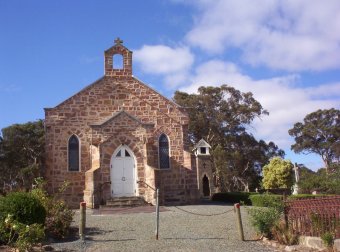
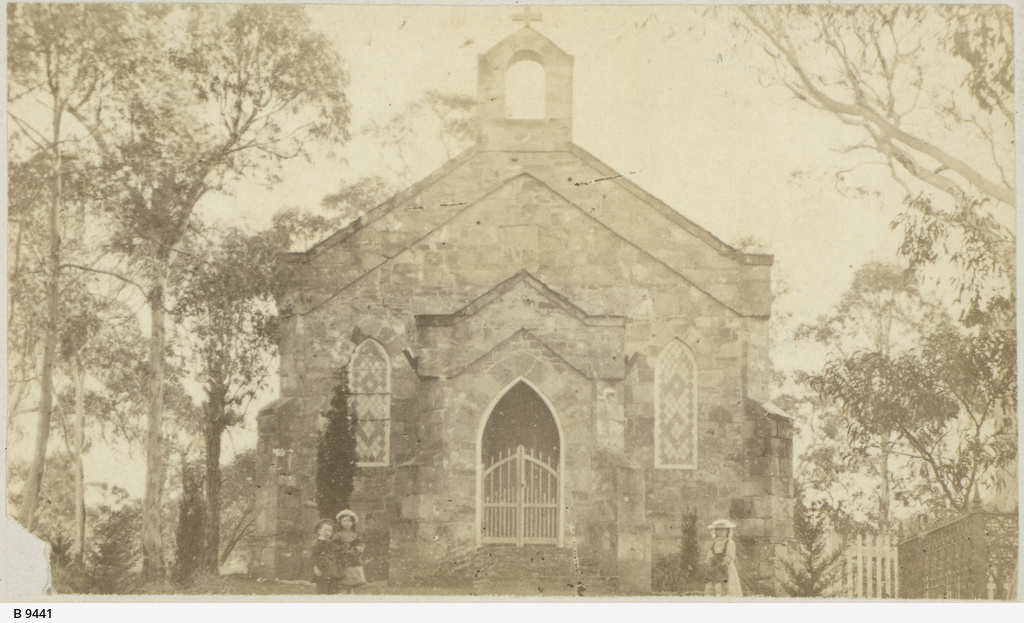
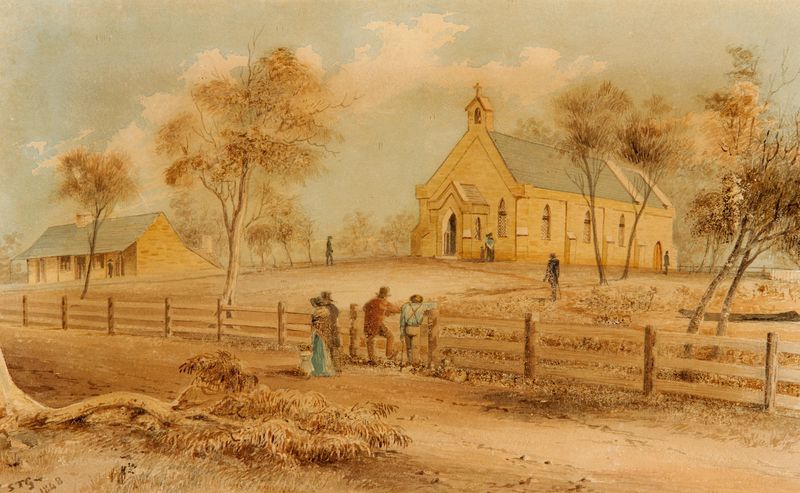
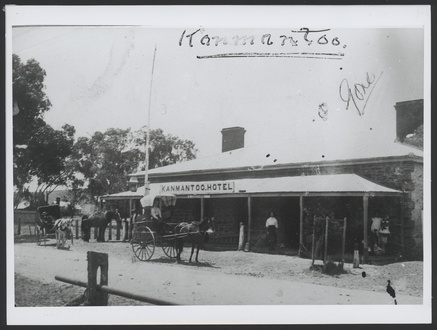
Summary of Israel Adams’s life.
Born Wheal Busy, Kenwyn Cornwall 1835.
1851 British Census, Israel aged 16, Address 57 Wheal Busy Lane, Kenwyn, Cornwall, listed as a stone mason, lived with parents and several siblings.
Arrived in South, Australia on board the Agincourt on 4th December 1855 aged around 20 or 21.
Is listed in Reg Butler’s “History of the Adelaide Hills” as living in the Mount Barker and Littlehampton area for several years.
Married Wilhelmina Augusta Henrietta Spangler, aged around 18, St John Anglican church, Blakiston (between Littlehampton and Nairne) 26th of March 1859, aged around 24.
In 1866 is listed in the Nairne D.C. Assesments as living in Kanmantoo.
In 1867 is listed on Edwin’s Birth Certificate living in Kanmantoo working as a stonemason.
In Reg Butlers list of Publicans, Israel is listed as publican of the Kanmantoo Hotel from 1899 to 1910
In 1900 is listed as a Hotel Keeper Kanmantoo in the Sands and McDougalls Directory.
In 1905 is listed as a Hotel Keeper Kanmantoo on the State Electoral Roll.
In 1911 is listed as a Hotel Keeper Kanmantoo in the Sands and McDougalls Directory.
In 1912 is listed as living in Kanmantoo on the State Electoral Roll.
In 1921 1922 and 1924 is listed as living in Torrensville on the State Electoral Roll.
And 1924 on his Death Certificate is listed as dying from stomach cancer, still a builder, living at time of death Military Road, Semaphore South, number of living children 2 male 1 female, deceased children 5 male 5 female, aged about 89, according to Murray Bridge Council records, Israel, Wilhelmina and four of their children are buried in the same plot.
Nairne District Council Assessments for Israel Adams between 1866 and 1916
1866 Kanmantoo
1878 Kanmantoo
1889 Rented blocks 17 and 29 Kanmantoo
1906 Rented blocks 17 and 19 and owned part of block 30 Kanmantoo
1908 Rented blocks 17 and 19 and owned part of block 30 Kanmantoo
1910 Rented blocks 17 and owned part of block 30 Kanmantoo
1916 owned block 17, owned part of block 30 and rented part of block 30 Kanmantoo
Book about Kanmantoo’s History
The Following Information is Taken from a Web page on “Flinders Ranges Research”
| With the influx of miners and farmers the eight-roomed Britannia Hotel was built and licenced from 1857 to William Cornelius. In September 1860 Cornelius was declared insolvent and all his property put up for auction. It remained unsold and in December 1860 the licence was transferred to Hermann Appelkamp. In 1867 he renamed it and it became the Kanmantoo Hotel. In 1870 W. Humphries became the new publican. There had been other hotels in Kanmantoo. The Black Dog Inn was opened in June 1856 but only traded for a very short time. C. Bradley opened his Miner’s Arms Hotel in 1870 this too had a short life.The Britannia building was made of local stone and timber with walls some two feet thick. Red Gum slabs were used as support beams and Huon pine for the windows and floors. After its closure as a hotel the building was used by John Dally who extended it and traded from it for many years as boot maker, storekeeper and postmaster. By 1896, when the town had a population of 120 in 38 houses, his son John had become the postmaster. The building survived all its occupants and is still in use today. |
|---|
Some of the above information does not appear to be 100% correct.
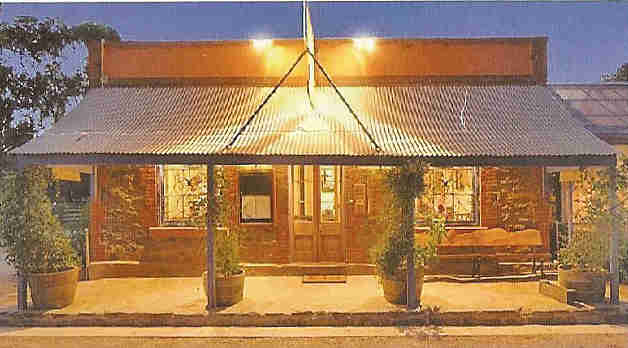
| During its long history Kanmantoo has seen many changes. Many of its original buildings have disappeared but the building first used as the Britannia Hotel has been refurbished by Tony and Zeny Sanso, who arrived in Australia from Italy in 1964. Since 2001 they have used it as the Osteria Sanso licenced restaurant together with two 4-star-rated cottages. |
|---|
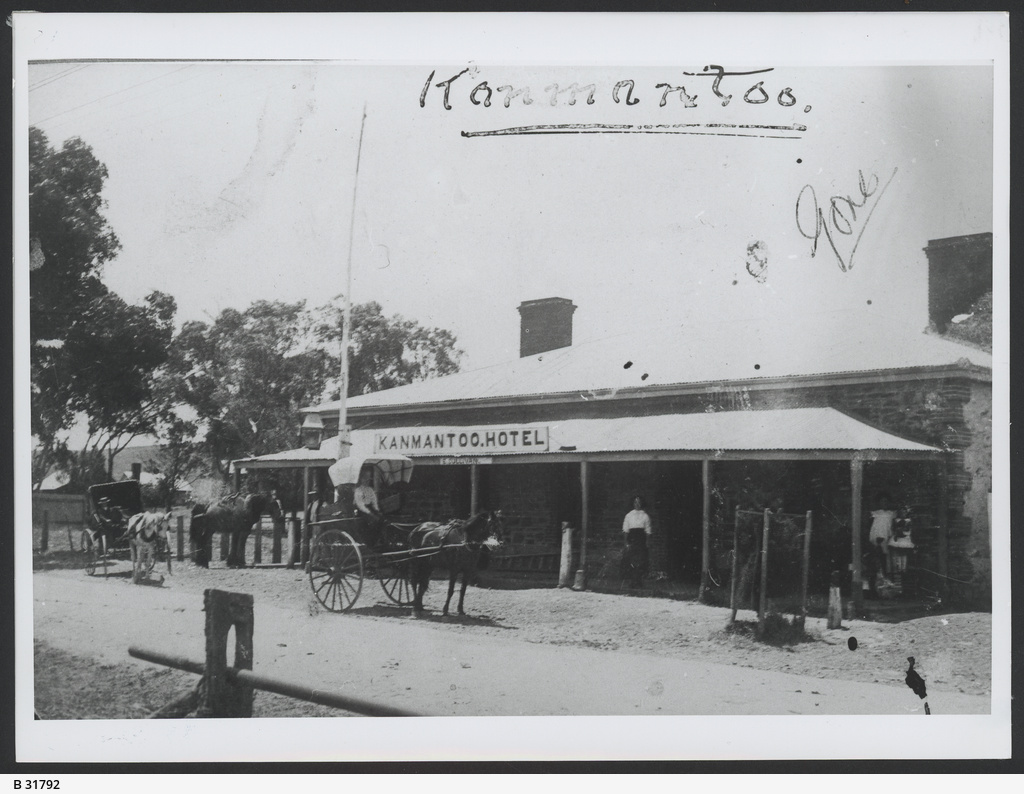
According to a letter I have from A.R. Mills (Author of “Kungna Tuko” a book about Kanmantoo and surrounding areas), to one of my cousins, Israel also ran the “Miners Arms Hotel” for a short time, at the other end of town where Mine Road is, it was actually knocked down to alter the alignment of the road.
Some old Family Photos/Family History
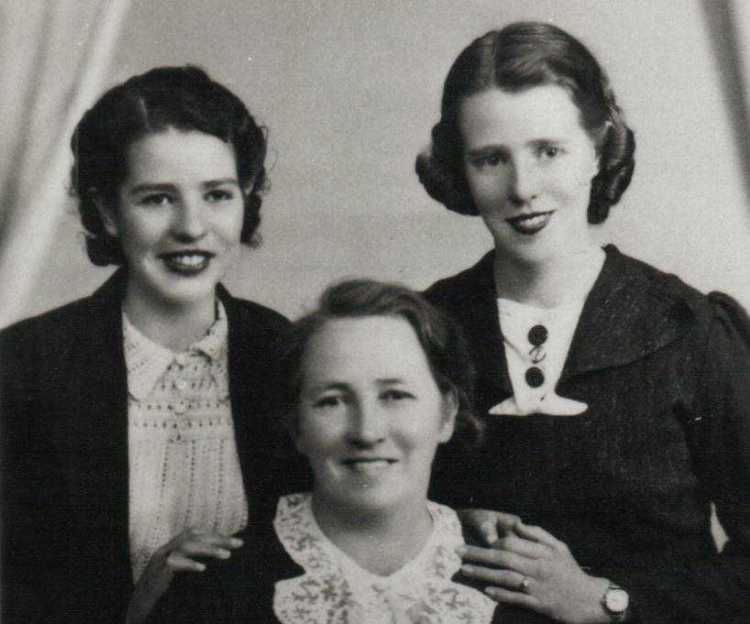
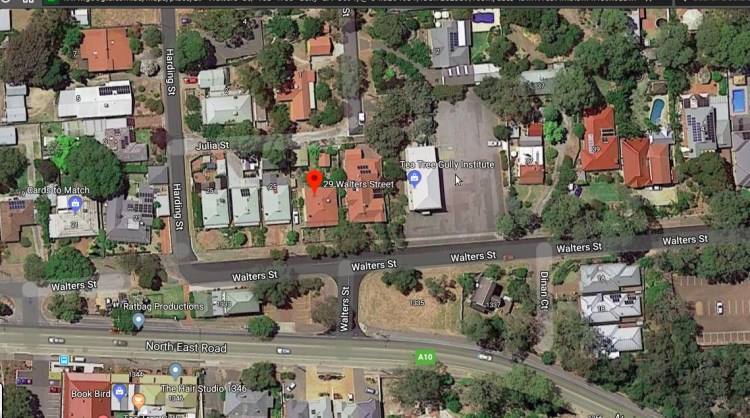
I learned to ride a push bike and to park a car in the car park of the Institute, there used to be a projection booth on the front of the Institute and they used to show movies there can remember seeing several there before TV started in SA, (We were one of the first locals to get a TV) the Institute used to have Youth Club, Institute Library of SA, Table Tennis, etc.. On the Eastern side of Dinan Street used to be a Hall and Tennis Courts, we used to frequent the Hall playing Pool there. Where you can see the number 1335 in between Walters Street and NE Road, was a derelict house that had been empty for decades (Sterrets), we used to play in it sometimes.
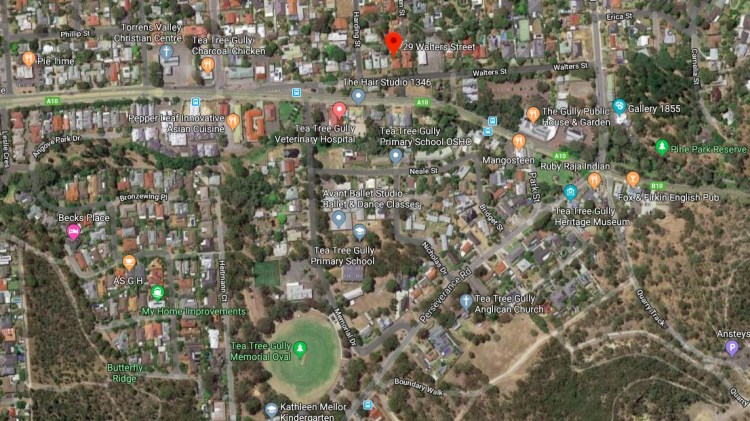
You can see Tea Tree Gully Primary School where we all got our Primary Education.
The area to the west (Left) of Heitmann Ct. was Angoves Vineyards.
Tea Tree Gully Memorial Oval is where Rick started playing football before the Club built Pertaringa Oval. Alongside TTG Oval is the RSL and Tennis Courts we used to try playing tennis here sometimes.
On the Corner of Memorial Drive and Main North East Road (left/West) was the Doctors Surgery and a small Chemist Shop, it is now Memorial Park, with a Hardware Store next to that.
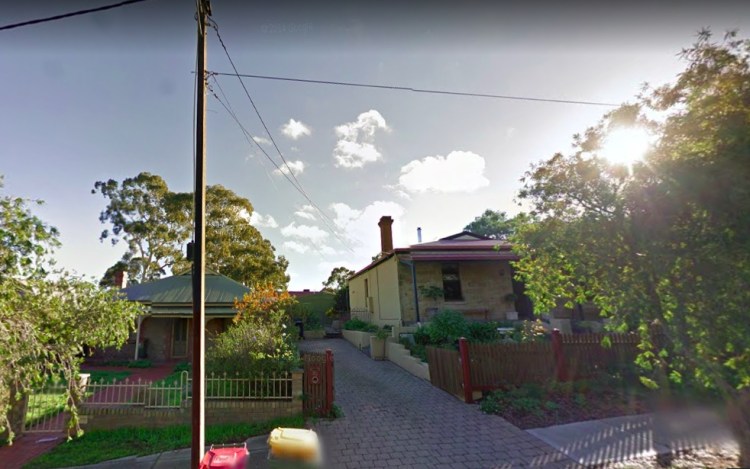
The house sure is different to when we lived there.
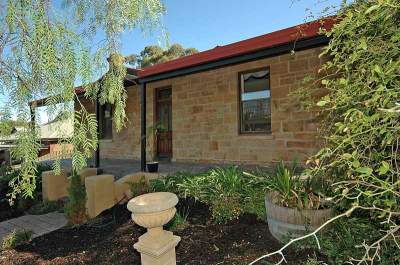
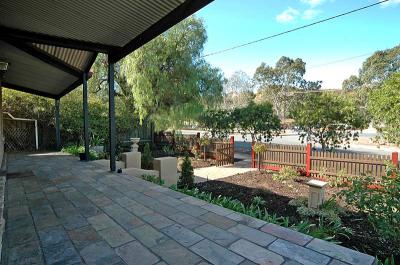
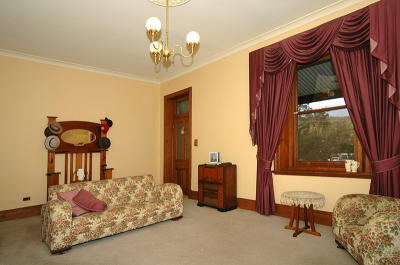
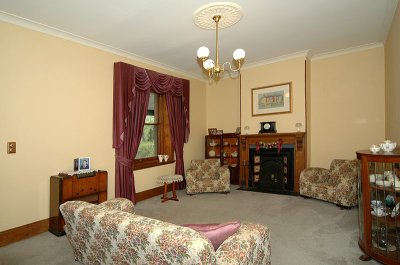
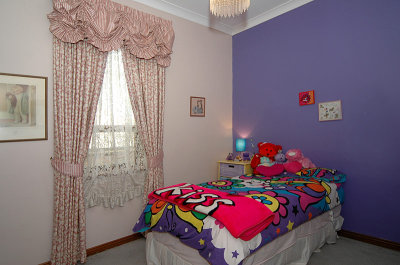
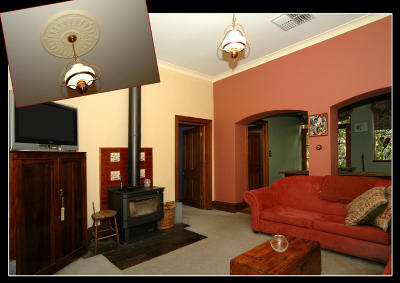
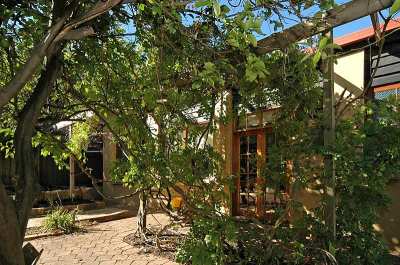
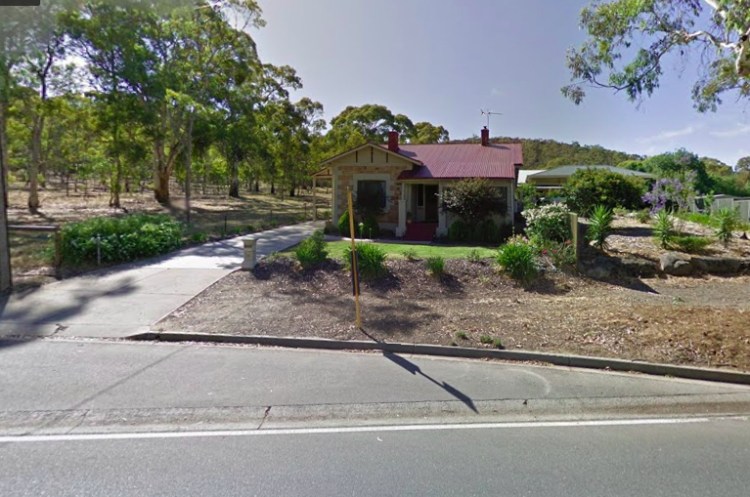
When we were younger we went to Uncle Reg’s for a haircut, he used to put a bowl on our head, and everything below the bowl came off, I can also remember a long-drop toilet in his back yard, and like our place the doors were never locked.
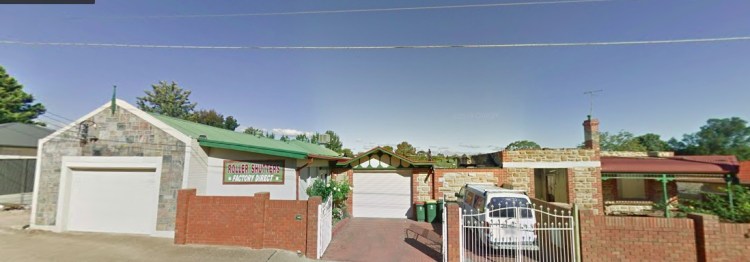
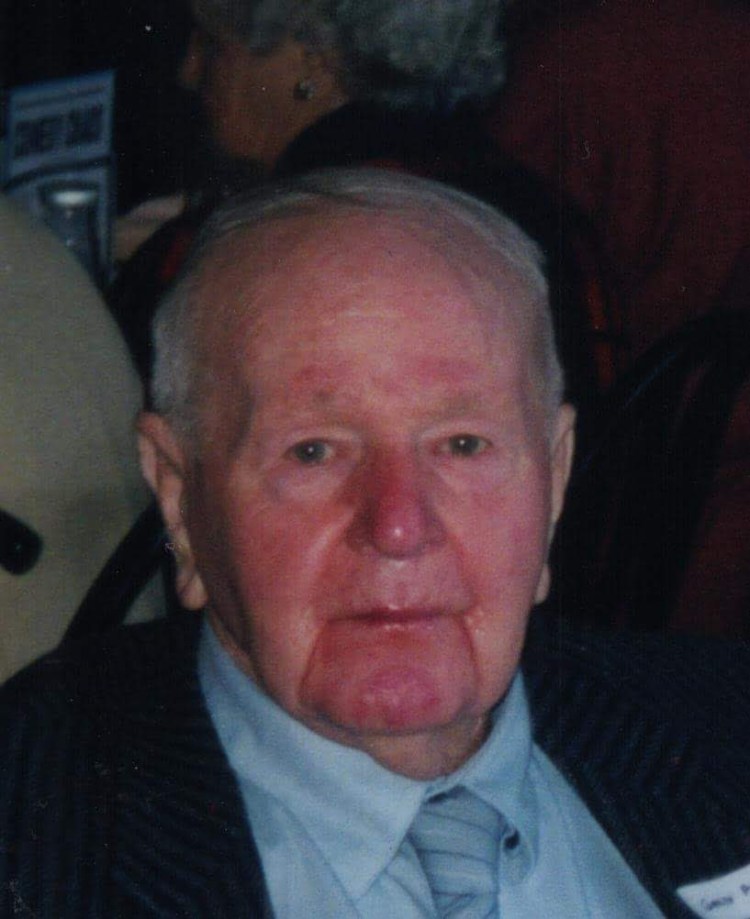
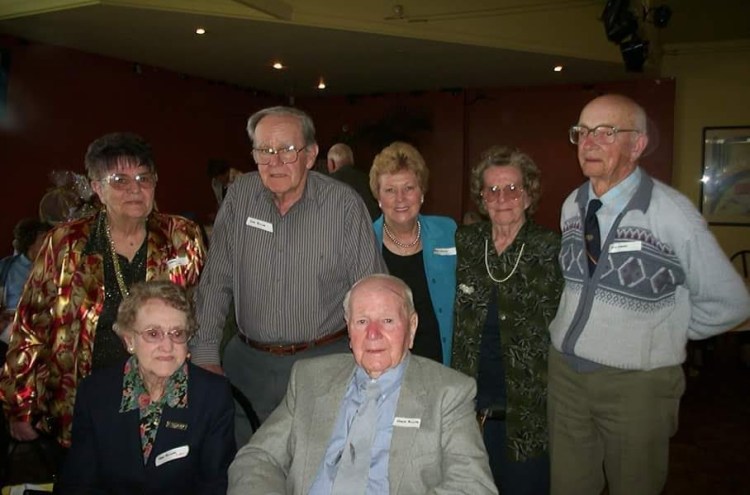
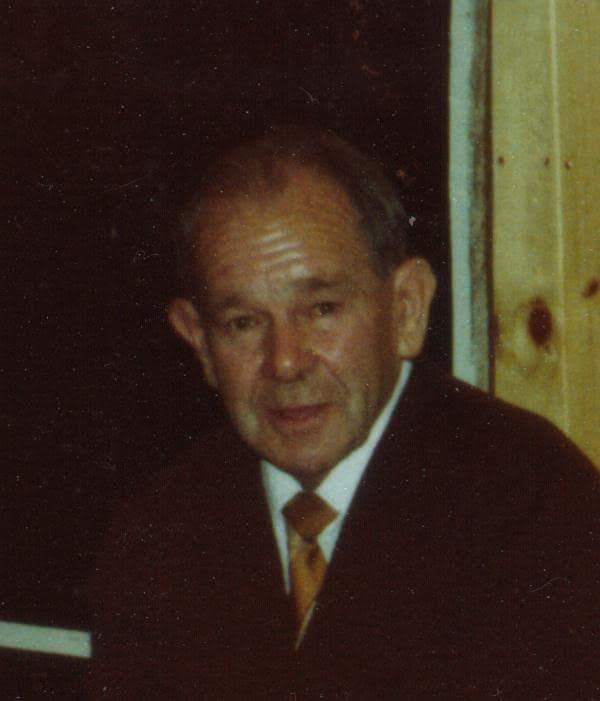
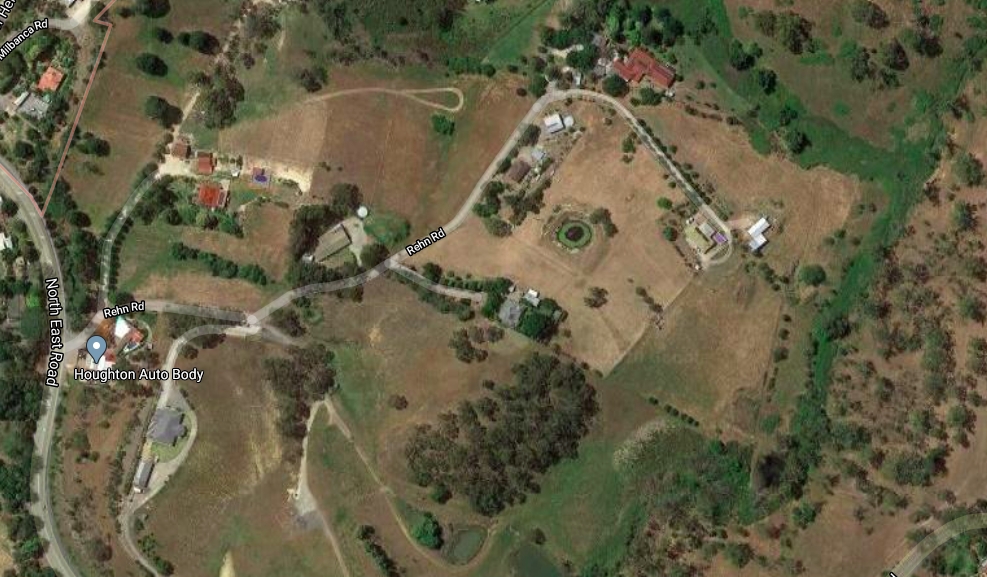
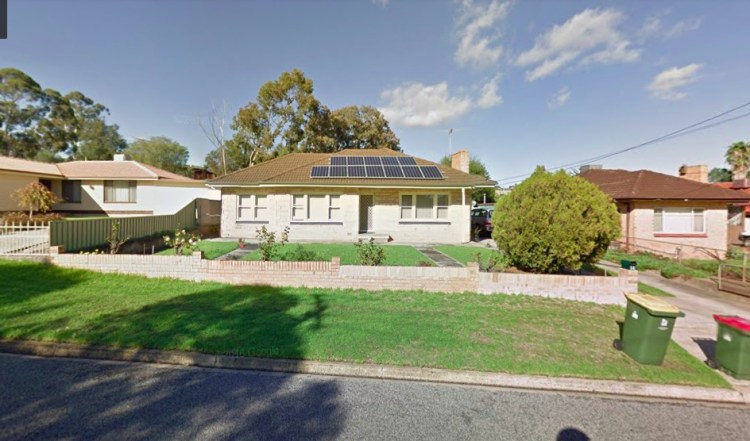
I can remember Mick (Gordon Douglas Adams) building the garden wall out front for him in about 1959.
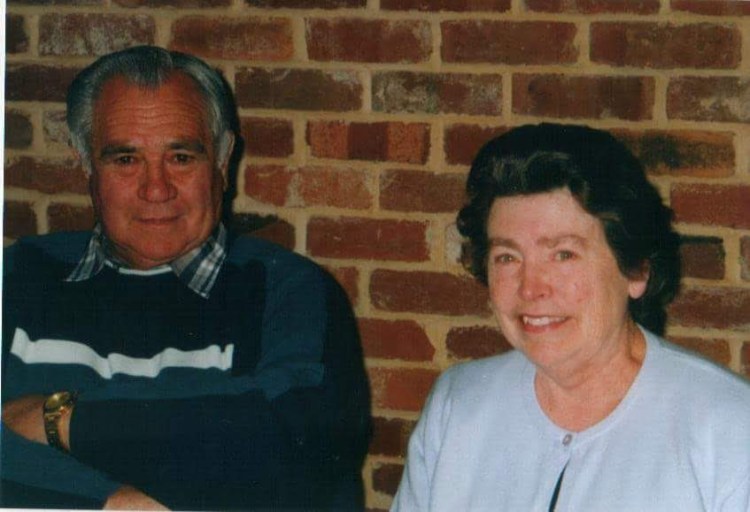
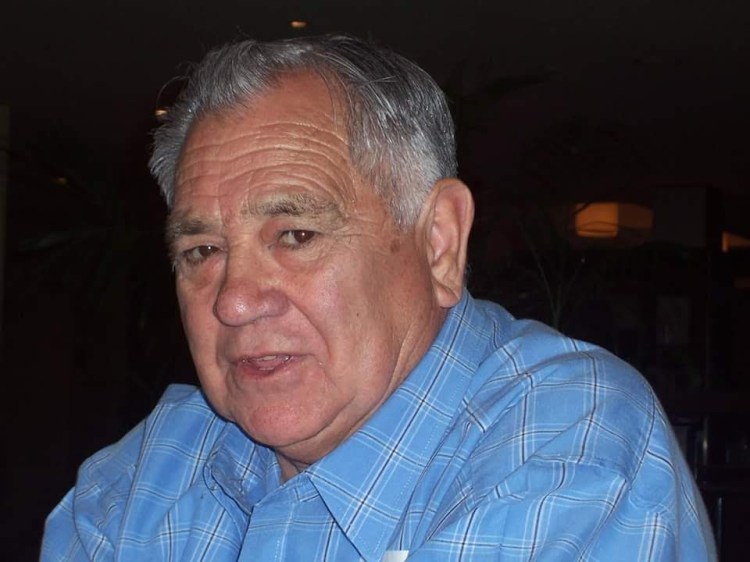
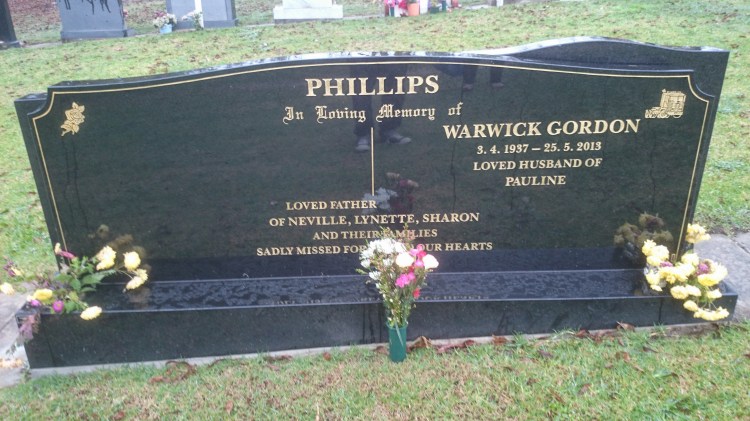
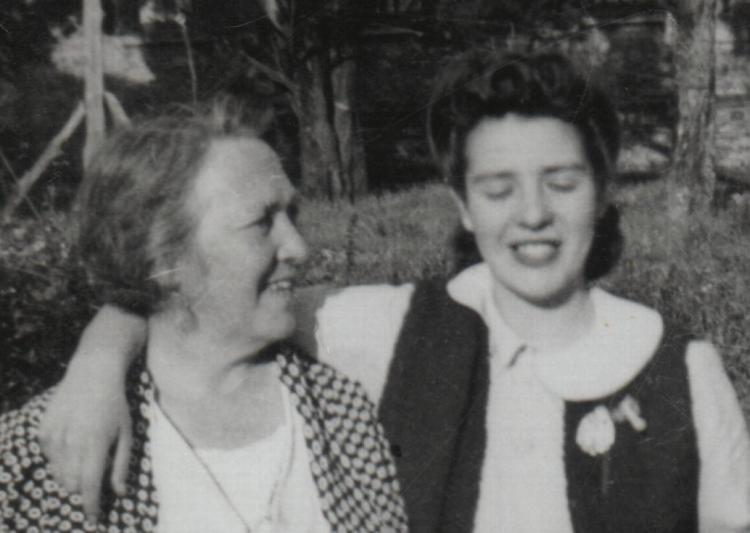
You can see one of the clothes line post on the top block in the background.
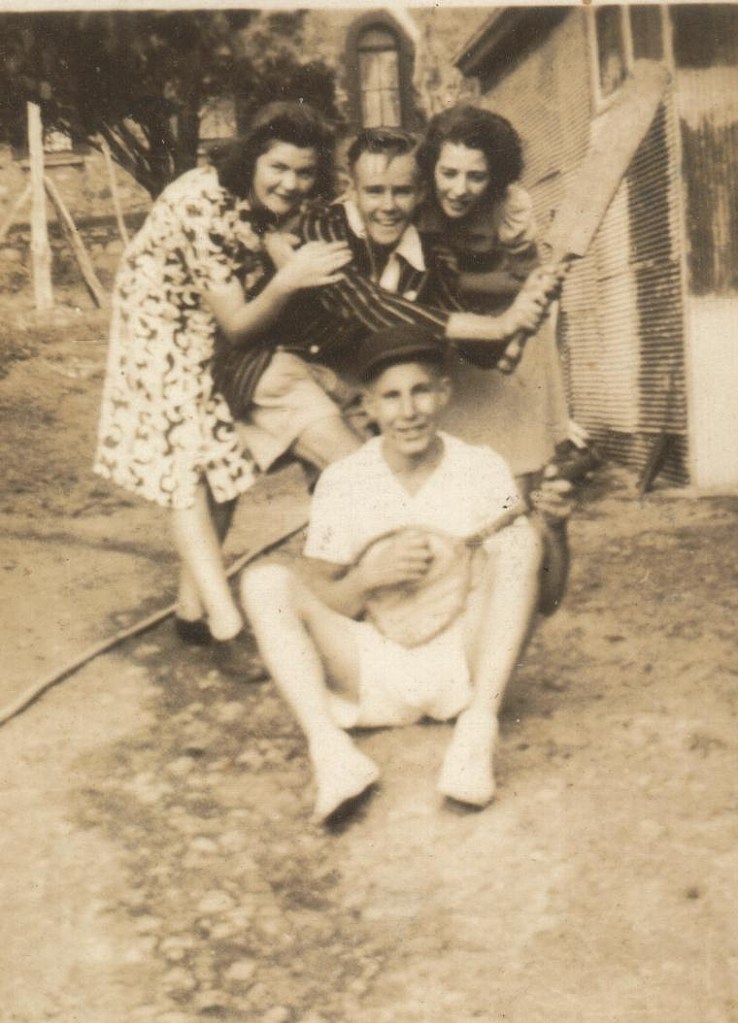
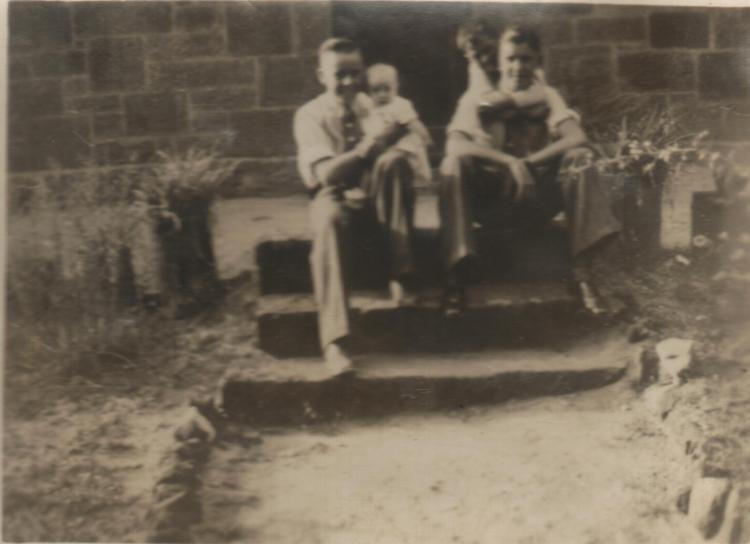
Look at the beautiful stone-work, can’t for the life of me figure why Mick got George Buckland to plaster over it, can just barely remember it happening, would have been in the early 1960’s and a few years later we started having salt damp problems, I guess the plaster sealed the moisture in from the outside so it came out on the inside, instead.
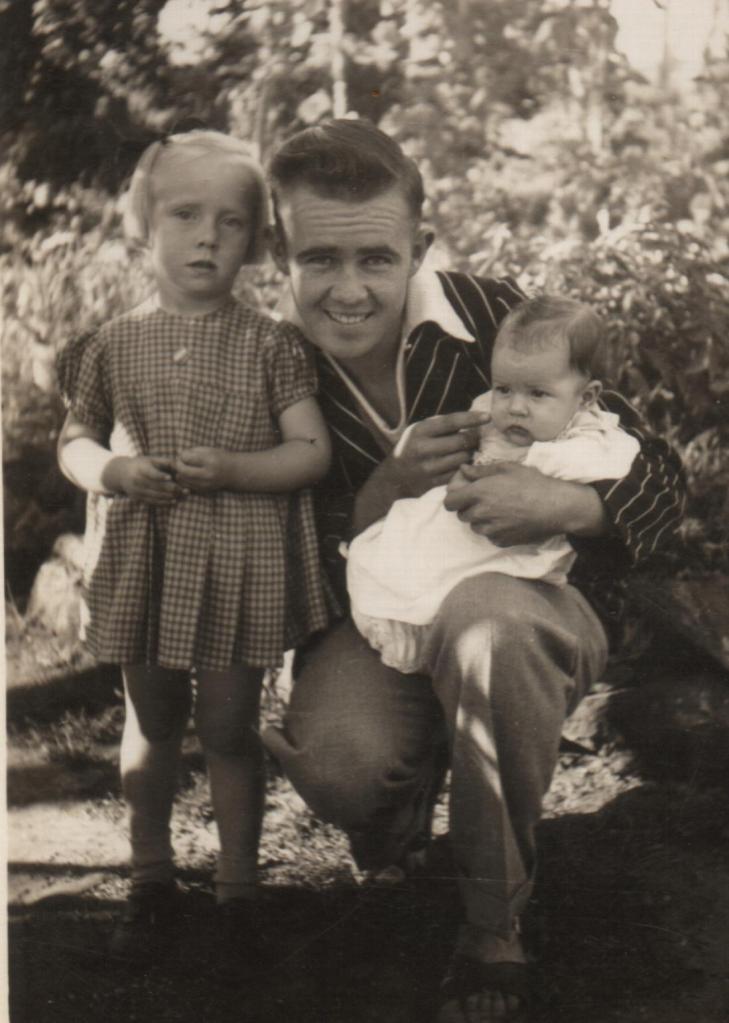
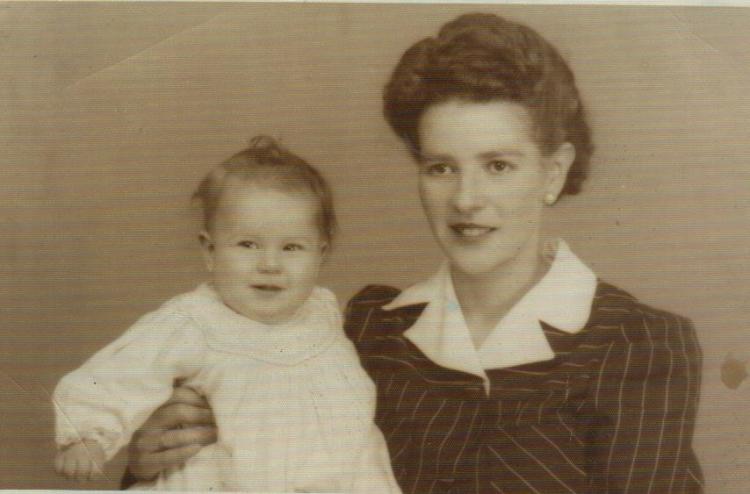
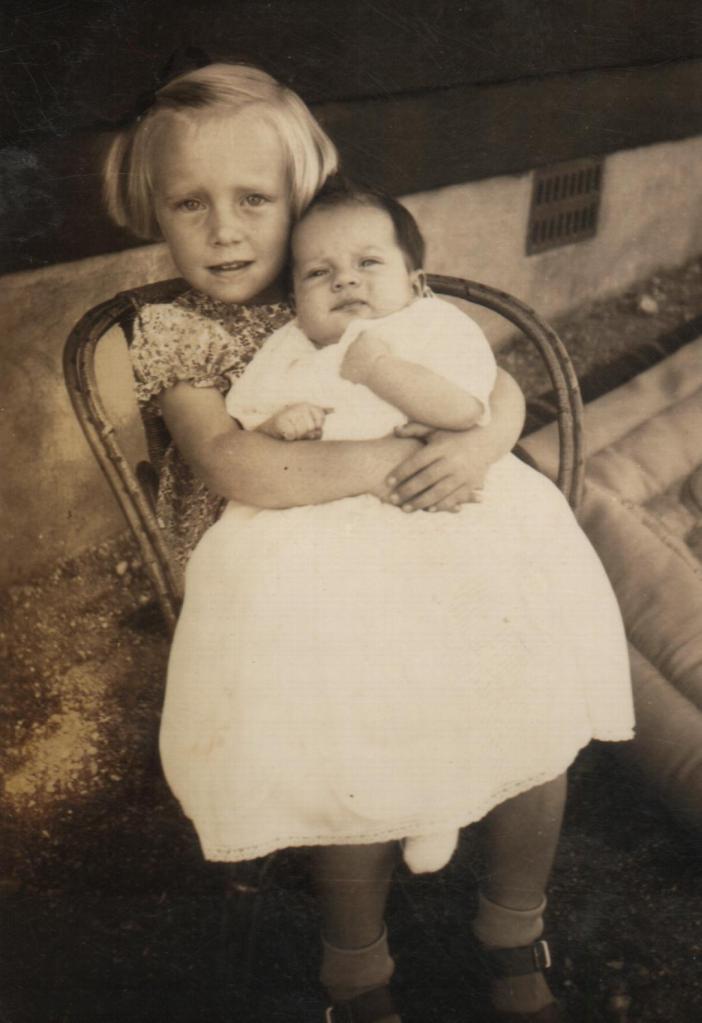
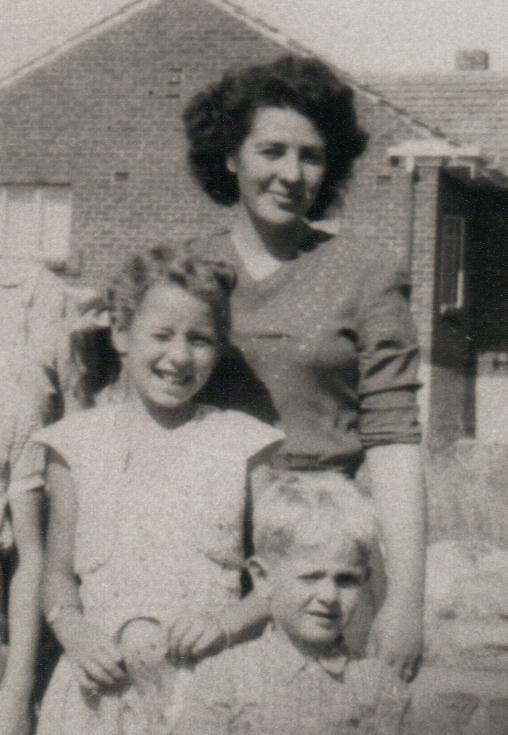
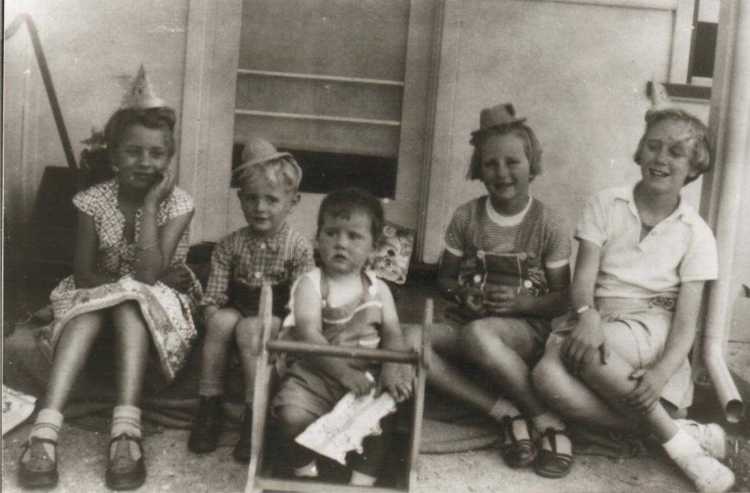
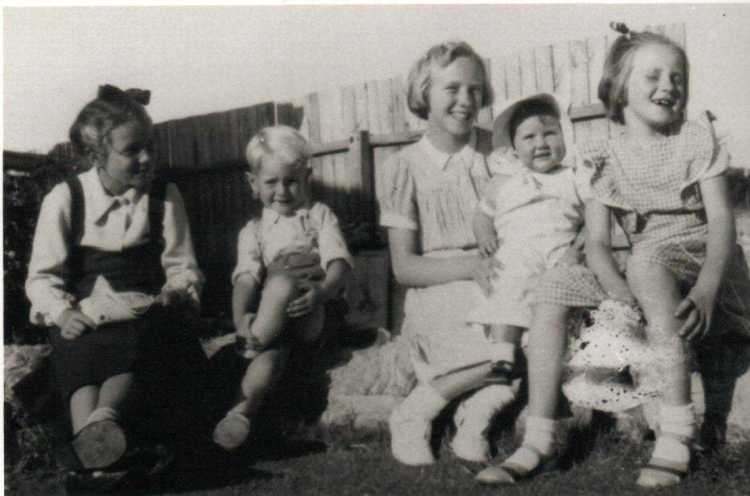
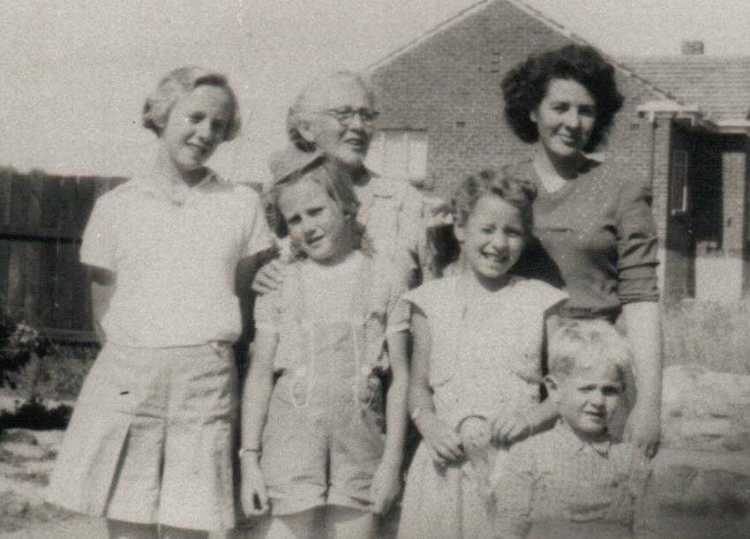
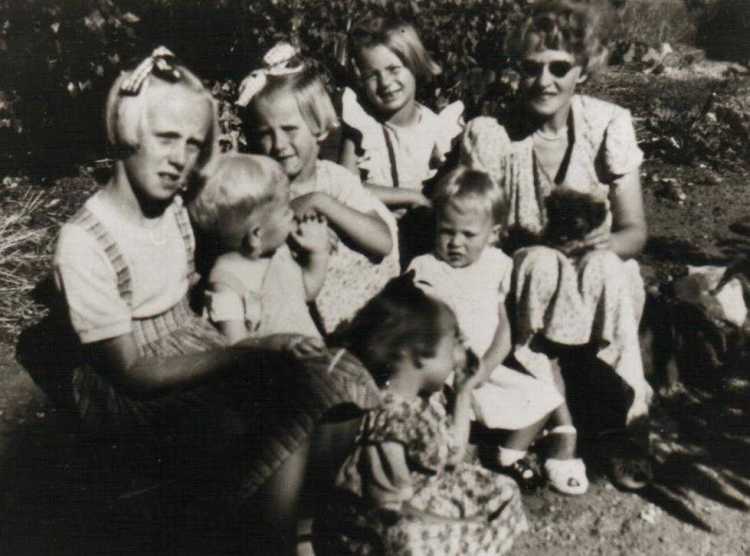
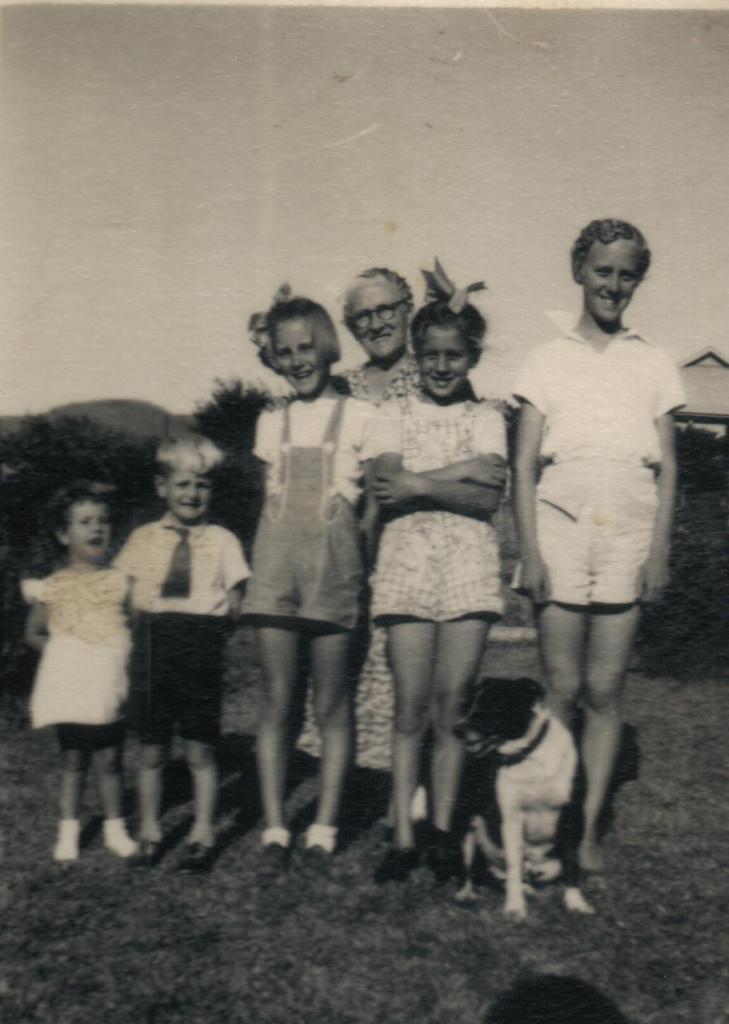
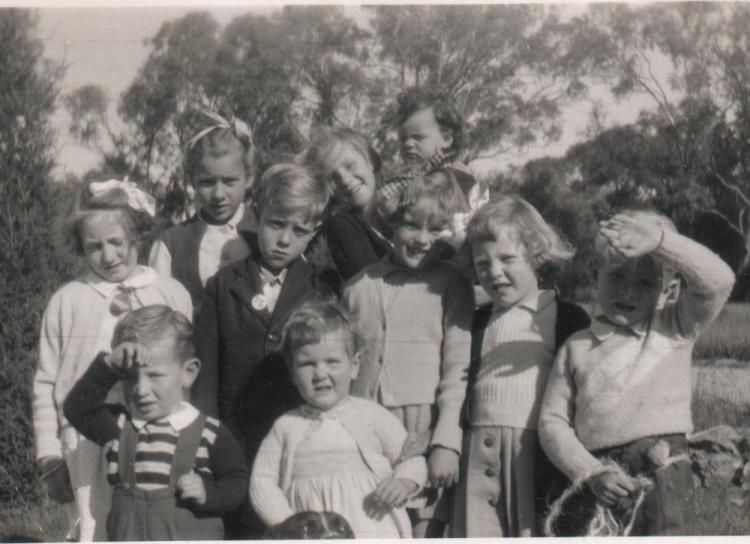
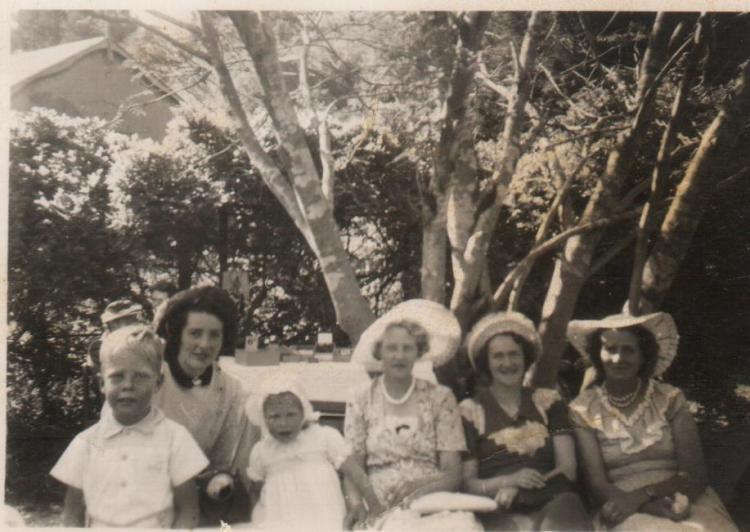
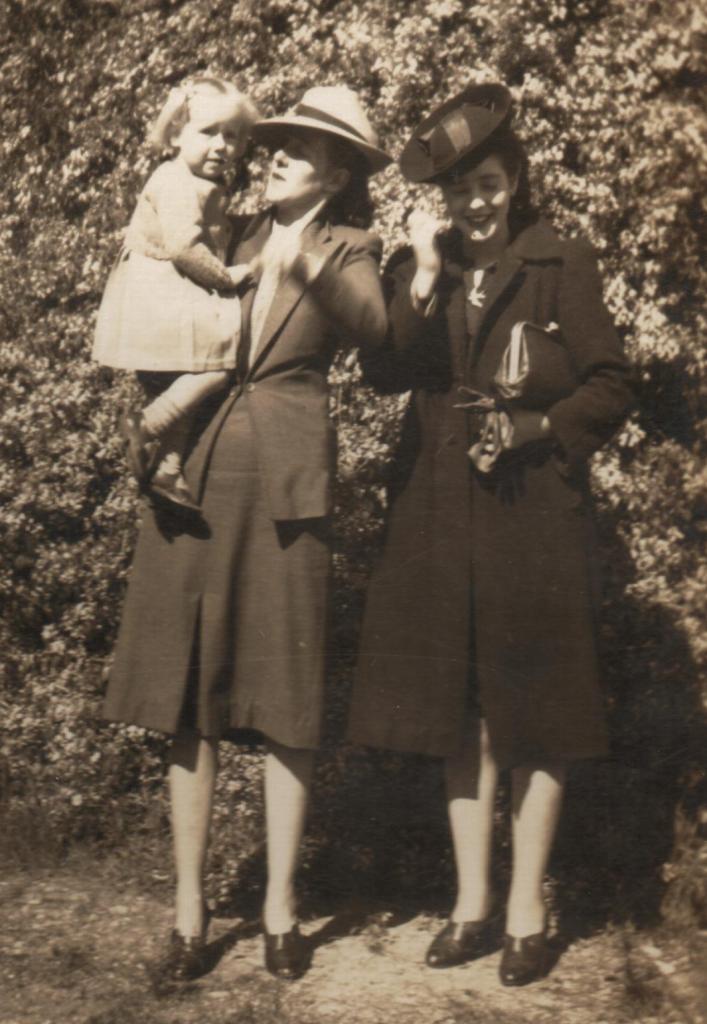
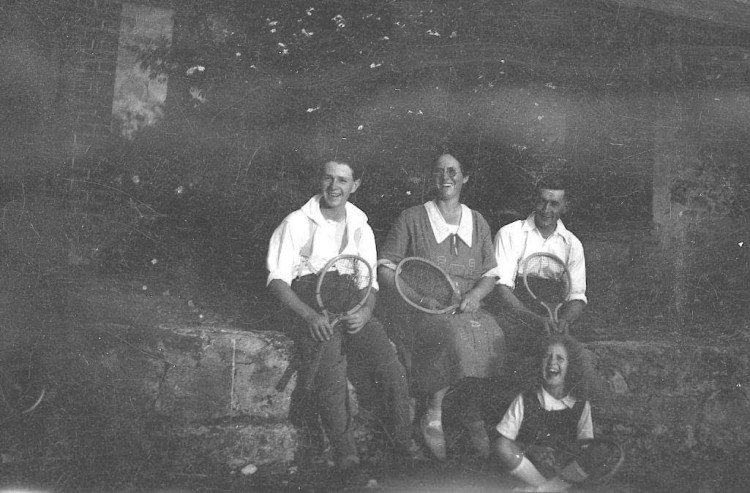
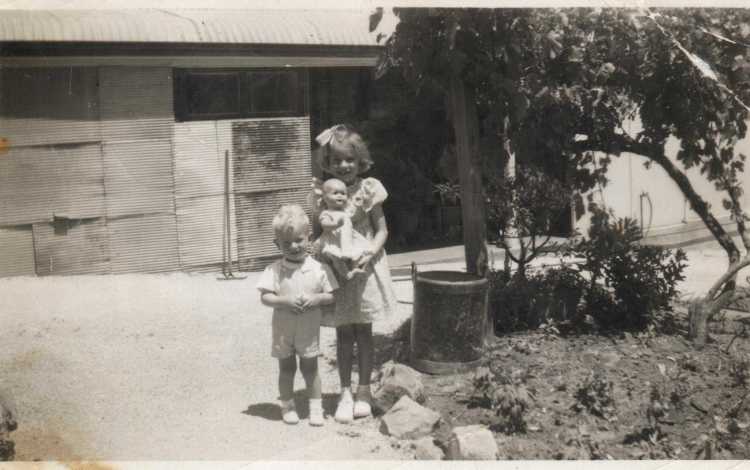
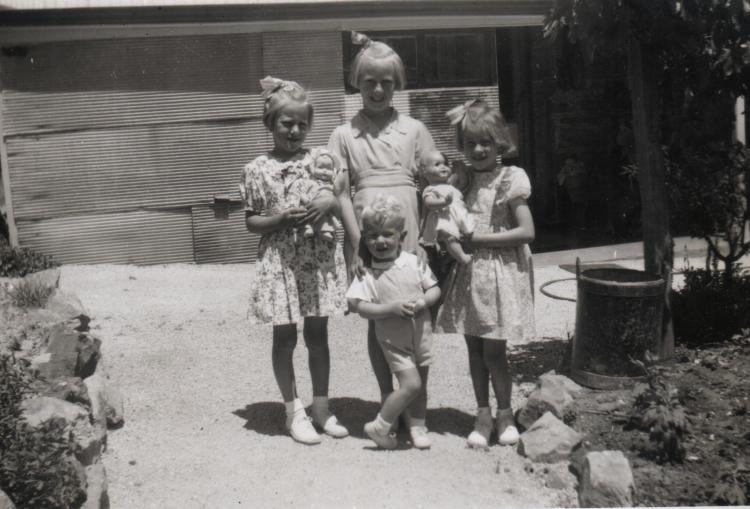
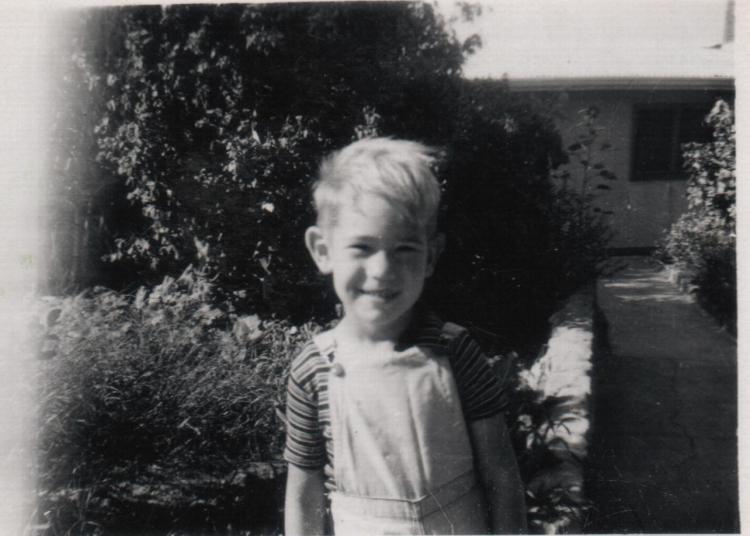
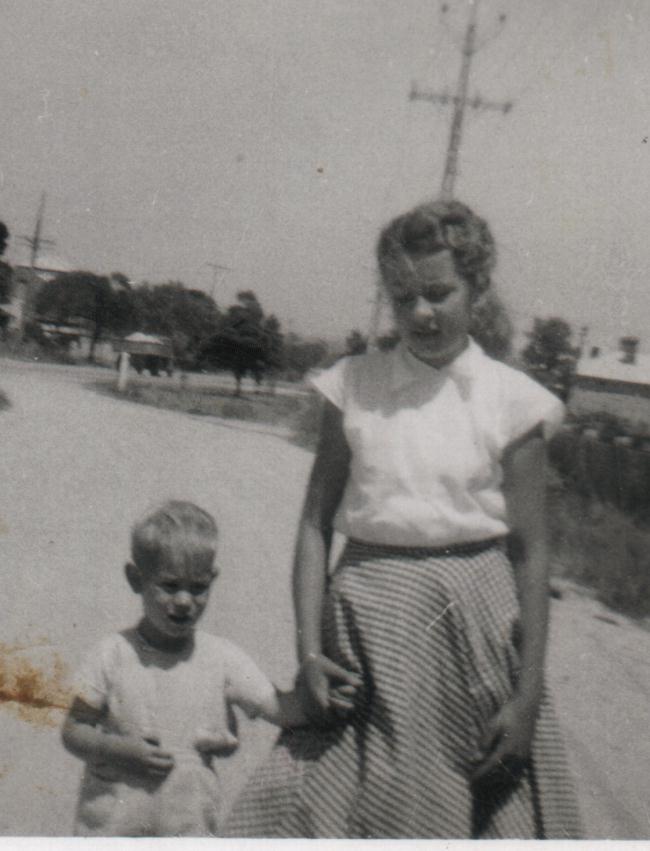
Straight across the road from Angoves was our local Church.
Alongside of where we are pictured was an old Stable, which was demolished for a NEW Doctors surgery and other Shops in the late 1960’s,
and straight across Main North East Road from the Deli and Butcher was the Hardware we had pretty much all the shops you needed within walking distance of home, including Doctors and Dentist.
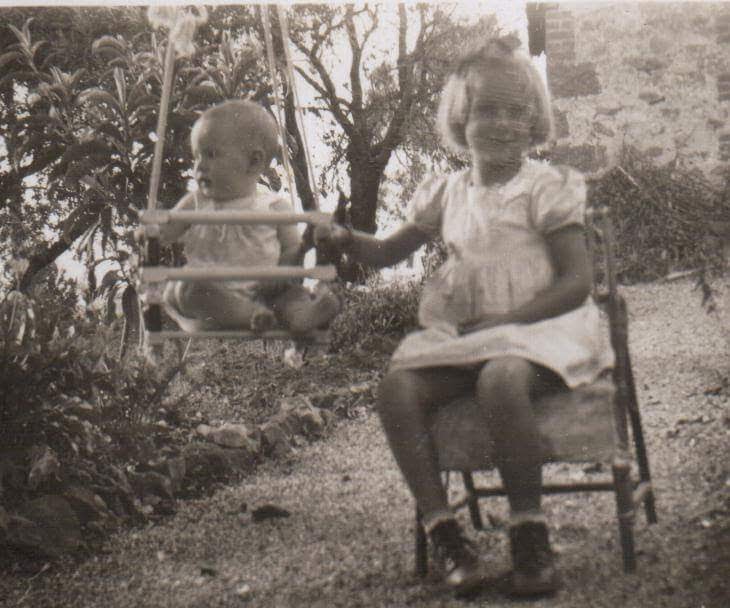
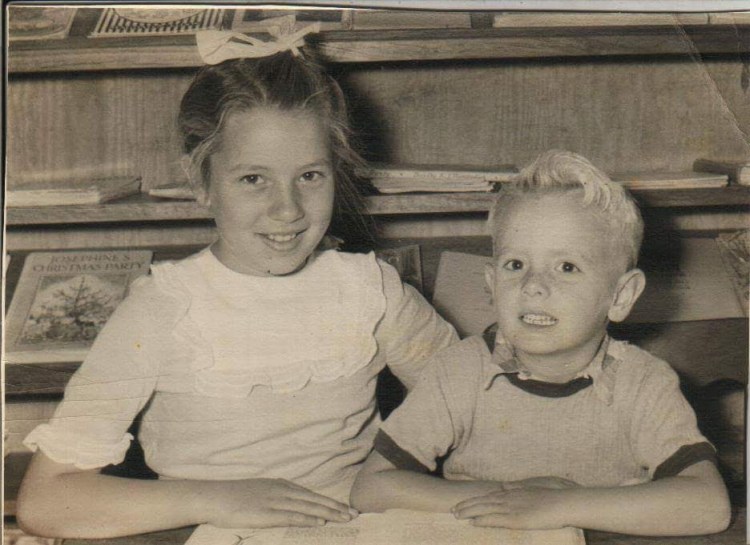
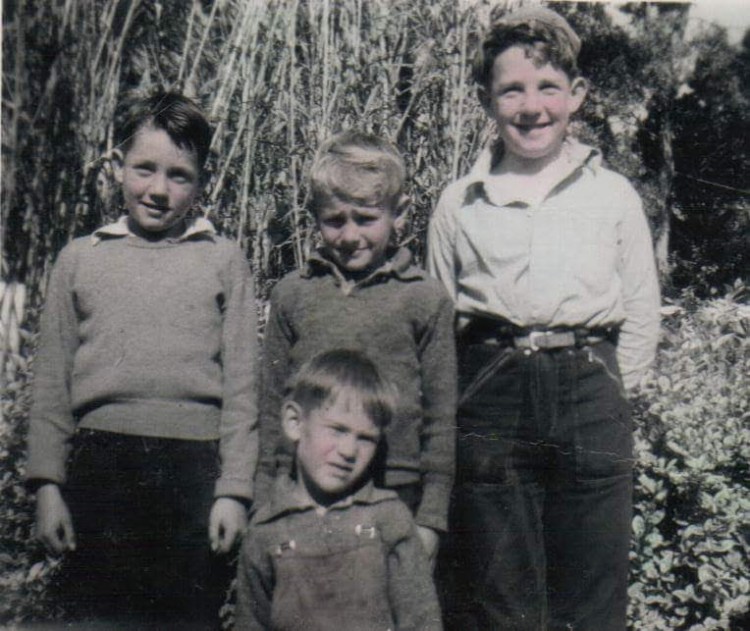
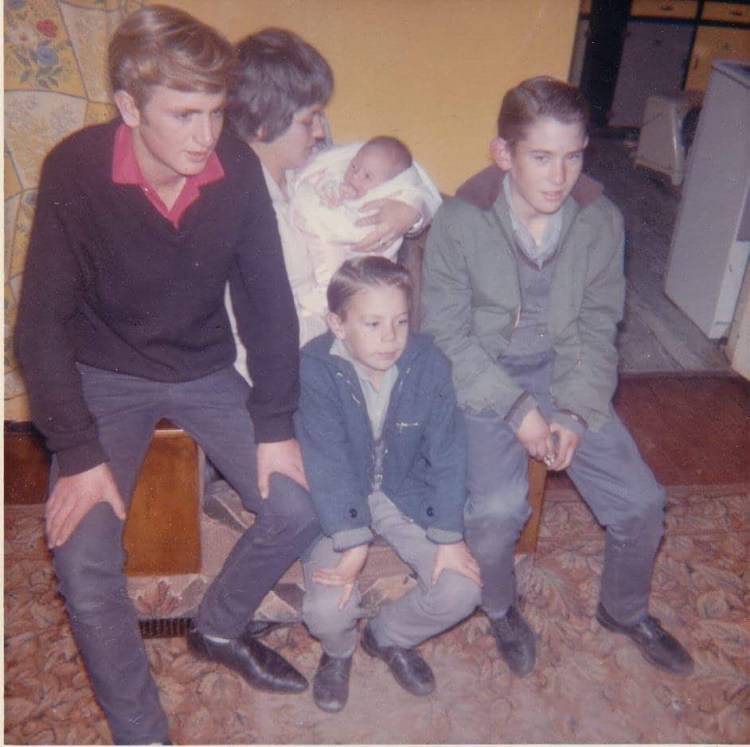
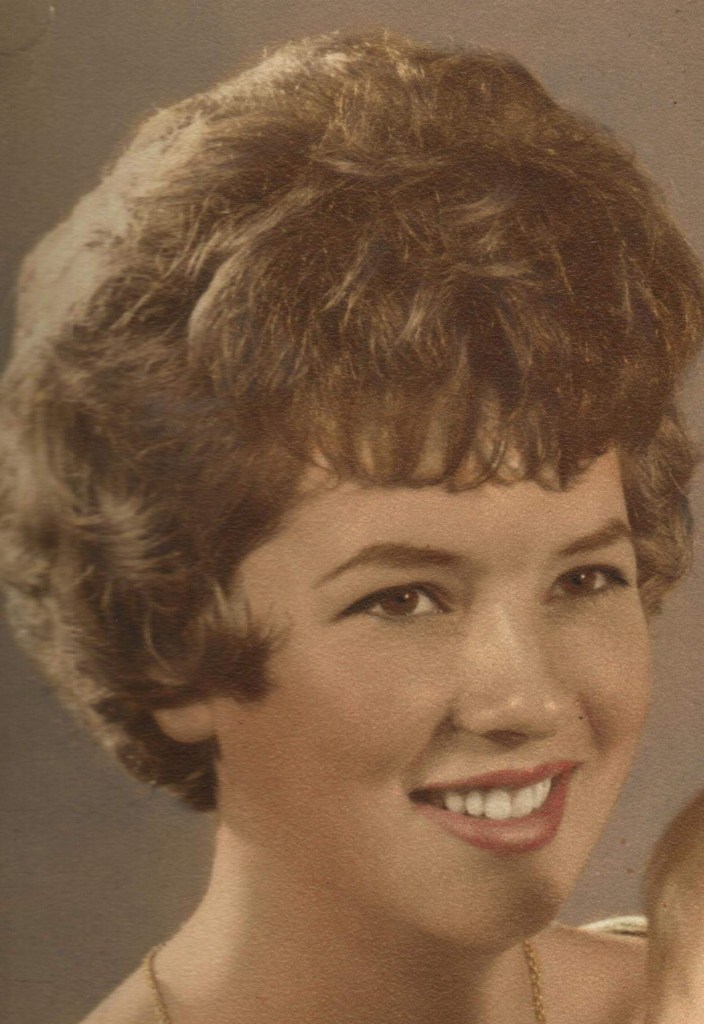
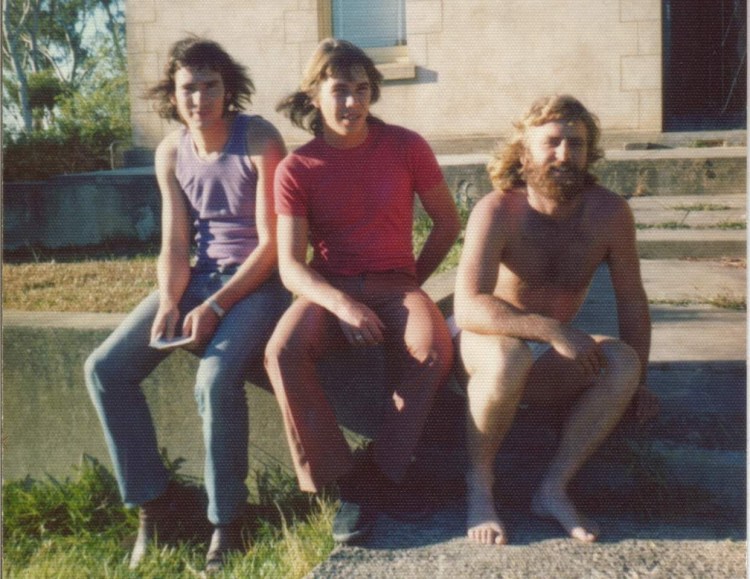
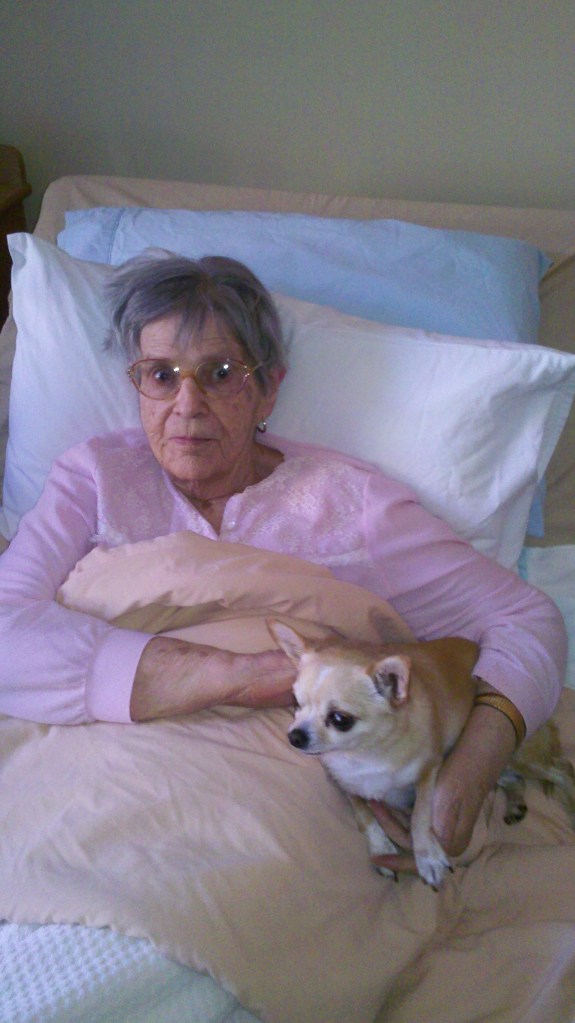
It’s been over five years but still missing you.
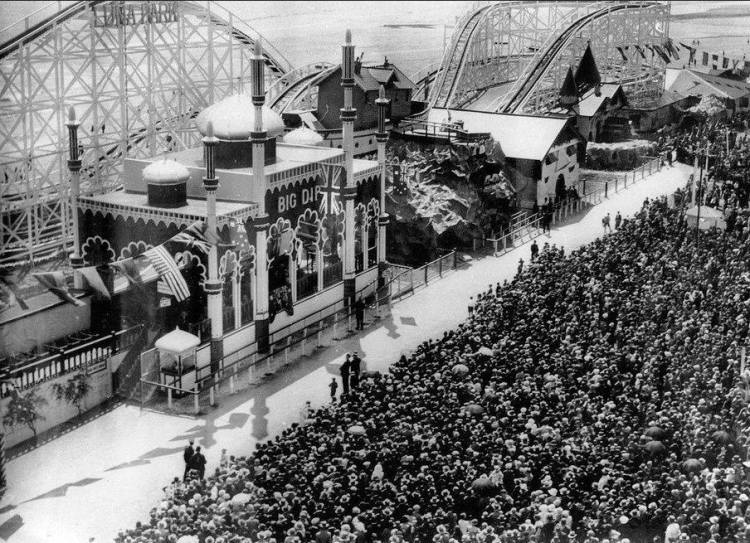
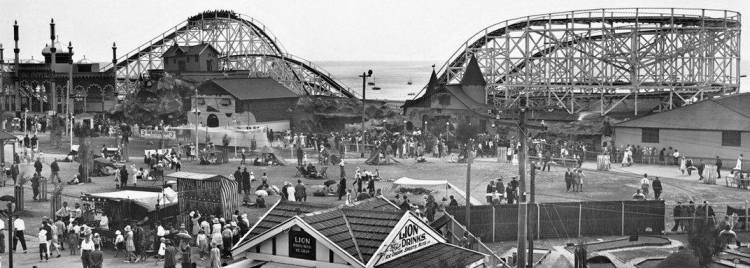
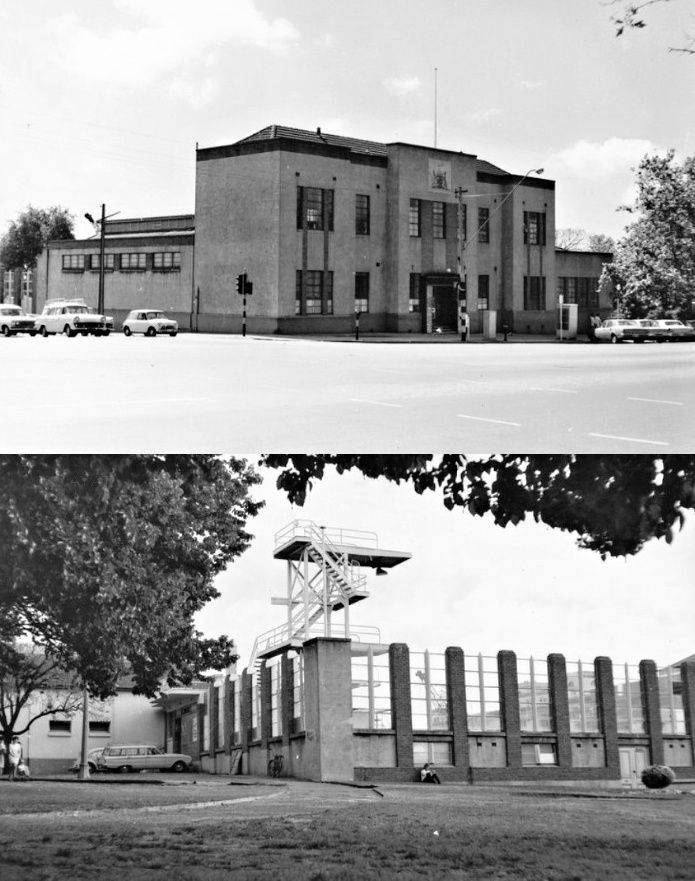
Adams Family
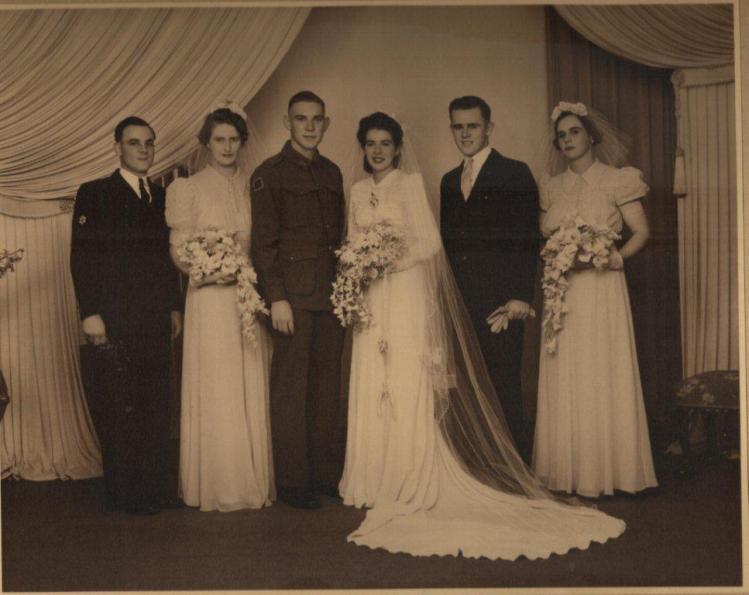
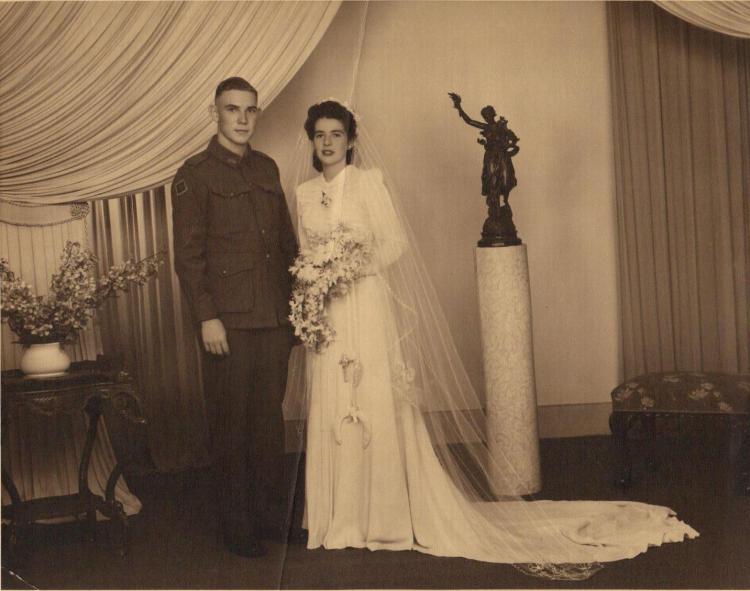
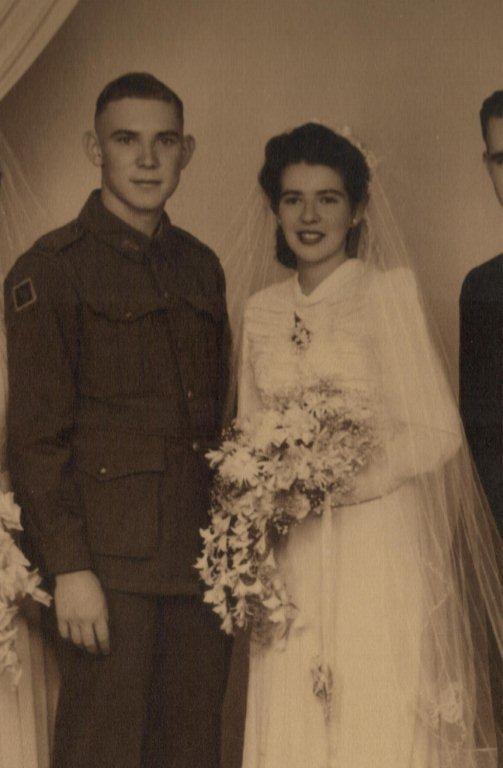
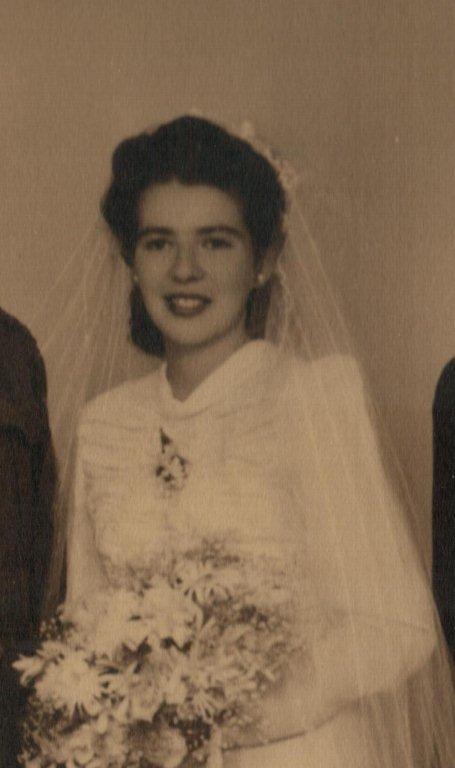
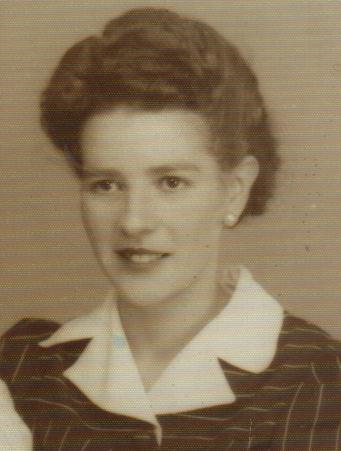
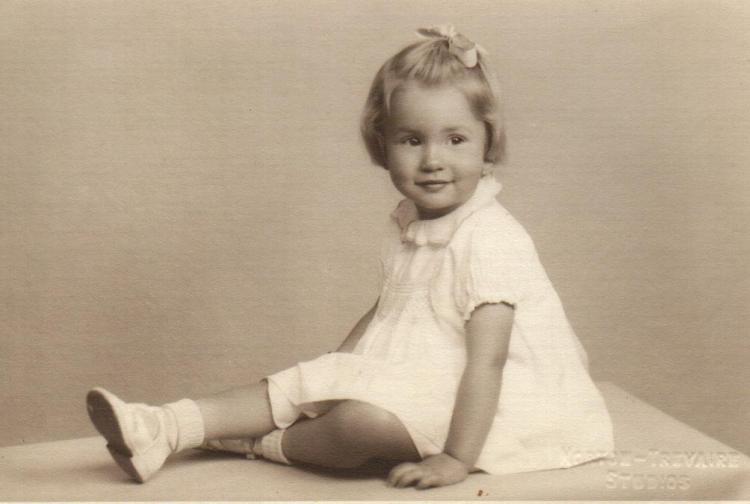
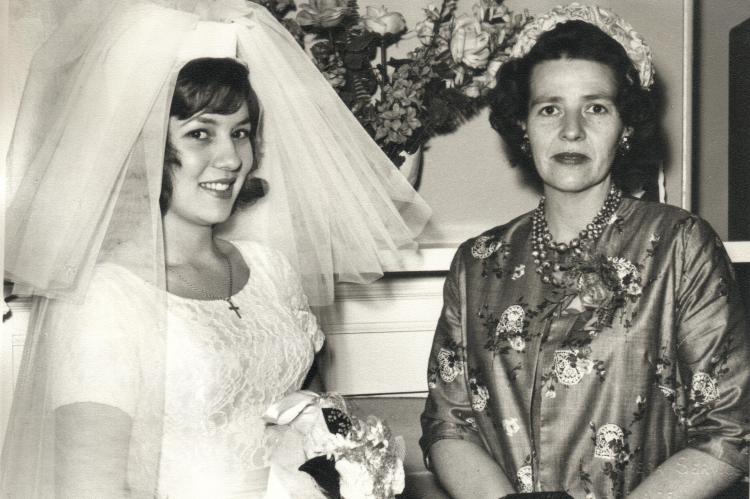
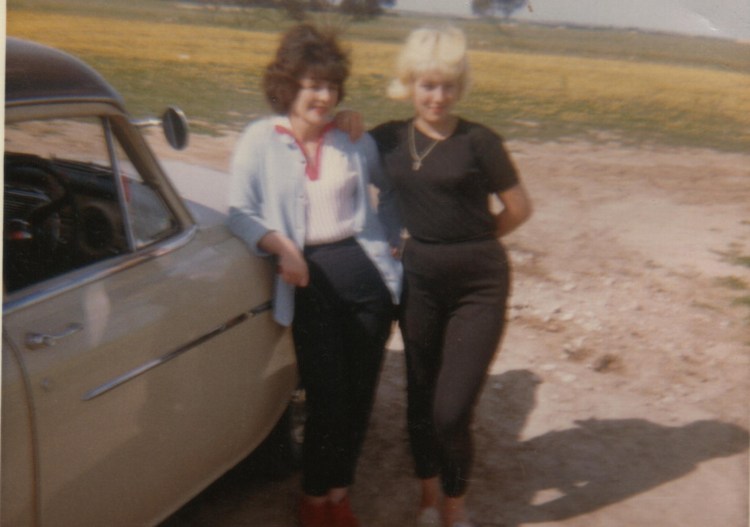
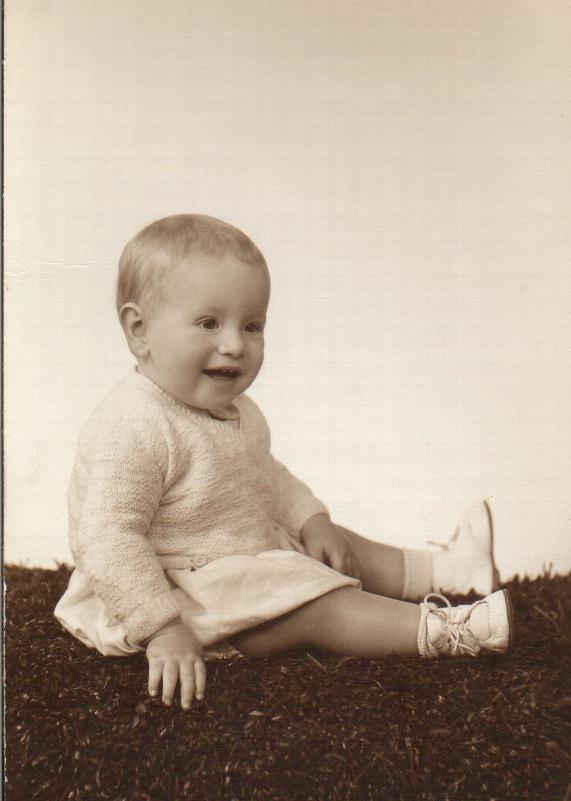
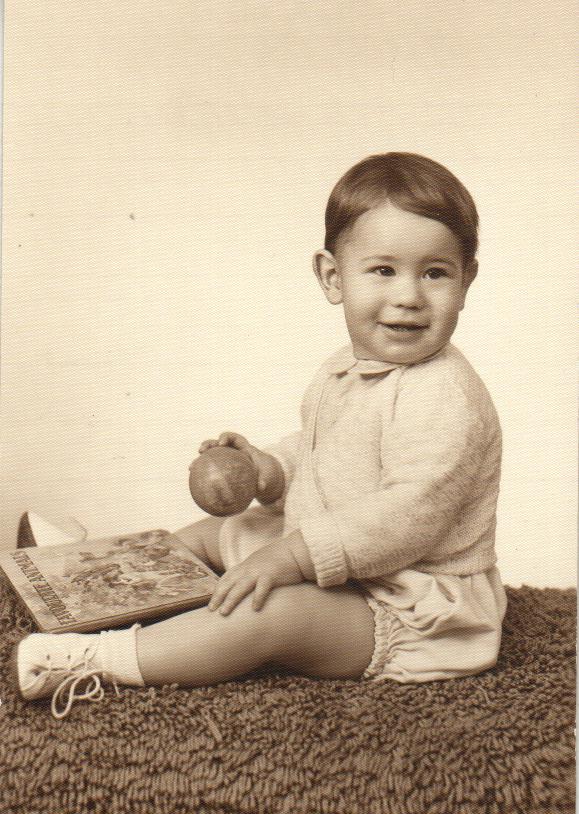
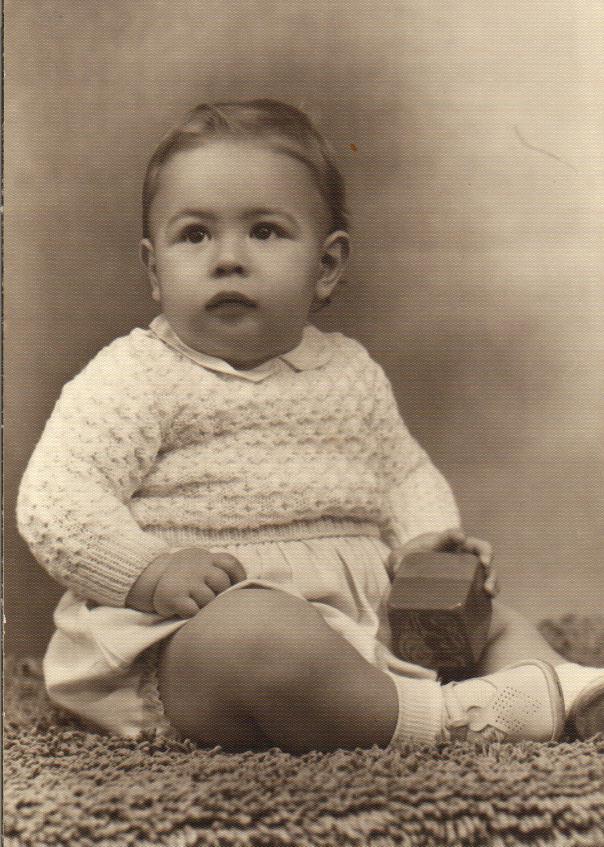
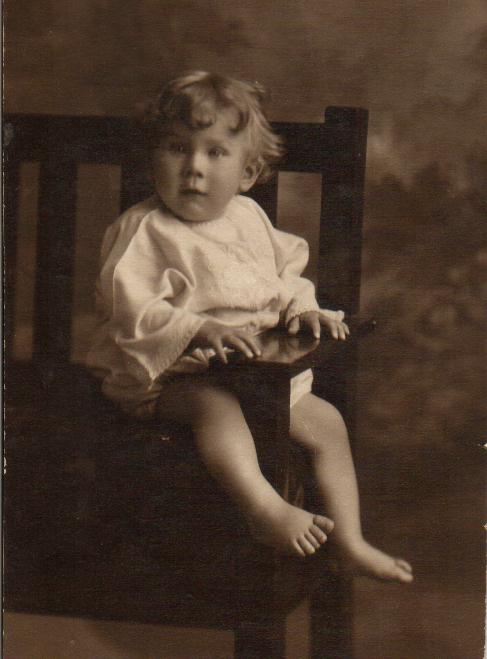
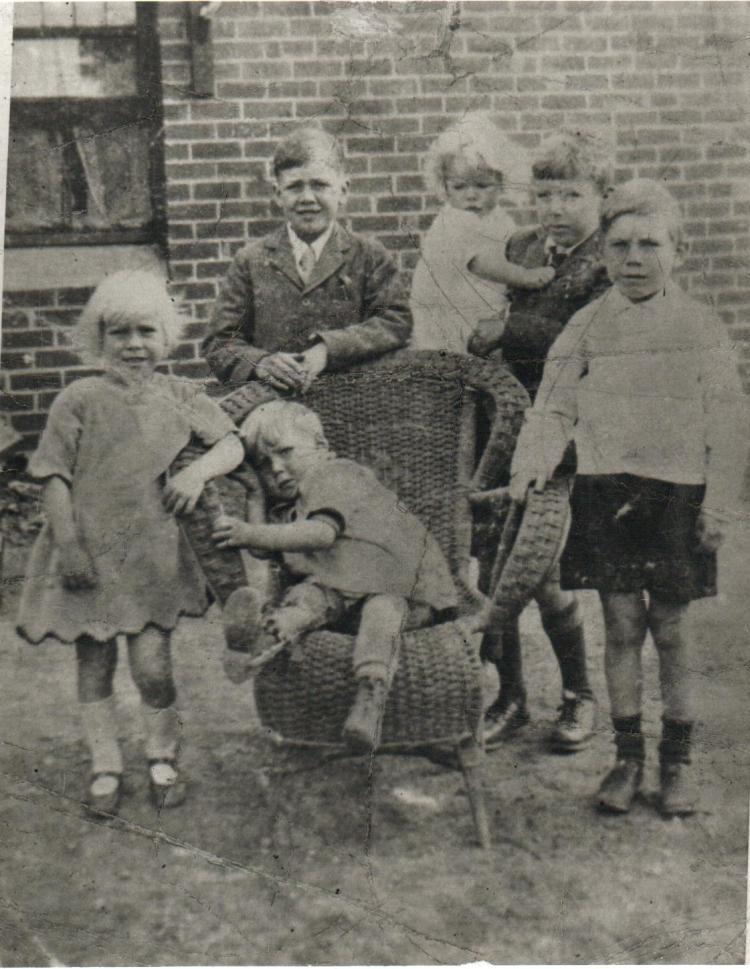
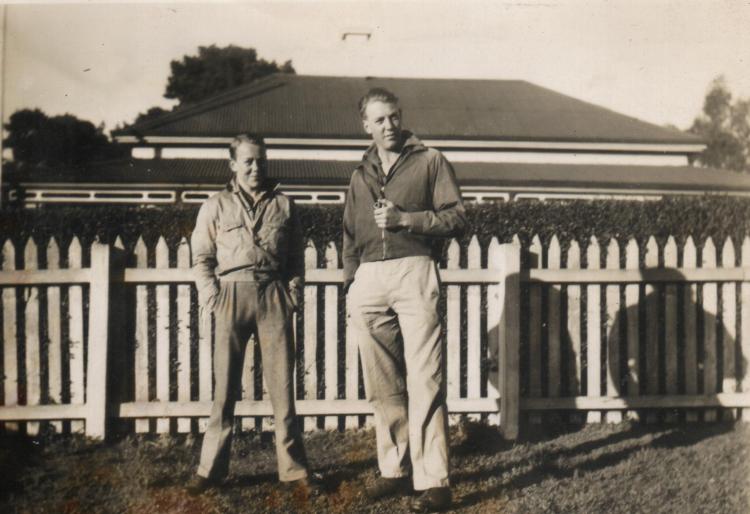
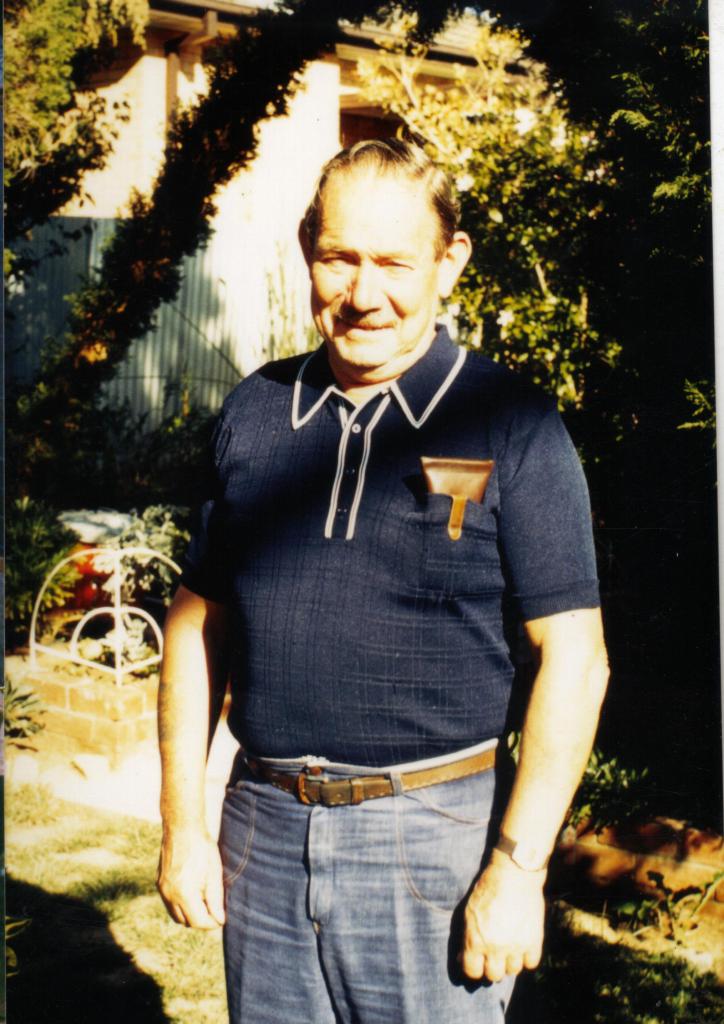
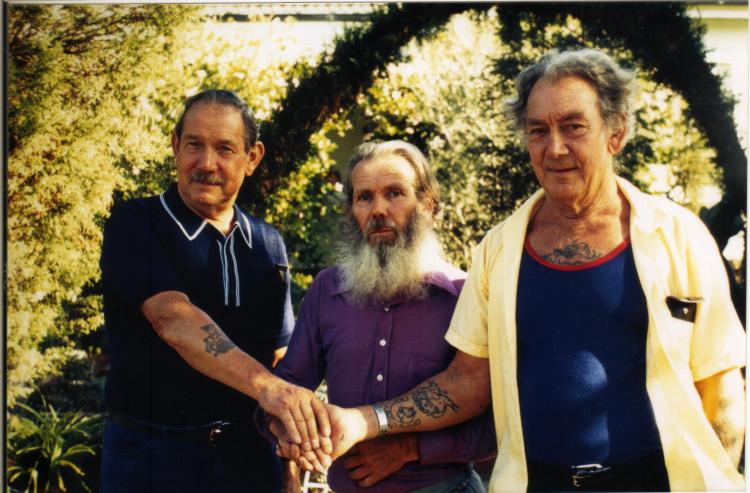
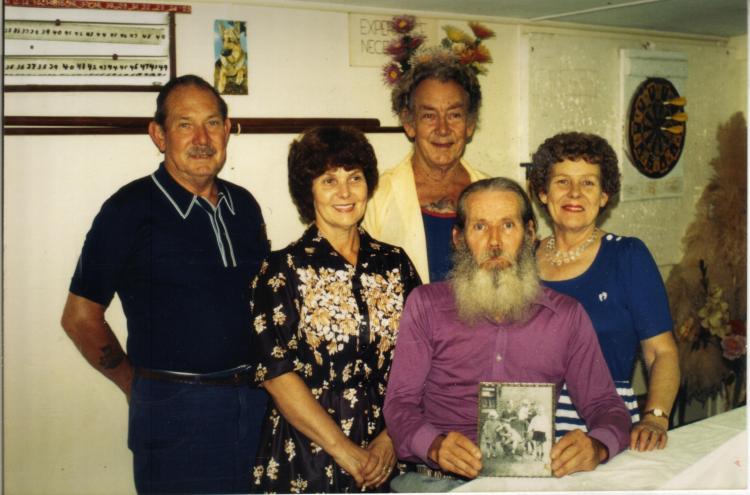
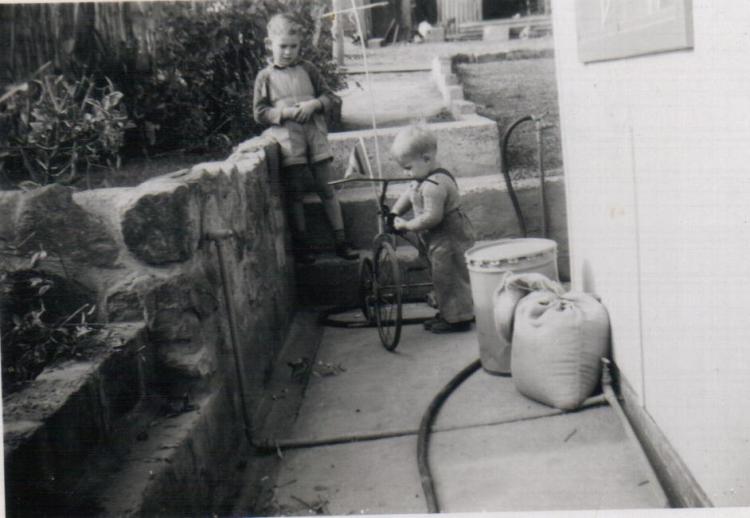
We had steps, Re-taining walls and Concrete paths all over the place.
The tin and bag contained feed for our Chooks, we always had Chooks in those days. We always had a vegetable garden as well, and Fruit Trees (Mulberry, Olive, Peach, Loquat, Nectarine, Orange, Lemon, and Grapes, and a Giant Passionfruit that half covered the chook shed.)
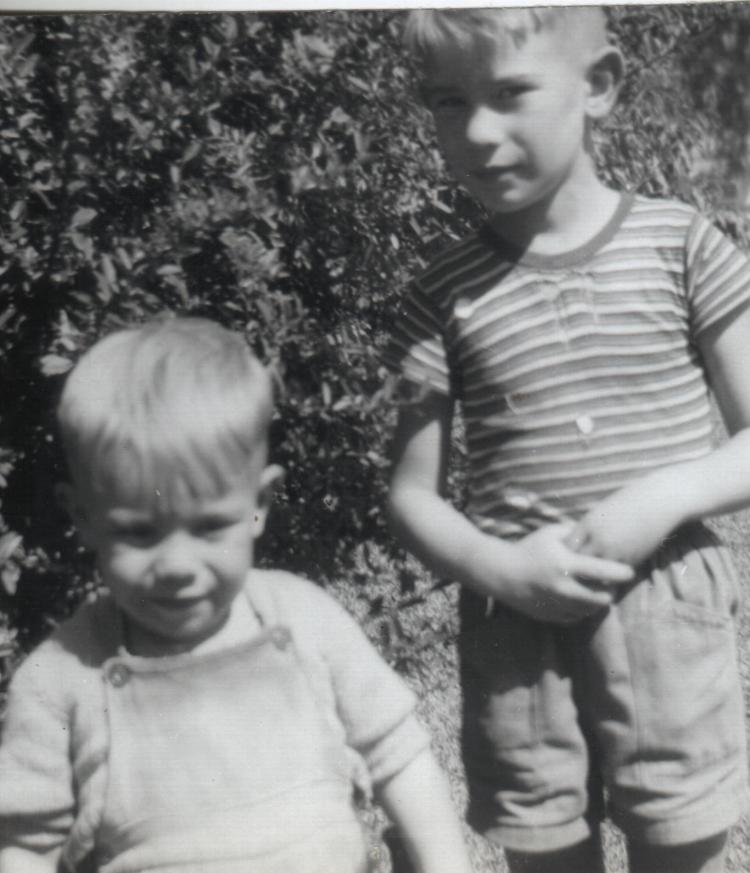
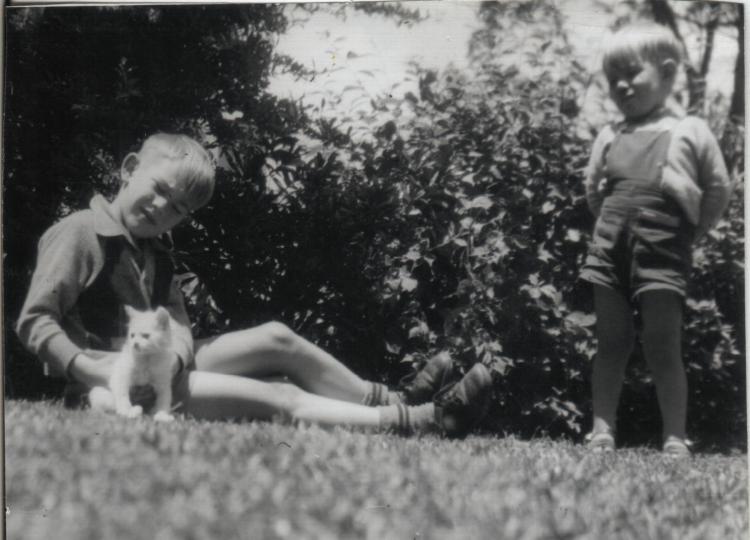
Look at that billiard table smooth lawn, can remember going with Mick in the late 1950’s to get Buffalo Grass runners from along the banks of the Torrens at Hackney, to plant our lawns. We drove past the spot as we were going to Taylahs 18th Celebration yesterday.
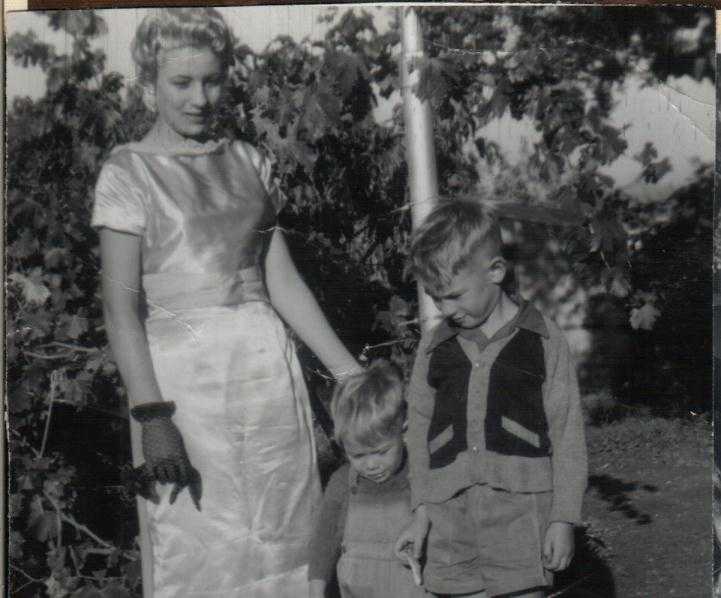
Mick loved his Holdens , he had FJ, FC, EK, HR before he finally tried a Ford, he was disappointed in the Ford, the only one that wasn’t a station wagon was the FJ.
The FJ reminds me of the time Kaye “BORROWED” it and took me to the beach, where I managed to get lost, I reckon she must have been about 16, and hadn’t had her Drivers licence for very long, it was a great night out in any case.
Another story with cars in mind, a few years later I can remember (it was a different world in those days, a lot of cars didn’t even have seat belts, and even the ones that did virtually no one wore them) Kerry about 2 years old was sitting in a seat that hooked over the front bench seat alongside Kaye who was driving, heading down the road at about 100 kph Kerry reached over grabbed the gear lever and pulled it into Reverse (it was an automatic column shift), don’t think the gearbox liked it very much.
And yet another story I can remember is driving up Grand Junction Road, at VERY HIGH SPEED, in Kaye’s boyfriends old jalopy, which had no door, (and obviously no seat belt either) I thin I was about 4 or 5.
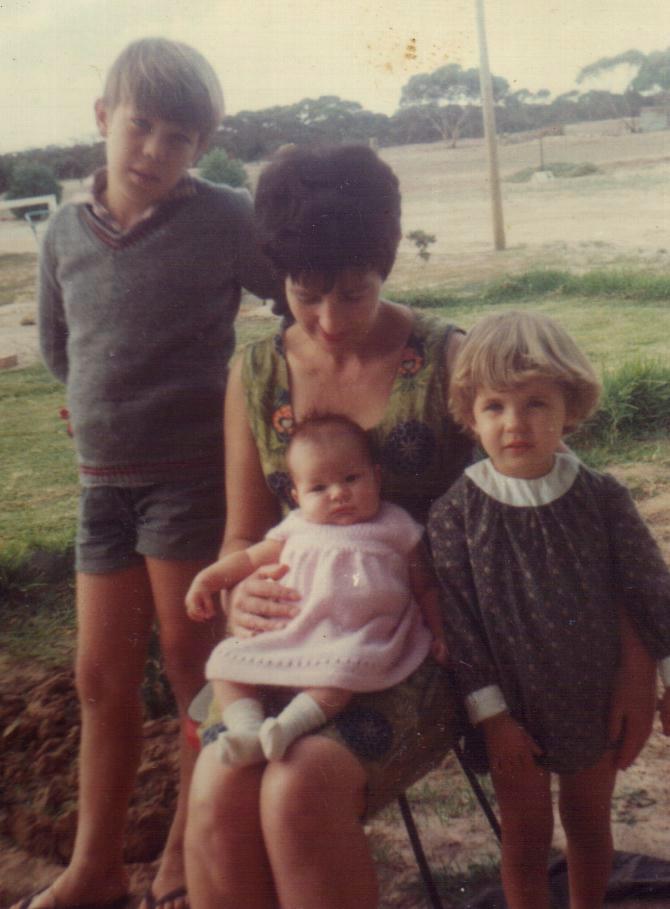
when Kaye moved here it was just a brand new Blunts home in the middle of a paddock, no electricity, no water, they used an old cart with a big steel tank on, to bring bore water from the windmill and tank by the old house, especially for the toilet, ONE 2,000 gallon rainwater tank for pretty much everything else, they installed a 32 volt electrical system, with batteries, generator and inverter,(generator charged the battery bank, and inverter was used to watch TV), the TV was the only 240V appliance everything else was 32V and the refrigerator ran on kerosine.
It was into the 1970’s,before they got Mains, water and electricity from ETSA.
Just stop and think about that, NO PHONE, NO ELECTRICITY, NO WATER, (AND FOR A FEW YEARS NO SHADE AT ALL IN THE SUMMER) at least to start with.
I have a memory of at one time in the early years, they had a horse, and we walked on a 40 degree day to the next door neighbors ( Butlers in those days but Woidts these days) about 6 or 8 Kilometres) and back to get (I think ), a brush to brush the horse.
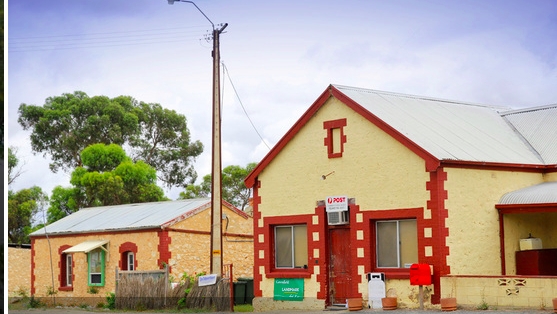
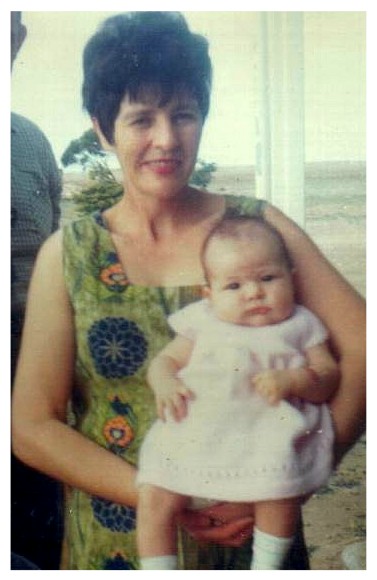
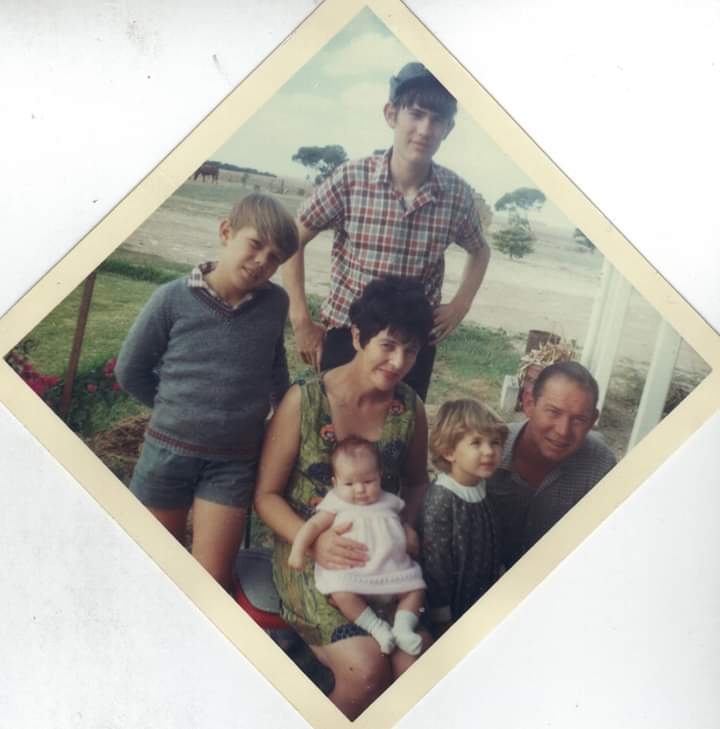
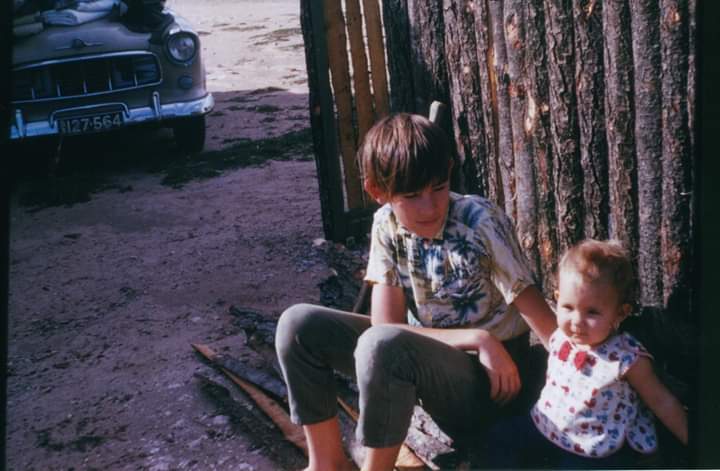
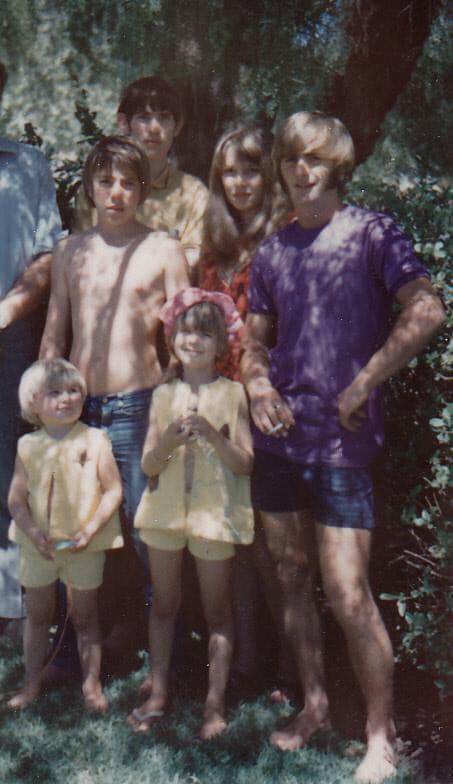
From what I’ve seen the pepper tree behind us is still there 50 years on.
When we were kids we had Diana Air Rifles and when we couldn’t afford Air Rifle Pellets (We called them, Slugs/ Slug Guns) we used the peppercorns from the Pepper Trees.
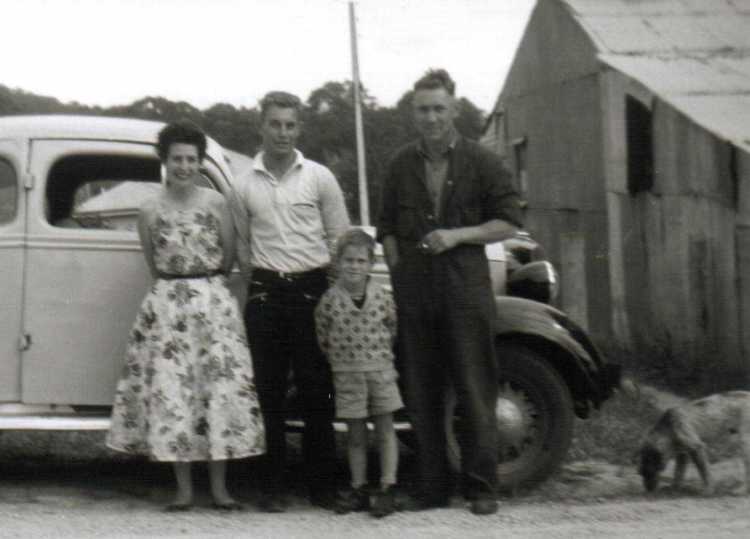
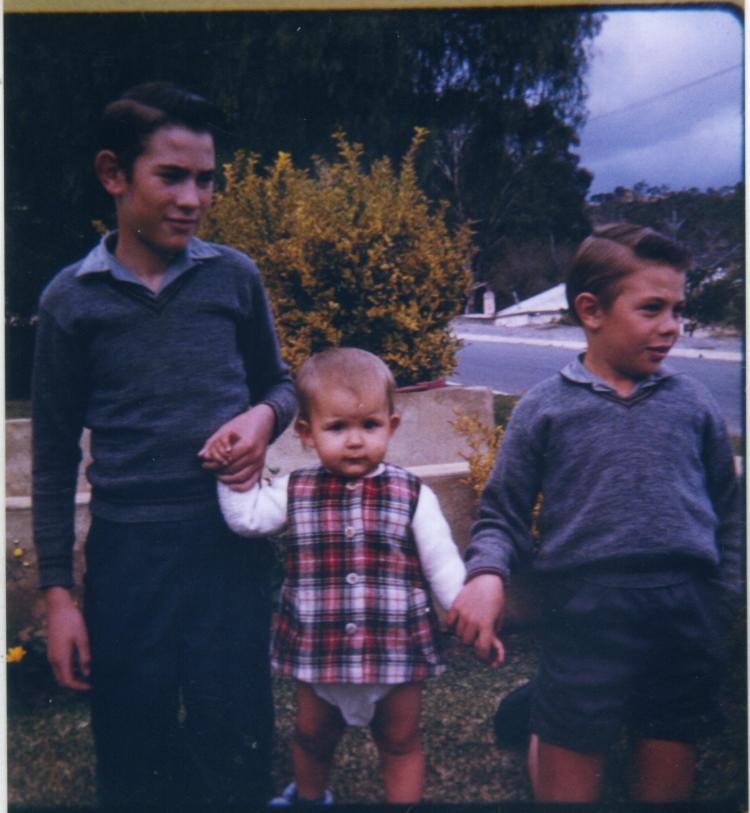
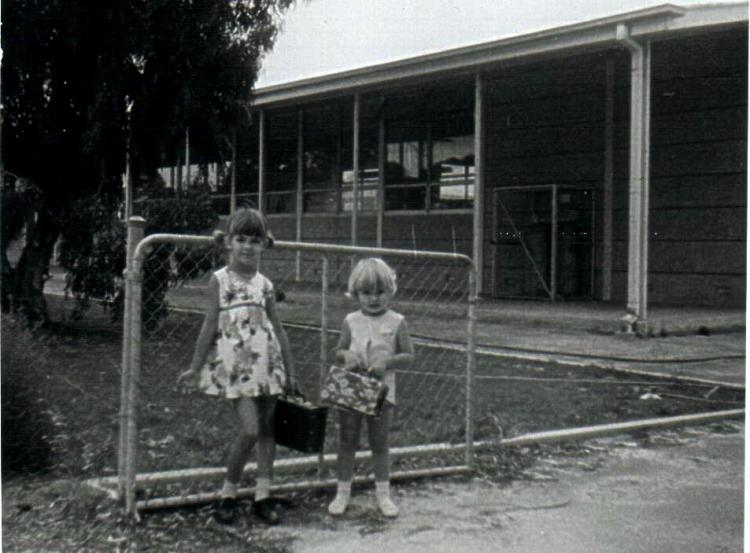
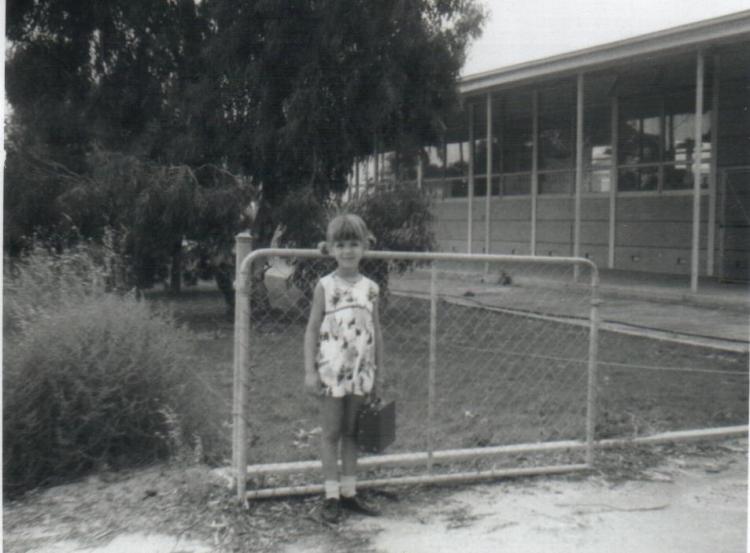
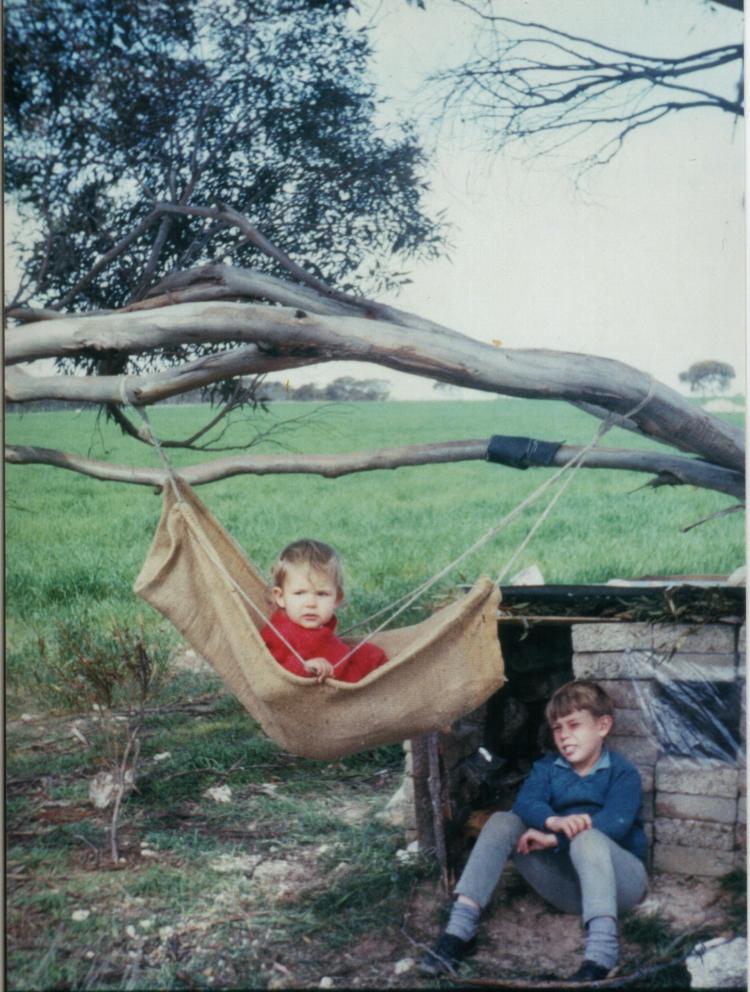
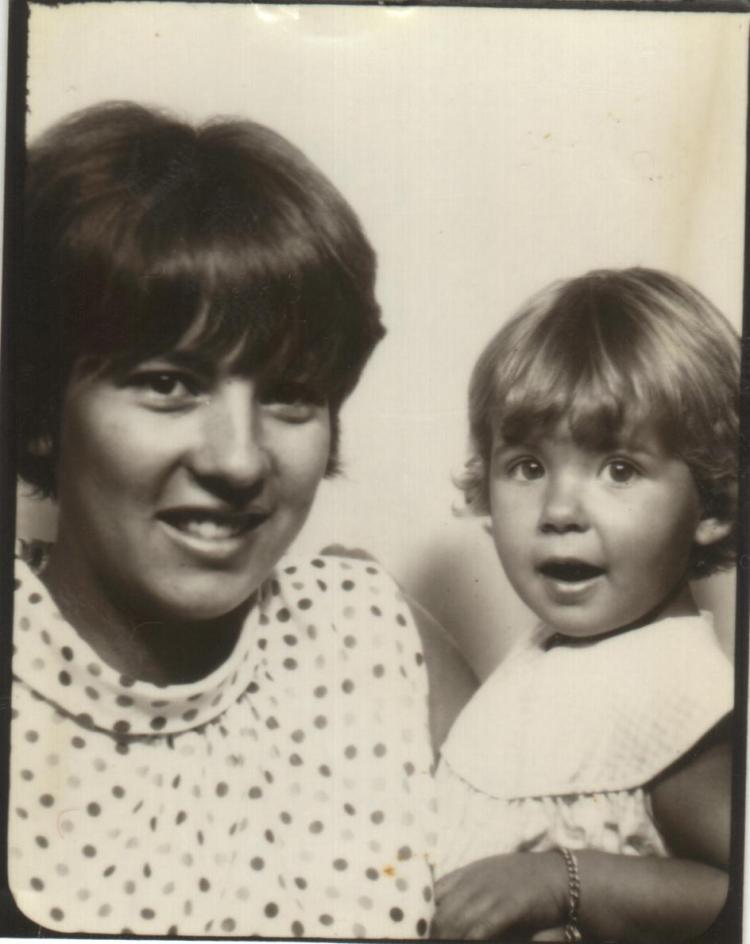
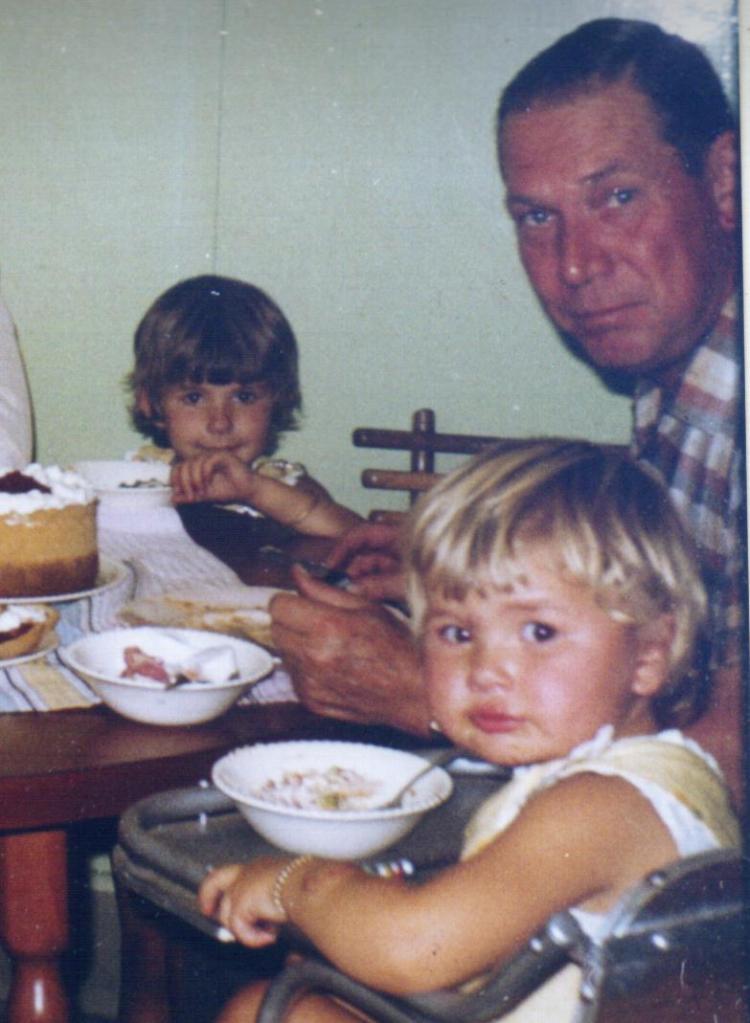
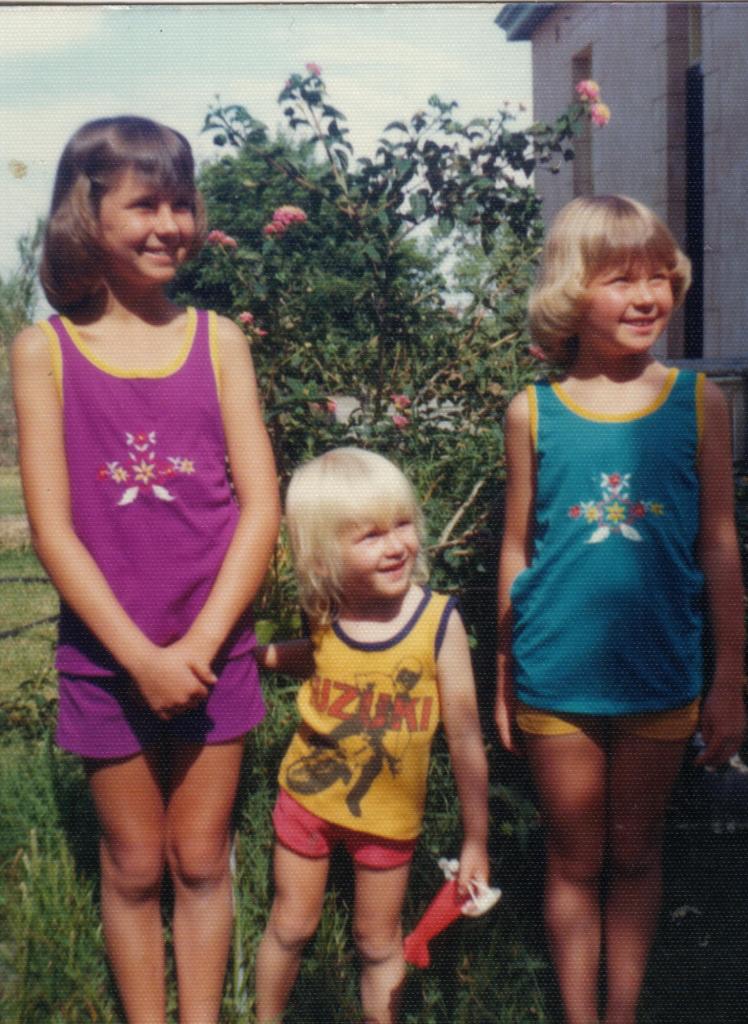
Mick off to War
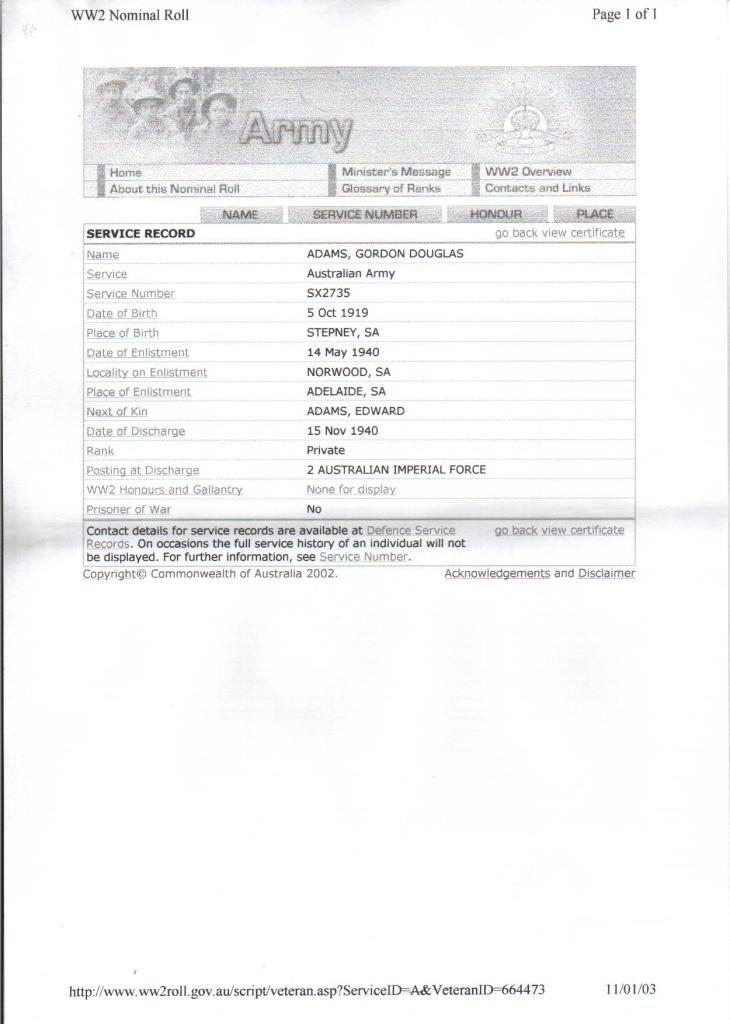
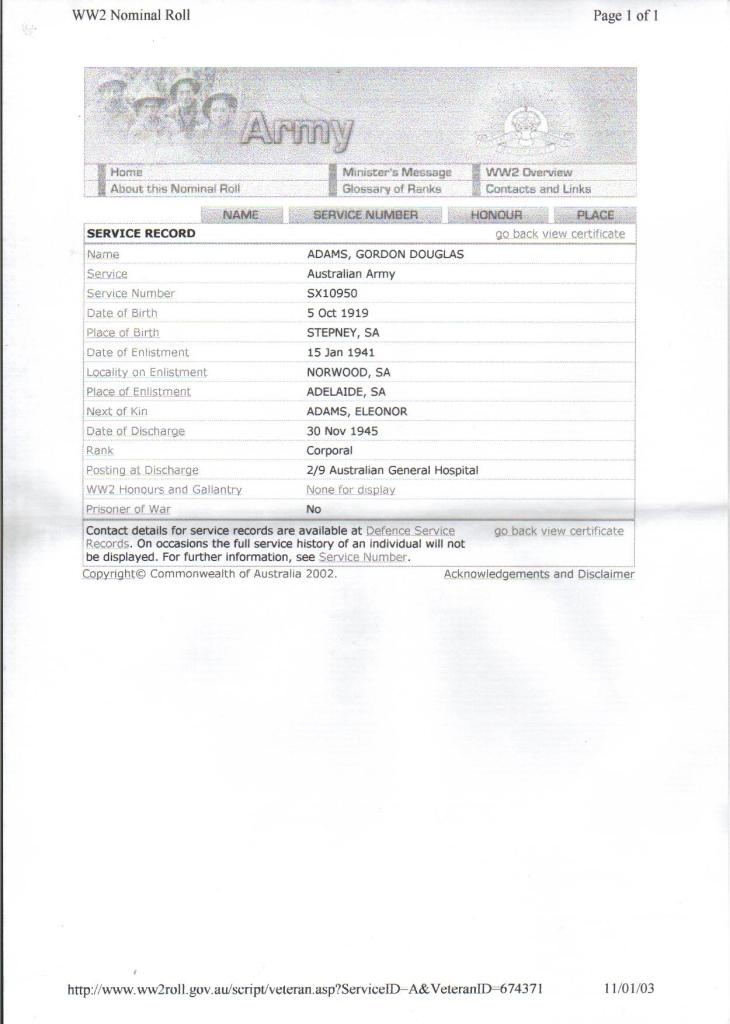
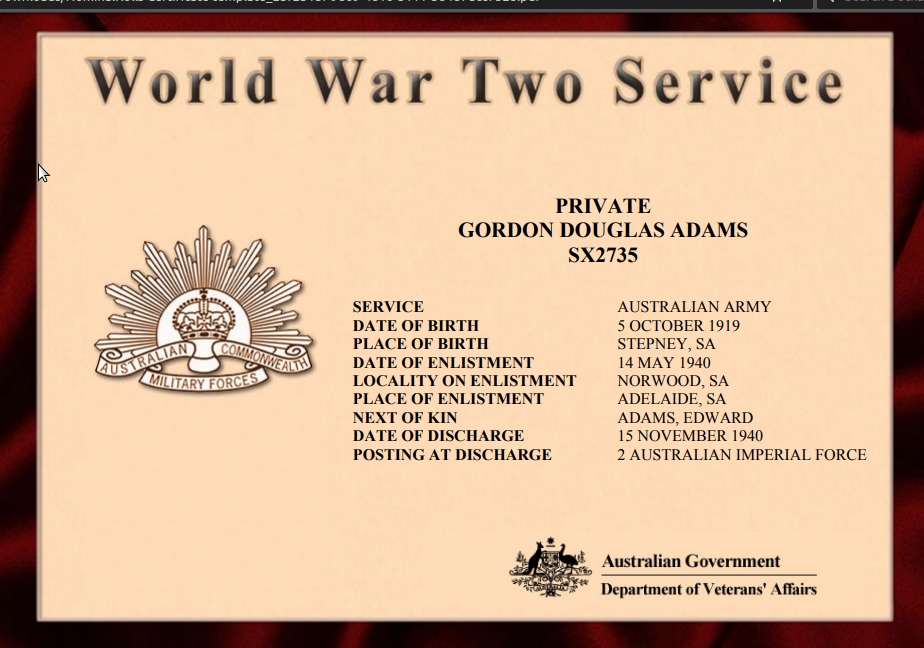
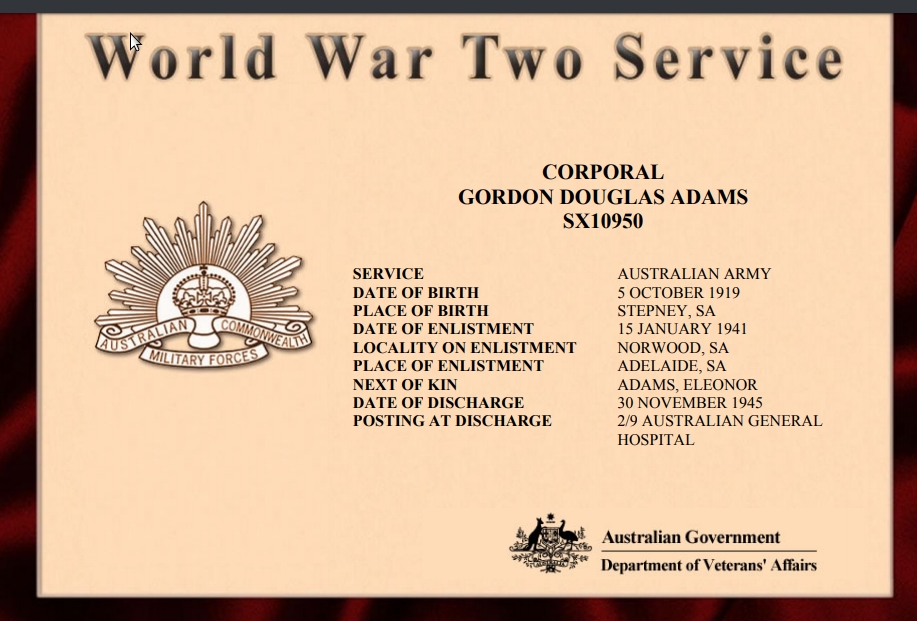
This also means he was under age when they got married in 1944 as well, he was only 20 years, 3 months, and 14 days old.
I had never noticed or realised Mick was a Corporal for some reason I always Assumed he was a Private.
That means he was in charge of 7 to 14 men.
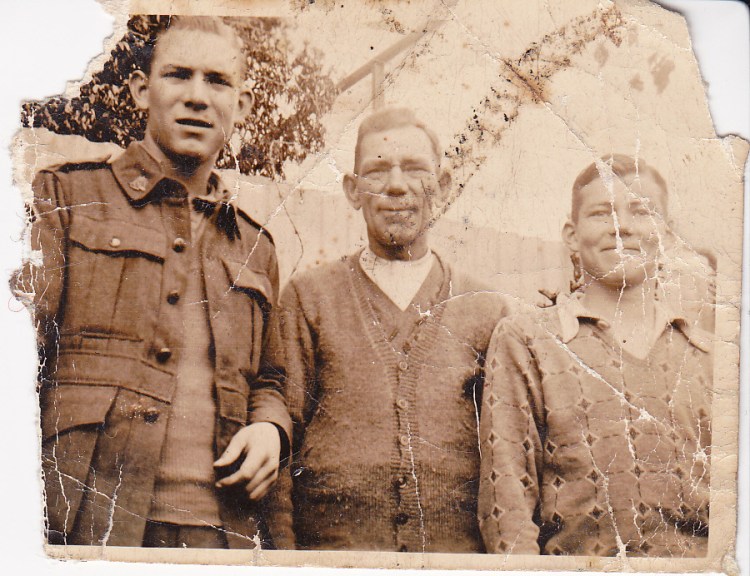
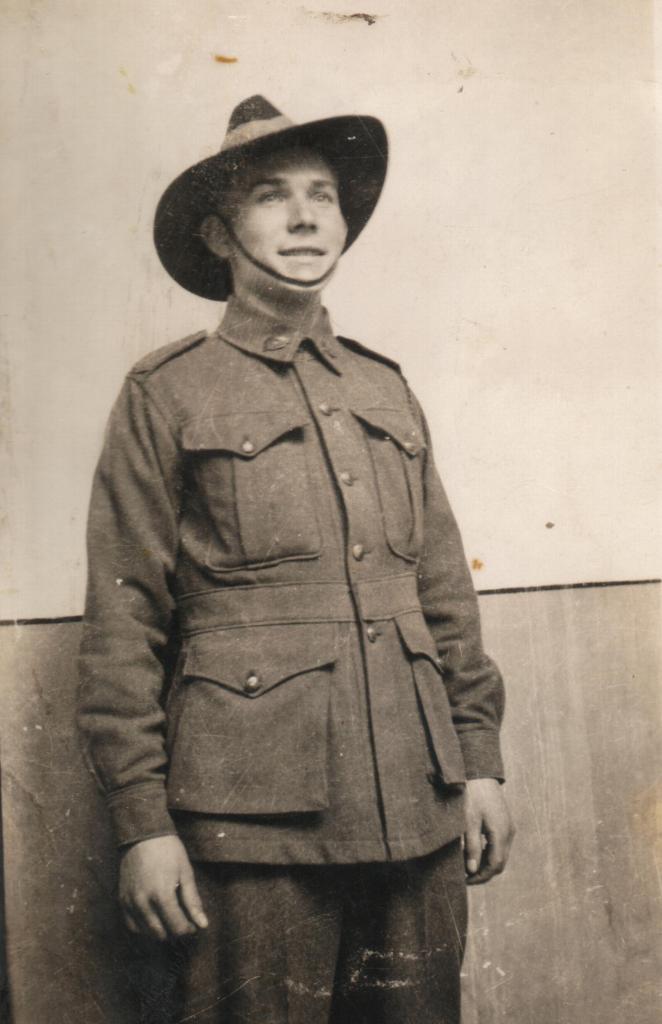
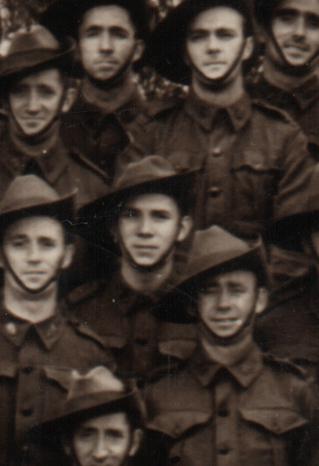
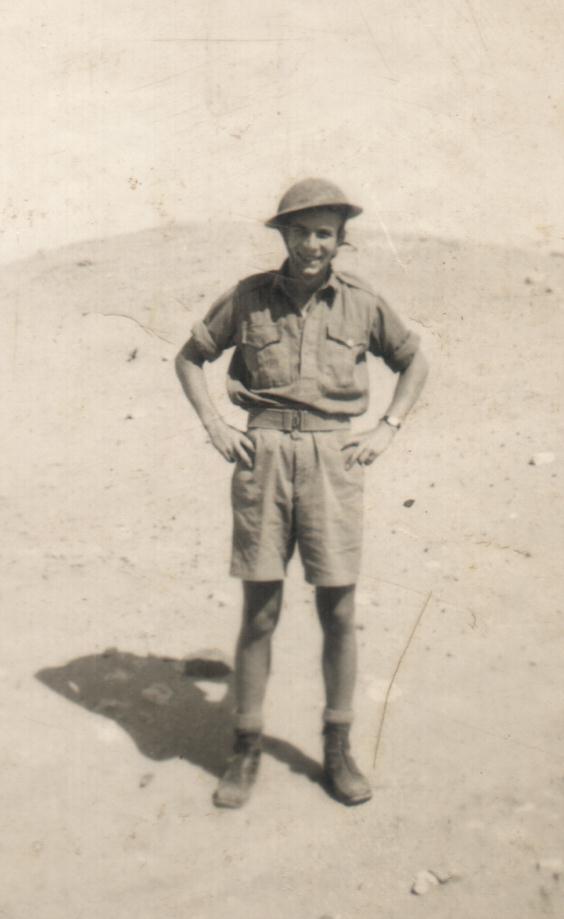
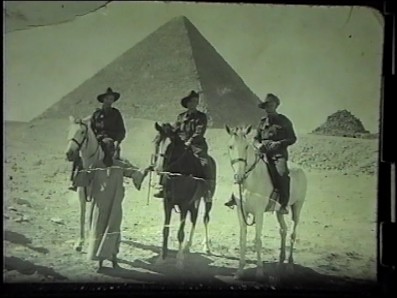
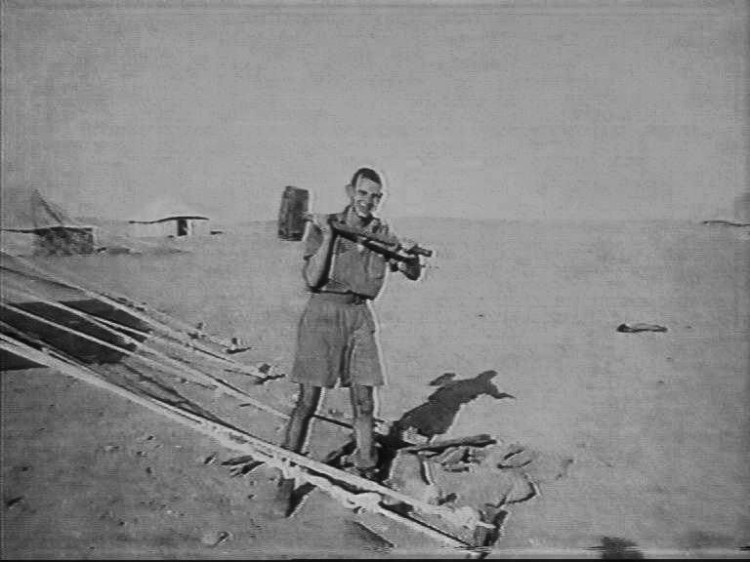
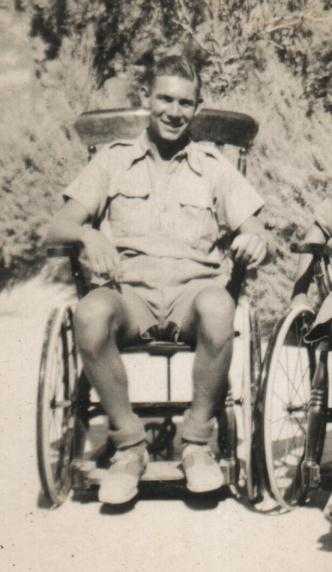
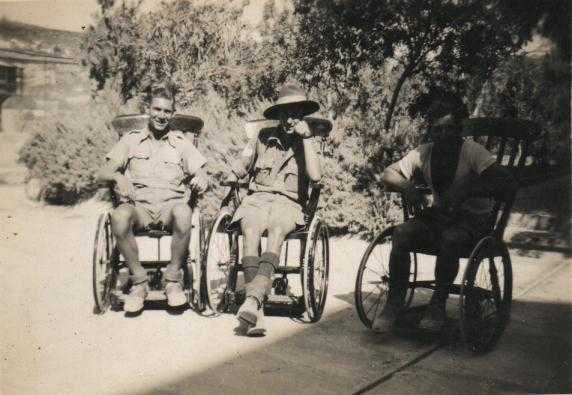
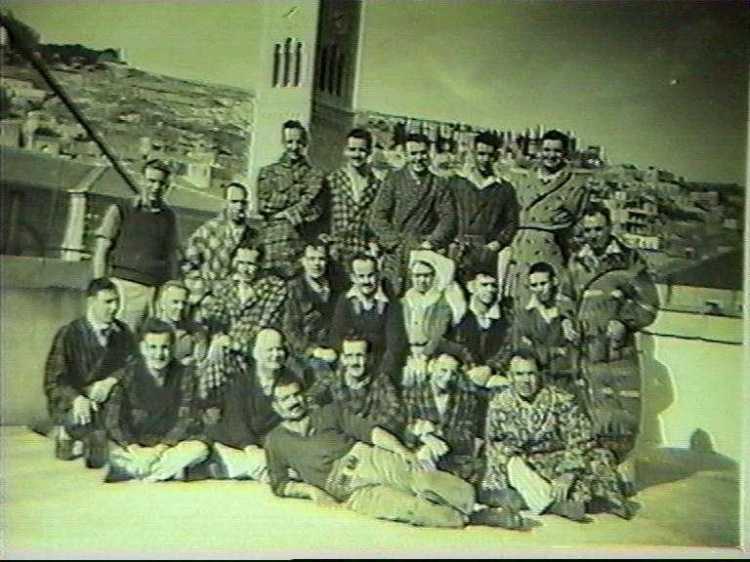
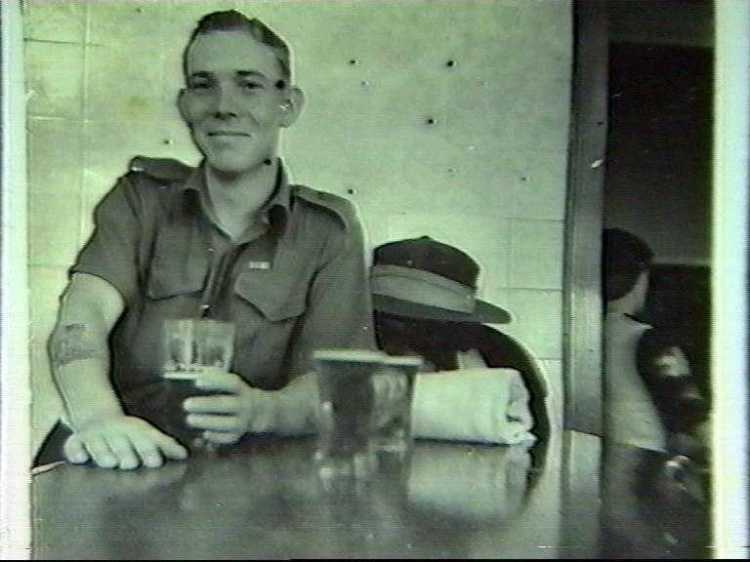
Always remember the tatoo on his right arm.
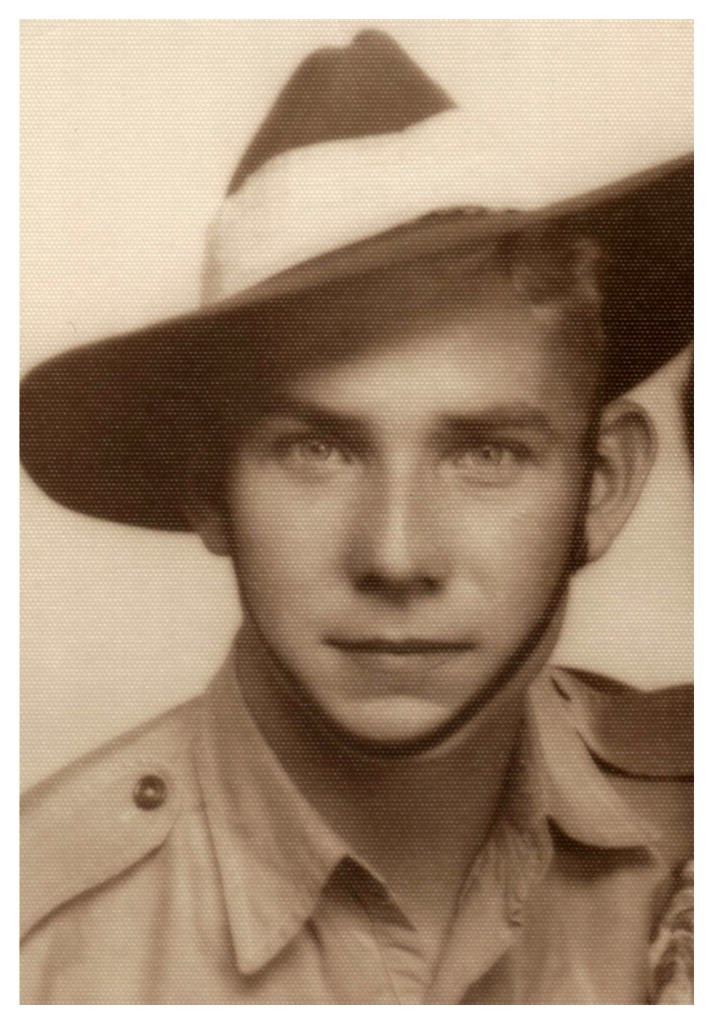
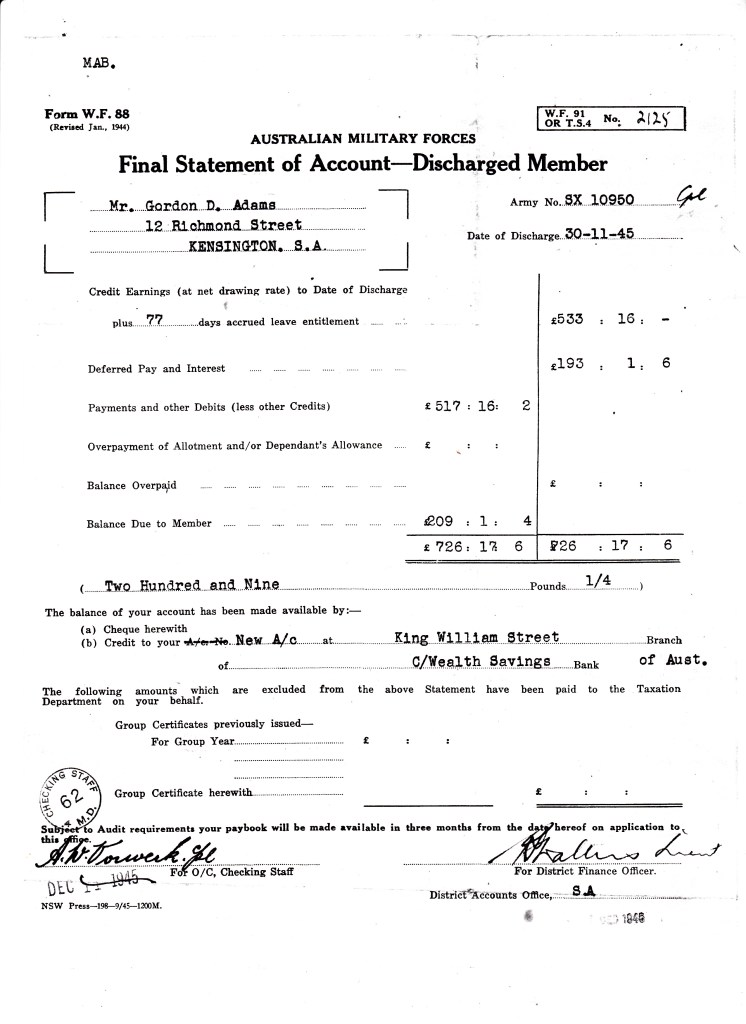
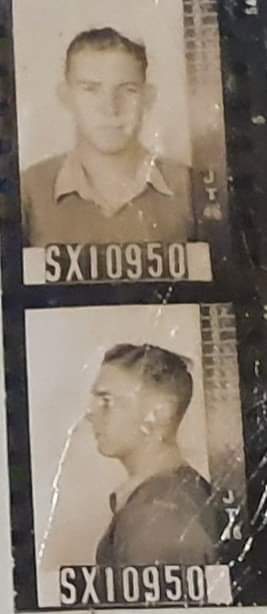
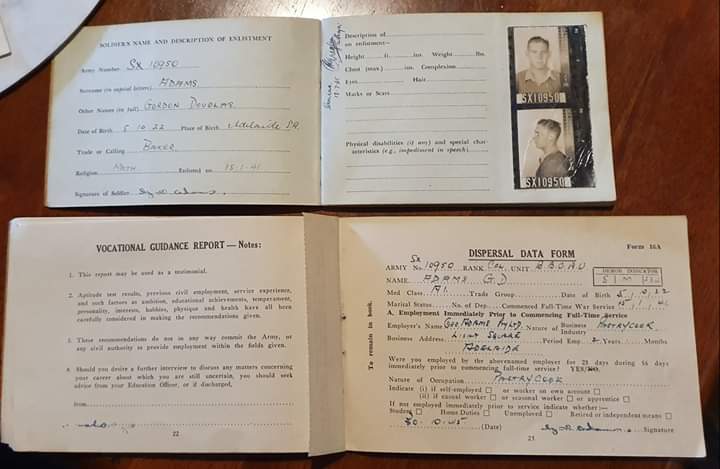
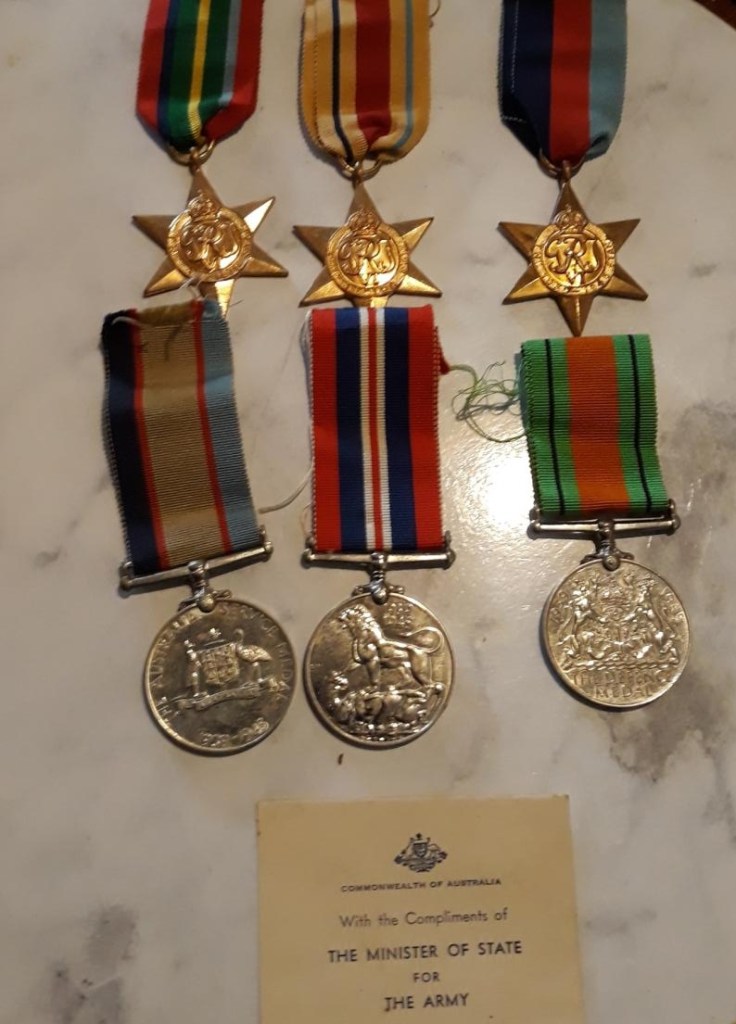
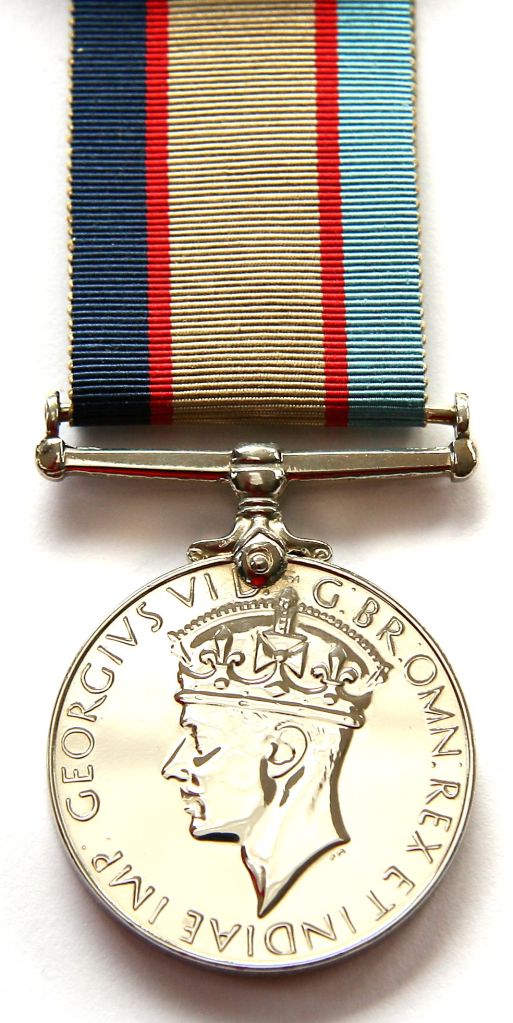
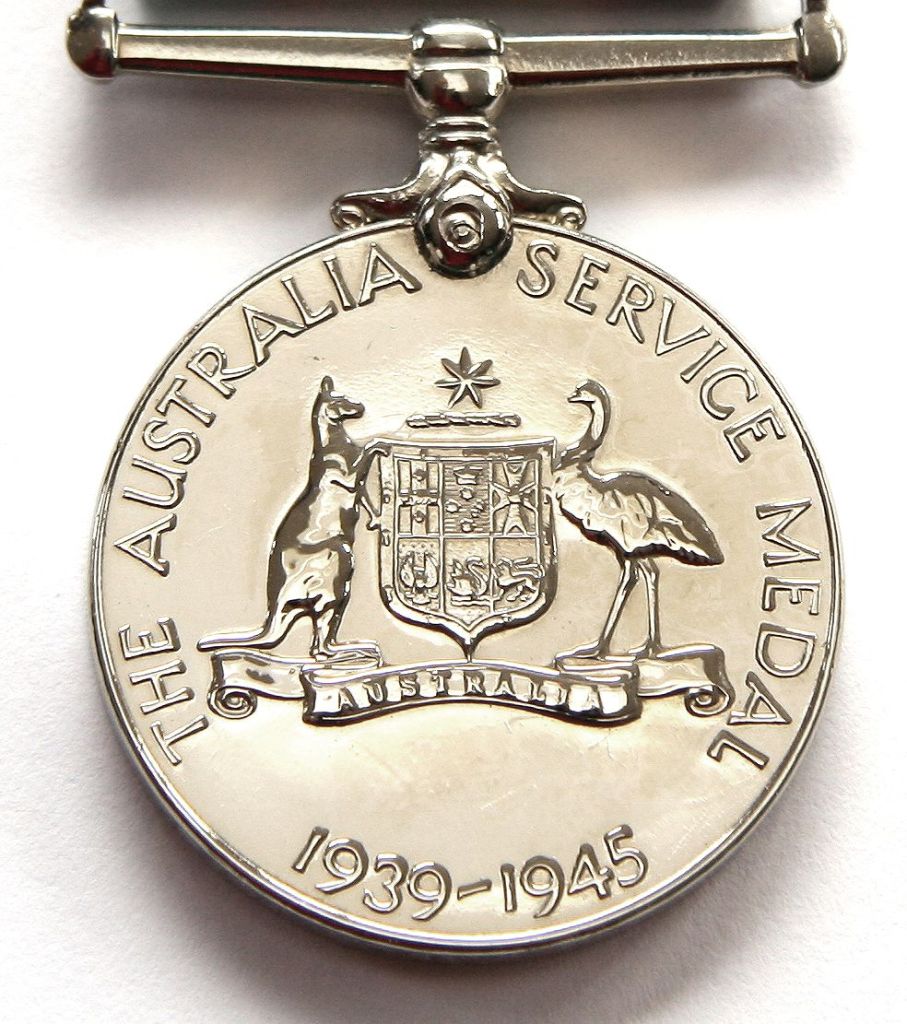
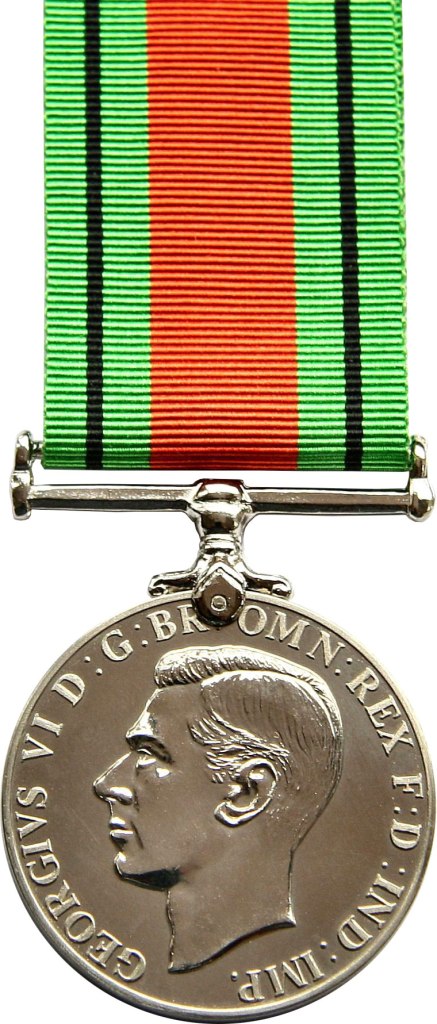
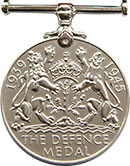
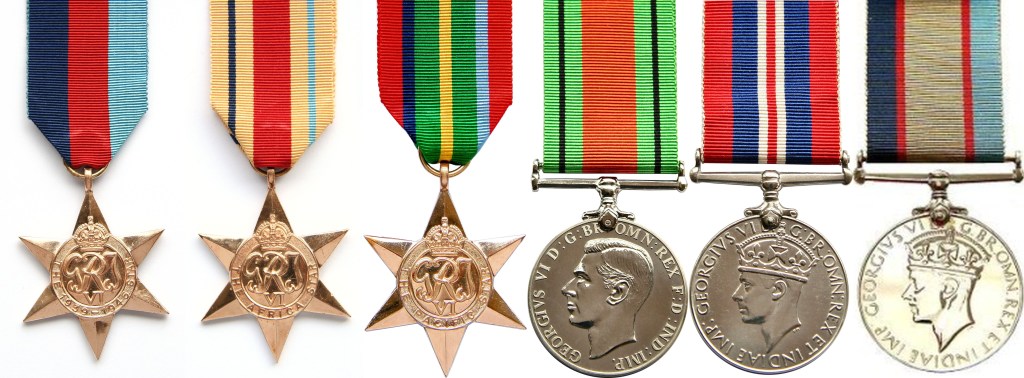

National Archives of Australia
These records are available to view and download on the web from the National Archives free of charge.
World War 2
Full records of Gordon Douglas Adams (Mick)
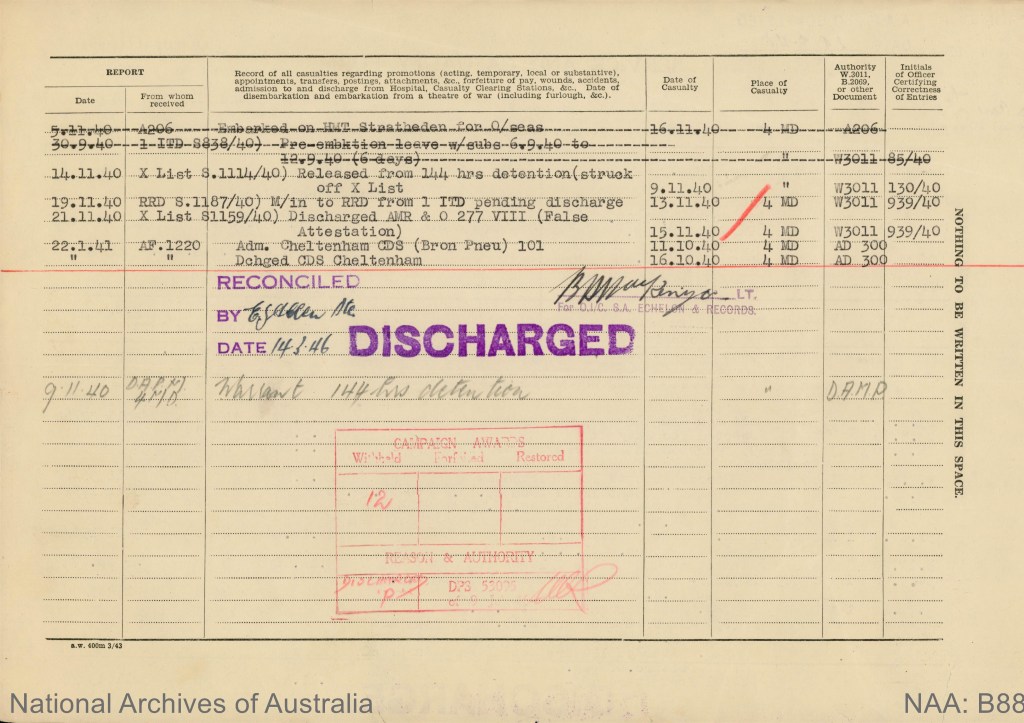
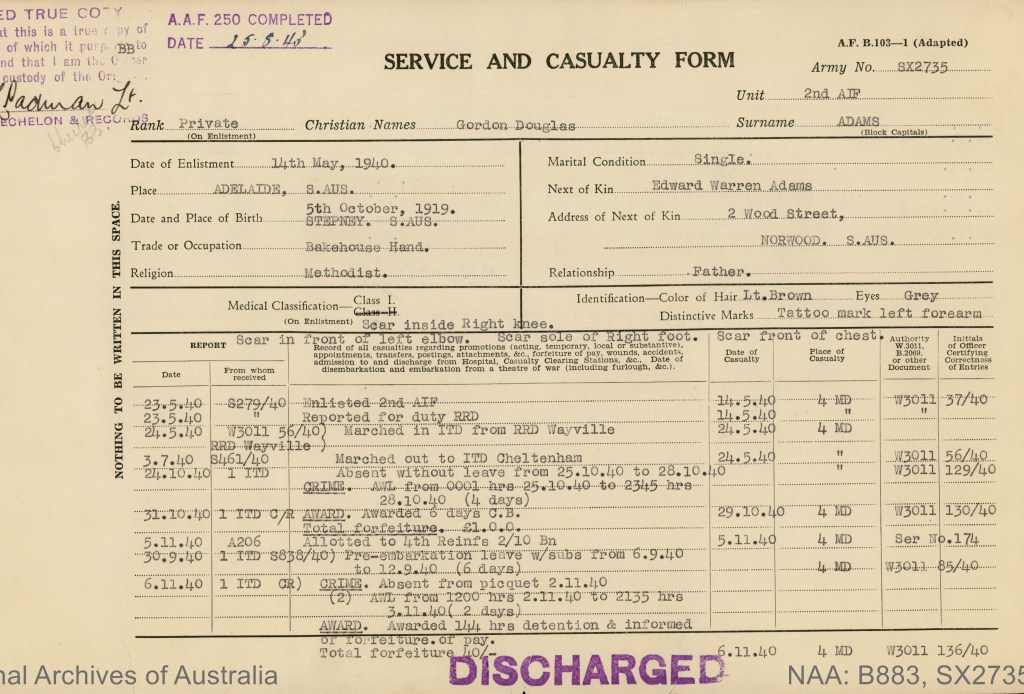
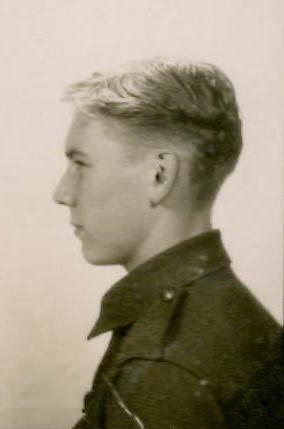
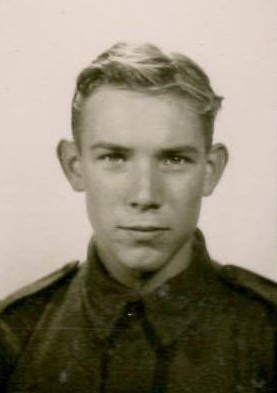
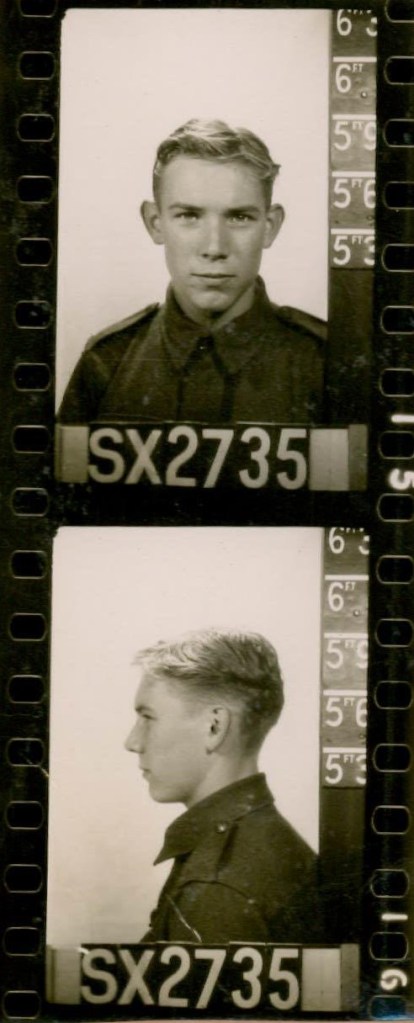
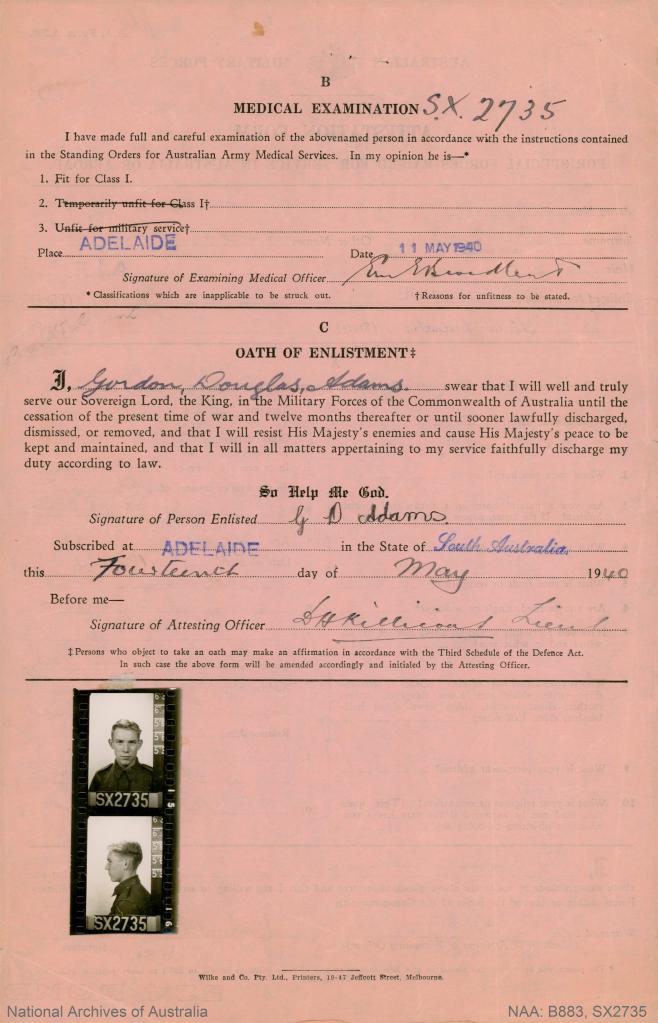
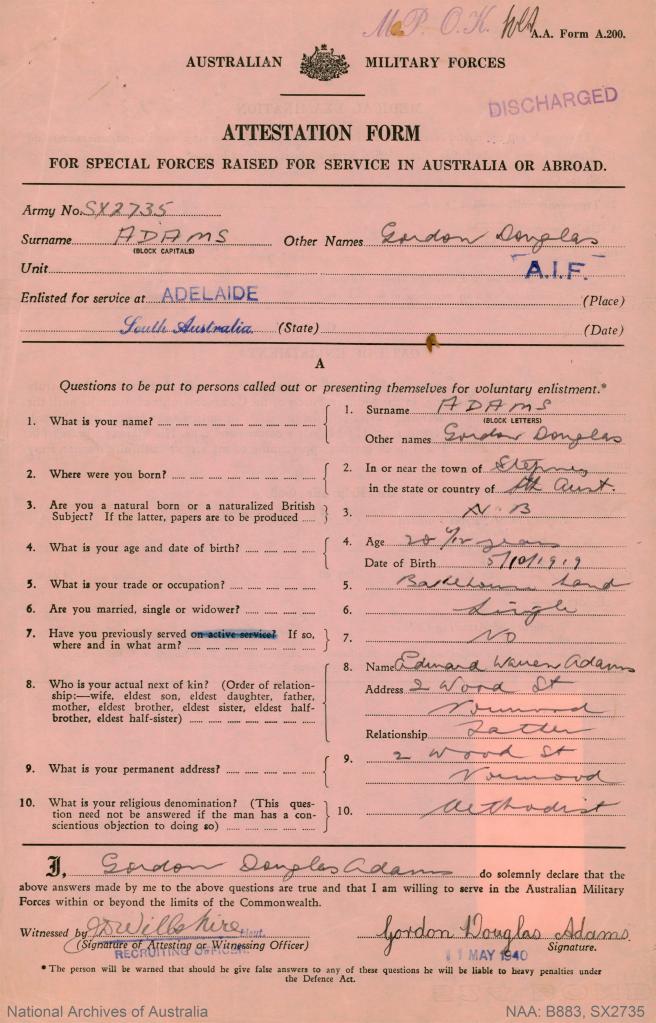
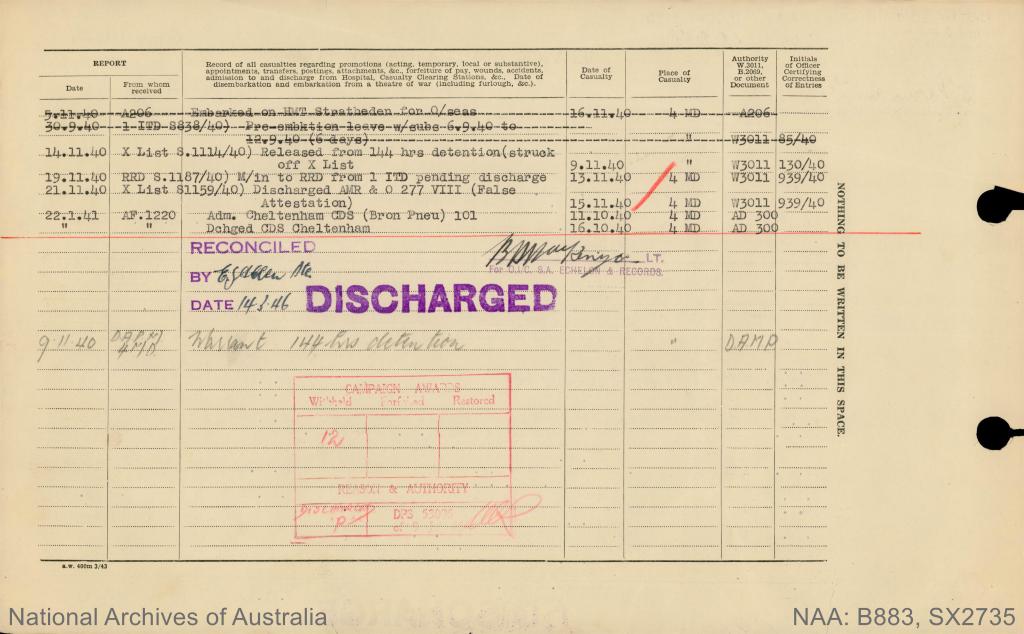
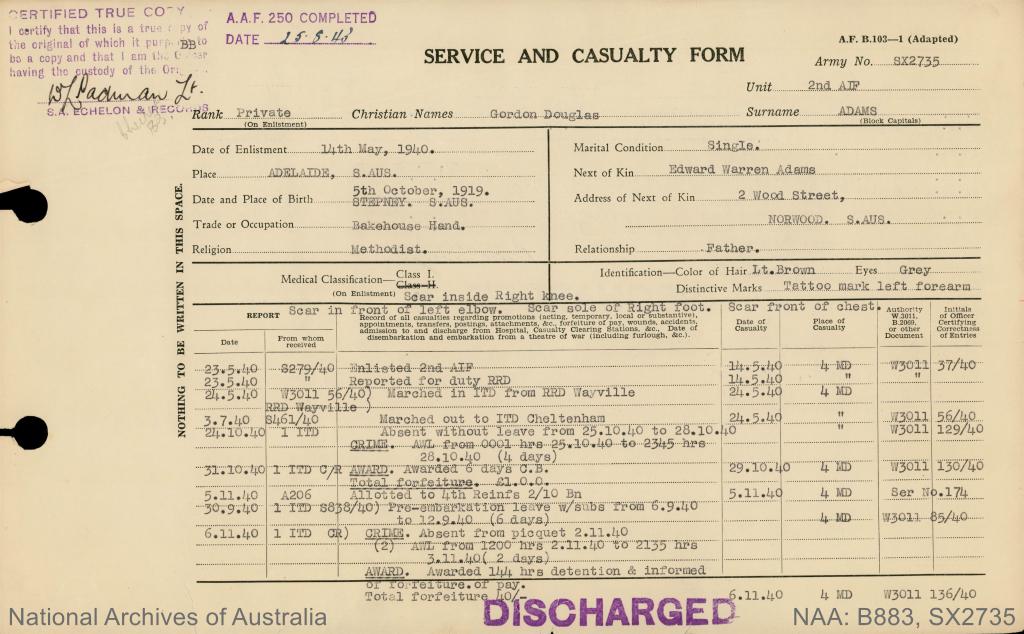
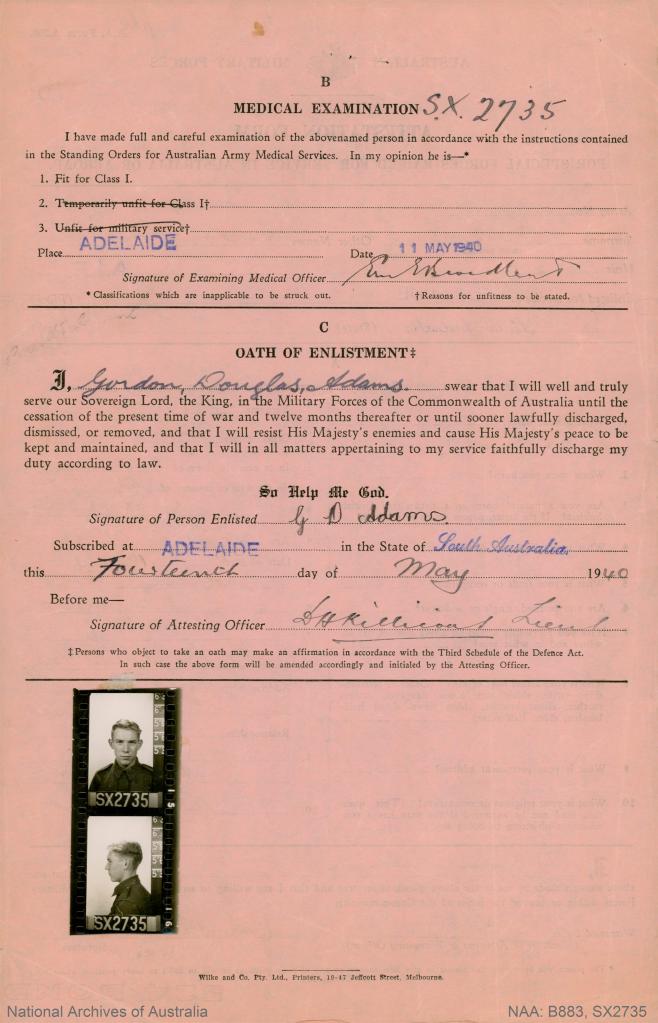
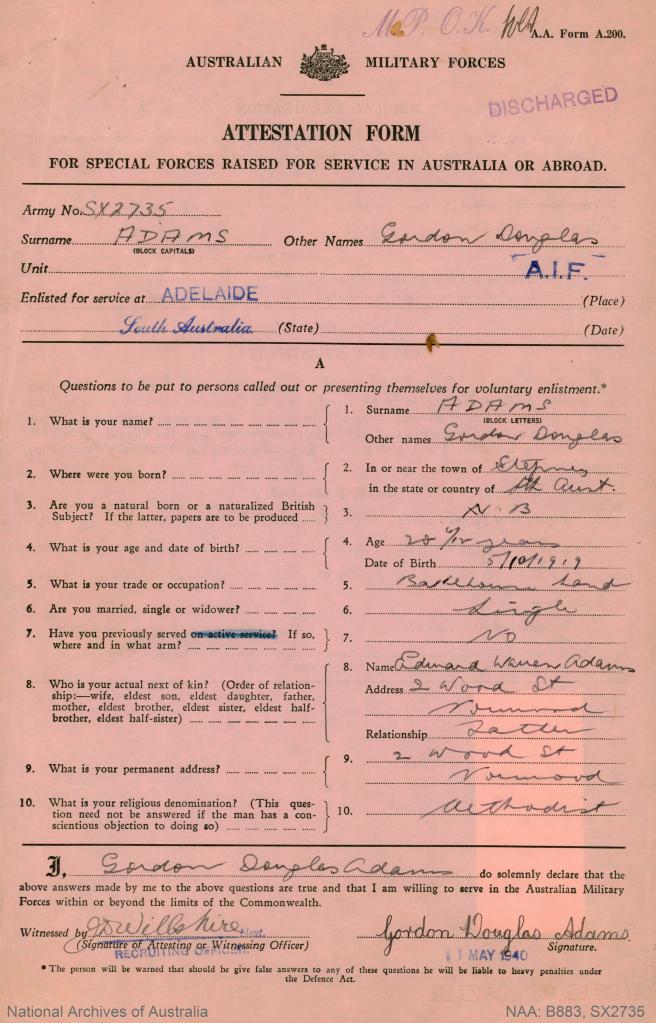
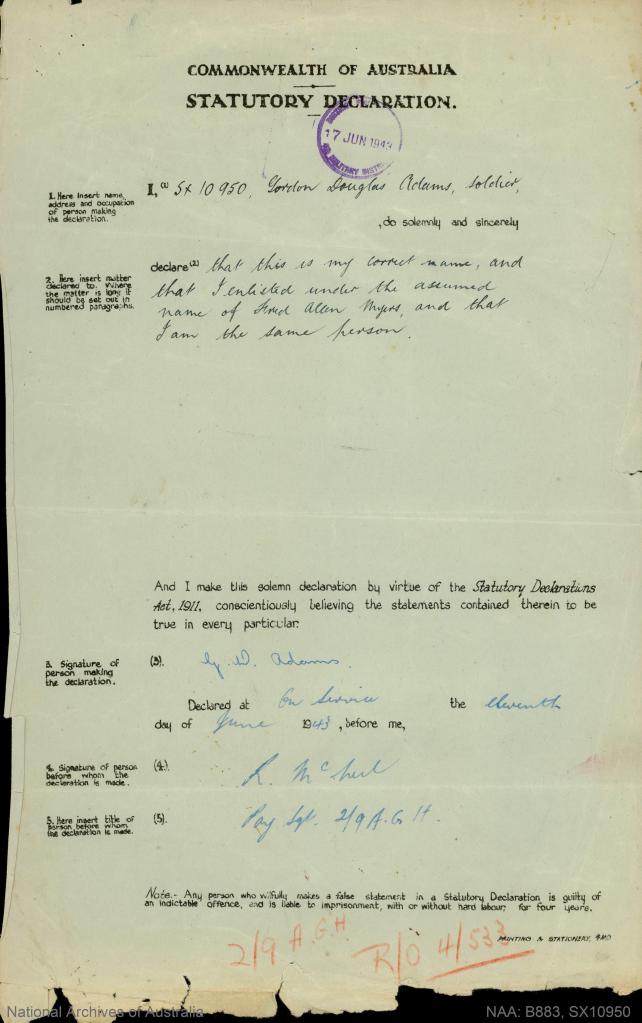
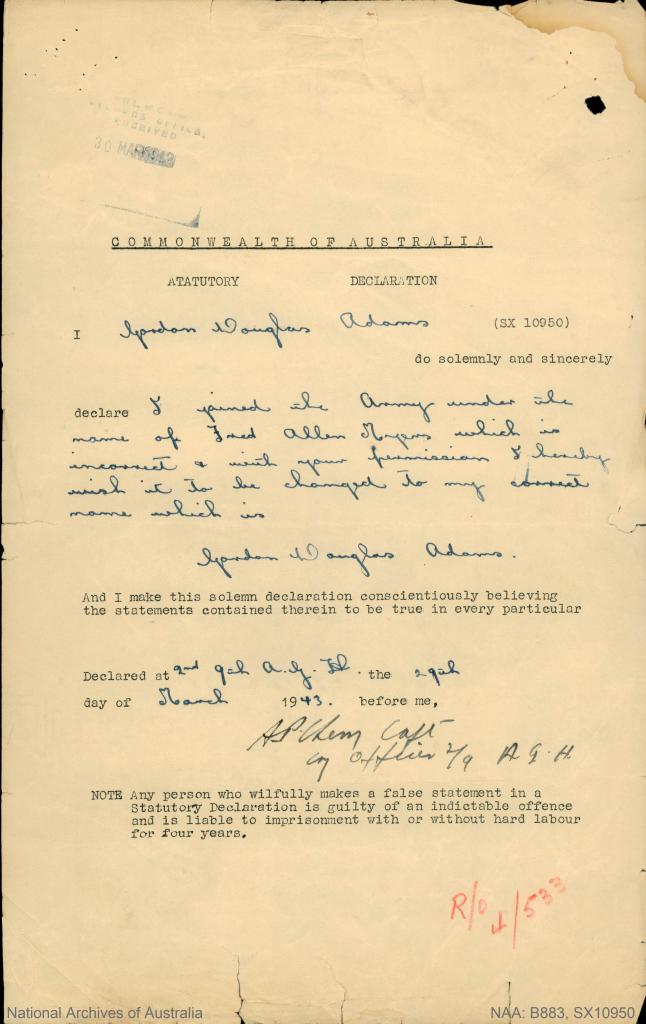
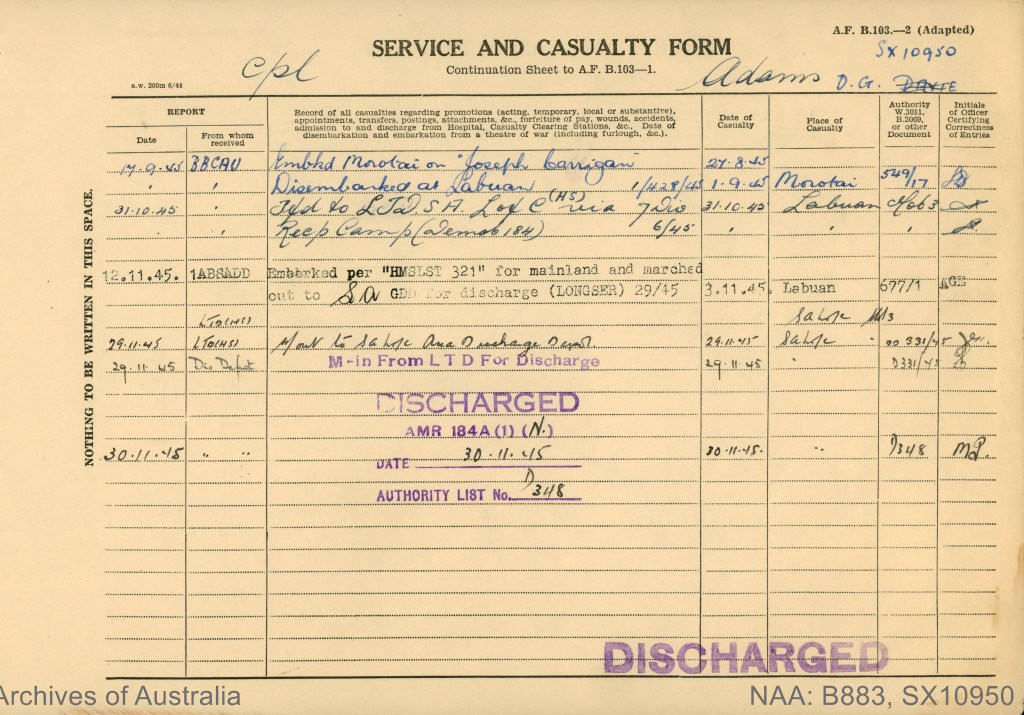
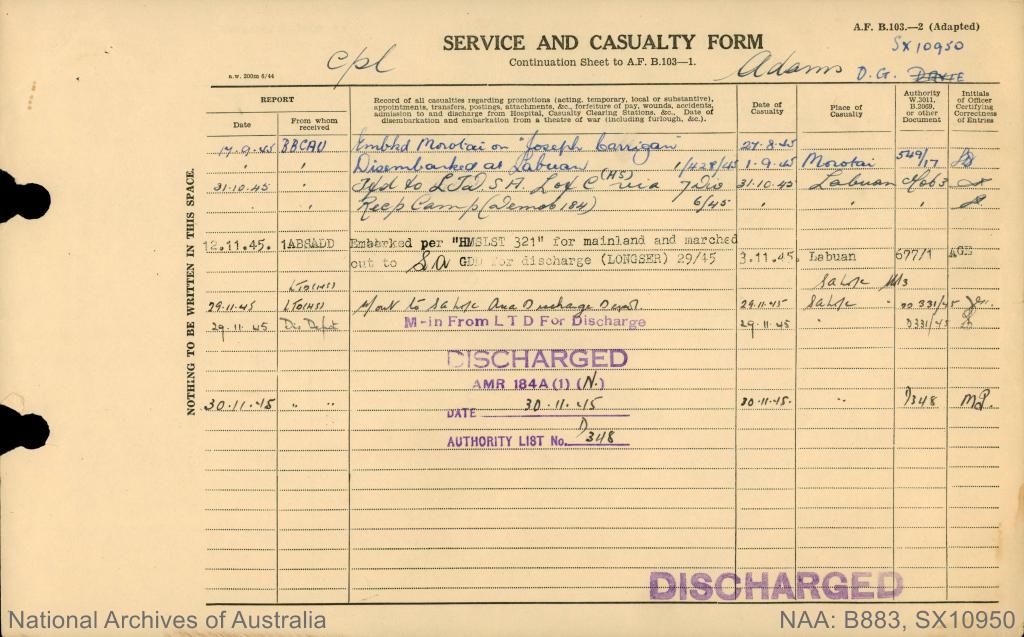
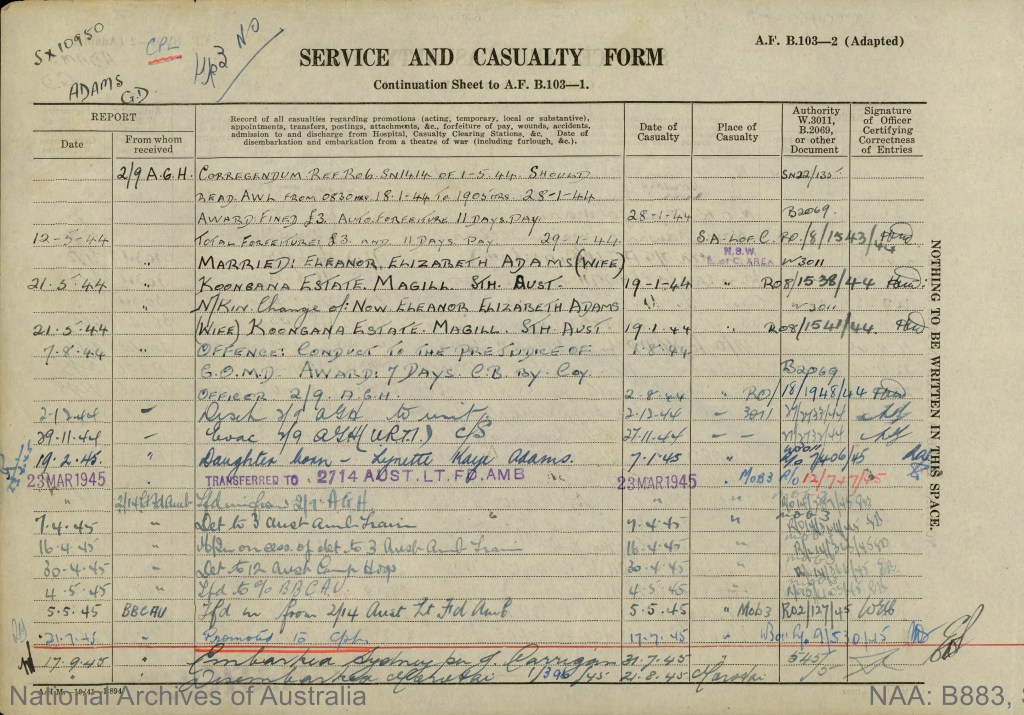
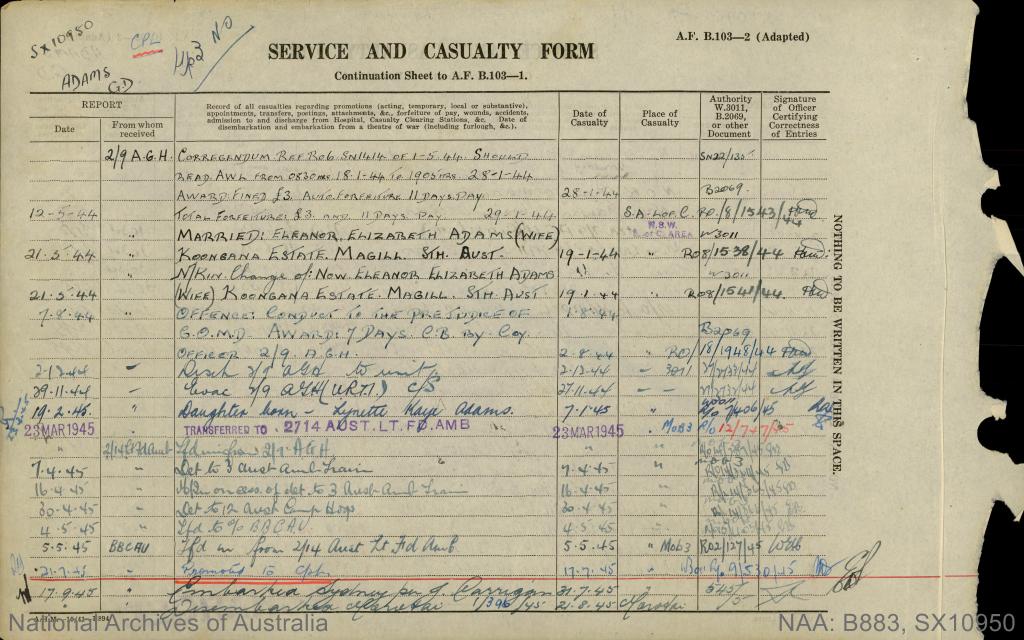
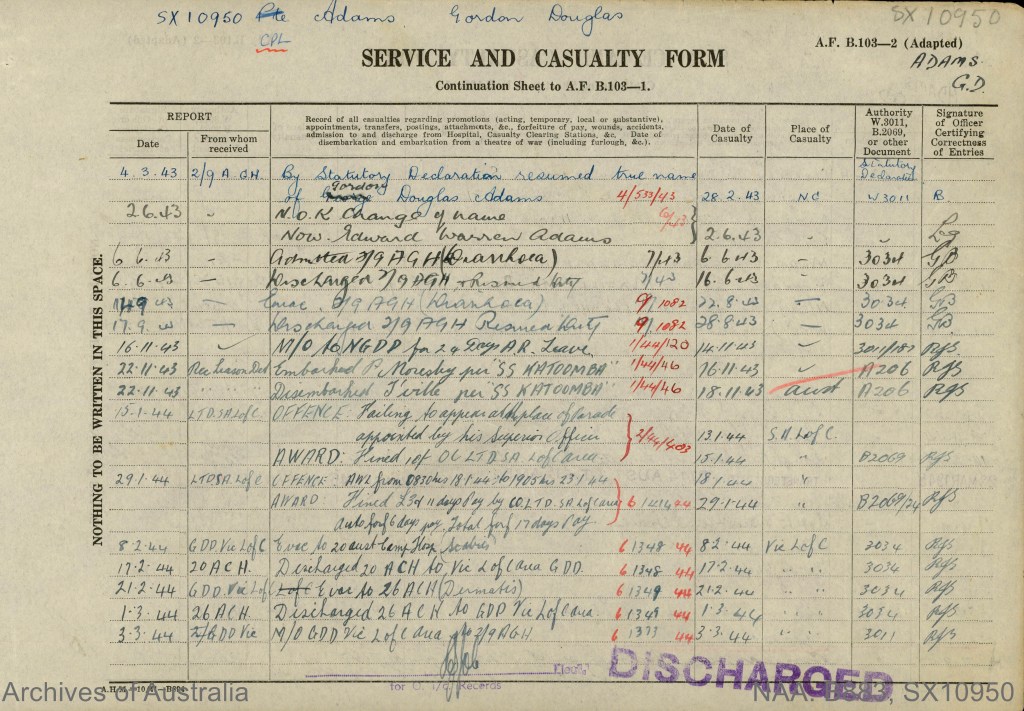
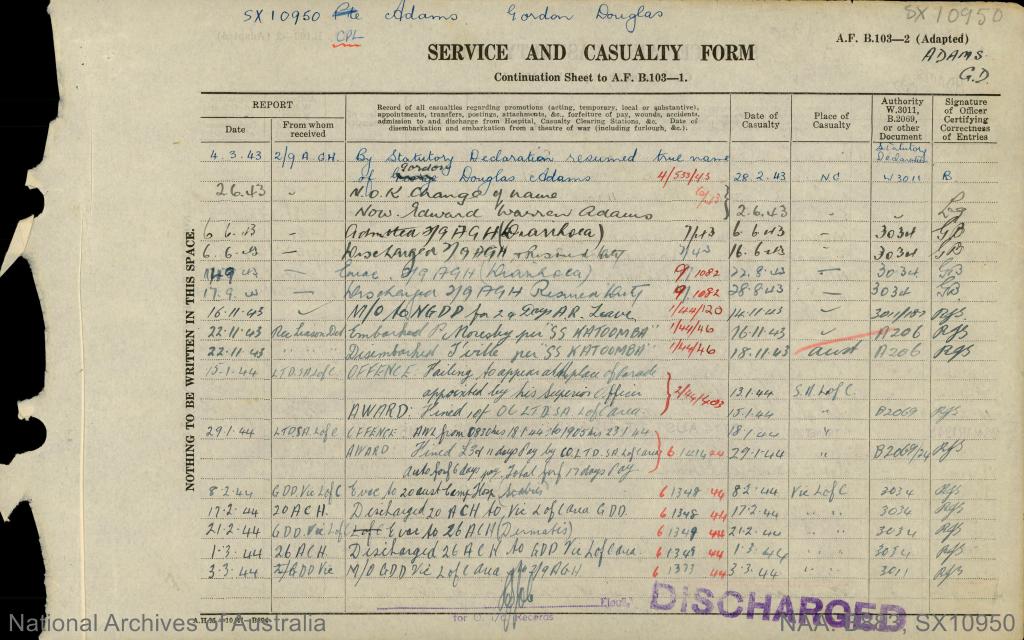
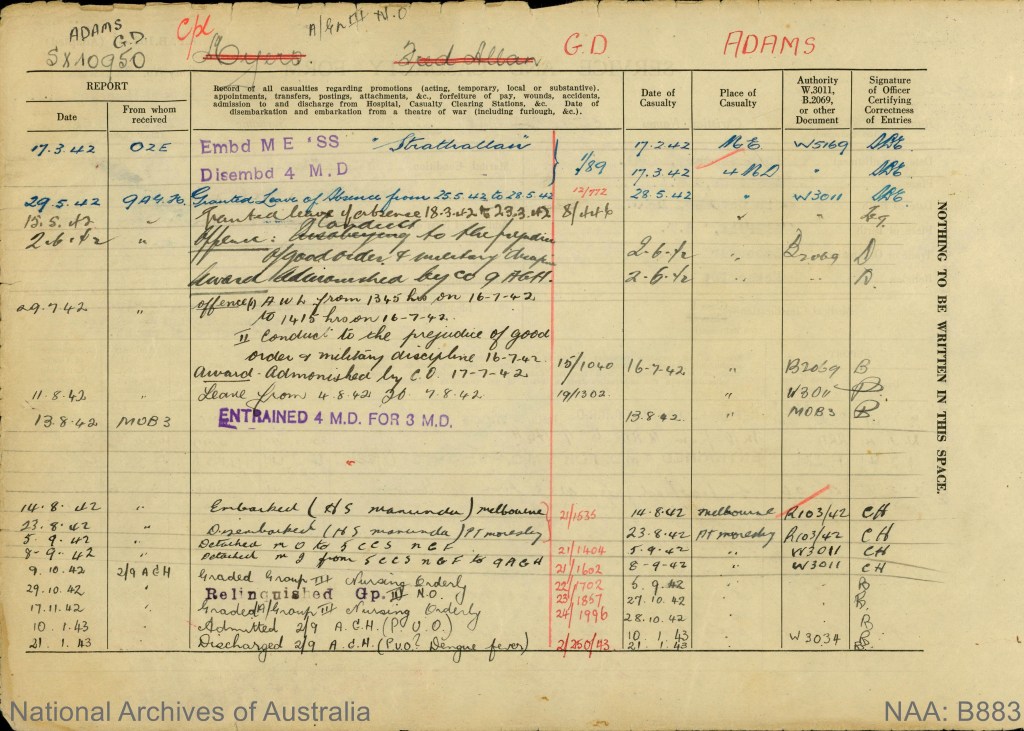
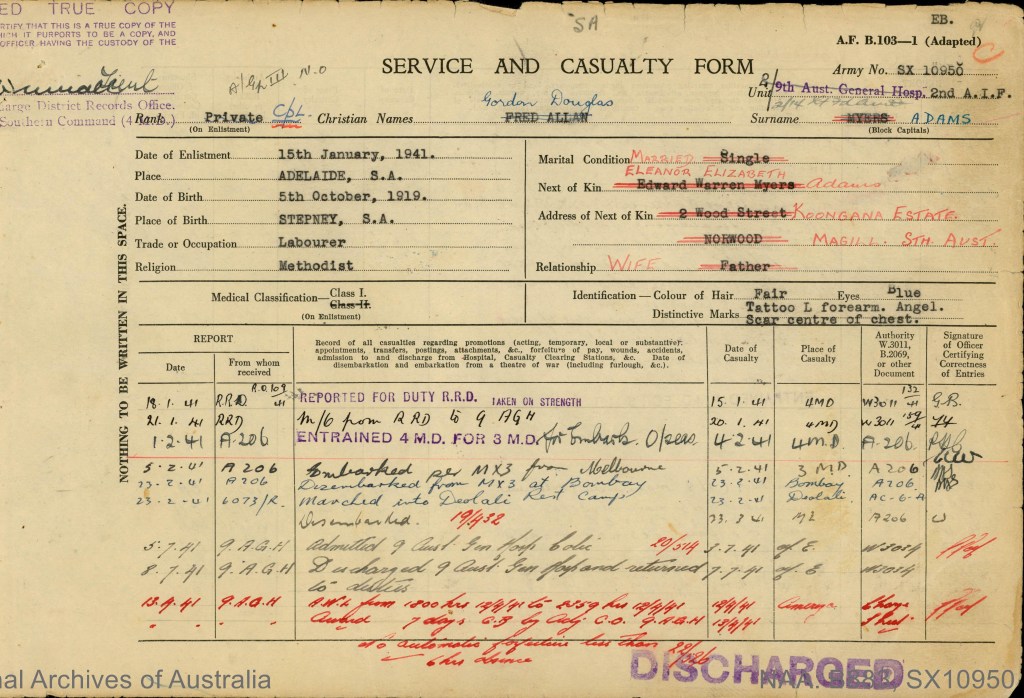
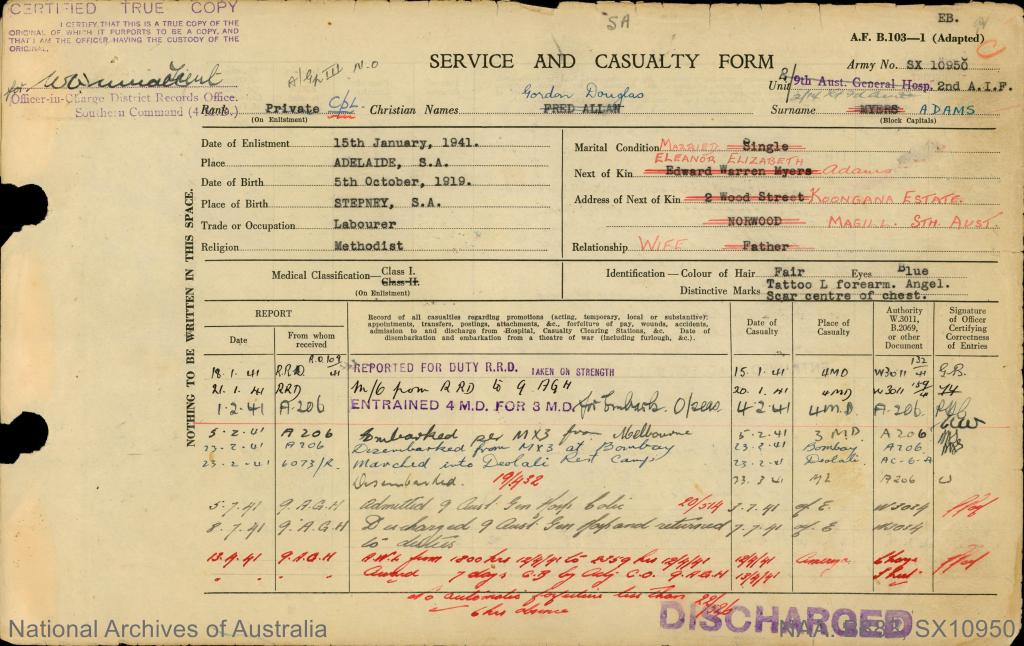
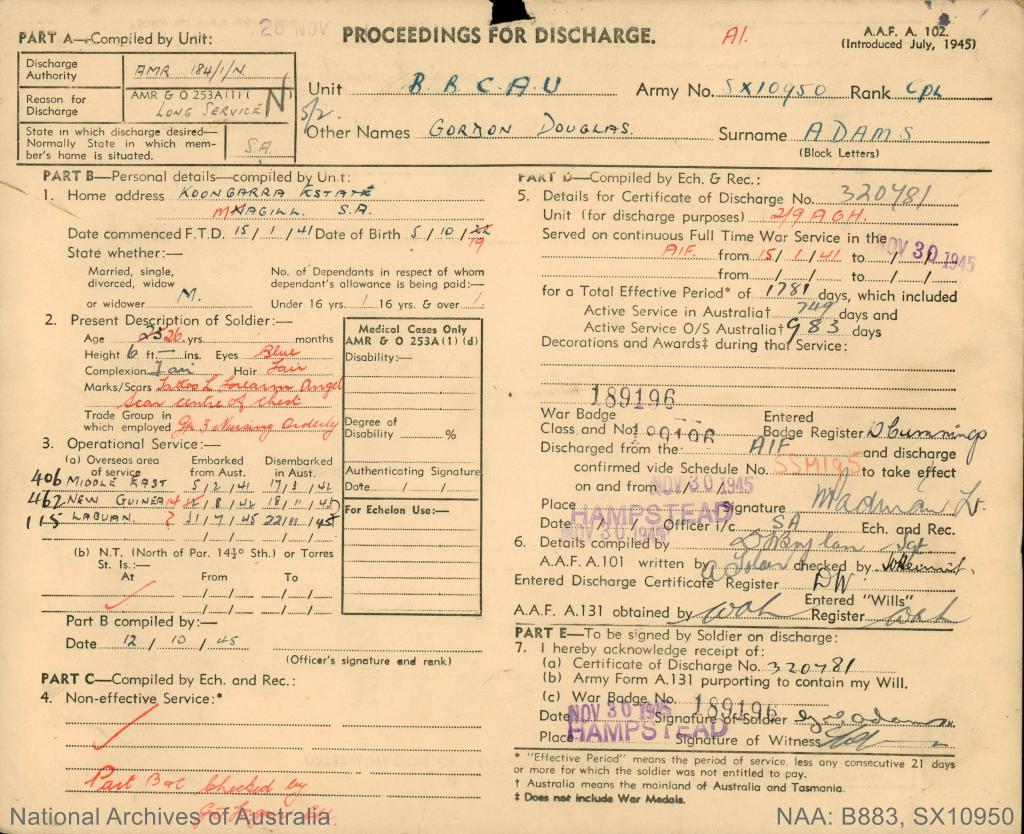
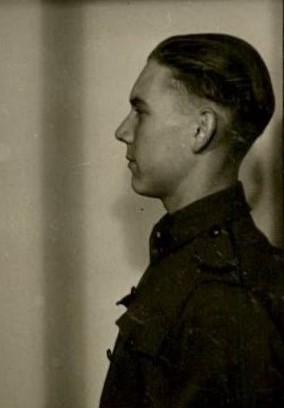
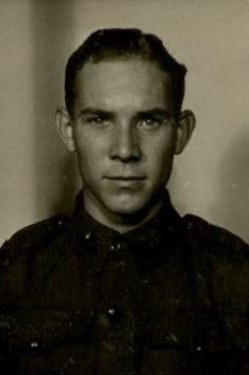
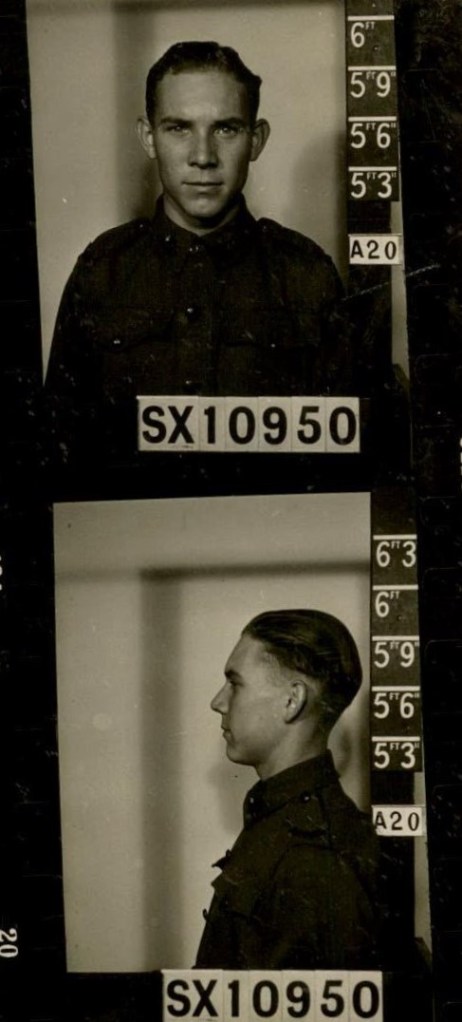
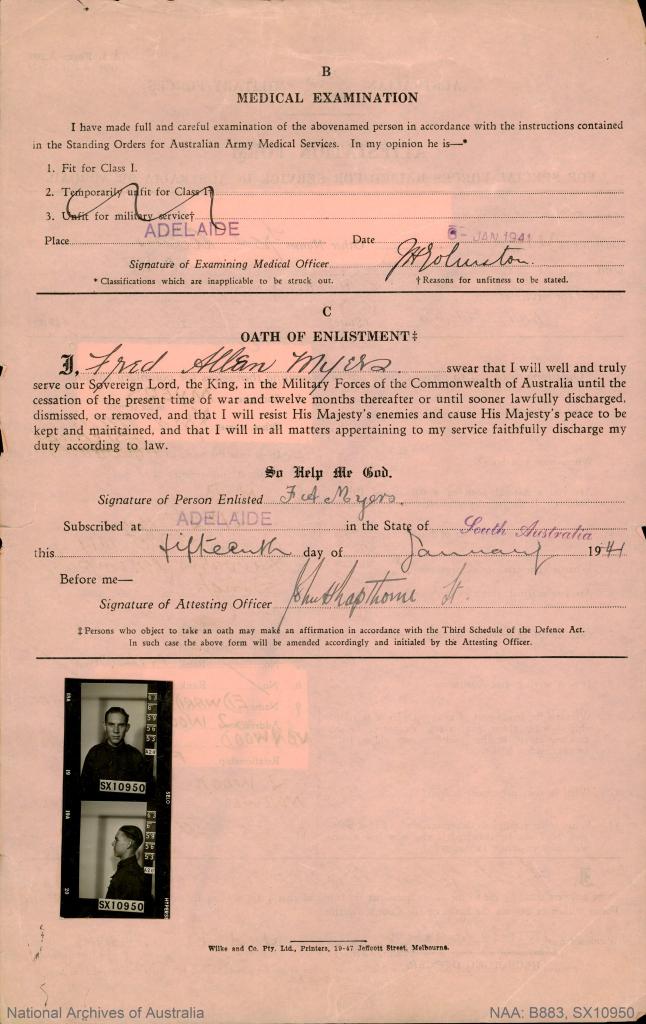
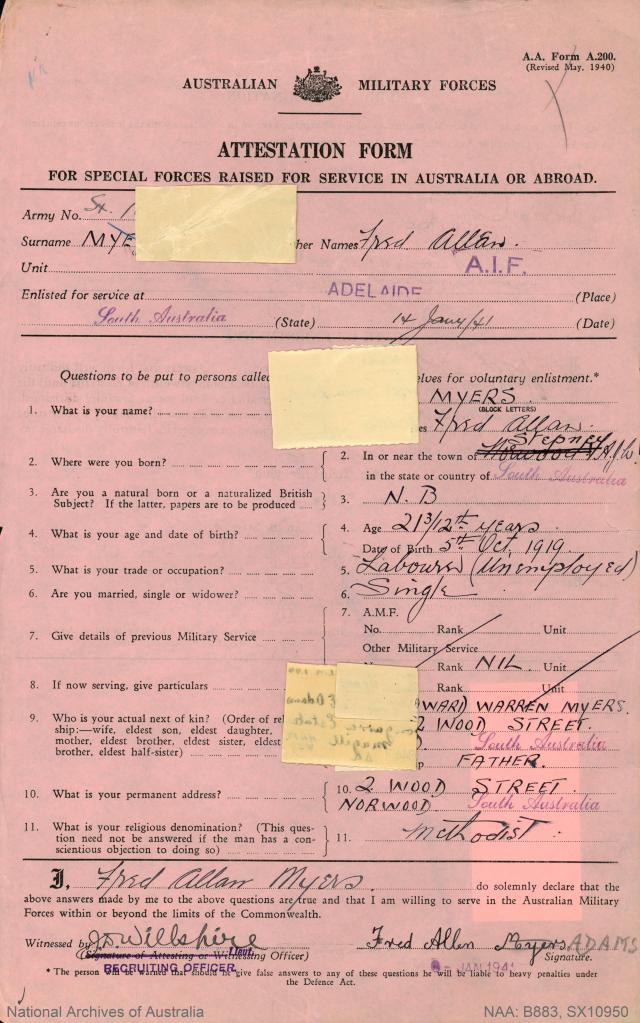
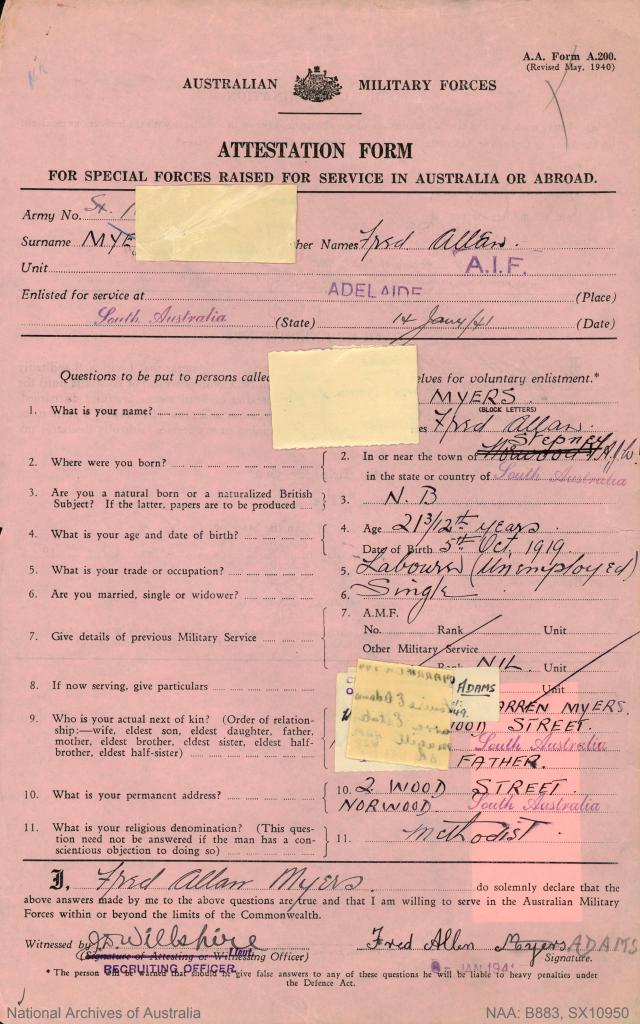

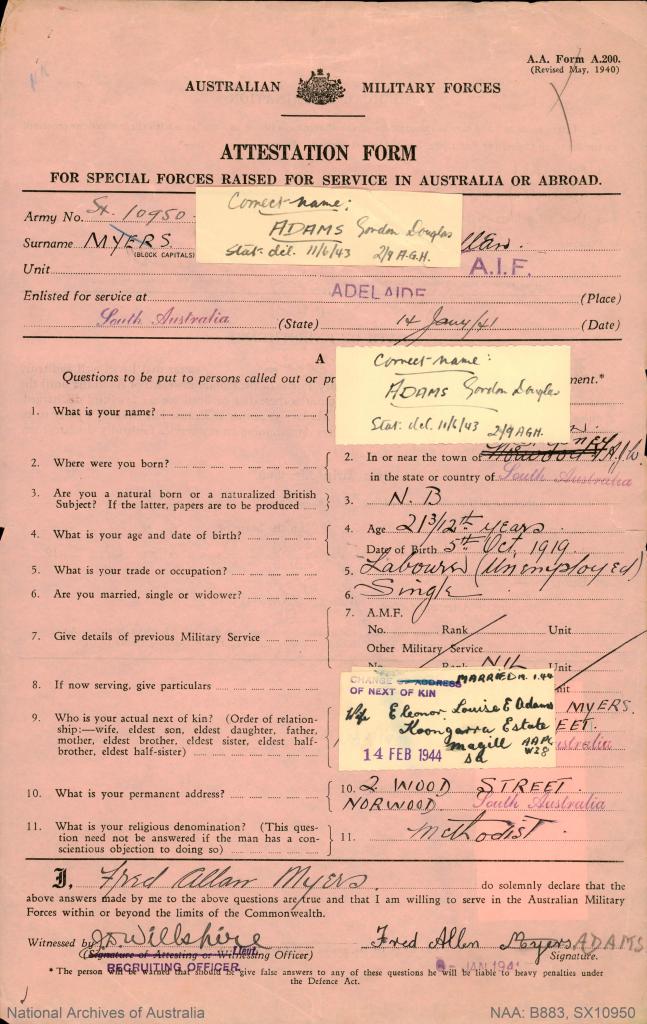
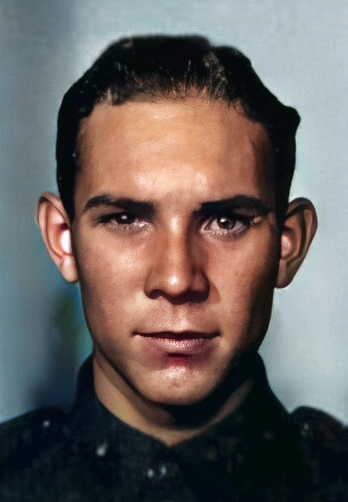
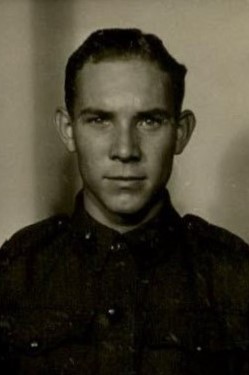
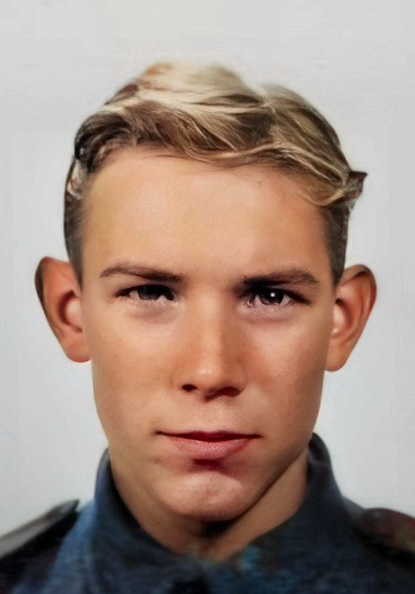
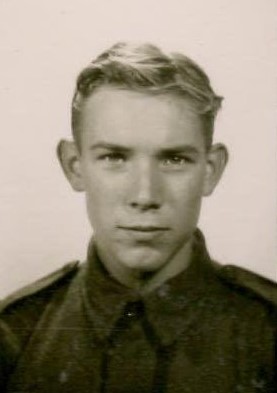
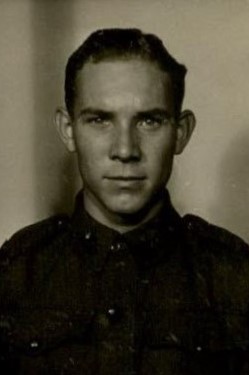
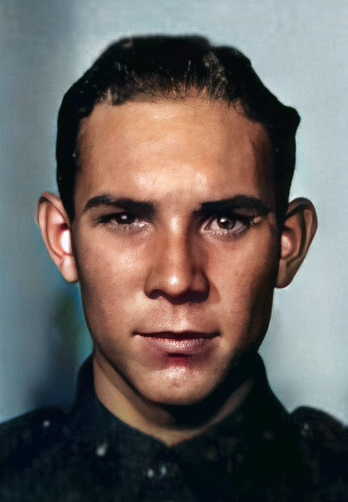
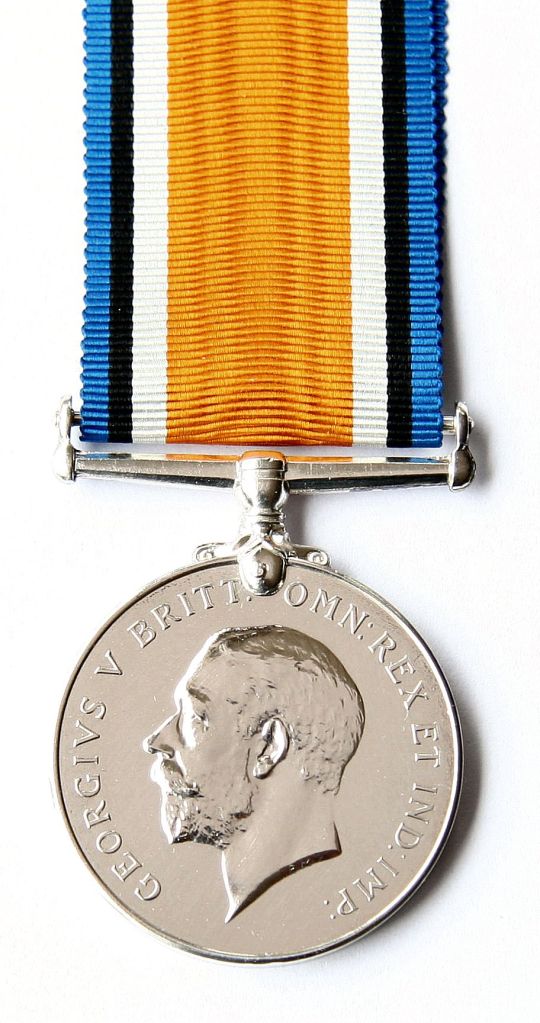
National Archives of Australia
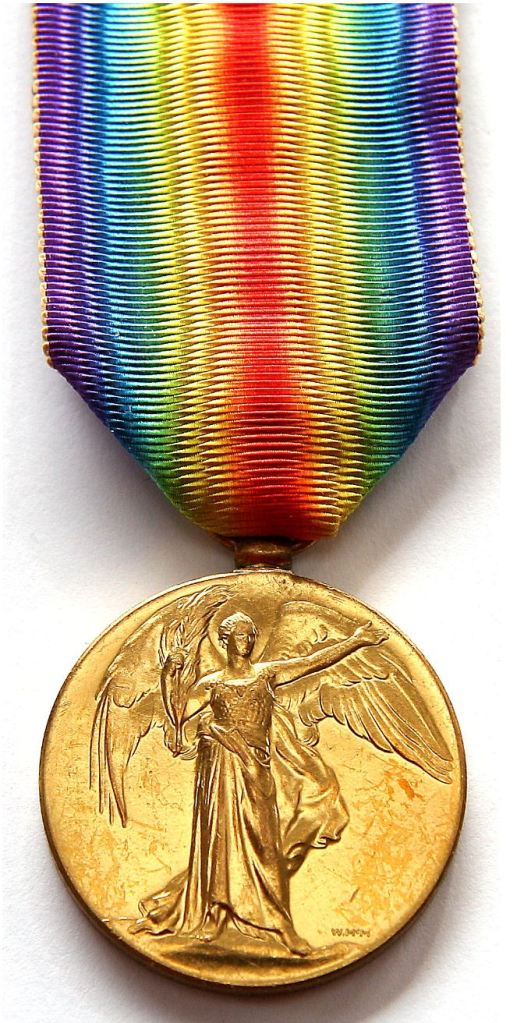
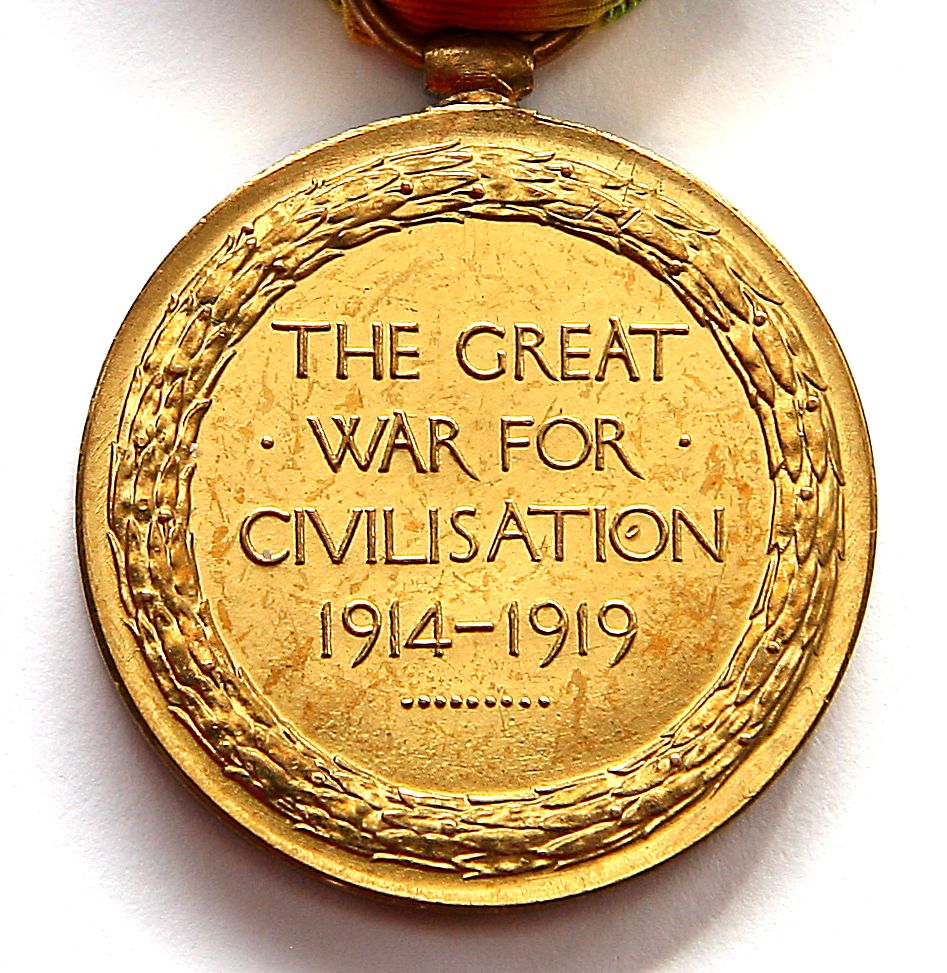
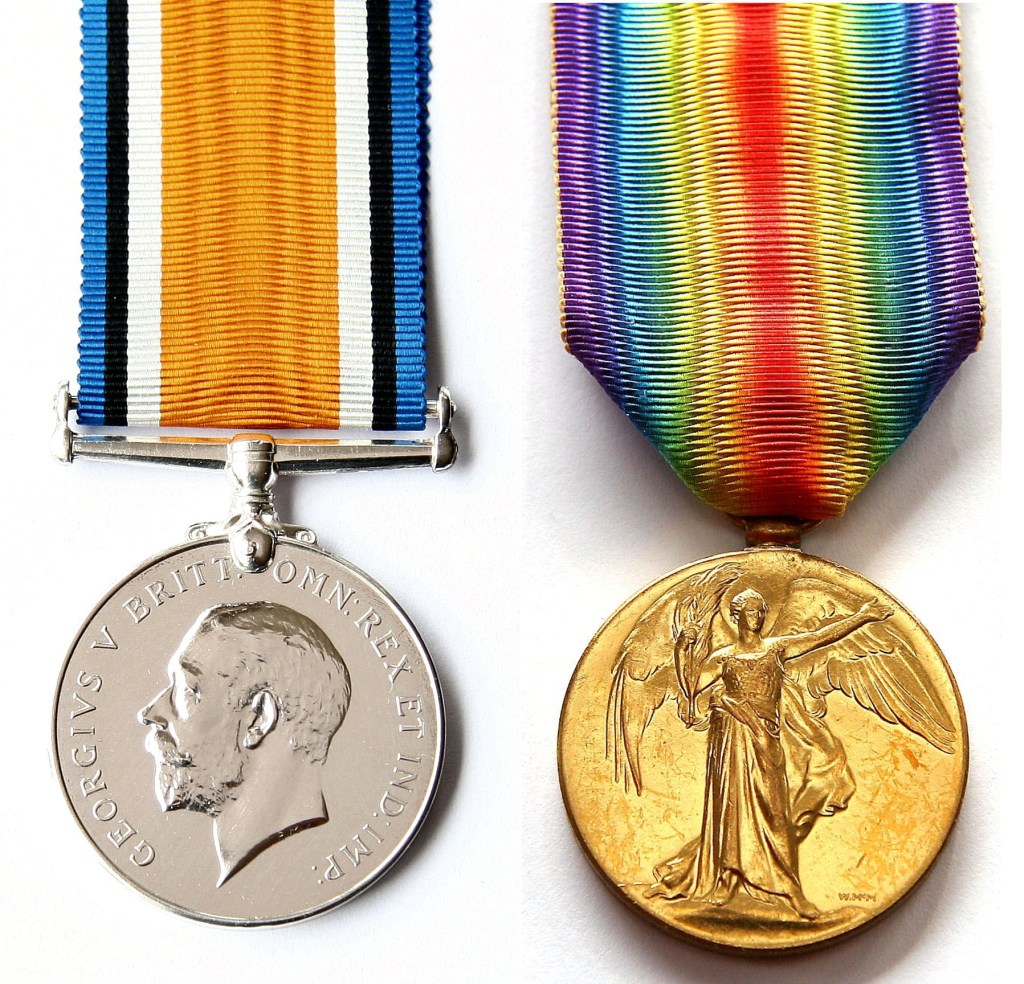
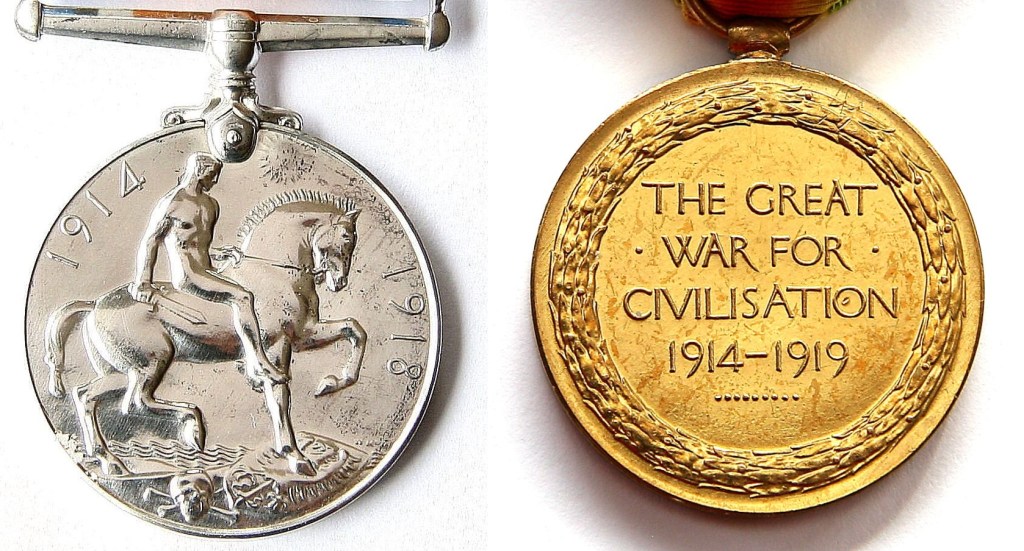
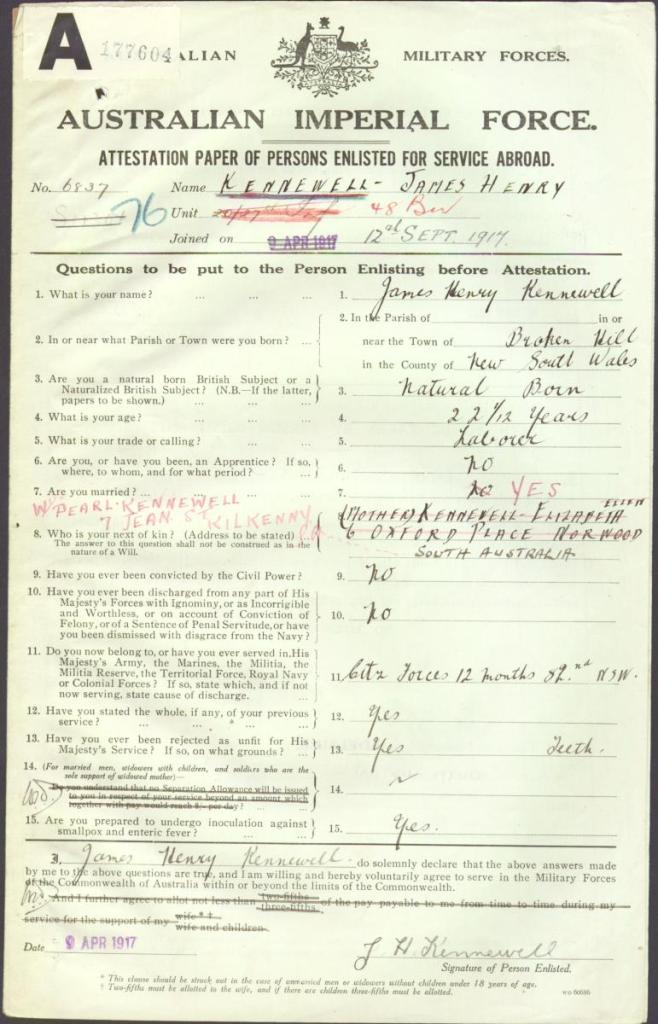
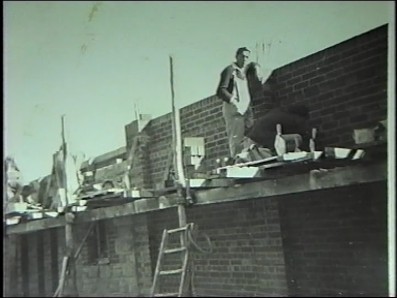
In the late 1940’s Mick traveled to Woomera, when they were building the rocket range and British Nuclear testing facilities, on his Motor Bike, looking for work, an un-fortunate idea as the roads were very ROUGH, and motor bike suspension in those days was not very good, he spent some time in Hospital with Severely bruised internal organs.
I still have Micks Trade Manuals, and His original Level and Plumb-Bob.
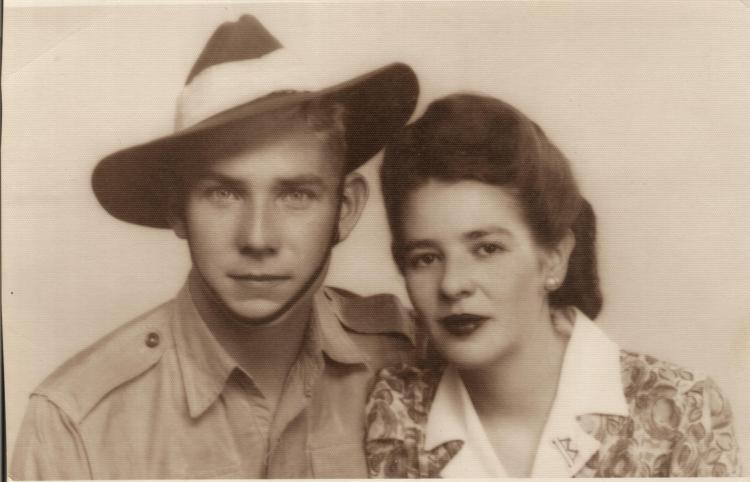
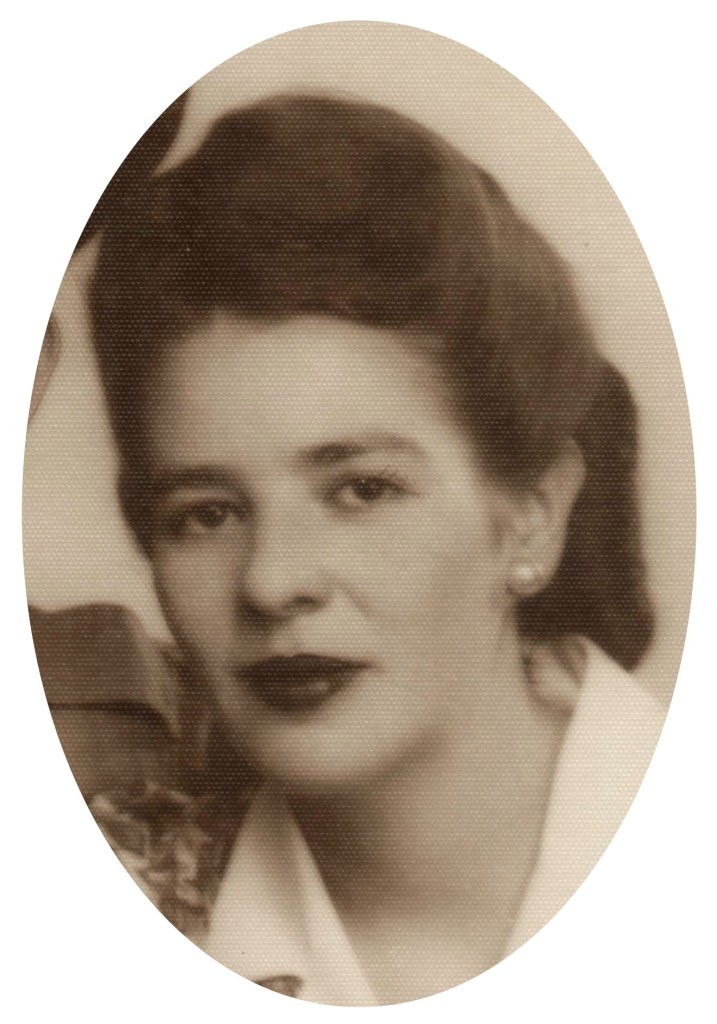
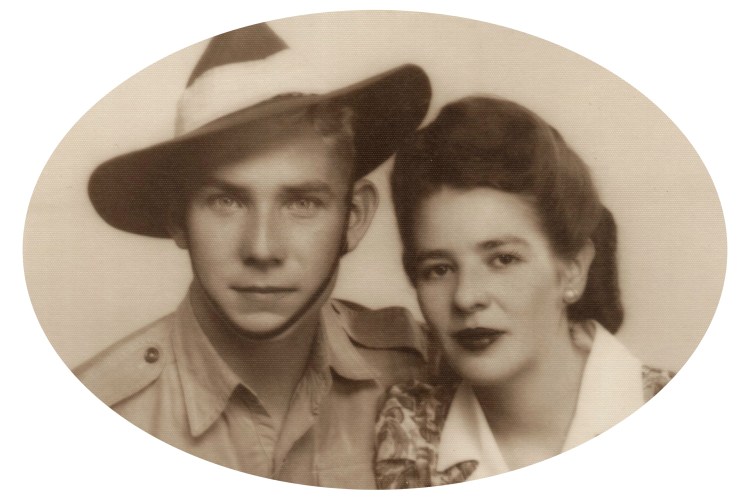
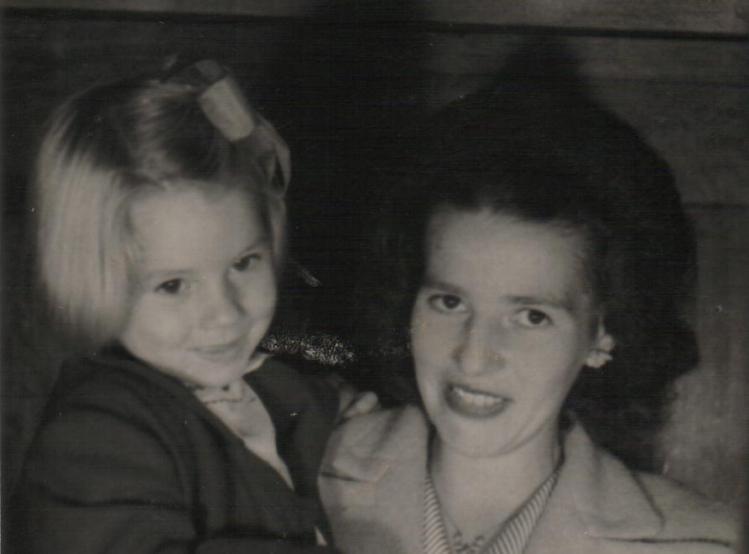
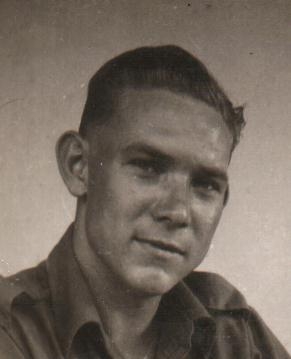
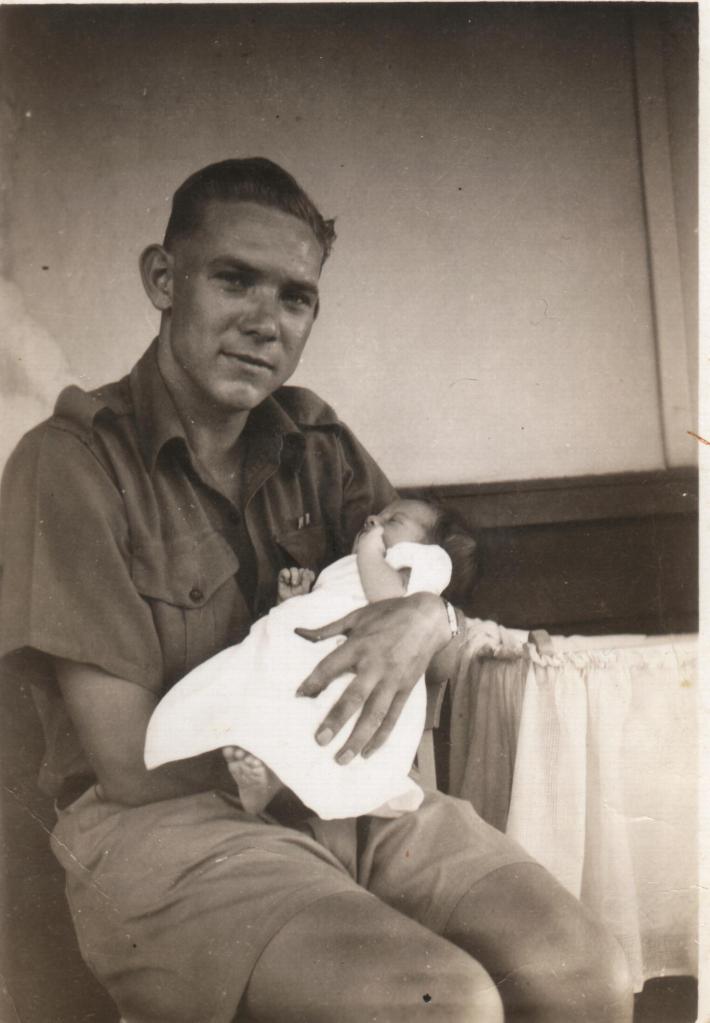
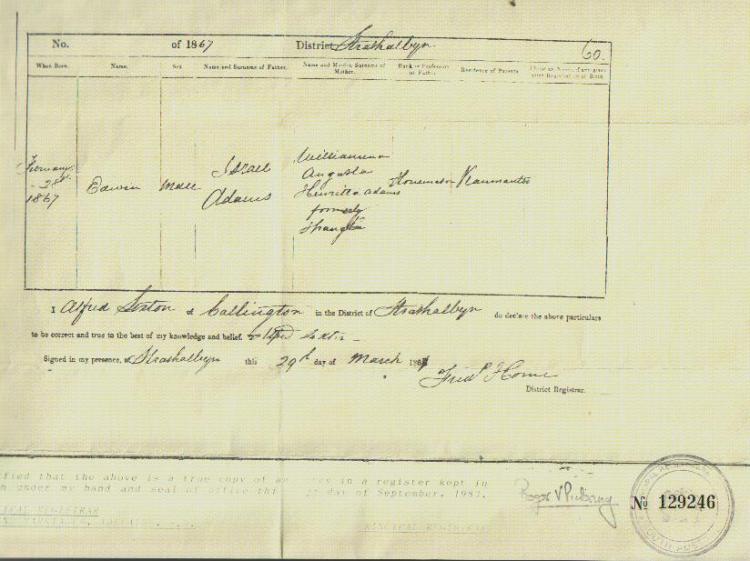
Israel took his time registering the birth, a full 4 Weeks.
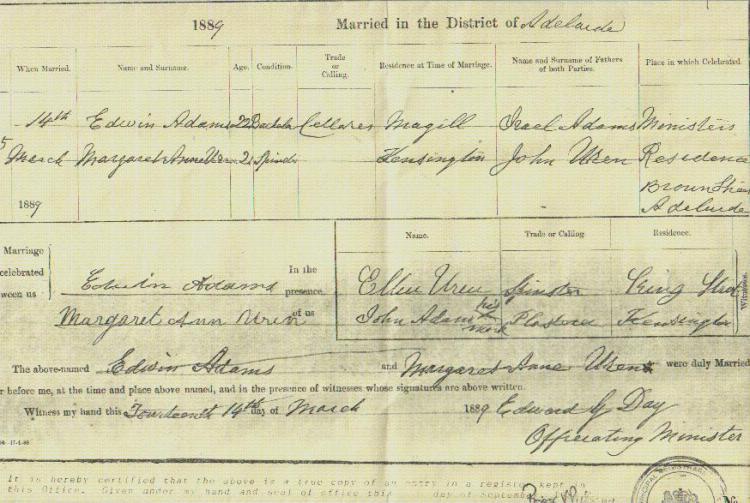
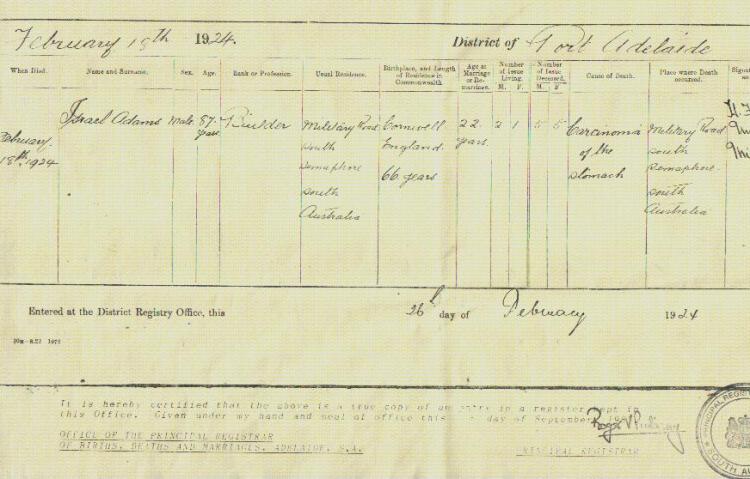
says he was 87 on death certificate but 88 on headstone.
It has been over 160 years since Israel and Wilhelmina were Married, (26 March 1859) the certificate says he was 22 at time of marriage and that he lived in Australia for 66 years , so he must have arrived around 1858 or maybe 1857 depending on which age at death is correct.
When I was doing family history research I found one of his children doesn’t fit in I suspect he had a son that comes from before he even got to Australia and met Wilhelmina.
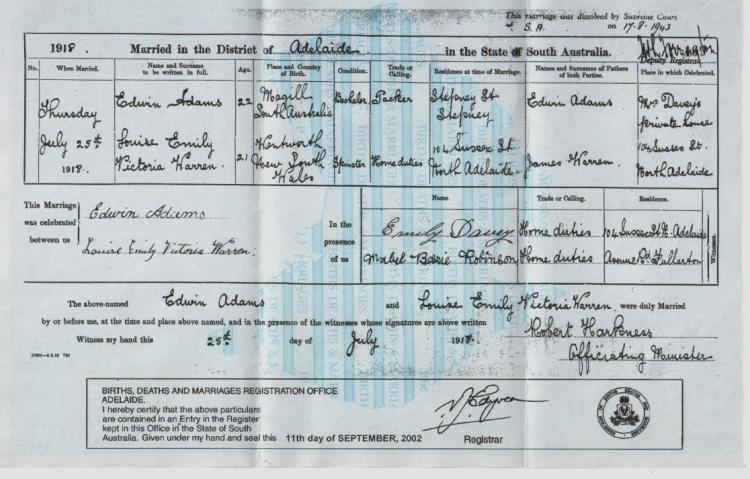
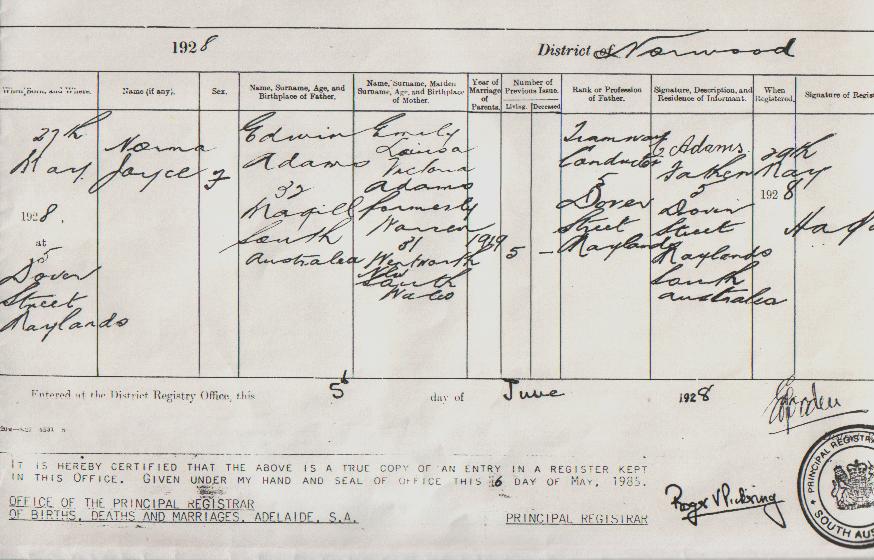
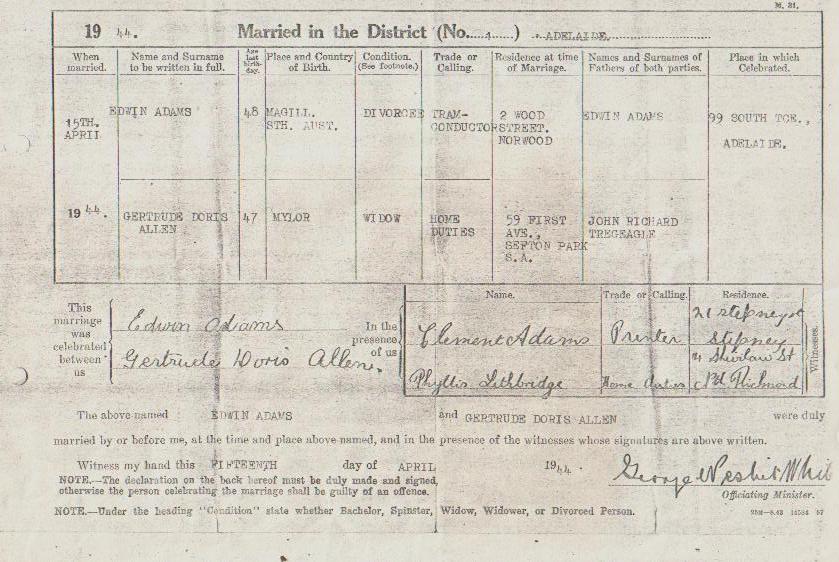
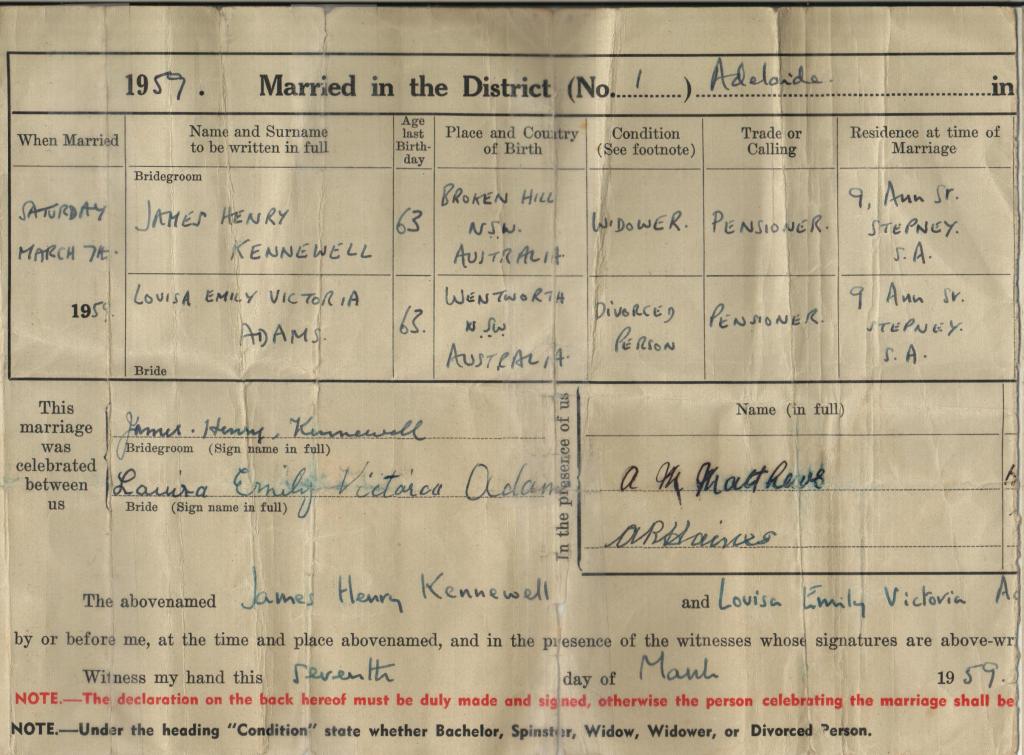
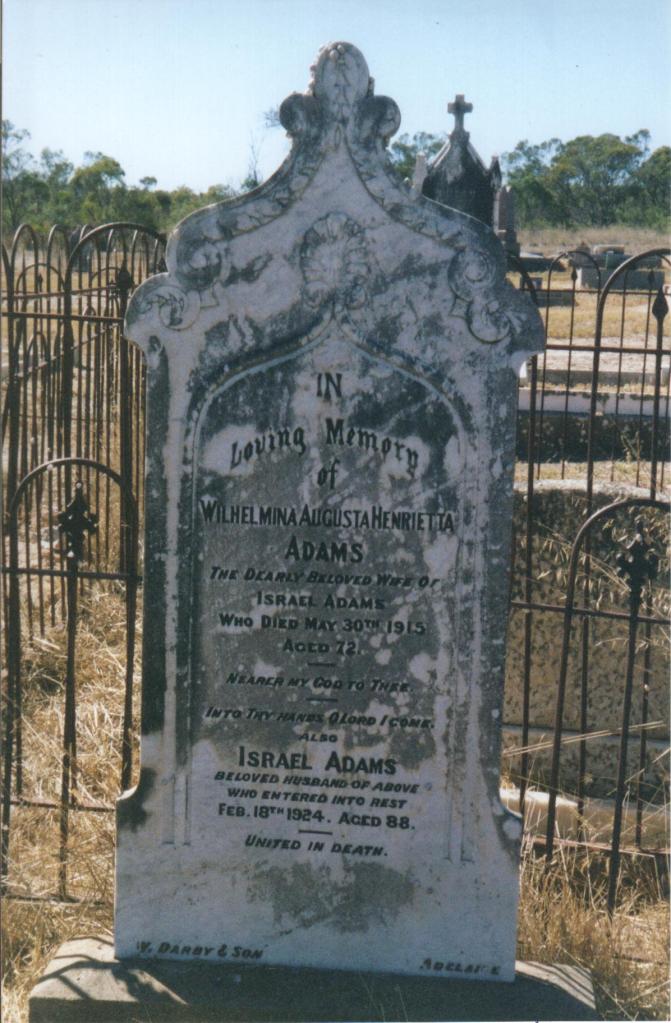
Israel lived in Kanmantoo from the late 1850’s till around 1920, at different times as well as being a Builder and Stone Mason he also owned 2 Hotels and a Butcher Shop, his residence was approximately where Mine Road joins Old Princes Highway in Kanmantoo.
Israel was a bit of a hard case by some of the stories that have come out, one funny one is of a time when coming back from meeting the train in Callington to pick up supplies, he had no whip and the horse was not co-operating, amongst meat for his Butcher shop he found a string of sausages, which he promptly used as a whip, extra flavour for one of the customers I guess, another time a darker side of him taking a friend to catch the train the horse played up and they missed it, he promptly found an old abandoned mine shaft, un-harnessed the horse and backed it down into the mine to its death, I guess it was a much harsher world they lived in.
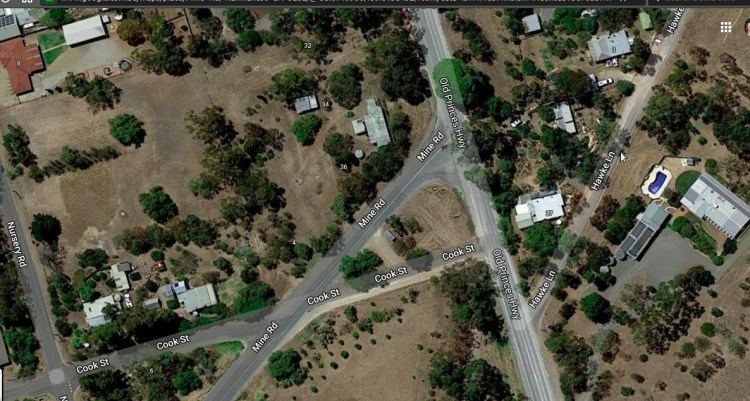
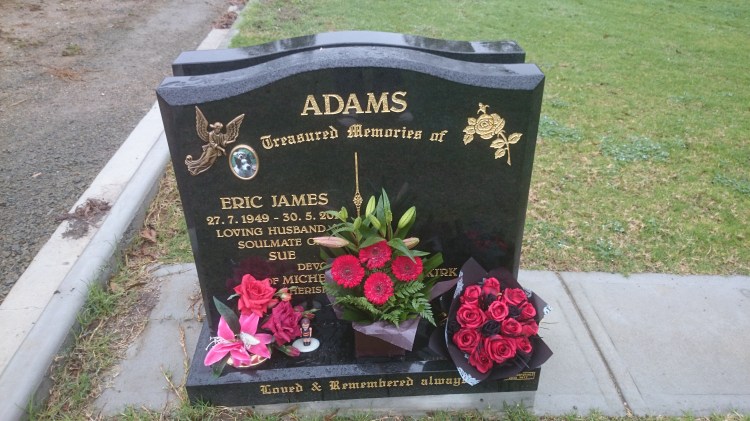
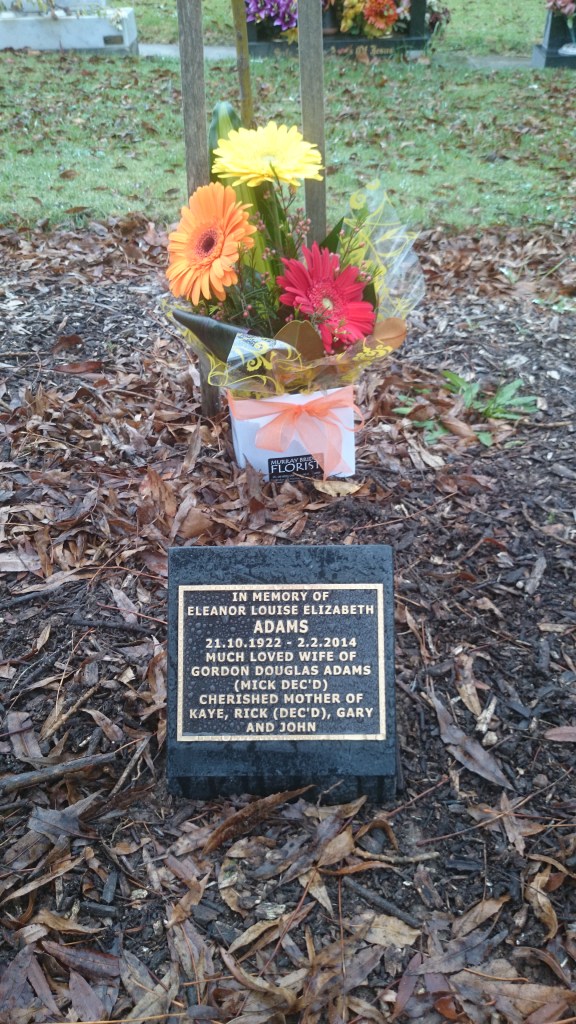
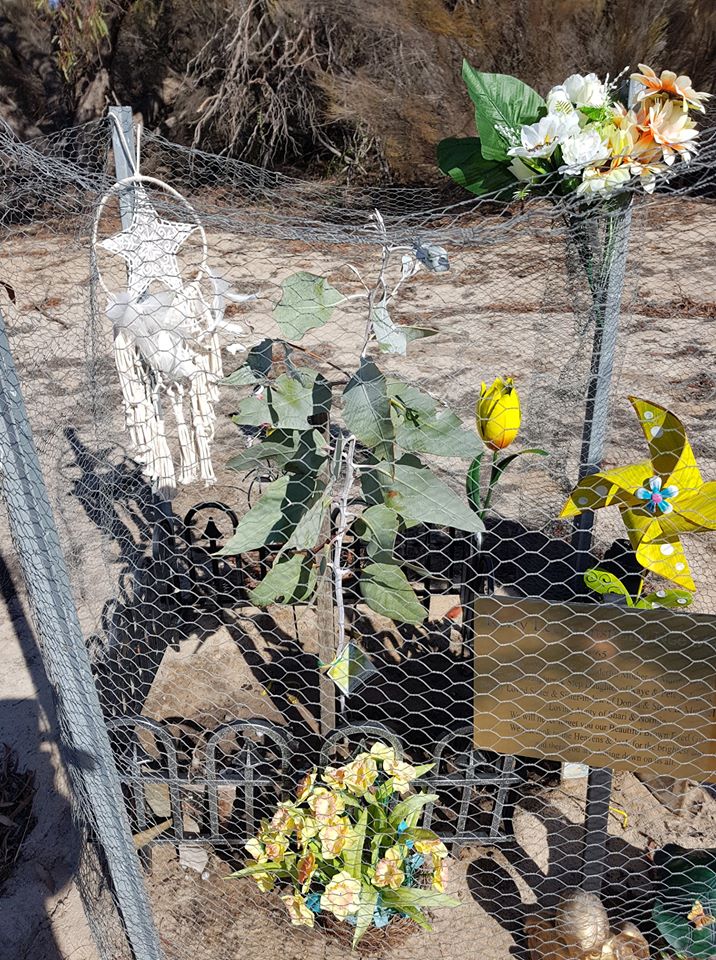
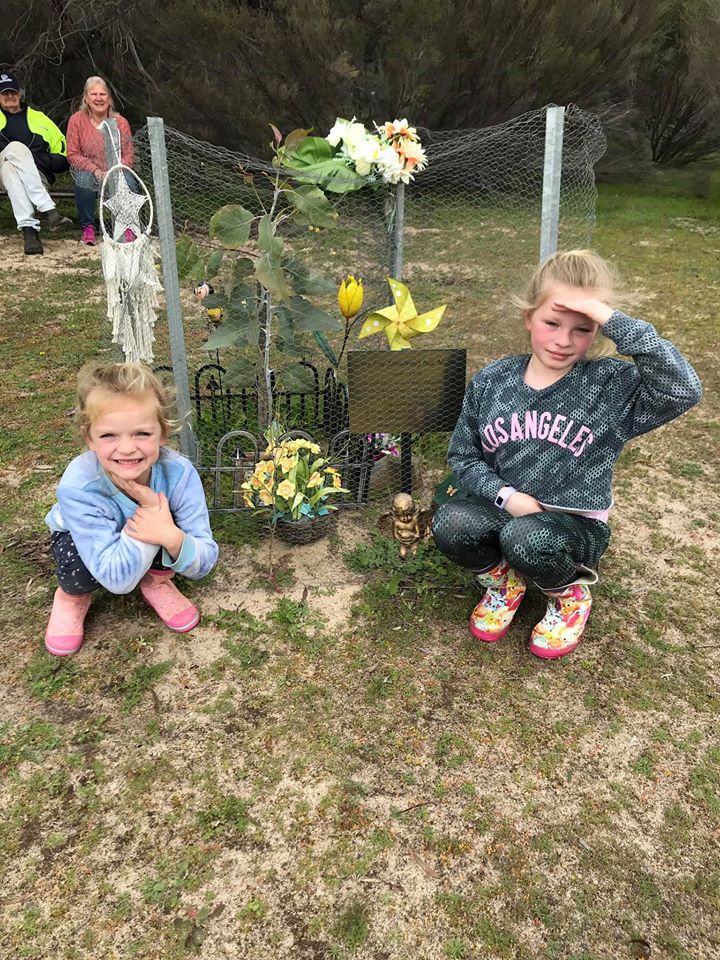
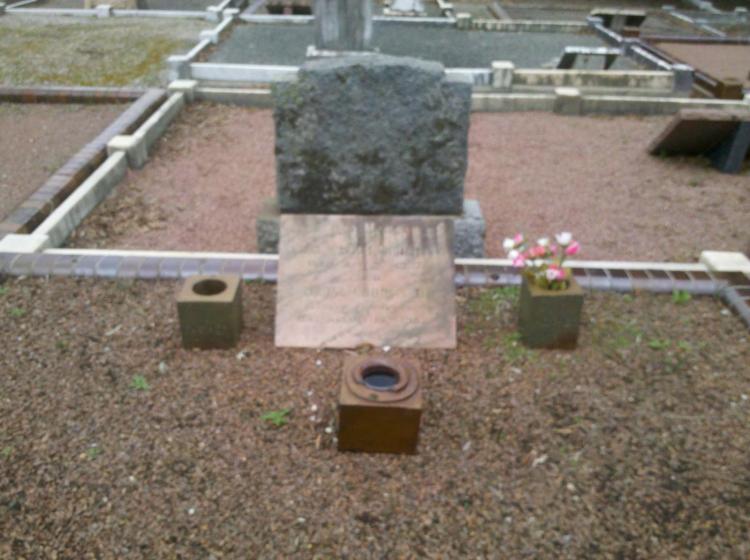
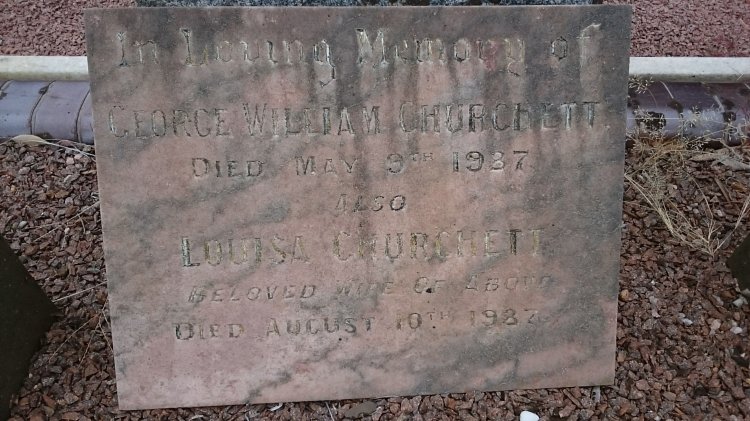
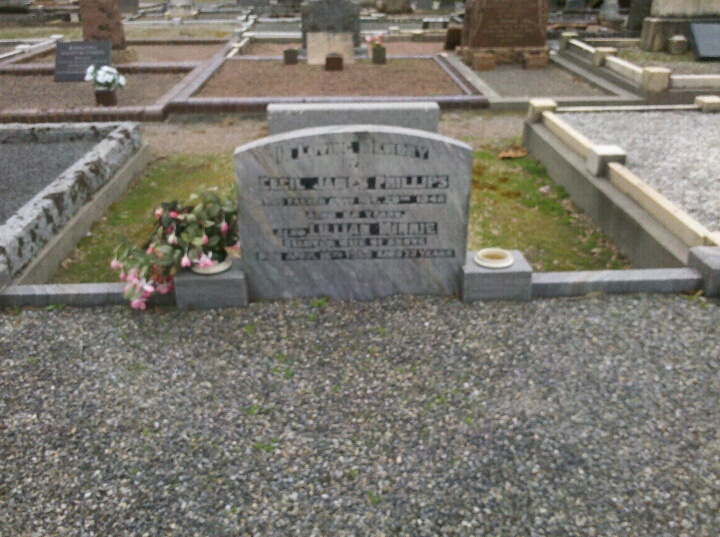
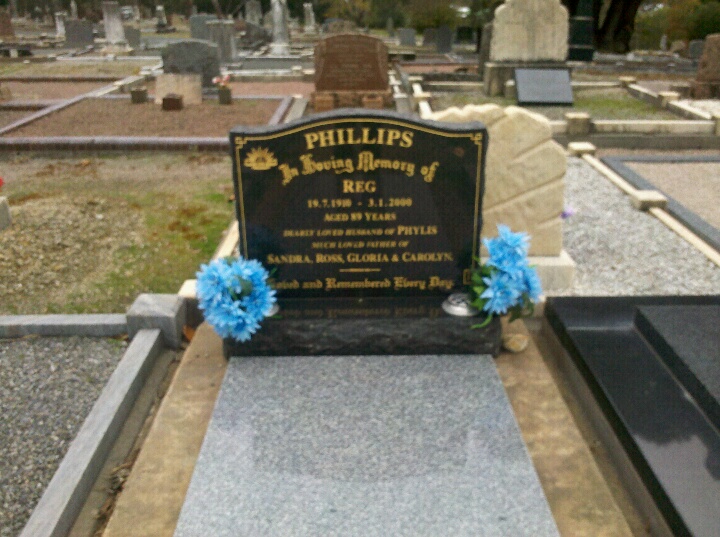
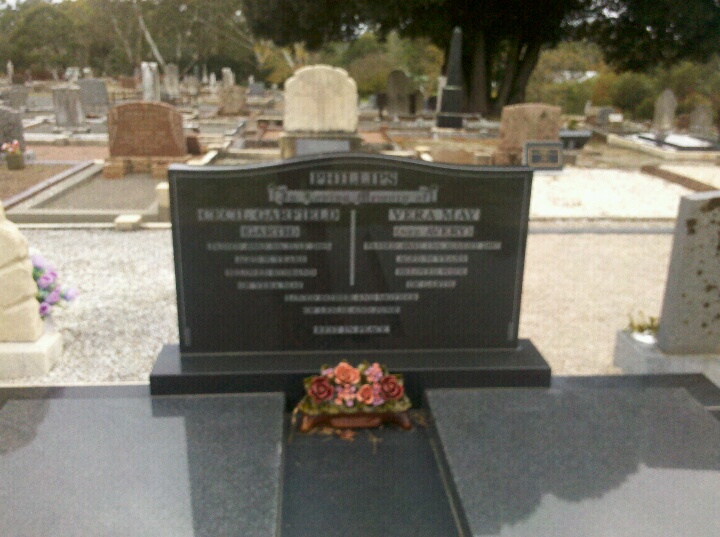
Phillips Family
The Phillips Family moved around South Australia quite a bit before settling down. Obviously they were following the copper mines around, which makes sense seeing as they were from Cornwall. The second generation seems to have moved away from the copper mining background into horticulture.
The first indication of the Phillips’s is at Burra, followed by Hamilton (near Kapunda) then Moonta, and finally around Tea Tree Gully/Golden Grove, you can find members of the family in Dernancourt, Highbury, Tea tree Gully, Houghton and Golden Grove.
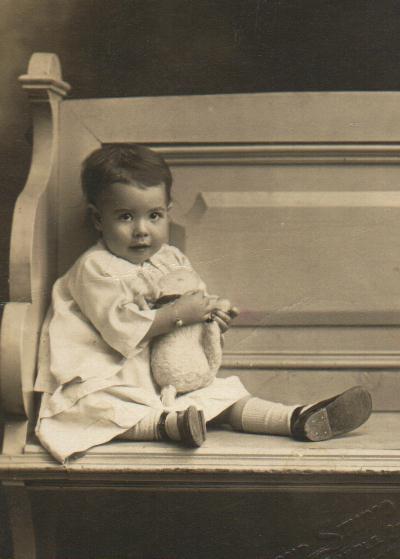
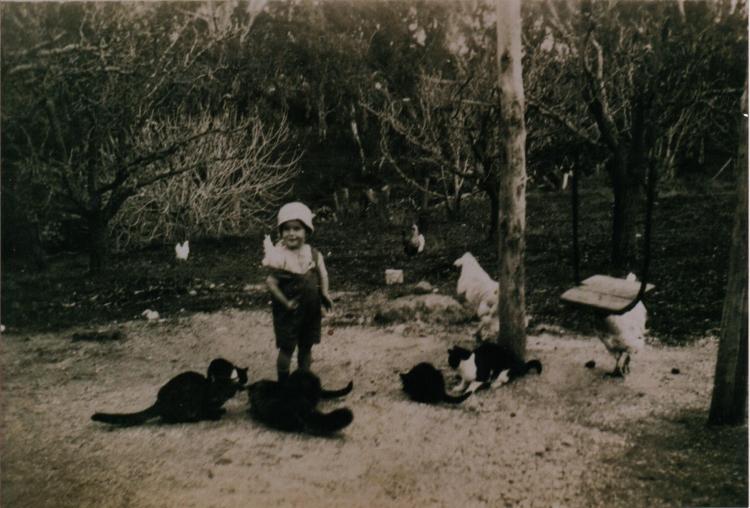
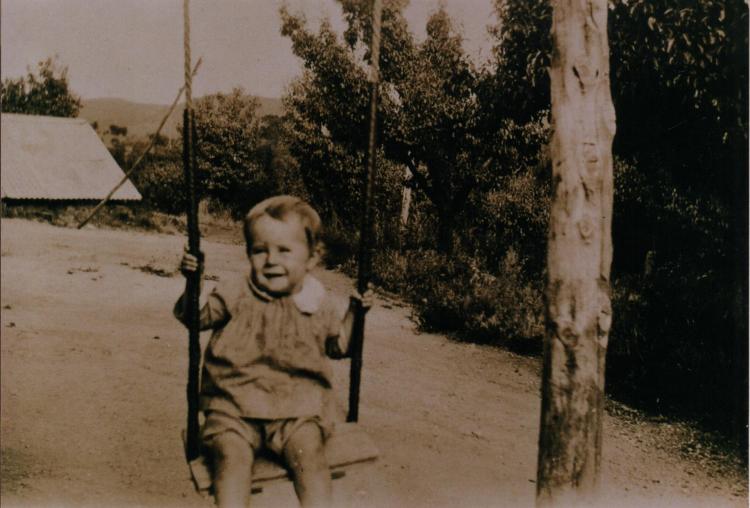
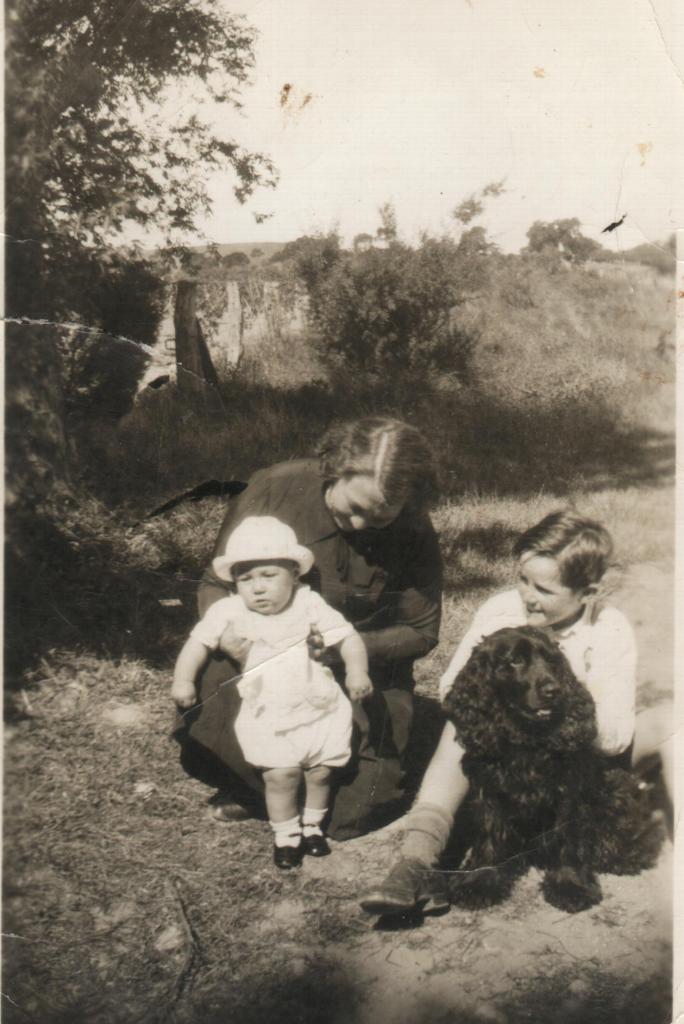
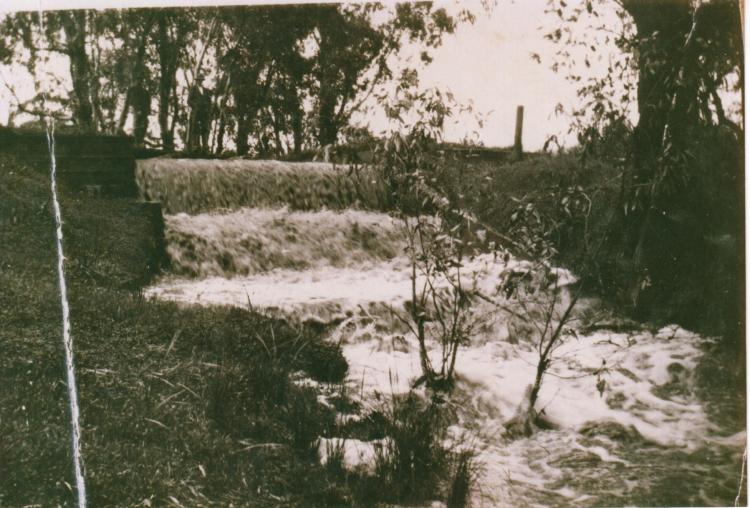
When the creek flooded, Cecil took the horse and cart to transport the kids to Modbury Primary School
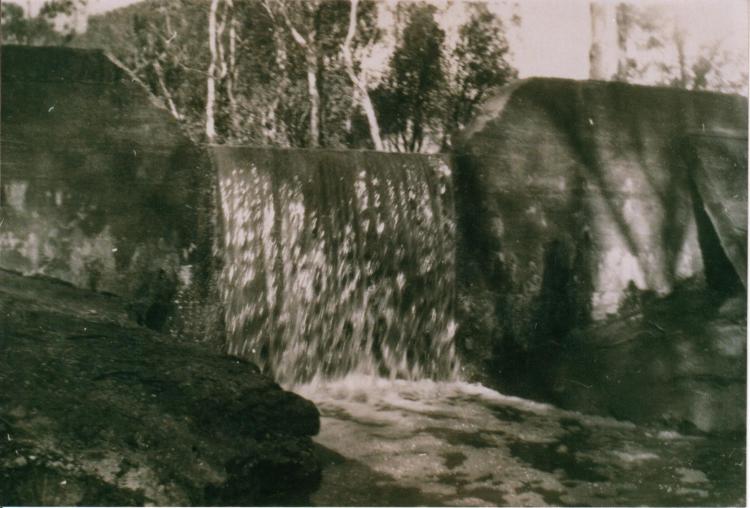
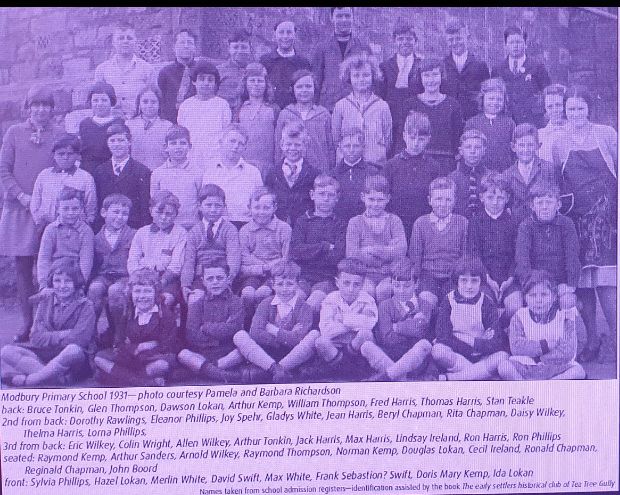
Louisa Churchett (Louie) (nee Hockey), Born in July 1864 Somerset England, Died 10/08/1937 Houghton, Buried at Houghton Cemetery (73)
8 Burials at Houghton
Children 7
Maurice George William Churchett (Morrie), Born 23/03/1886 Houghton SA, Died 28/06/1970, Buried at Houghton Cemetery (84)
Lancelot Reginald Churchett, Born 25/03/1888 Houghton SA, Died, Buried at Houghton Cemetery
Lillian Minnie Phillips (nee Churchett), Born 10/06/1890 Inglewood SA, Died 16/04/1963 TTG SA, Buried at Houghton Cemetery (72)
Clifford Edwin Churchett (Cliff), Born 28/06/1892 Houghton SA, Died 8/10/1969, Buried at Houghton Cemetery (77)
Stanley Churchett (Pop), Born 24/02/1897, Ackworth SA, Died 24/09/1983, Buried at Houghton Cemetery (86)
Ernest Salisbury Churchett, Born 17/03/1901 Ackworth SA, Died 29/01/1971, Buried at Houghton Cemetery (69)
Ethel Aeriel May Elliot (nee Churchett), Born 16/12/1904, Ackworth SA, (Married Walter Frank Elliot, Highercombe, Book/Page 303/959 1925) Died 1966, Buried Centennial Park. (62)
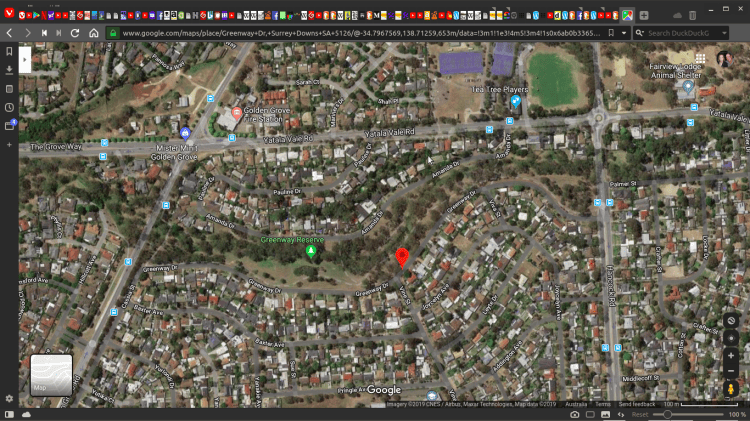
Another memory I have is as a child, going every year to the oval you can see on the corner of Hancock and Yatala-Vale Roads to The Gas Company Annual Picnic and Fair.
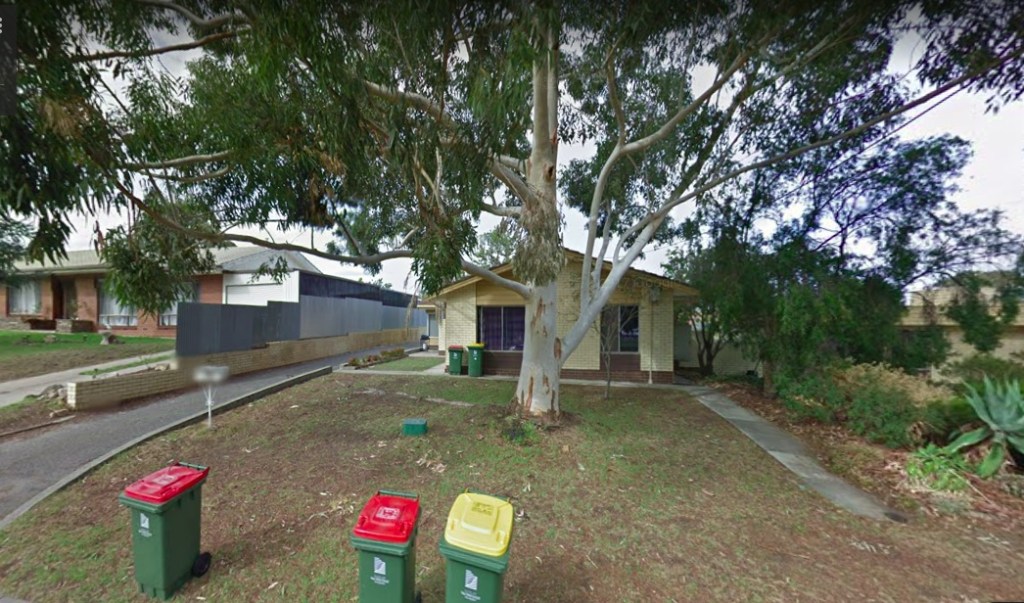
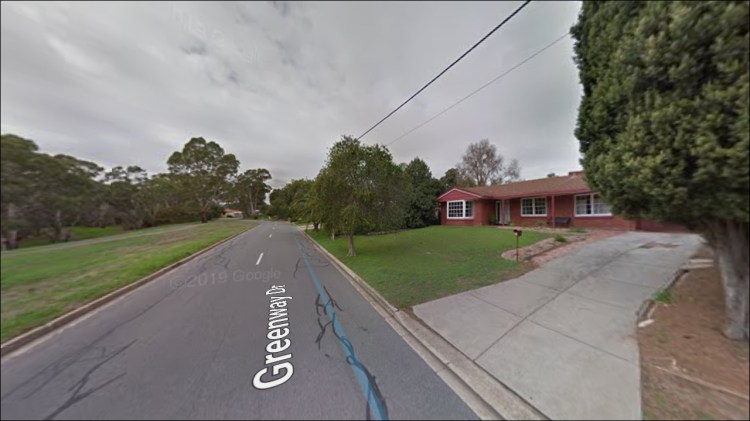
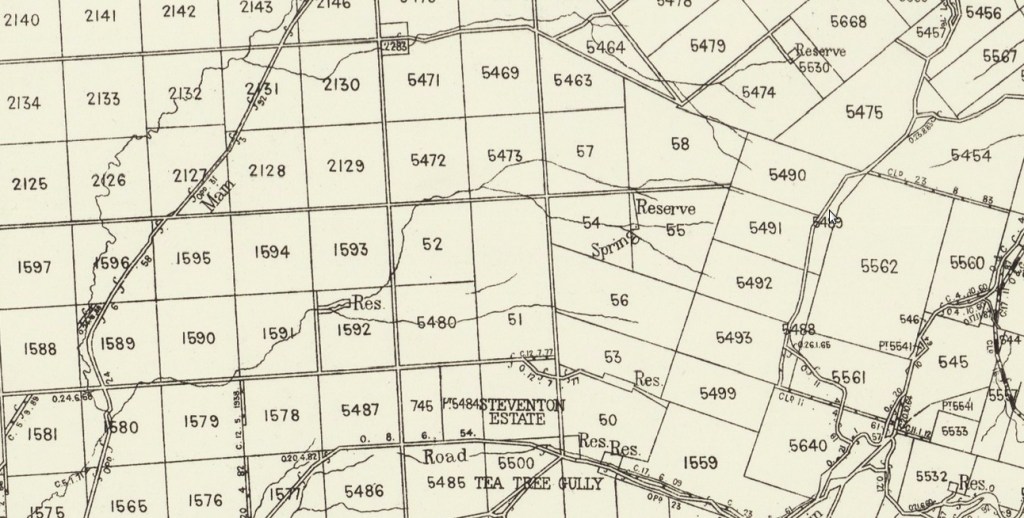
You can see Walters Street near the bottom centre of the diagram, just below the name Steventon Estate, this map was produced in 1958 so even then it was still technically Steventon, not Tea Tree Gully which is also shown but further south.
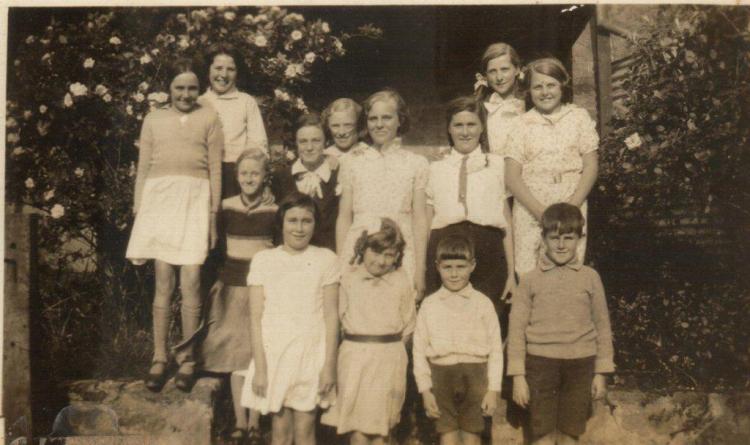
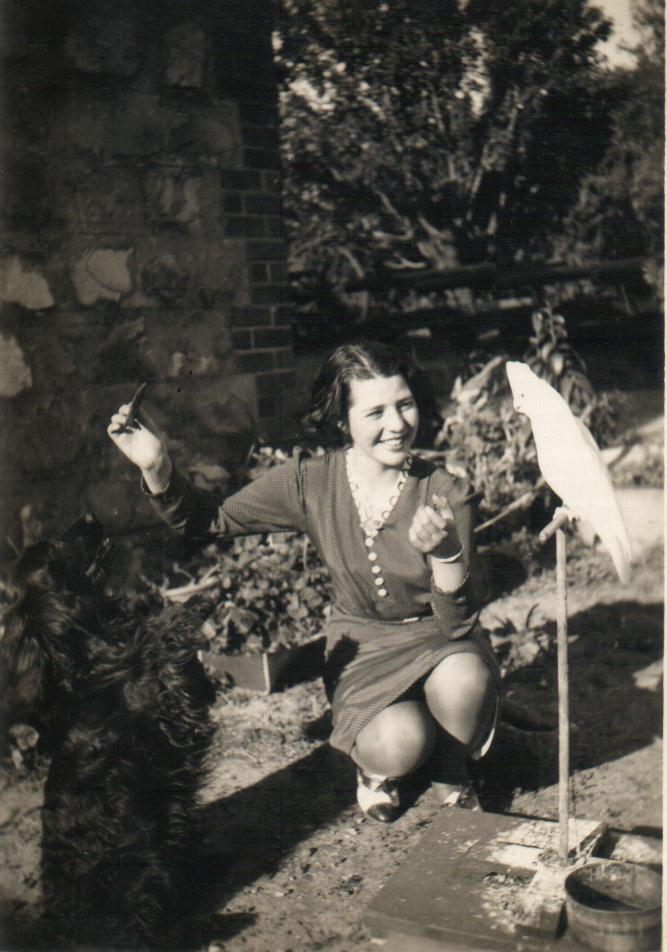
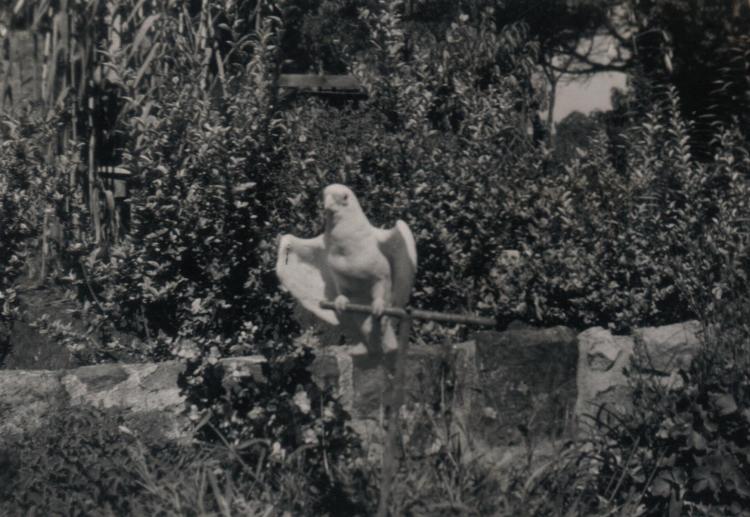
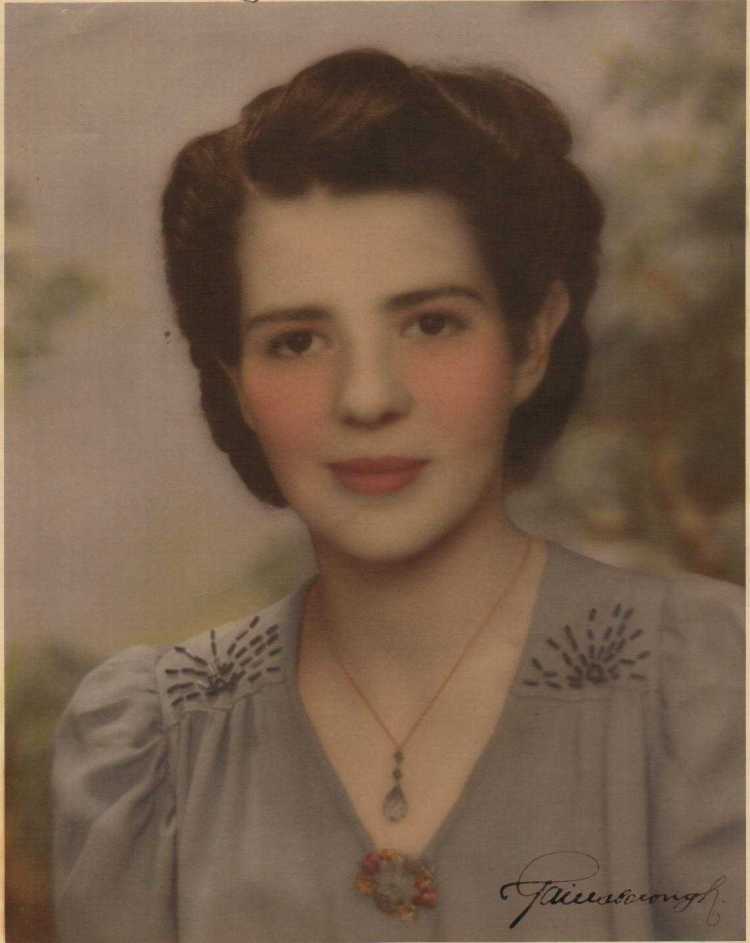
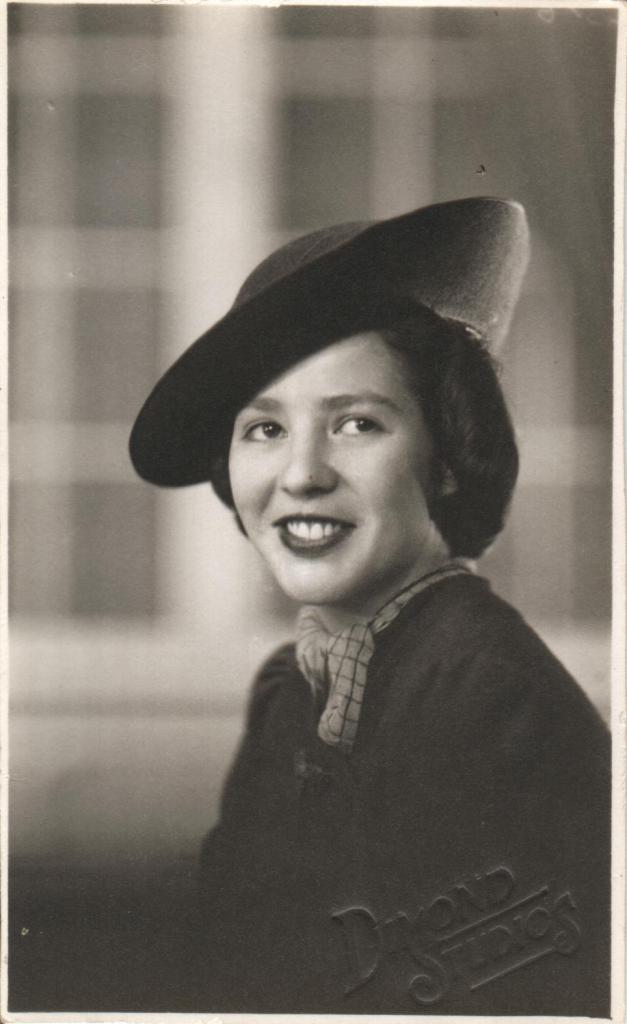
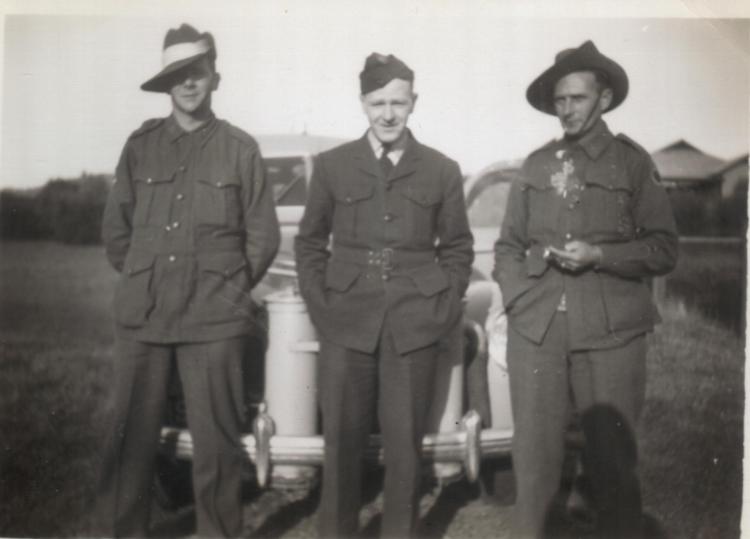
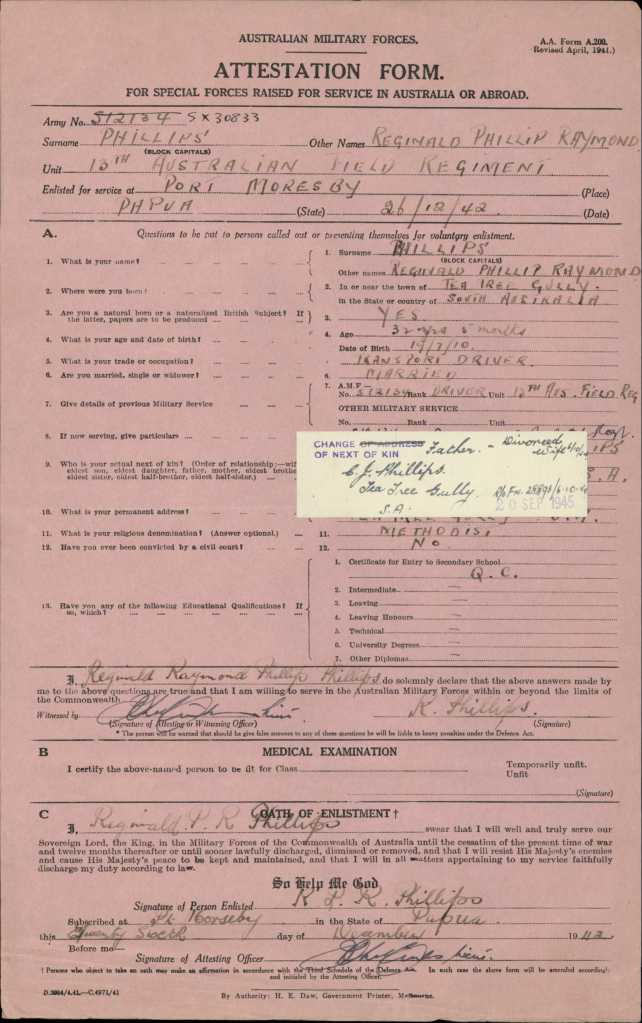
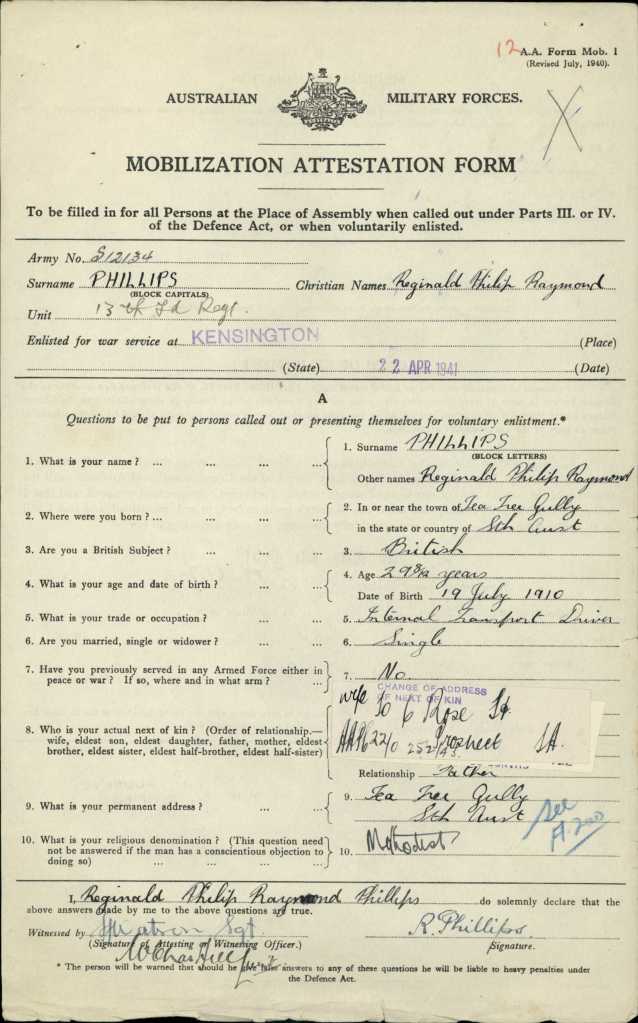
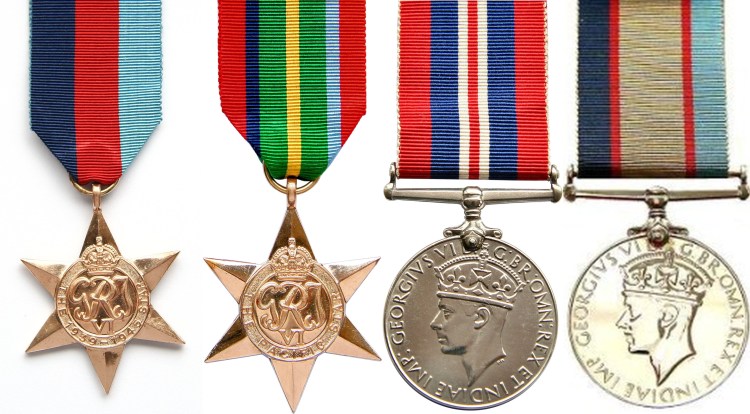
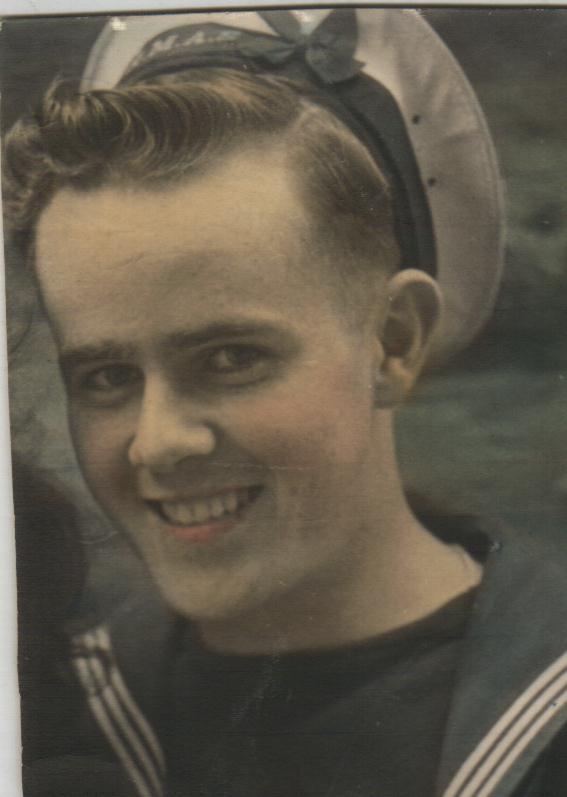
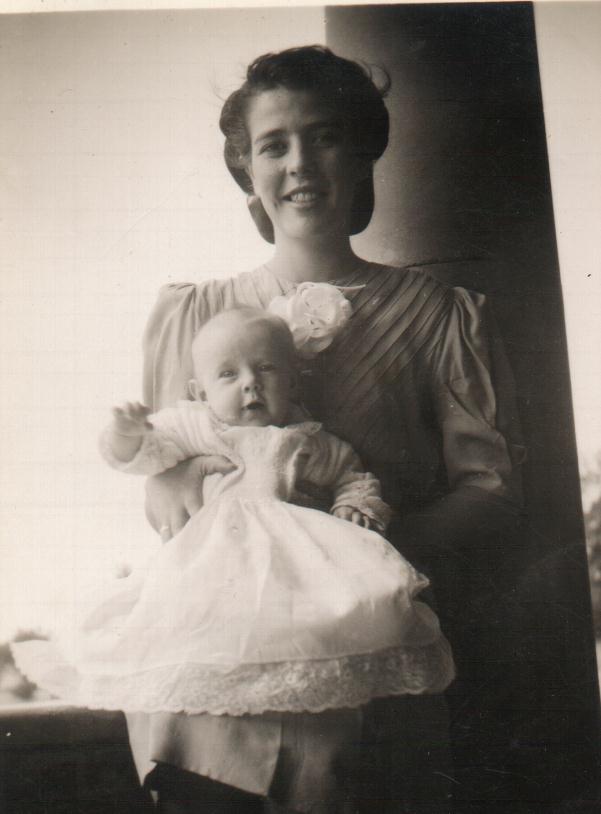
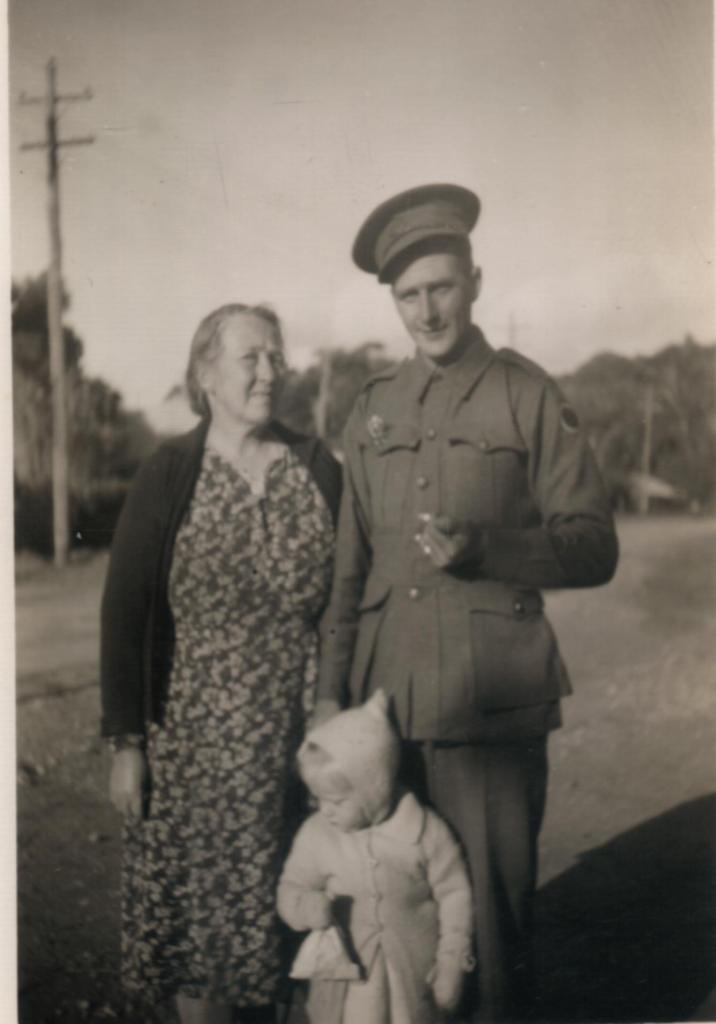
In one of the Reports for the Council cant remember whether it was the 1980 or 1997 report but one had a list of the owners etc. just found it its in the 1980 report. Was originally built by Robert Gilmour, (who built many of the Township’s early residences and
public buildings) who was also the first owner, One room used as a maternity ward by Mrs, Robert Gilmour, (Micks bedroom) Robert Gilmour died in 1899, the next owner was Emma Caroline Gilmour, then E. F. Heitmann, at the time of the report owned by G. D. Adams, and it says “Has been in possession of Gilmour’s descendants since first built”, so assumedly there is a family connection between Robert Gilmour and the Phillips family, which makes sense, as I am sure Mum told me that the house was built by a distant relative.
The information makes me believe also that the two children Nanna Phillips looked after as their parents had both died were Heitmann’s and were somehow related to us as well. The story I remember is that Nanna P. raised them in their parents home, and when they grew up they gave her the home.
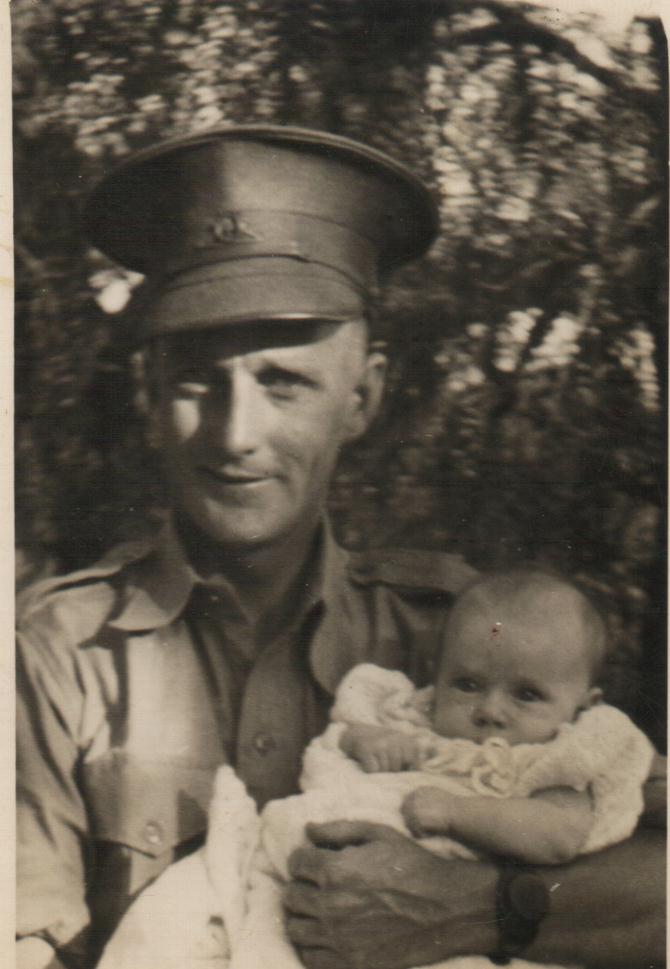
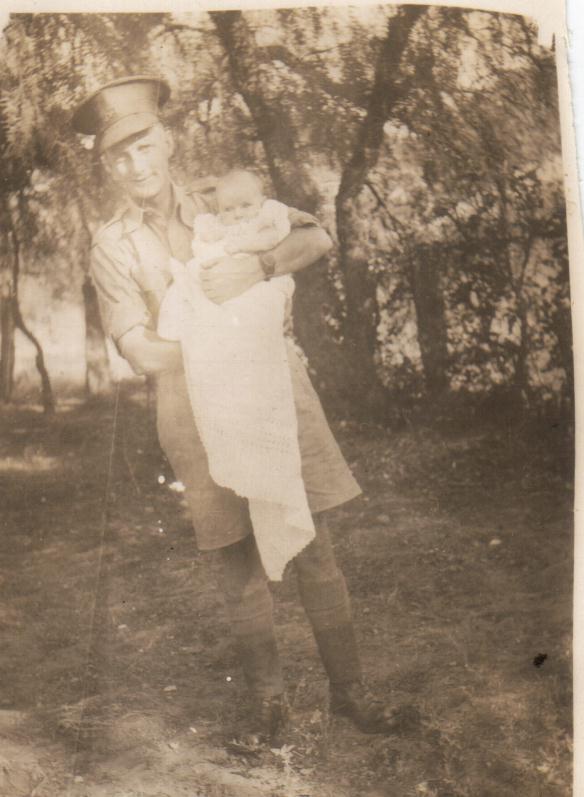
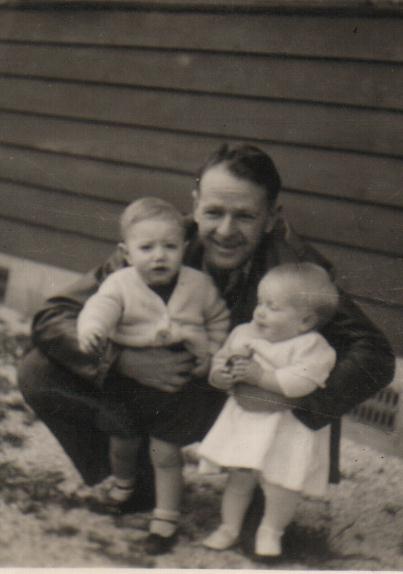
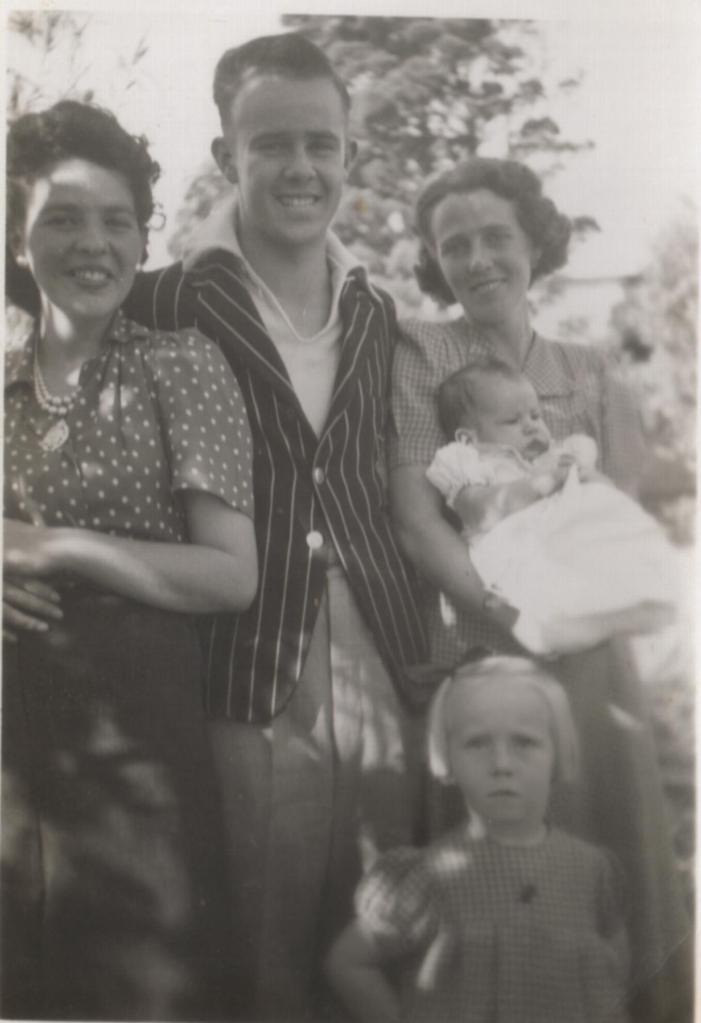
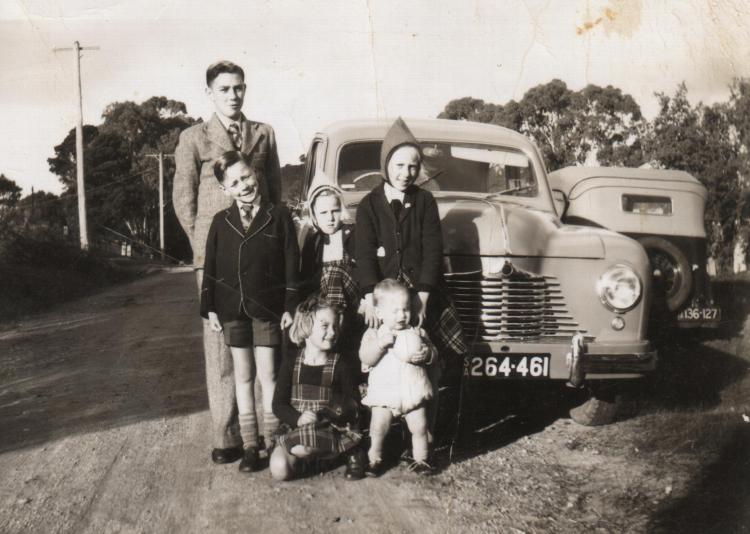
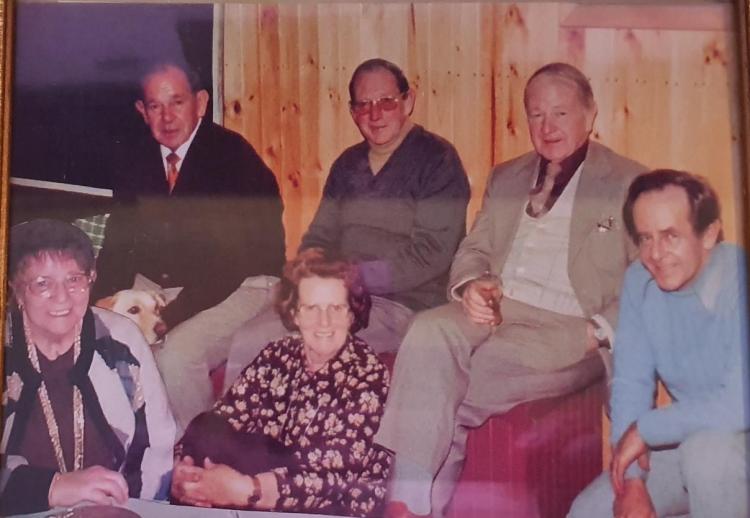
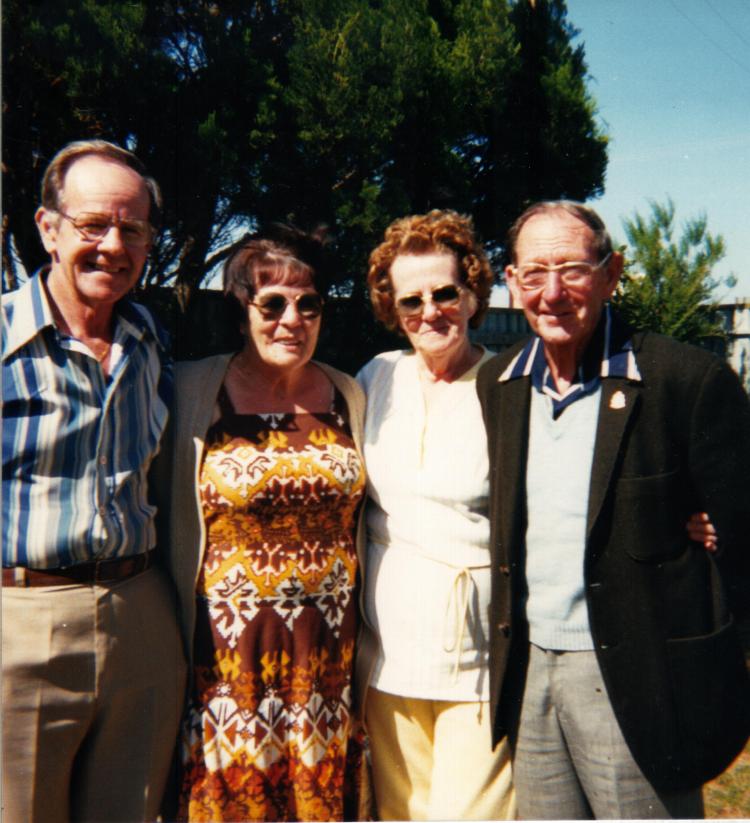
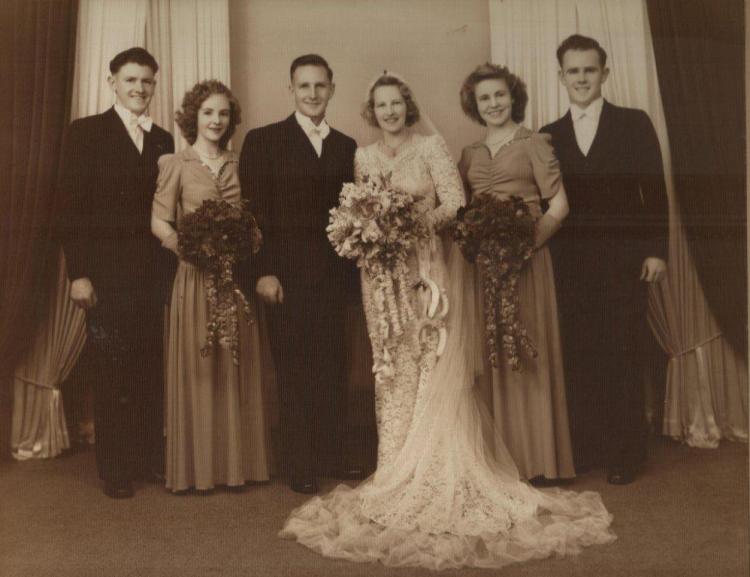
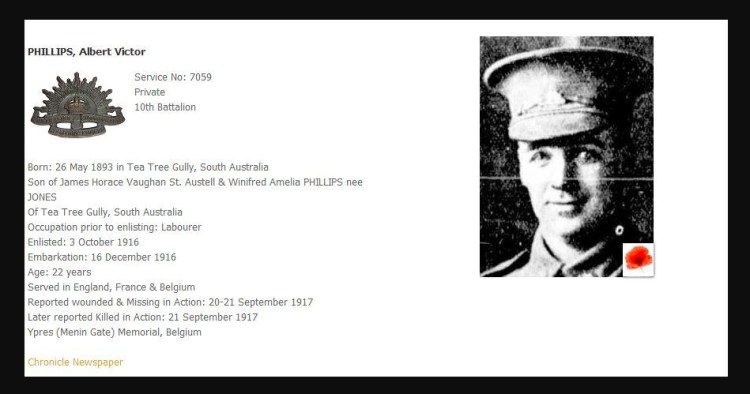
Missing in action 20-21 September 1917, near Polygon Wood, that puts him right in the middle of the Battle of Passchendaele.
His name is listed on the Menin Gate, Ypres, Belguim.
Note he was reported Wounded and missing in action, 20-21 September 1917, now read the eye witness reports.
Eye witness accounts placed him lying in a shell hole with a Serious Head Wound at around 11 am on 20 September 1917,near Polygon Wood, and later around 5 pm on the 21st of September 1917 another eye witness saw him about to be stretchered out by medics, but he died whilst being loaded on the stretcher, and was left on the battlefield, so he laid on the battlefield DYING for a DAY AND SIX HOURS, according to men who knew him from his own unit. After all that left on the Battlefield with no known grave.
I looked up the records of both the witnesses, they were both wounded during the same action on the 20-21 September 1917, the first witness was returned to Australia and Discharged before the War ended, the second witness spent several months in Hospital returning to the Front in May 1918, returning to Australia and Discharge late in 1919.
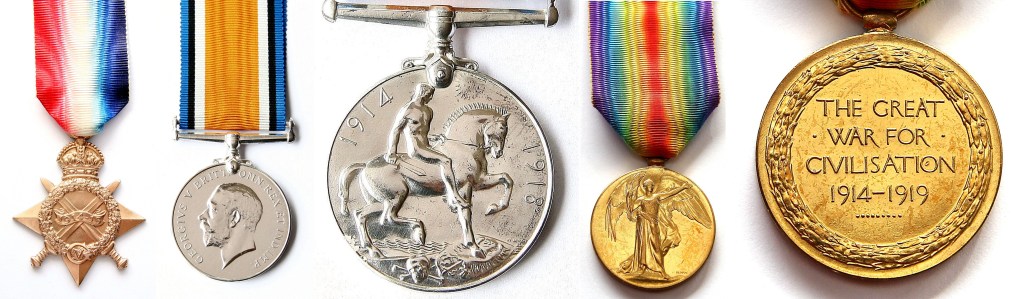
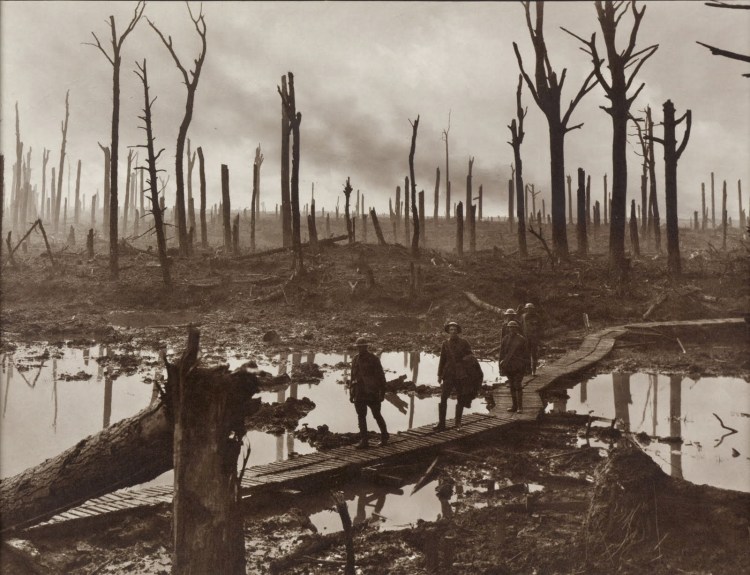
This was the first battle the Germans used Poison Gas on the Western Front.
Truly must have been “Hell on Earth”
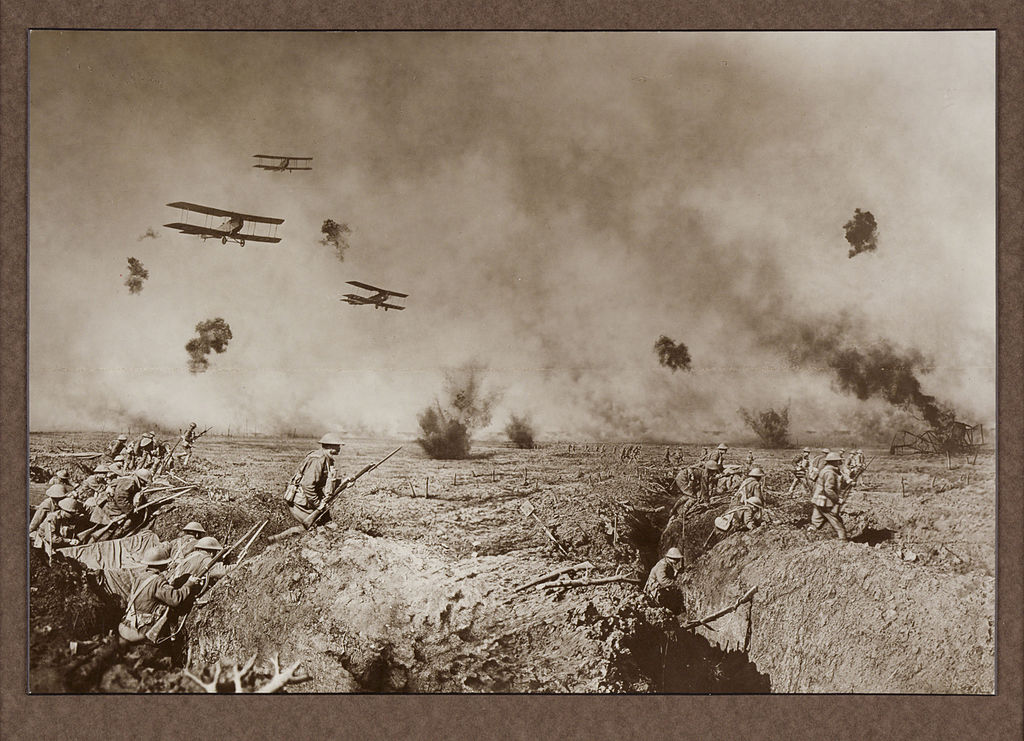
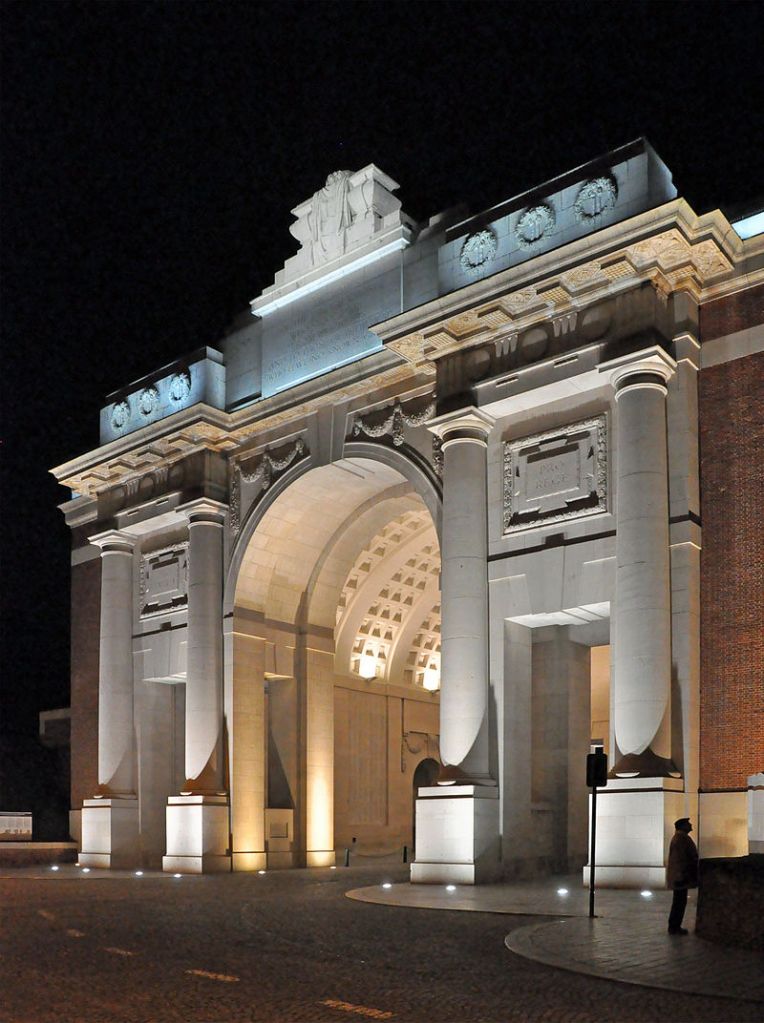
Every night at 8.00pm (20:00 hours) a moving ceremony takes place under the Menin Gate in Ieper – Ypres. The Last Post Ceremony has become part of the daily life in Ieper (Ypres) and the local people are proud of this simple but moving tribute to the courage and self-sacrifice of those who fell in defence of their town.
- 7.00 pm: People Gather at the Menin Gate
- 7.30 pm: The Traffic is Stopped
- 7.55 pm: The Buglers Arrive
- 8.00 pm: Sounding of Last Post
- Take Part & Lay a Wreath at the Ceremony
The Road is Closed for 1 hour and the Ceremony takes place EVERY day regardless of whether anyone is there or not.
Youtube-Menin Gate Last Post Ceremony, March 14, 2019
Following is a Selection of the War Records for Albert Victor Phillips
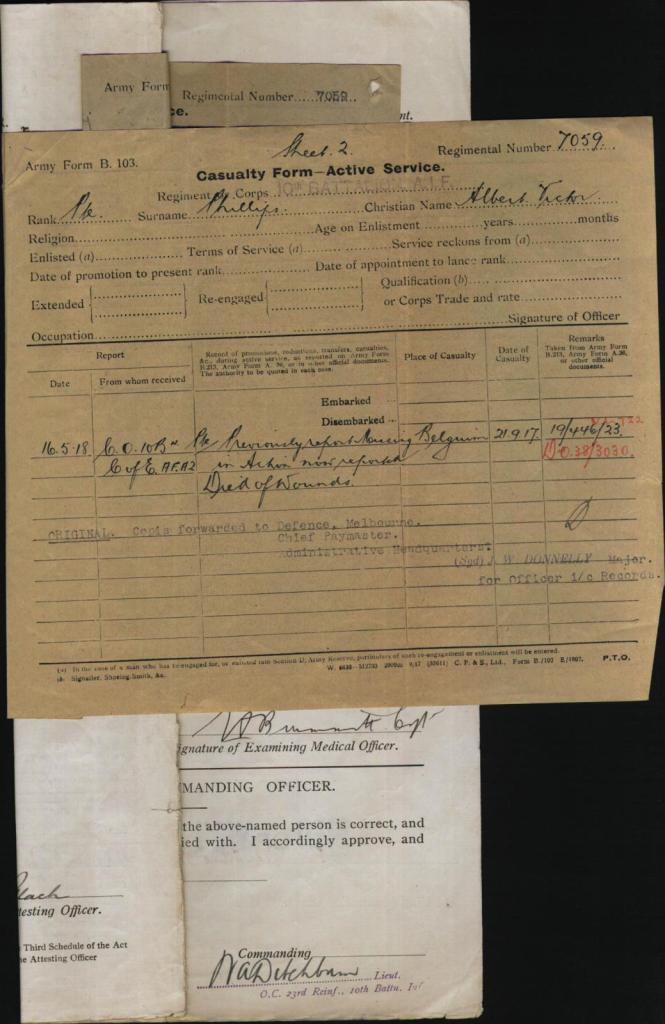
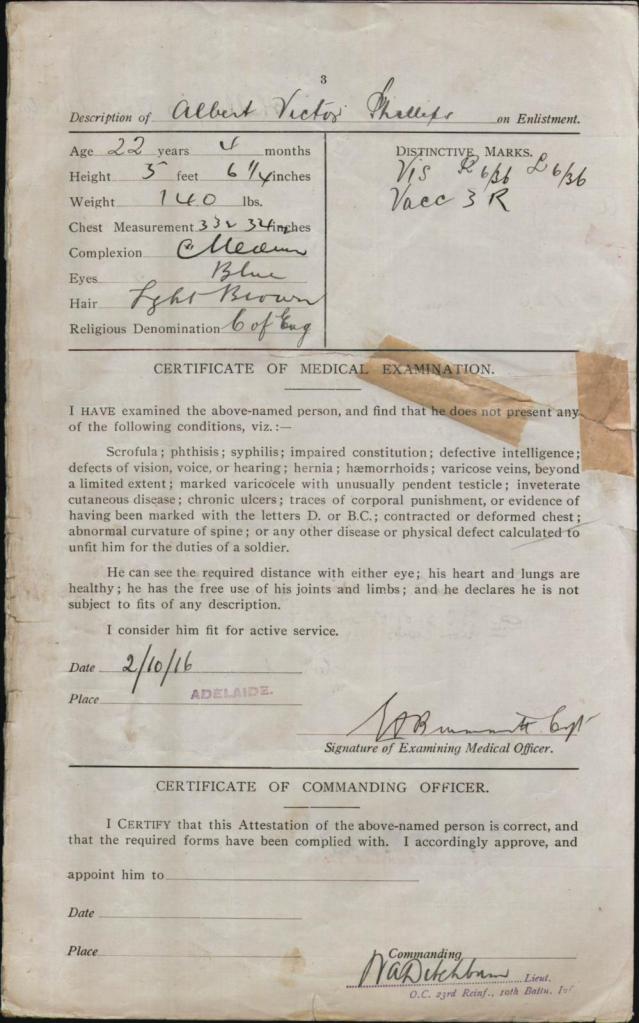
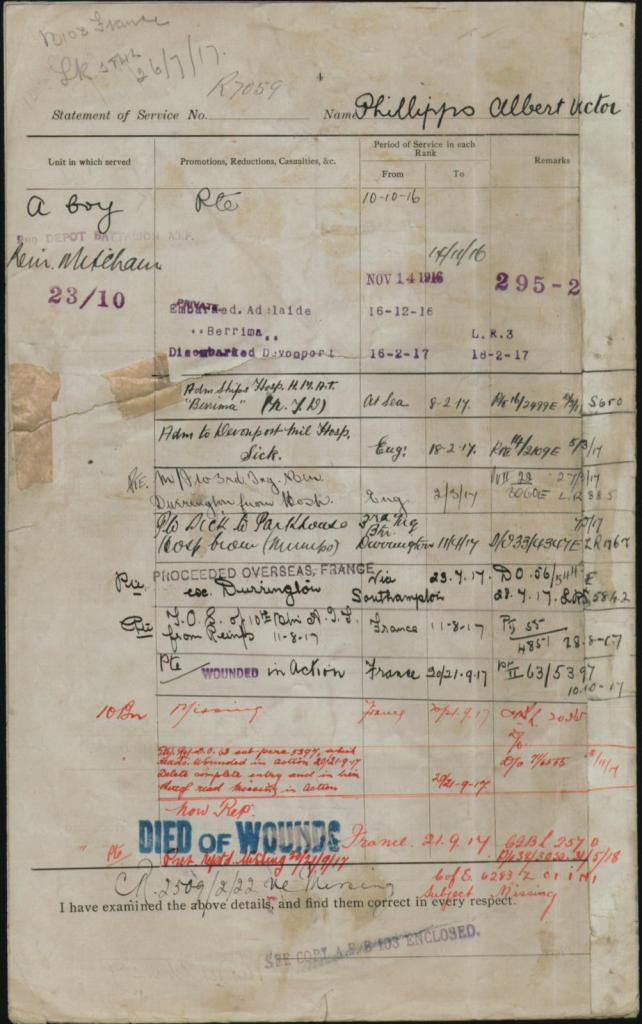
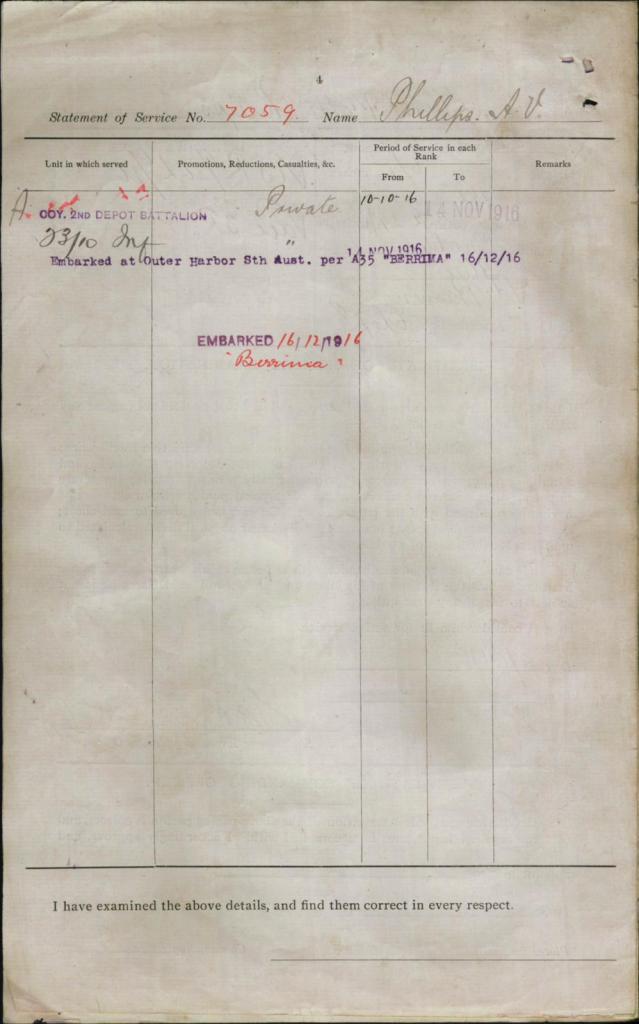
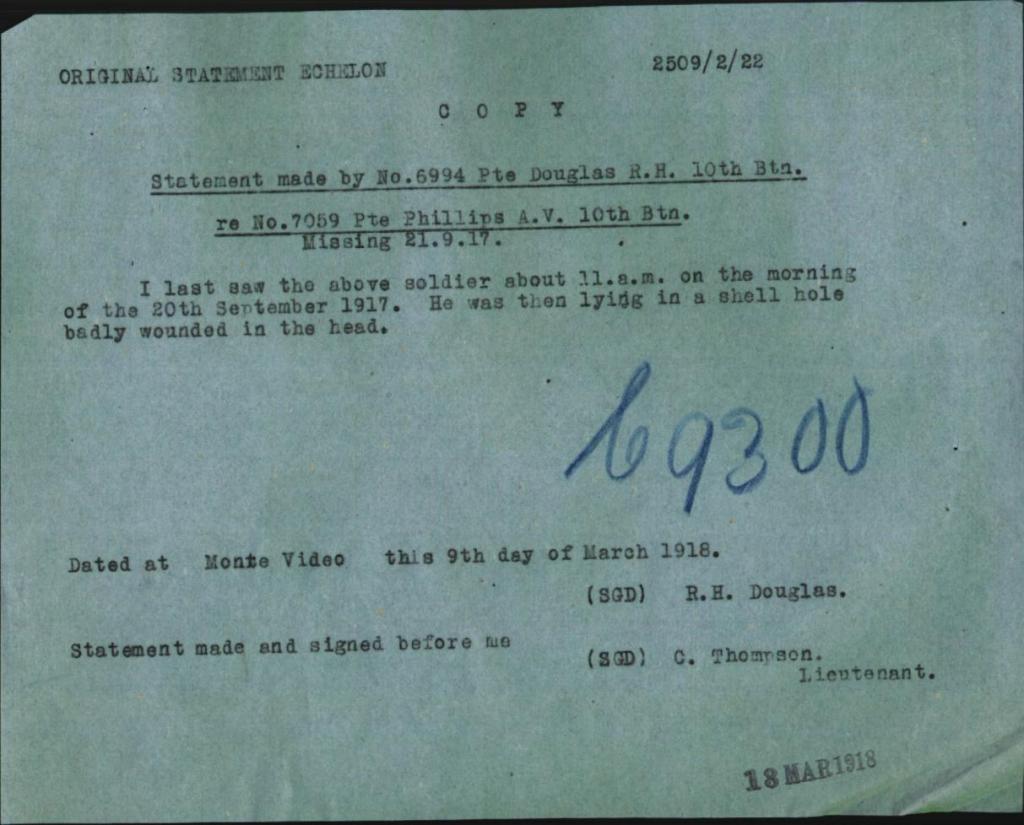
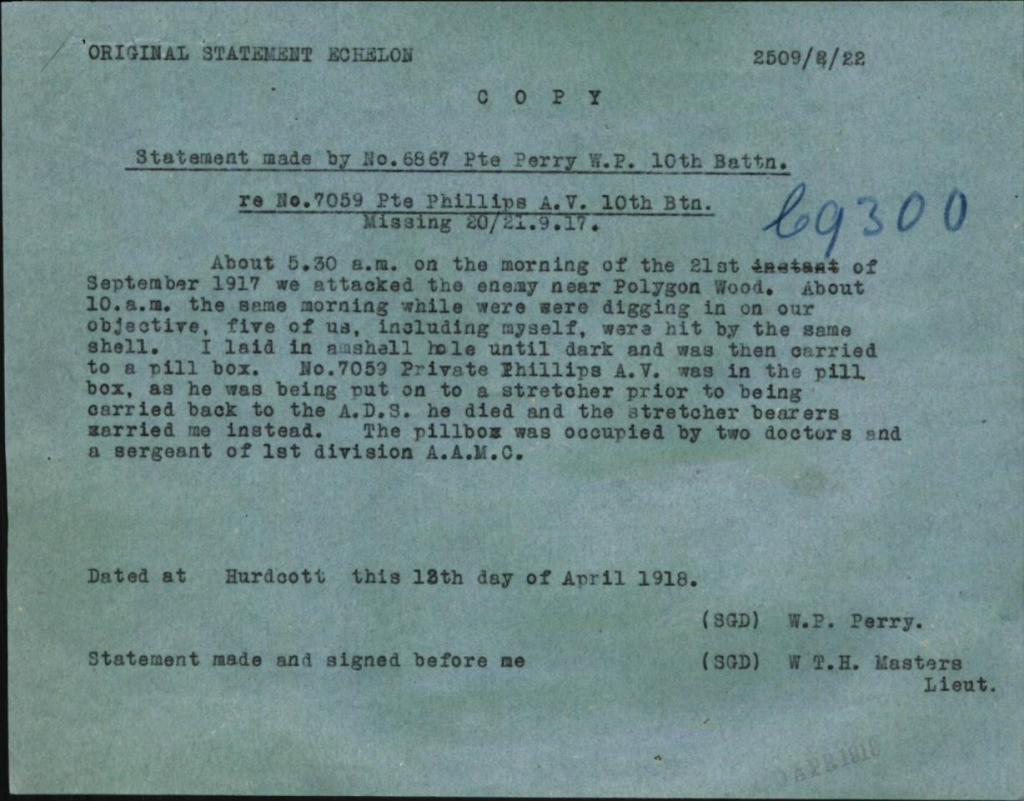
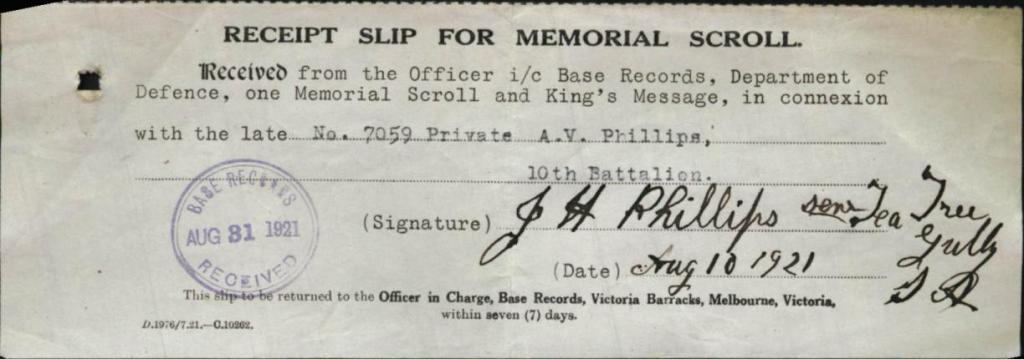
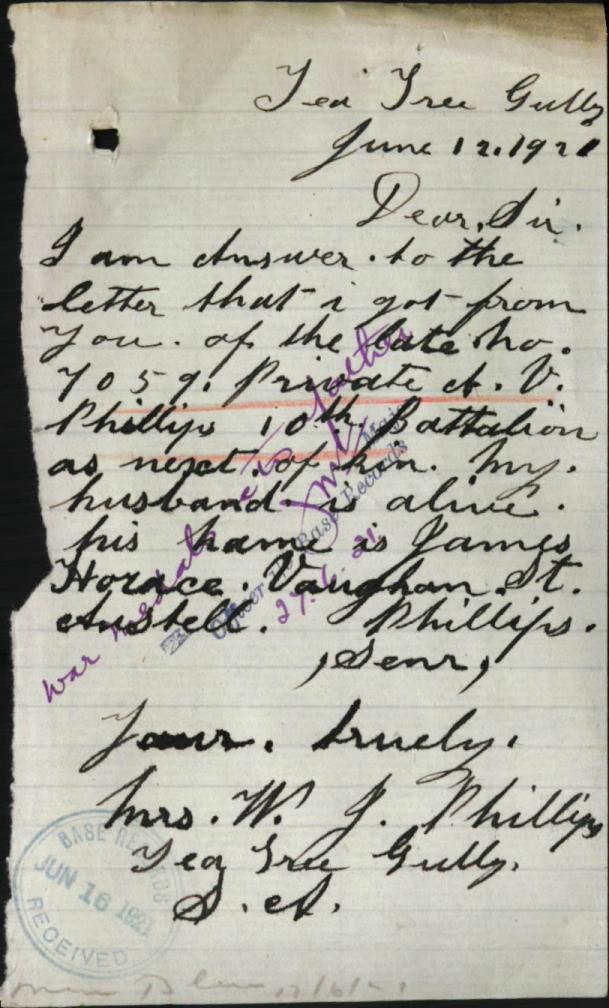
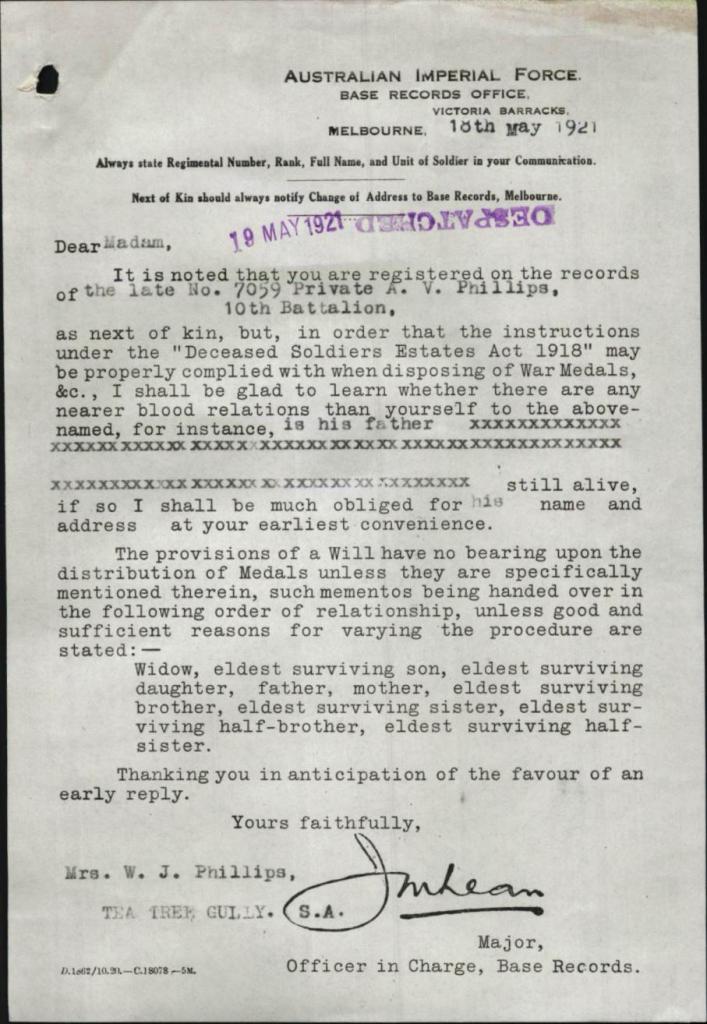
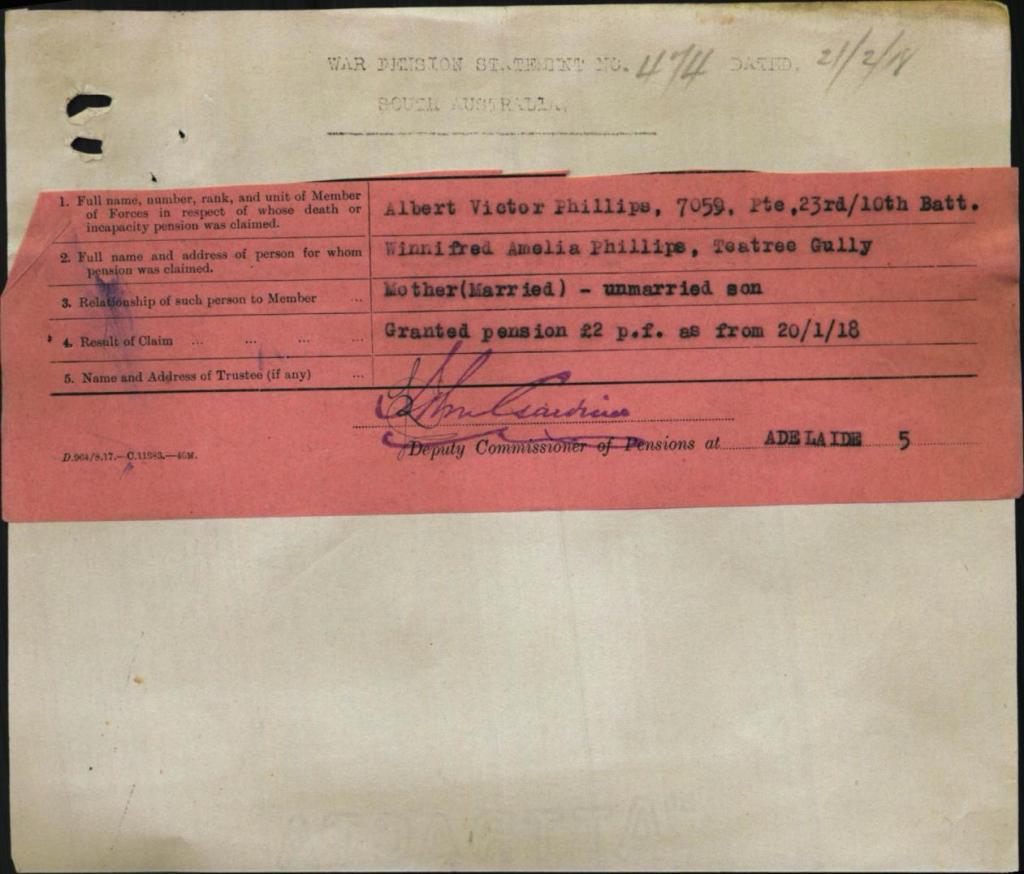
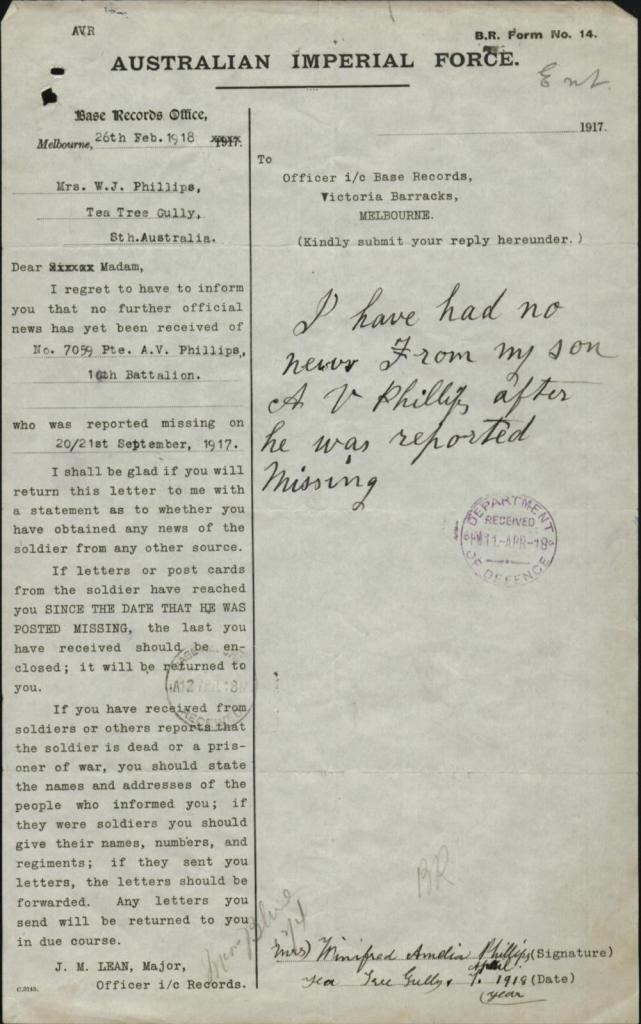
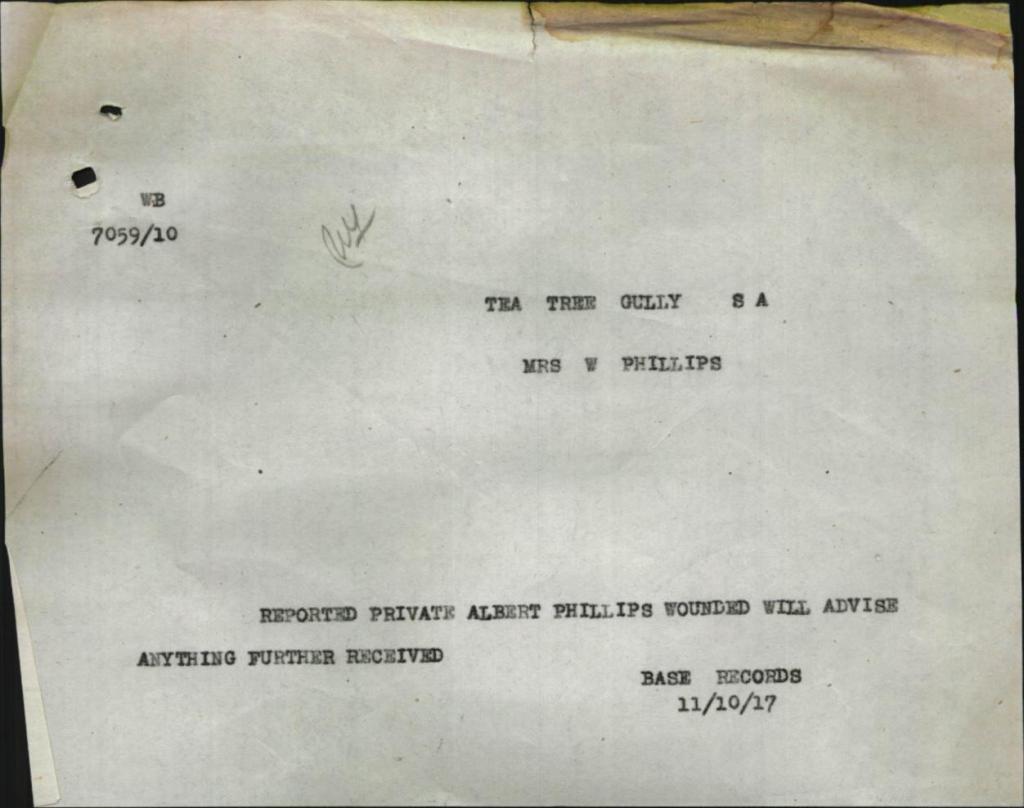
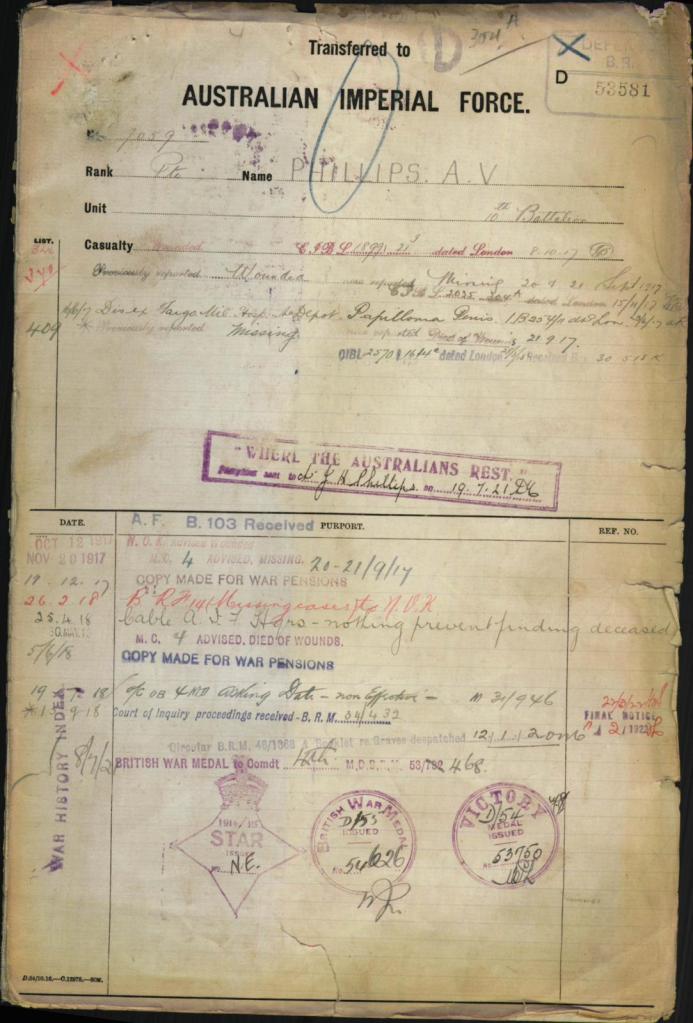
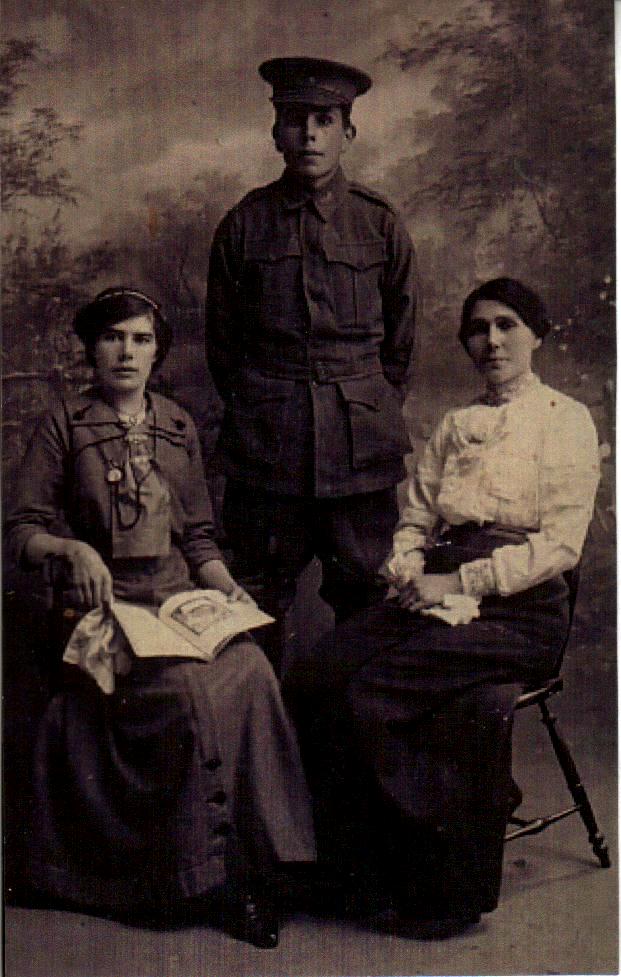
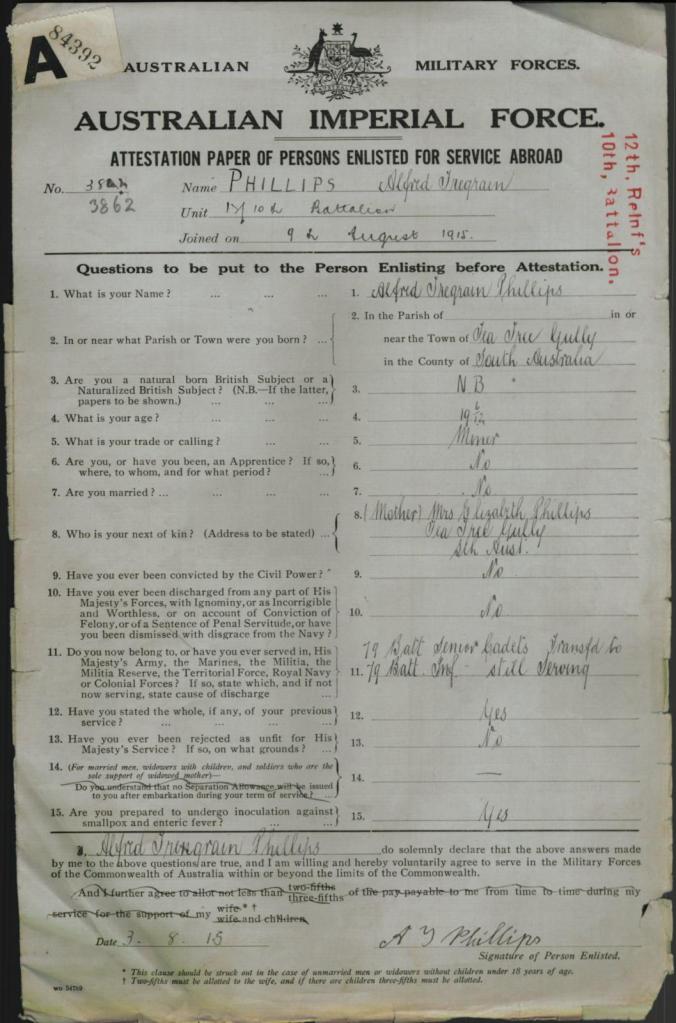
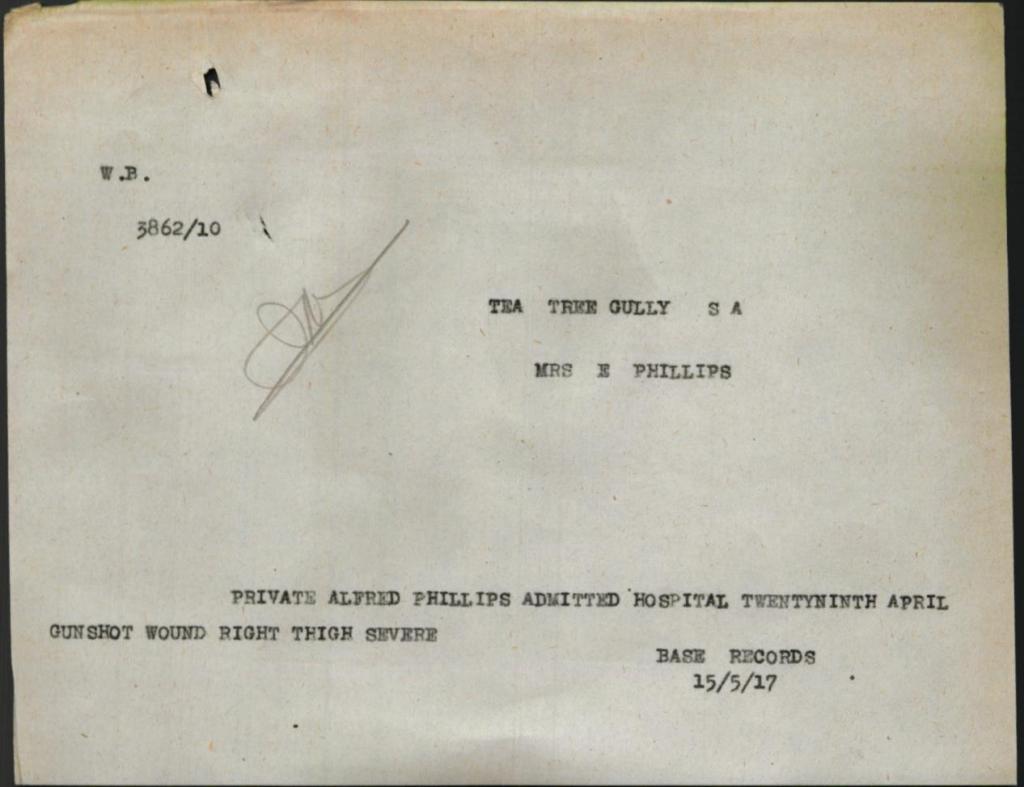
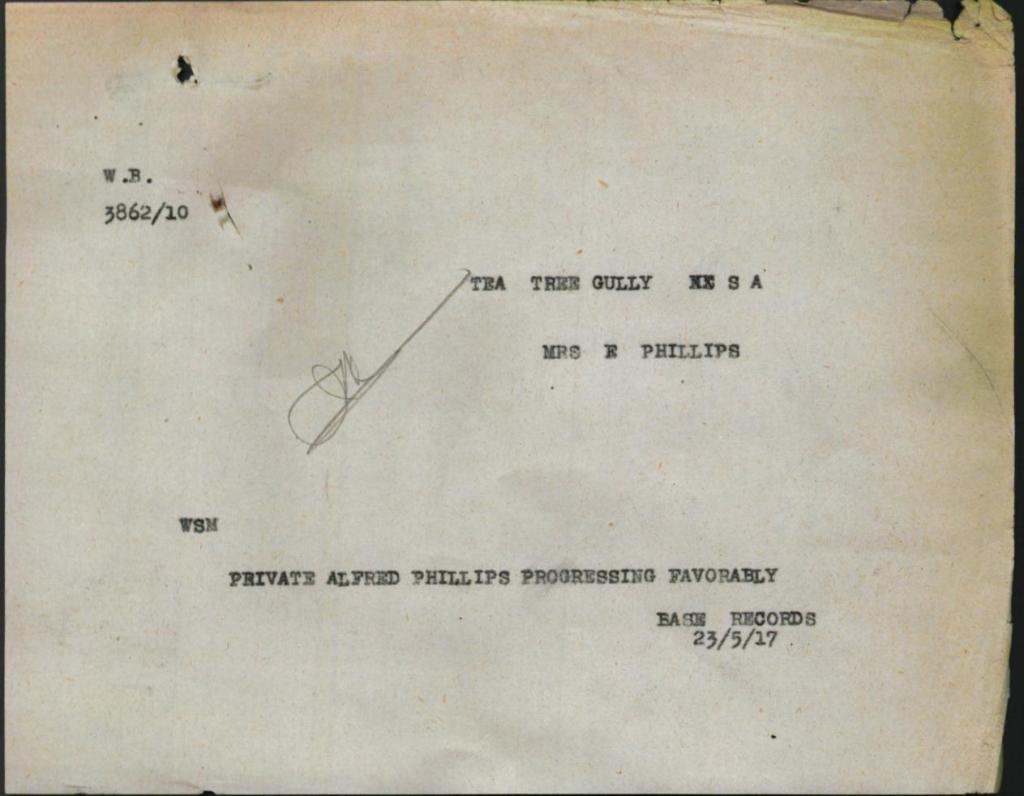
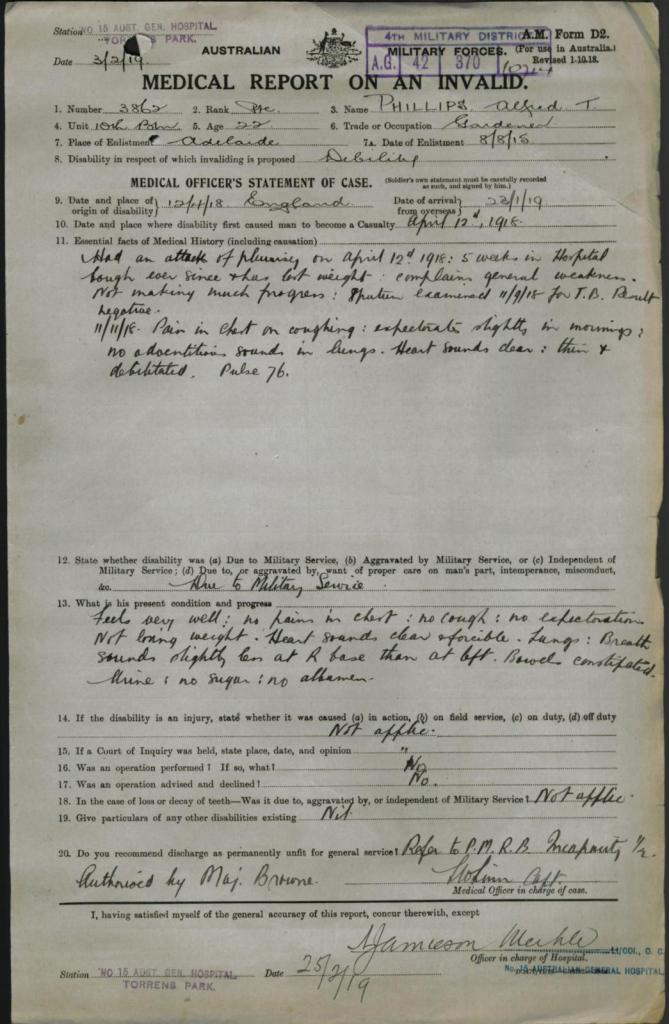
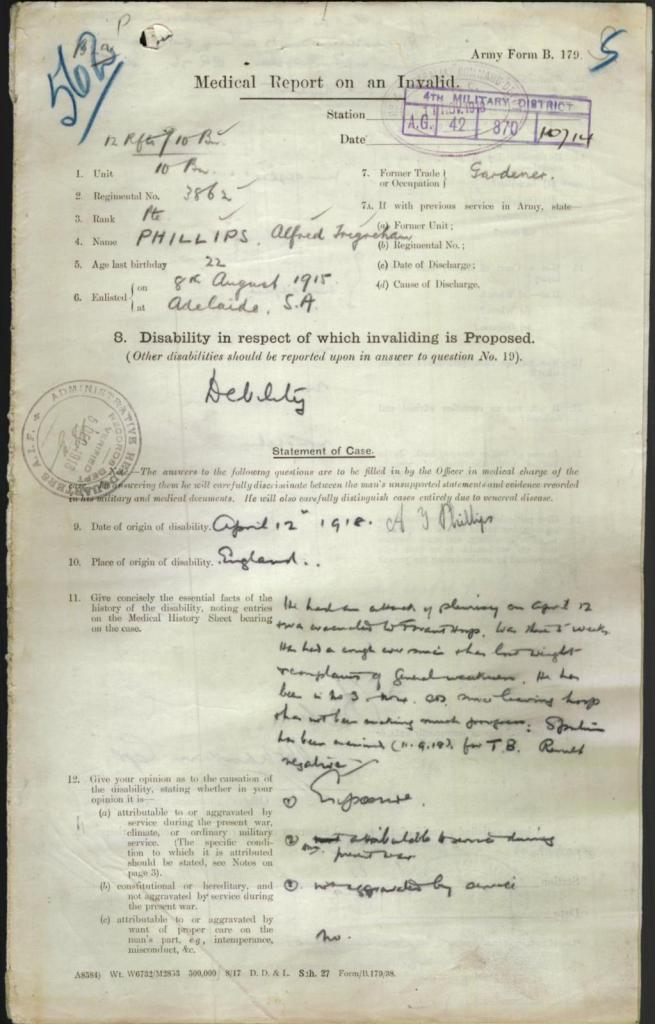
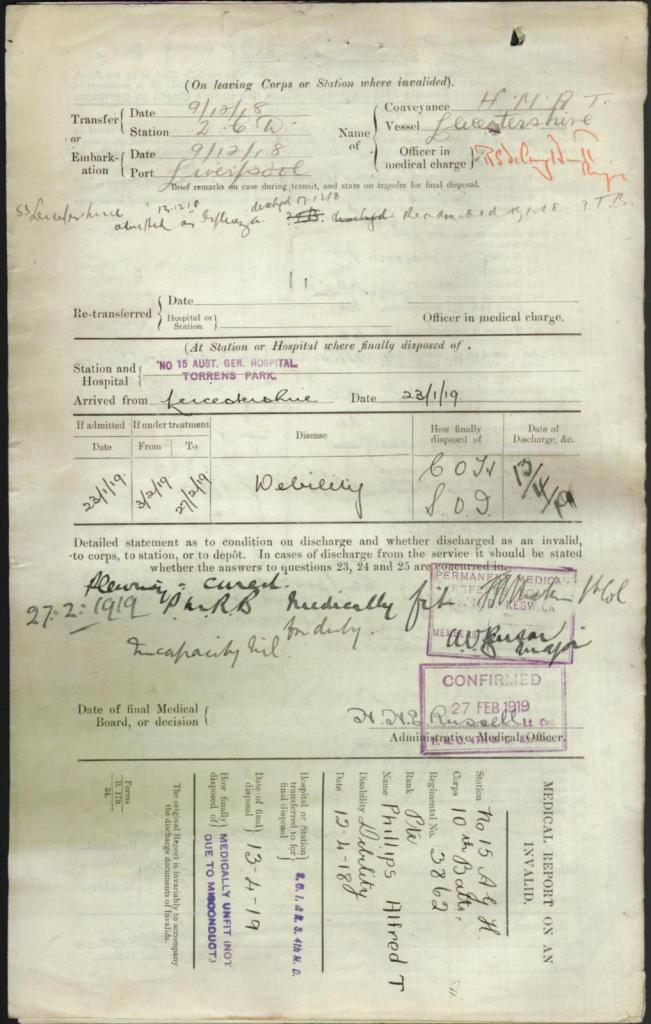
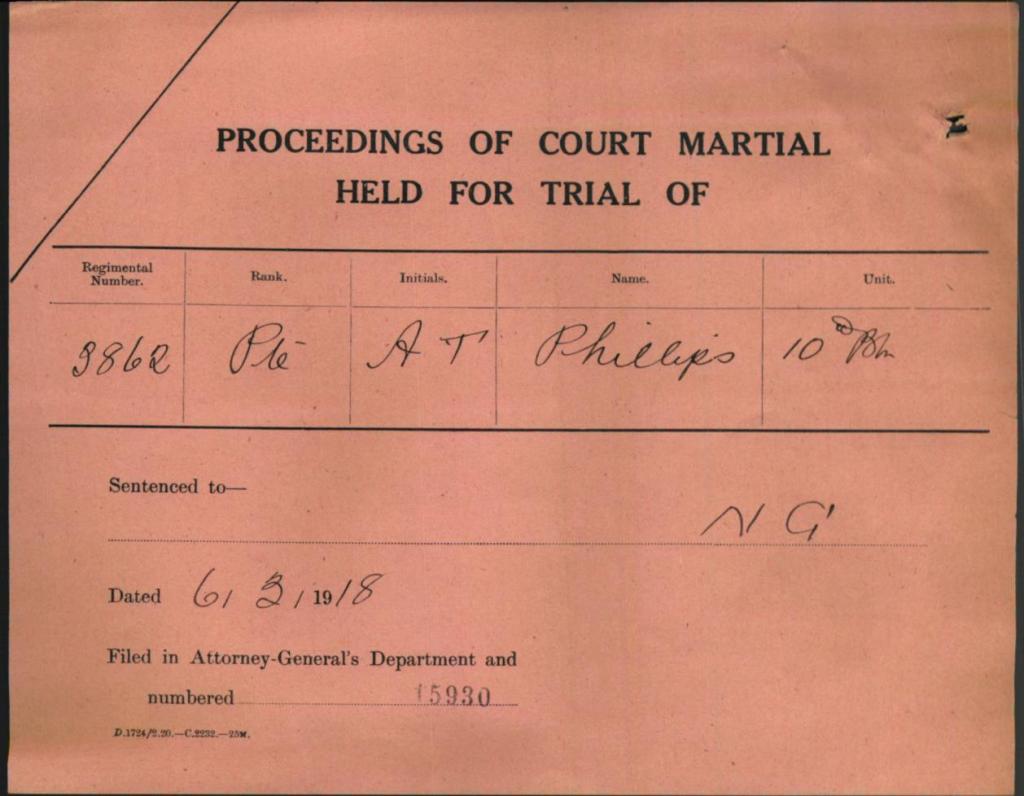
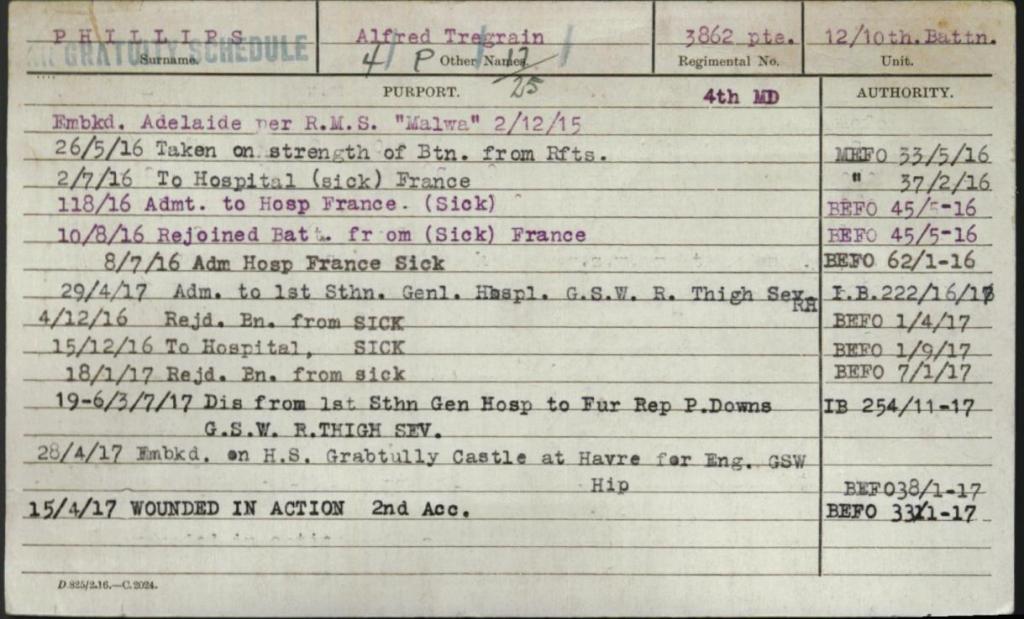
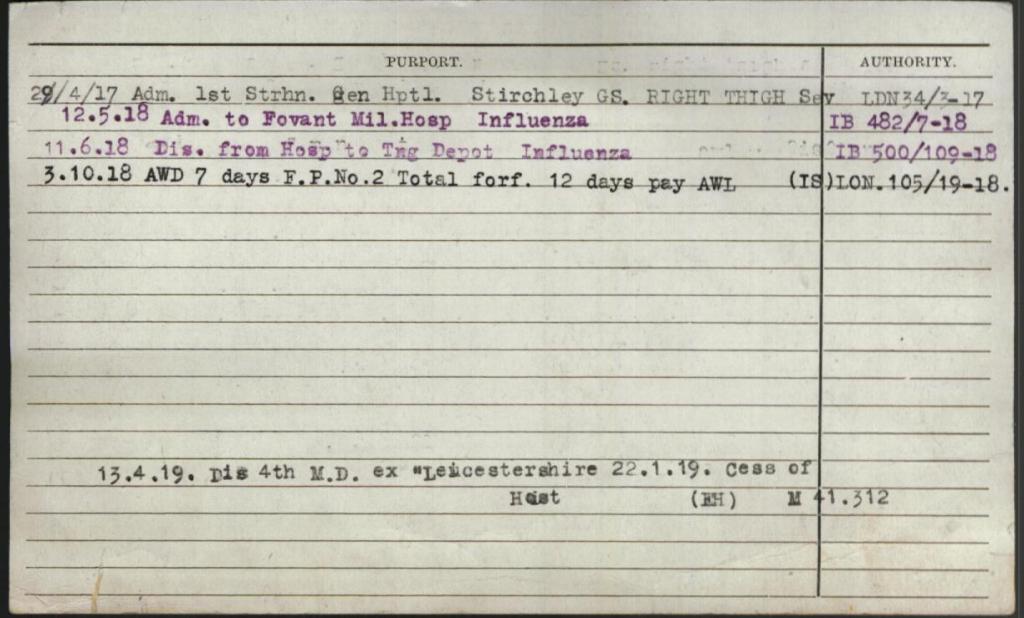
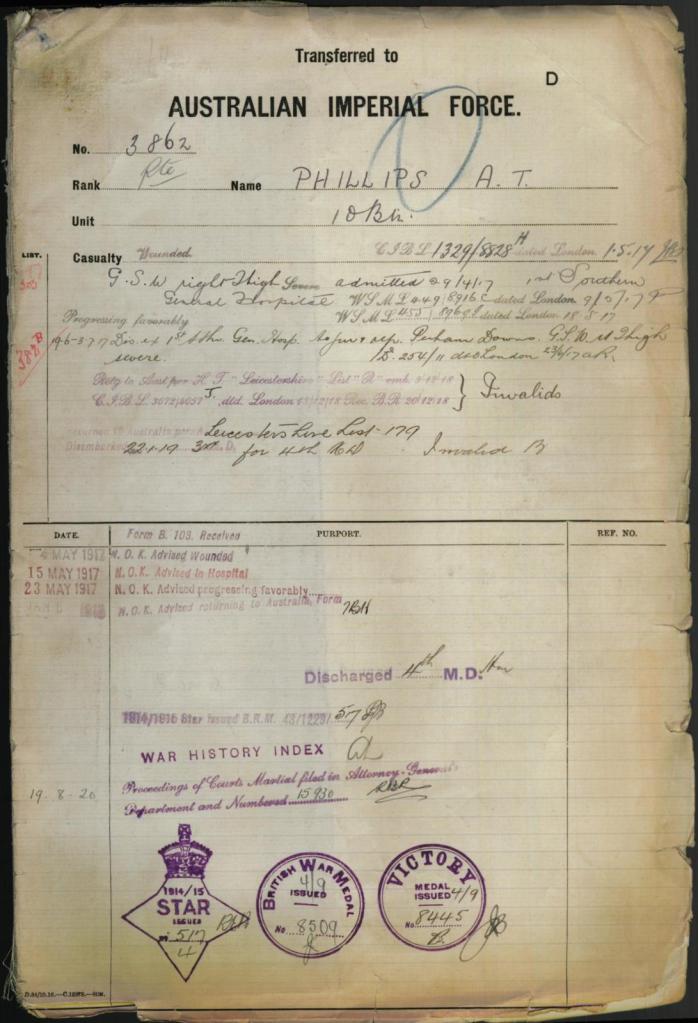
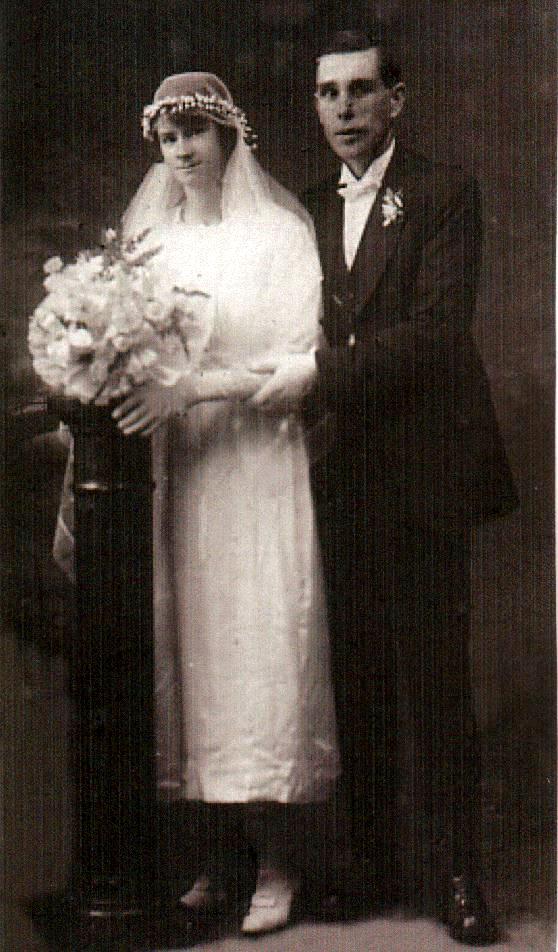
The Names Tregrehan (is the name of an Estate), St Blazey, and St Austell, which were used as Christian Names in the Phillips Family, all come from Place Names close to each other in Cornwall, all around St. Austell which is close to Fowey on the Southern Coast of Cornwall, we looked around the area when we were there in 2016
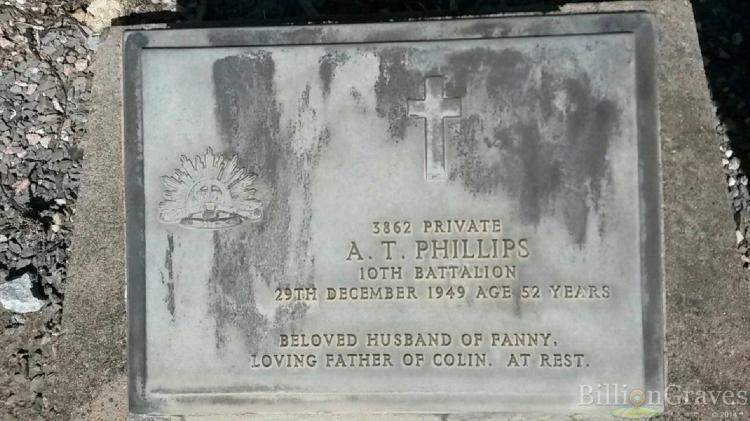
Albert Victor Phillips and Alfred Tregrehan Phillips (cousins) were both in the 10th Battalion
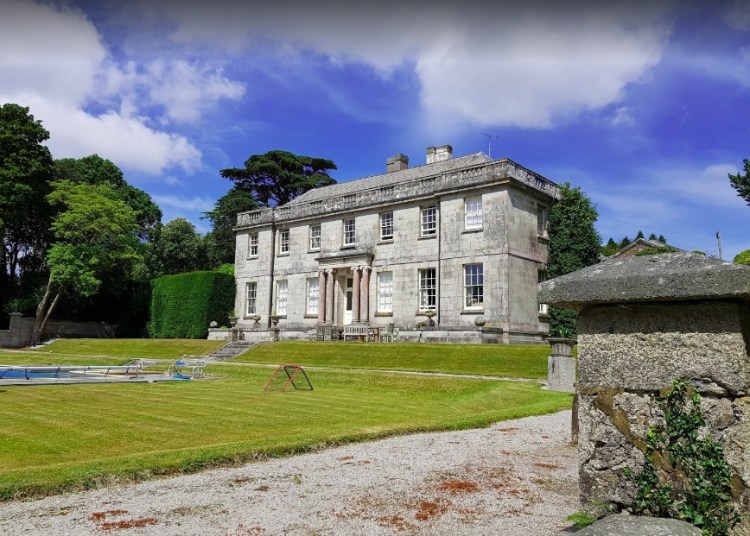
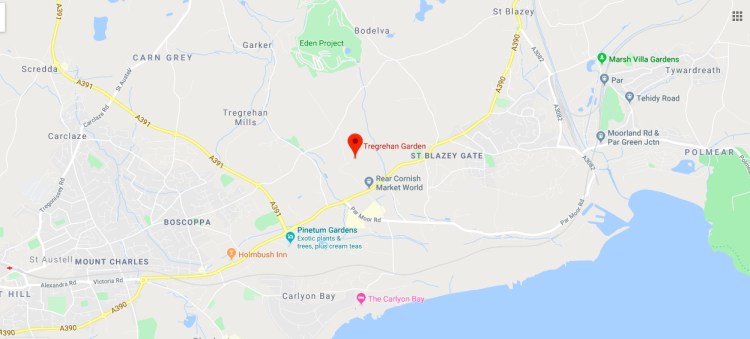
it would be pretty certain to assume that Joseph Phillips came from somewhere in this area.
We drove around this area when we were in Cornwall in 2016, I can remember stopping at some shops in St Austell
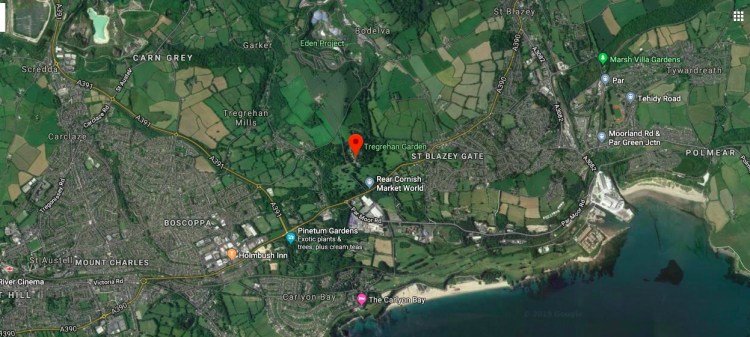
which was a mining town in the past.
So it makes sense that when Joseph Phillips came to South Australia, he followed the copper mines around.
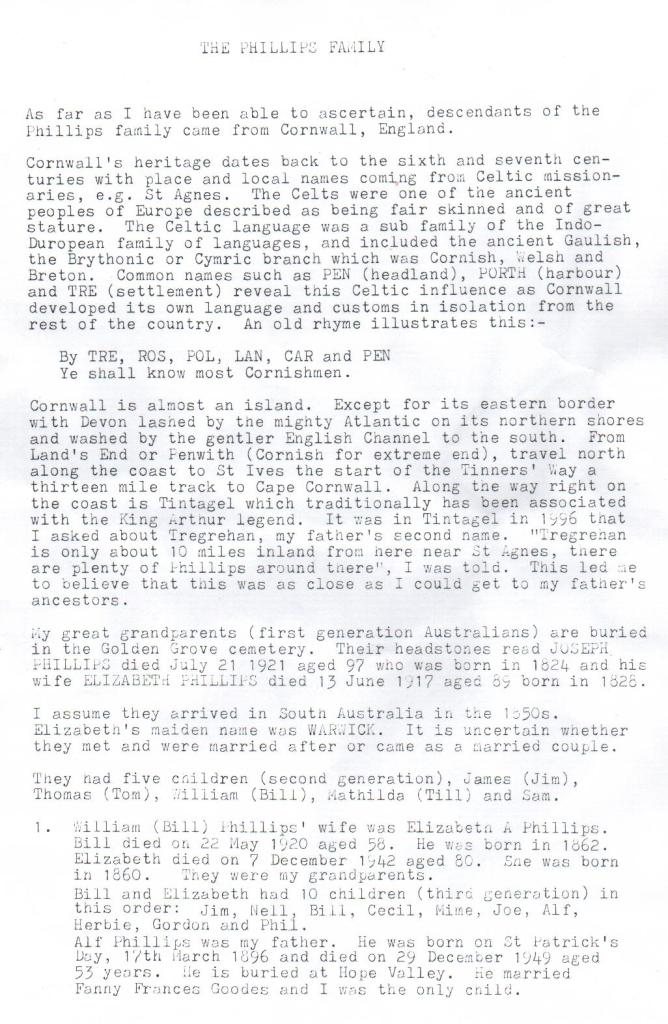
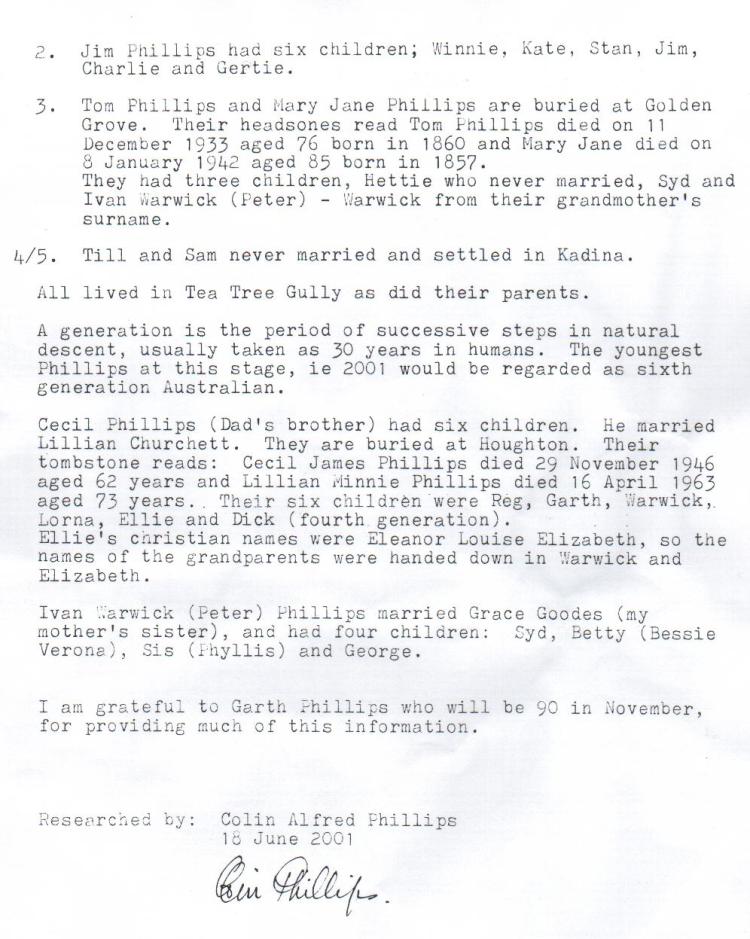
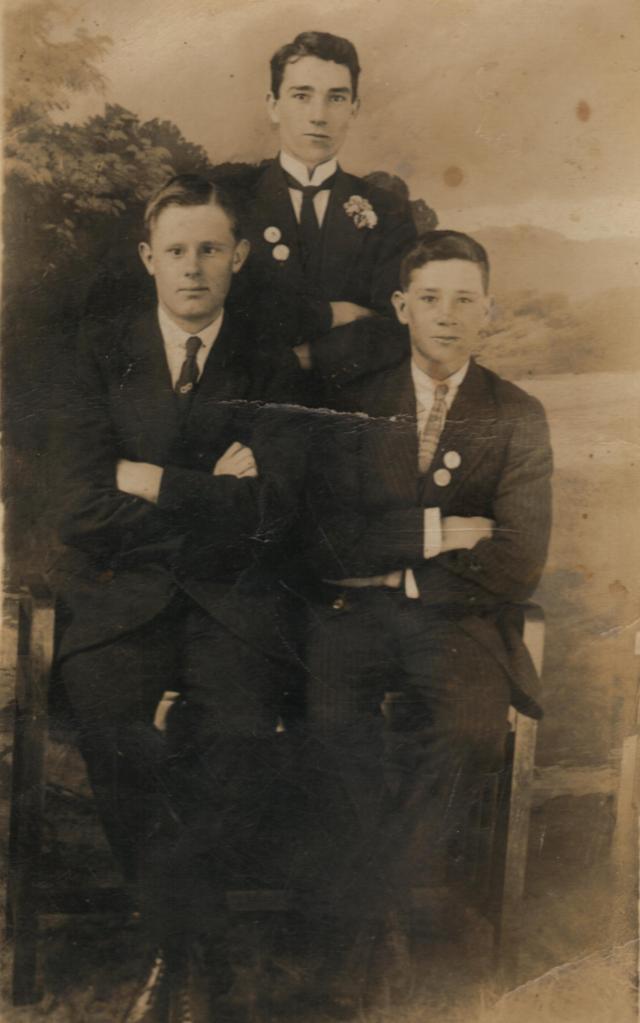
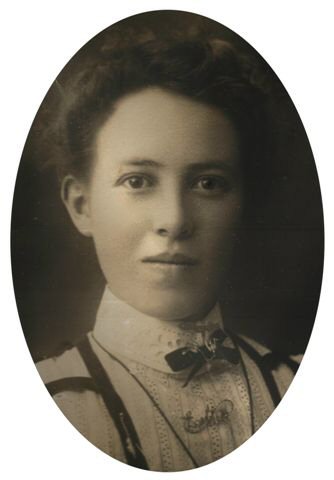
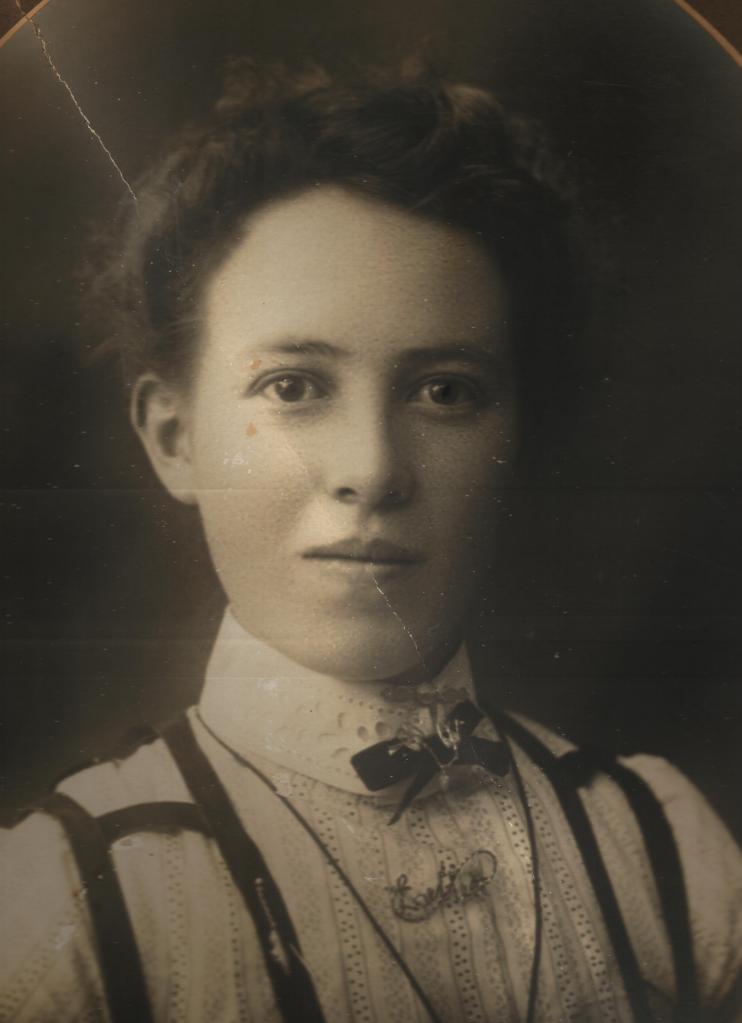
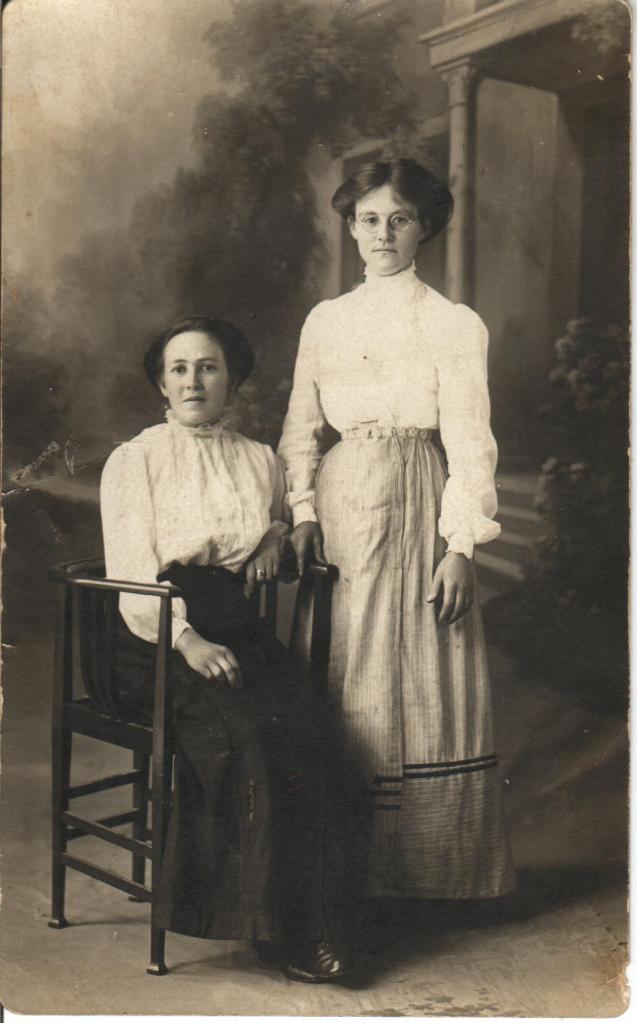
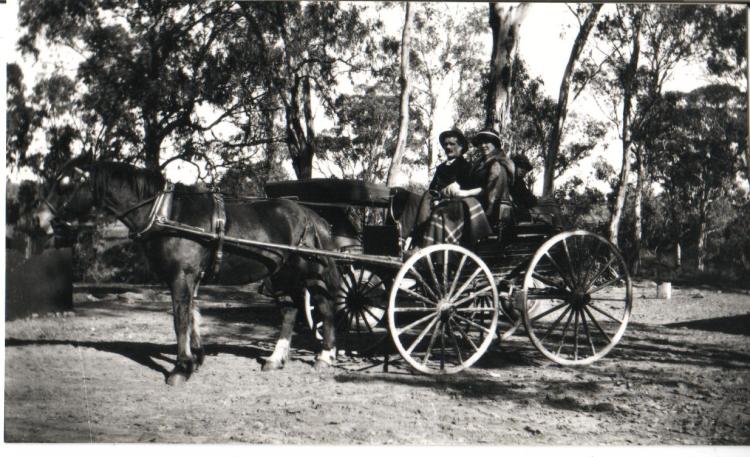
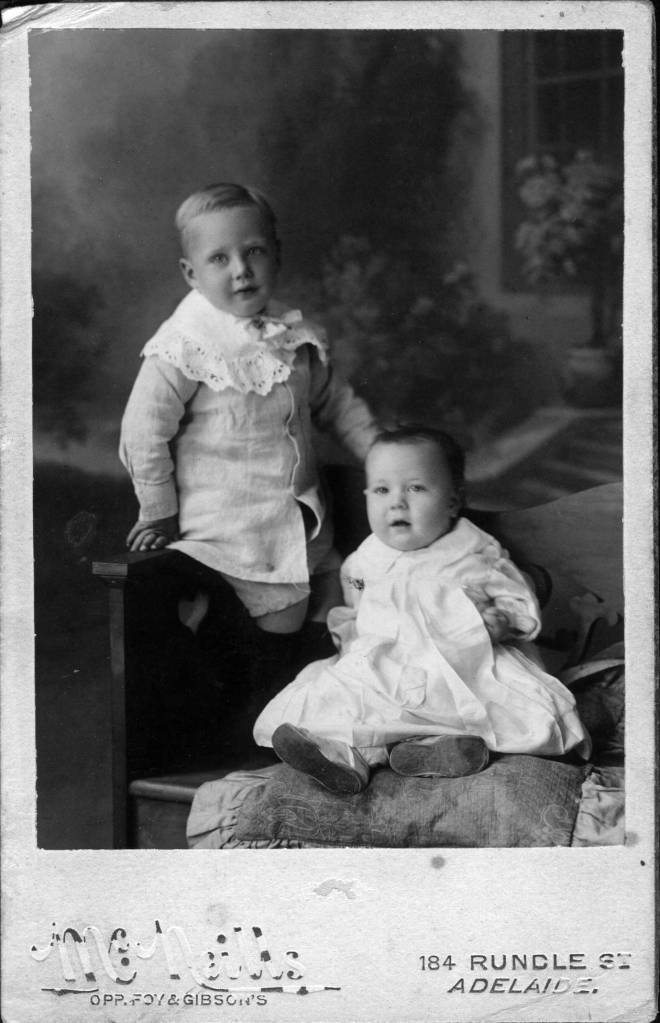
Seeing the name Foy and Gibson’s on the photo reminded me (Foy and Gibson’s became Cox Foys Department Store in Rundle Street) during the early 1960’s one of the highlights of our Christmas school holidays was Mum taking us to Cox Foys, on the roof they hay a mini Fair-Ground, you got vouchers eerytime you went shopping there, the one I loved the most was the Ferris Wheel, what a view of the City and hills.
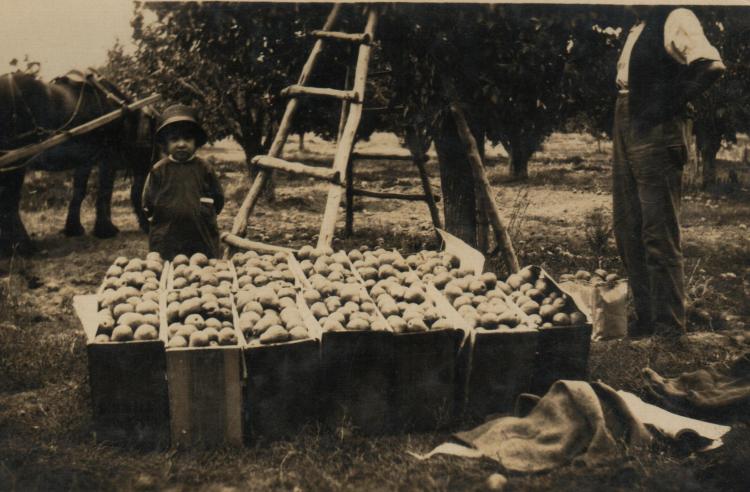
Mum told me that Cecil owned a Block of land now bordered on the East by Haines Road, North by Milne Road, West by Ellen Street, and South by William Street, just out the back of where we grew up at 29 Walter Street Tea Tree Gully (which was originally Nanna Phillips’s house she sold it to Eleanor and Gordon Adams after the war, and she was given the house by a family, she looked after, two orphans and they gave her their family home.) and that he lost possession to the Council because he couldn’t pay the Council Rates, I assume because of the Depression, also I assume this is why he lost his Orchard Property, he worked the rest of his life for The Highways Department, and died suddenly, whilst working for them at Mount Gambier aged 61 of a stomach ulcer, Mum and her Siblings tried to get there before he passed but cars and roads weren’t what they are today they arrived a little to late.
I love the LADDERS.
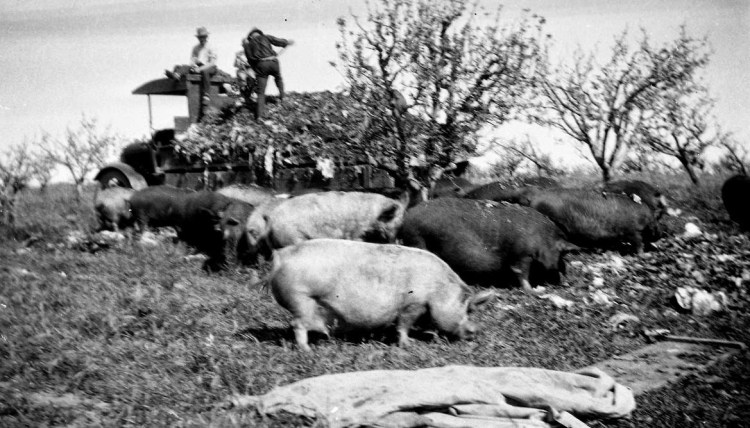
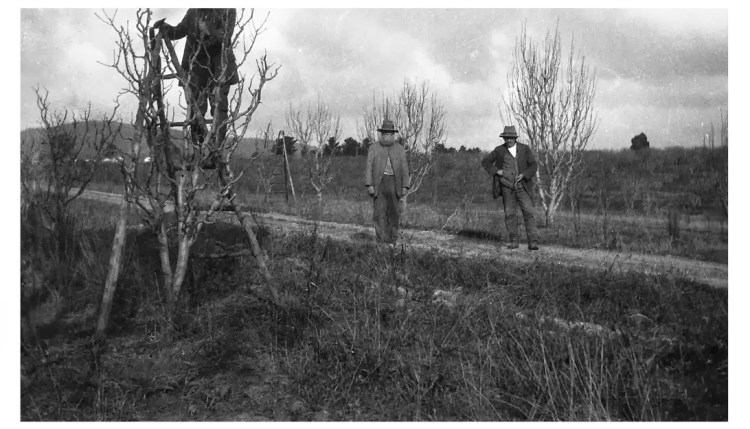
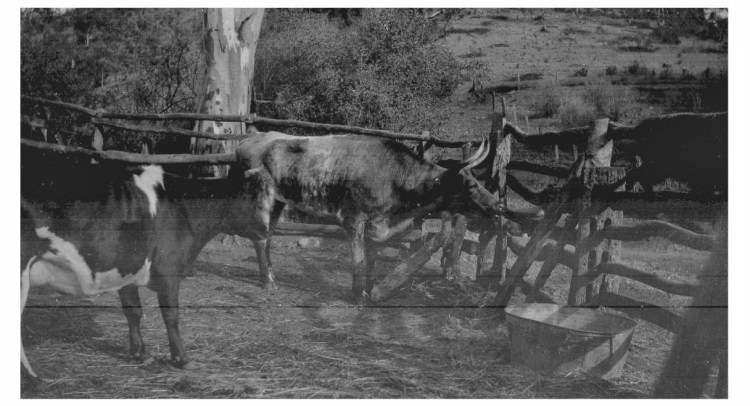
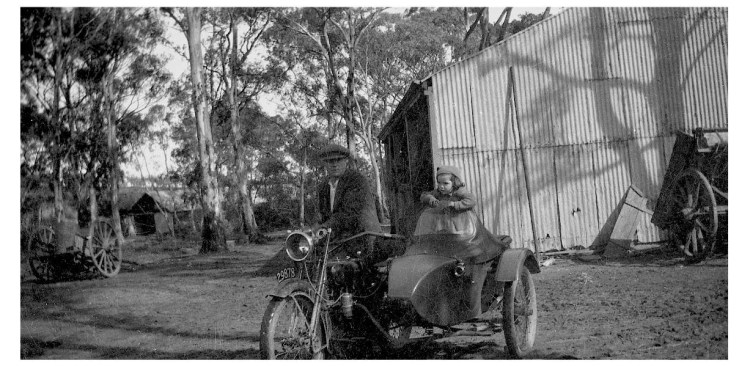
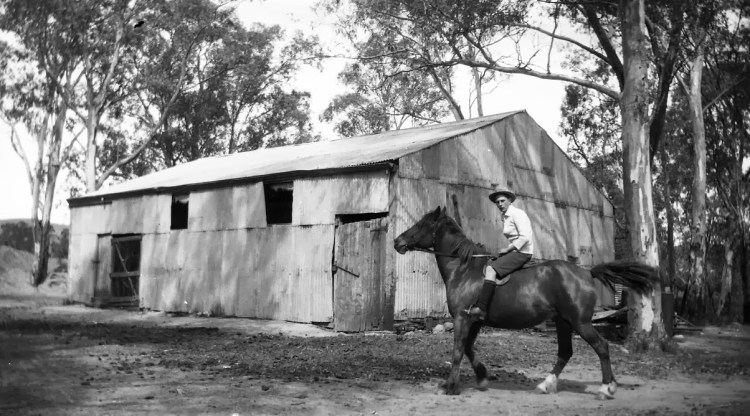
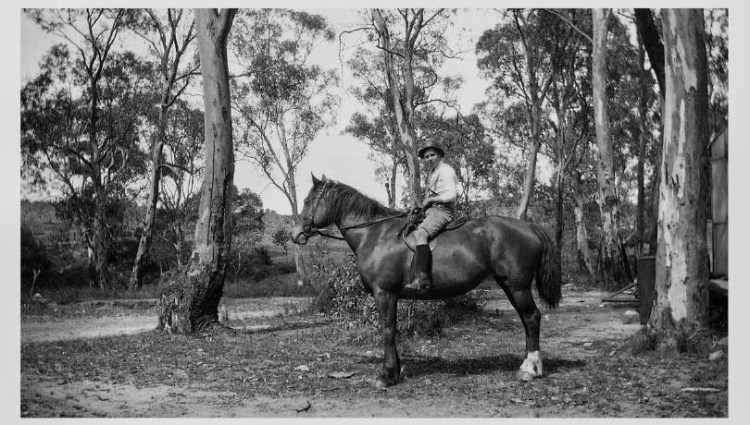
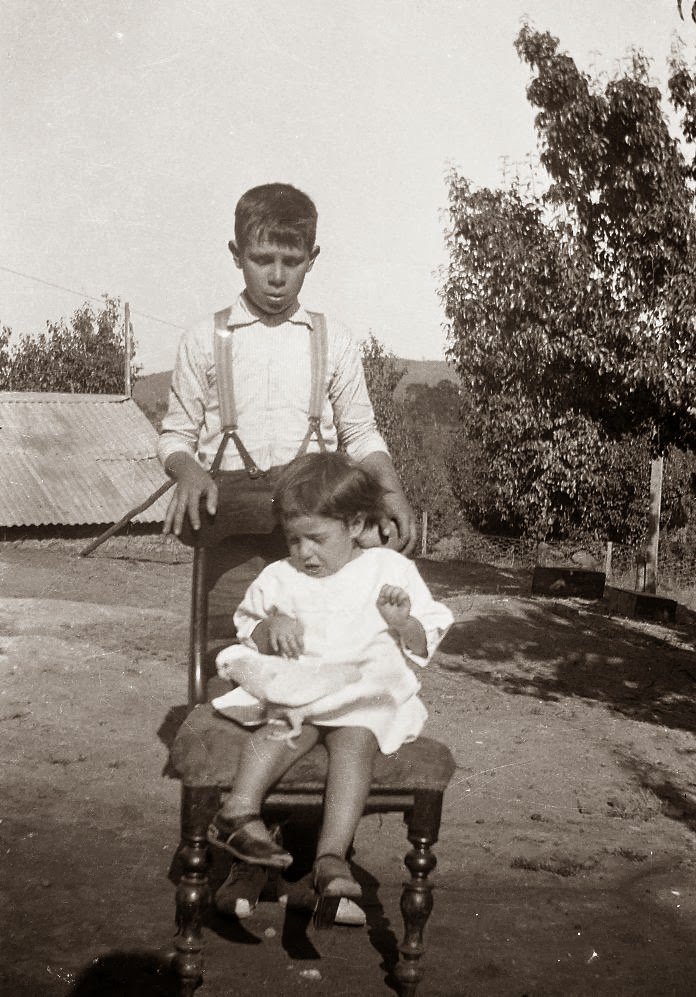
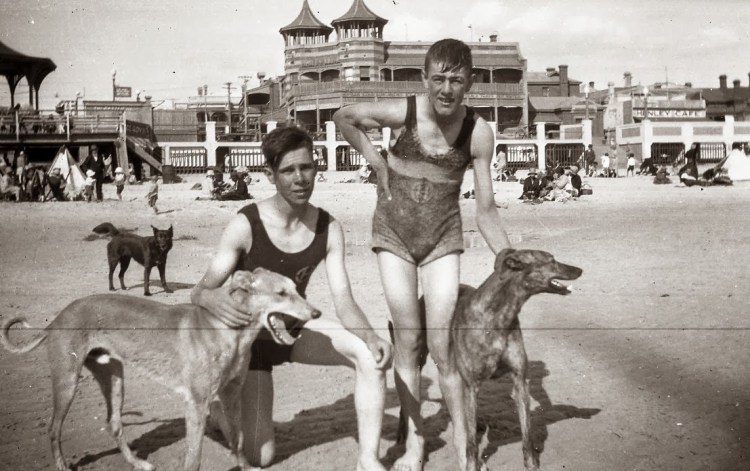
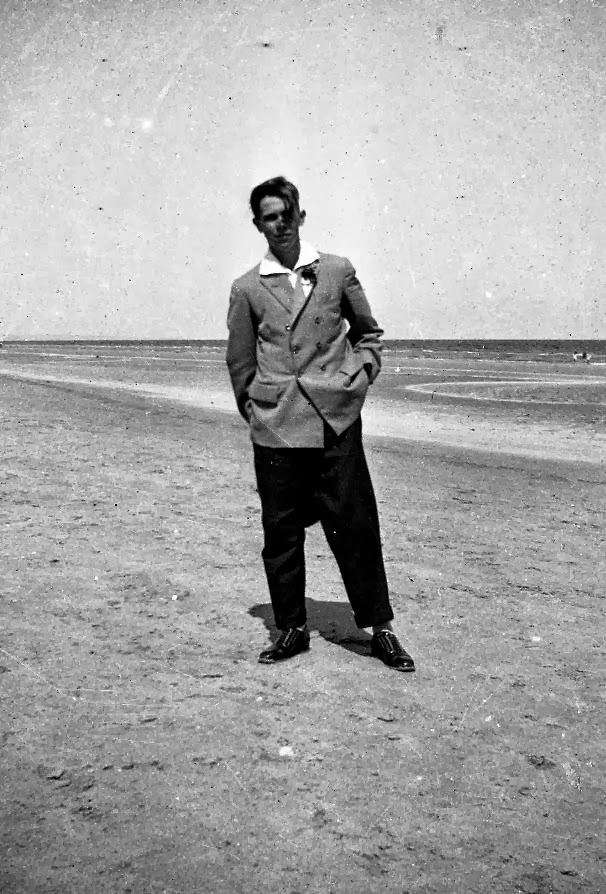
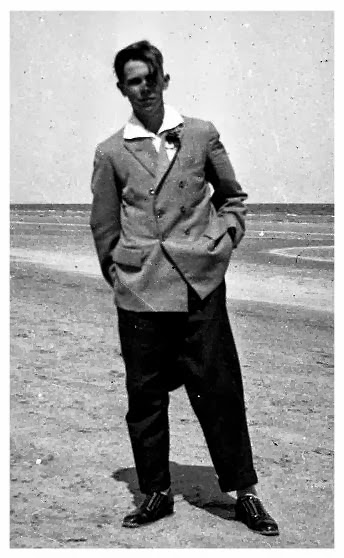
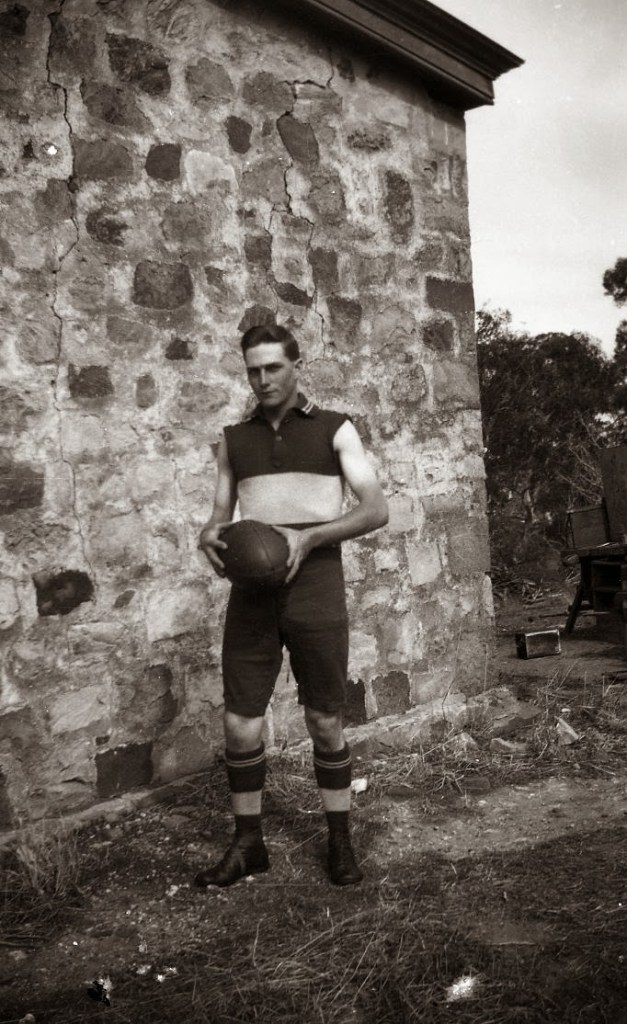
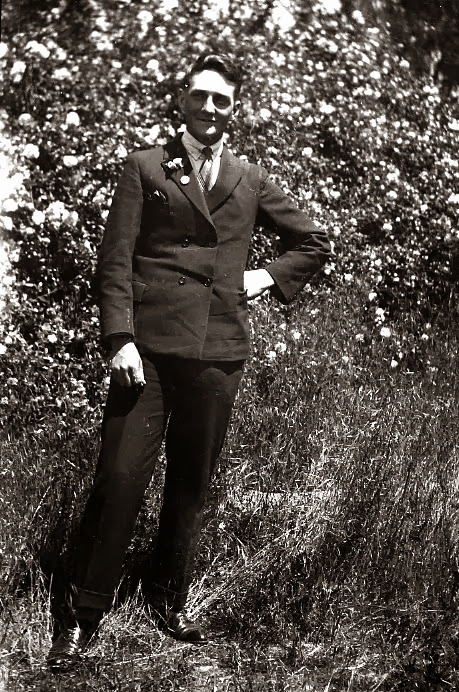
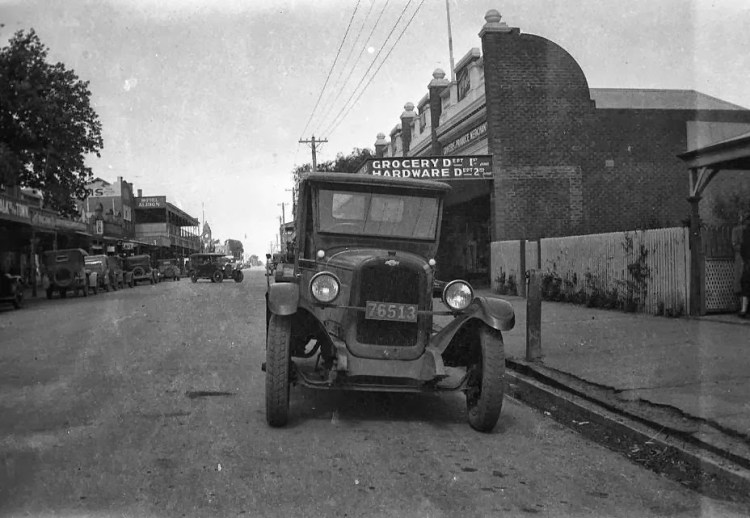
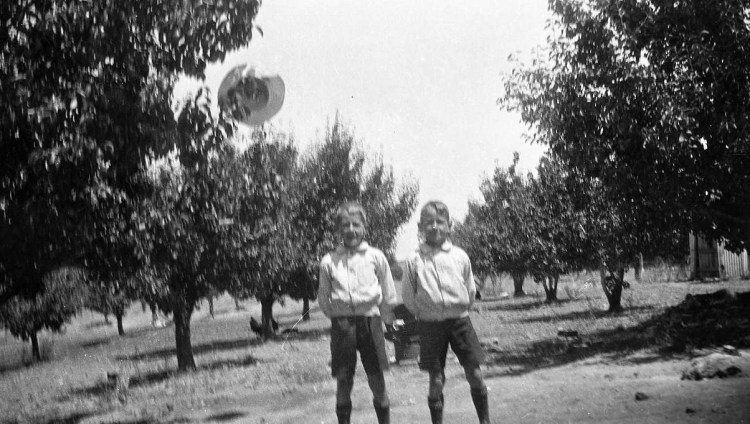
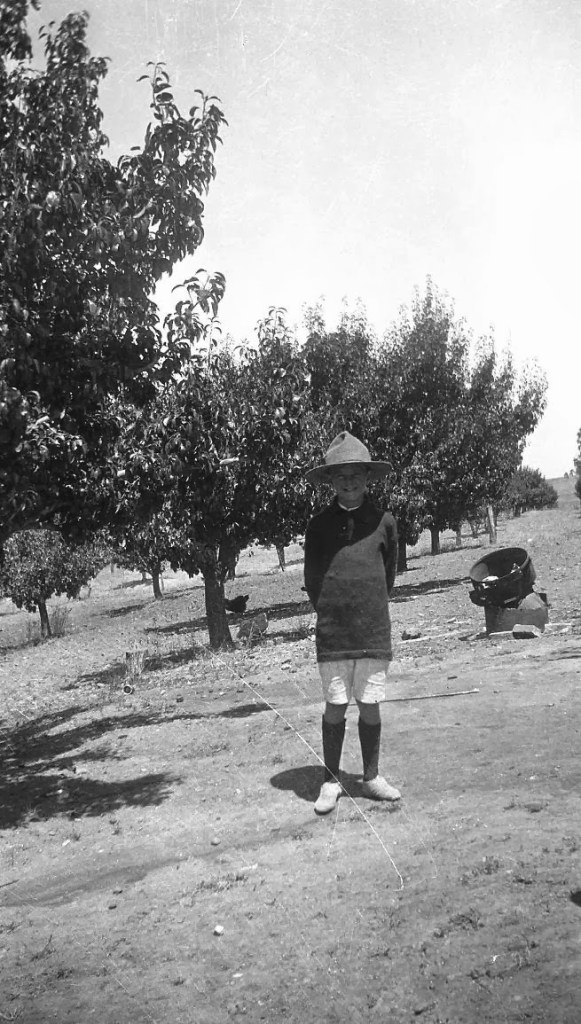
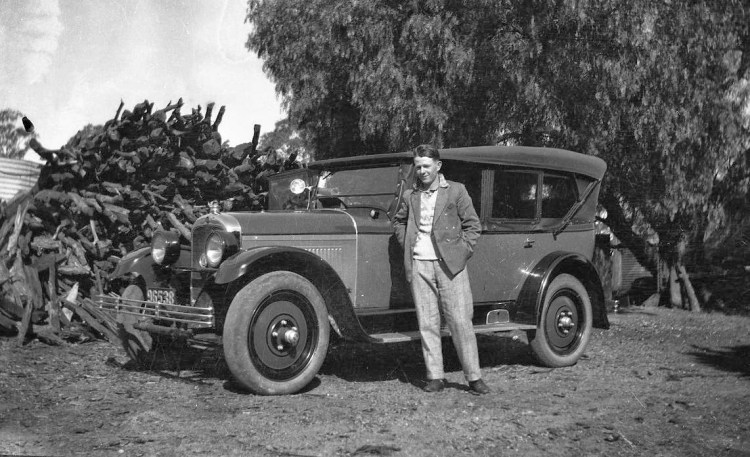
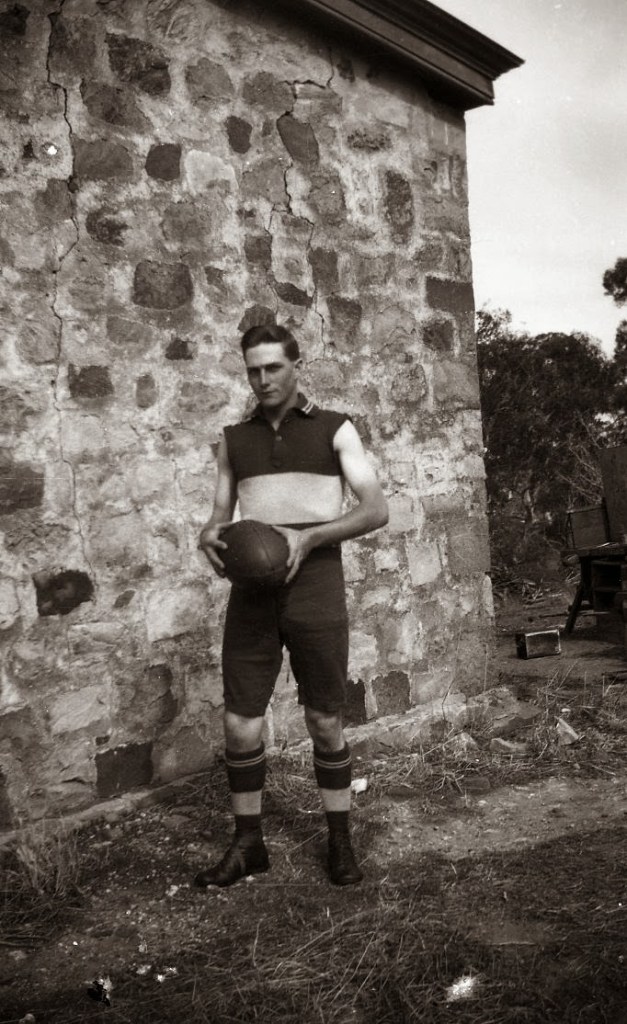
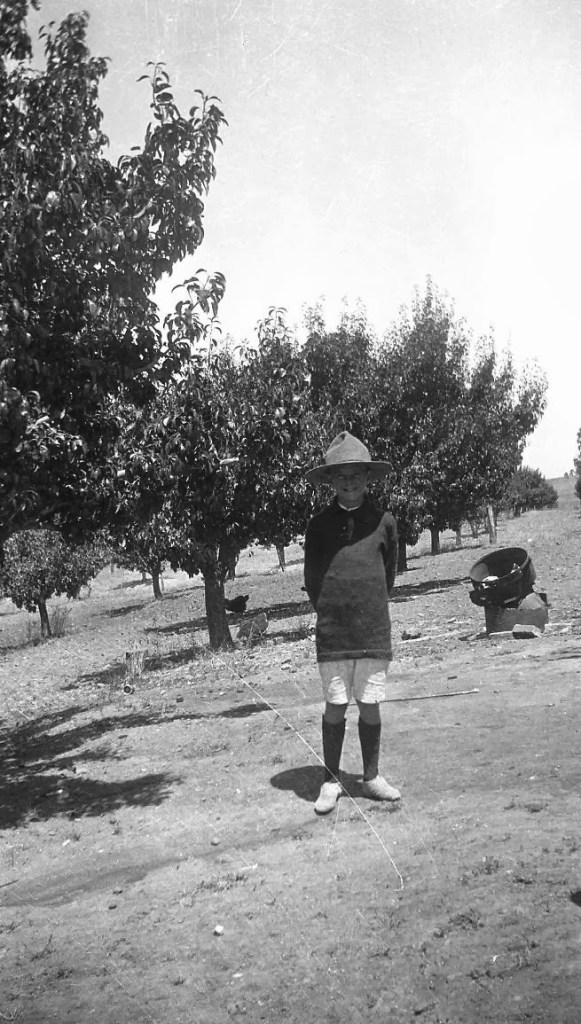
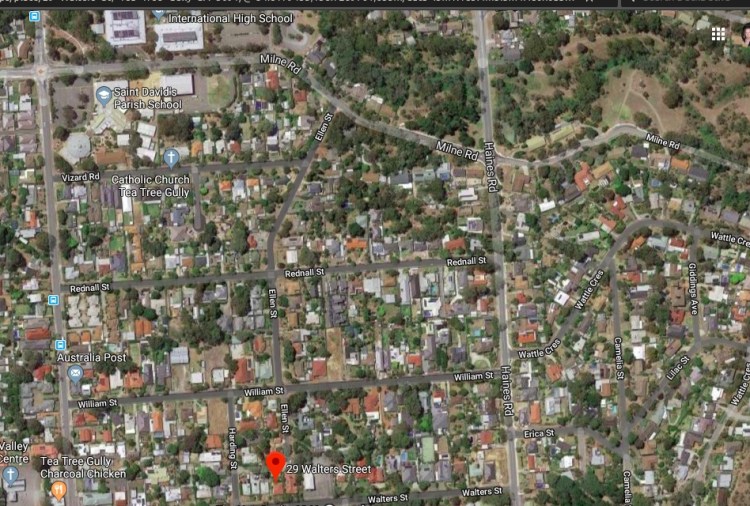
In the area just North of Milne Road in the Corner with Haines Road was a large dam when we were kids, I can remember going there on my own when only about 6 years old, and I didn’t learn to swim until I was 9, we used to go swimming there and YABBYING, just a piece of meat tied on the end of a piece of string is how we caught them, I can remember one time in particular in the mid 1960’s we caught so many we had to use Mum’s copper to cook them all, (that would have been around the volume of a large plastic rubbish bin) in the late 1960’s some boy drowned in the dam so the Council cut a hole in the wall and let the water out.
At that time Haines Road Finished at Milne Road, it wasn’t finished until the early 1970’s, and Milne Road from Elizabeth Street to Haines Road was a goat track, even between Hancock Road and Elizabeth Street it was pretty rough.
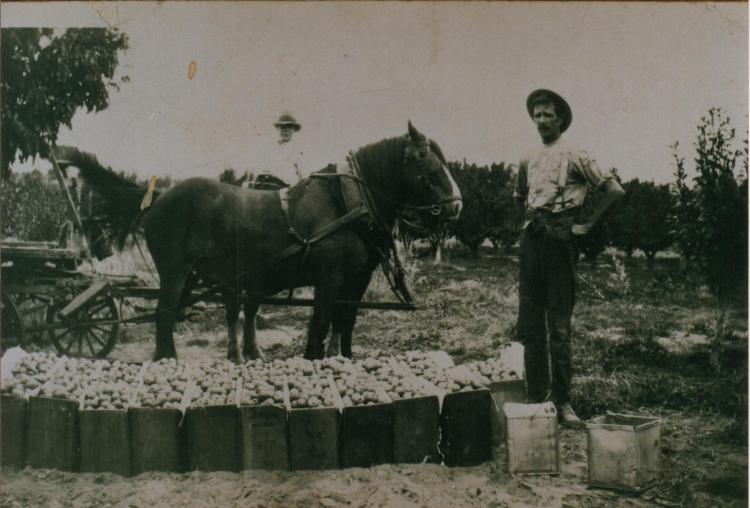
He sure looks like he worked hard.
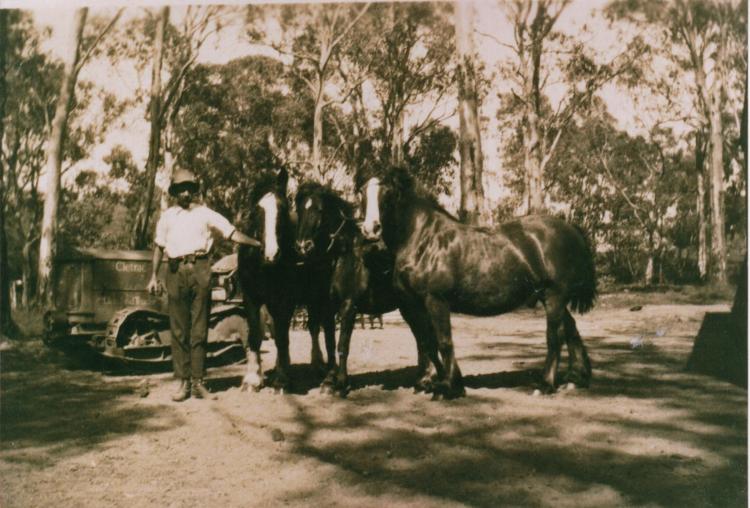
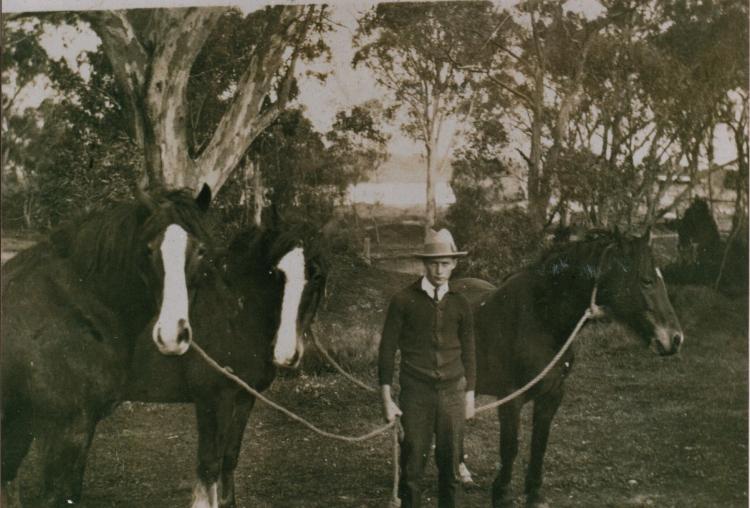
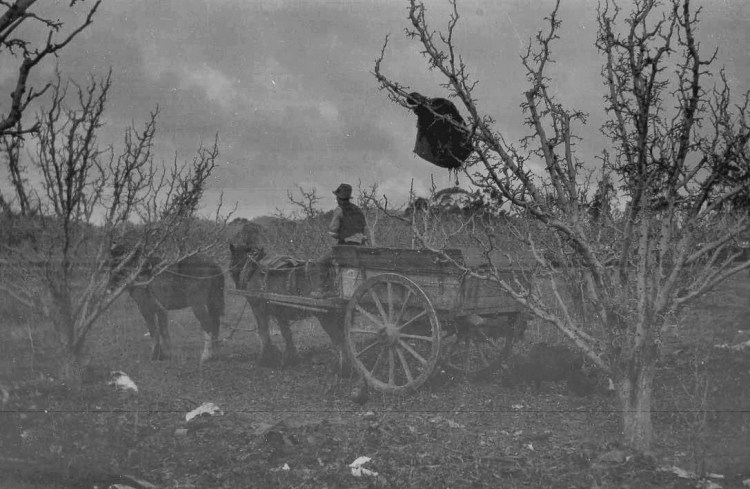
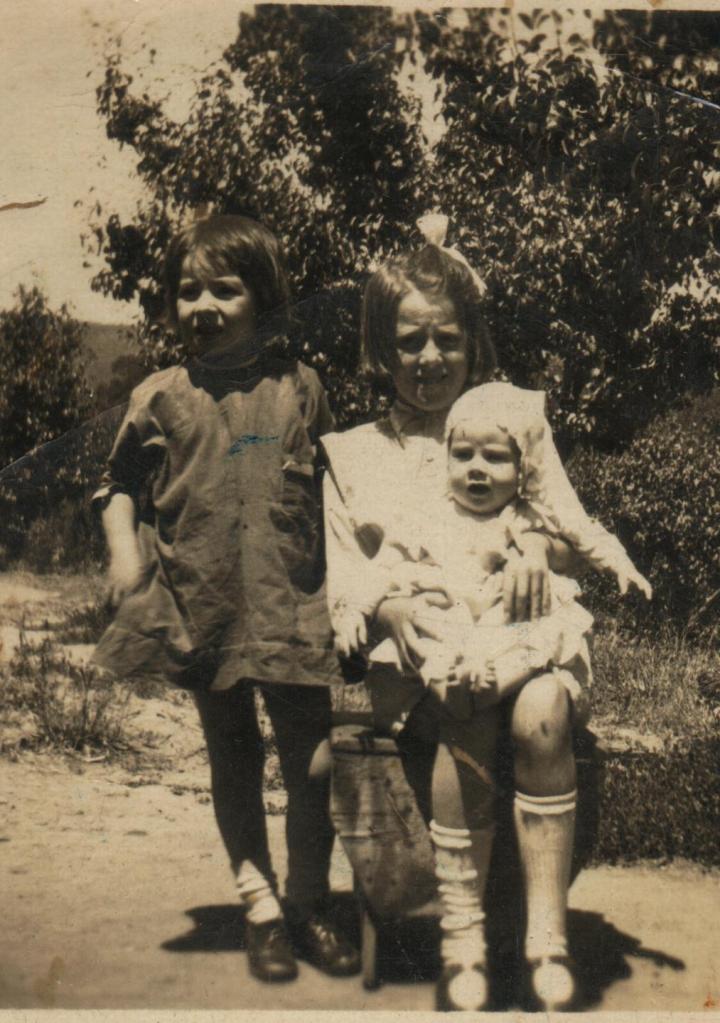
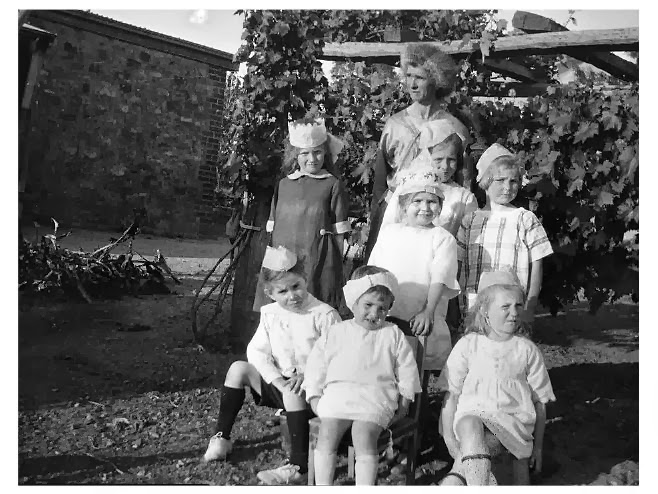
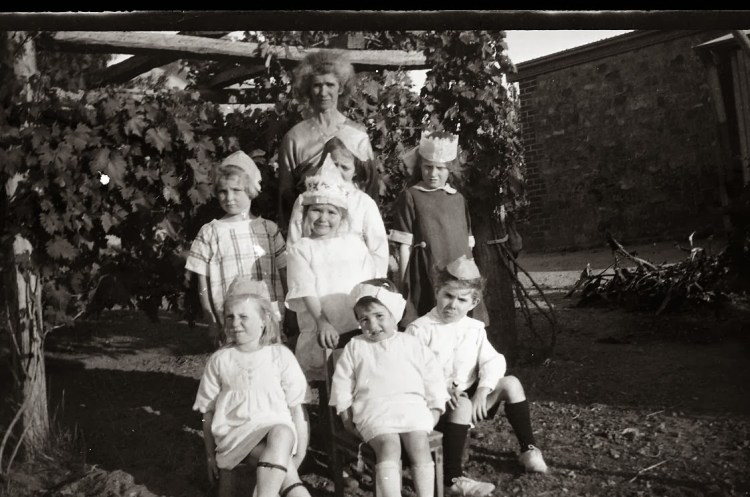
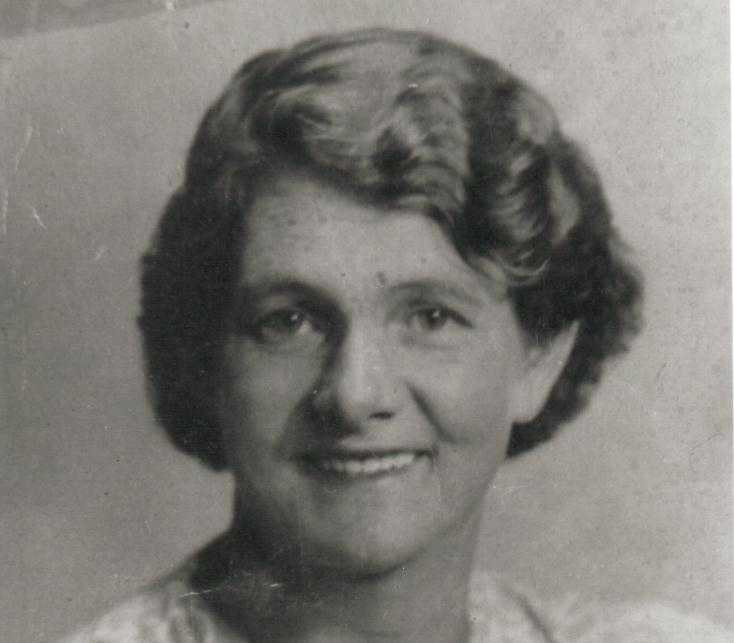
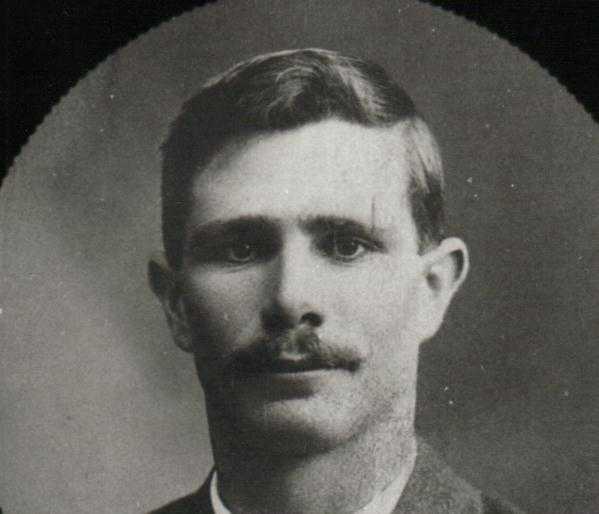
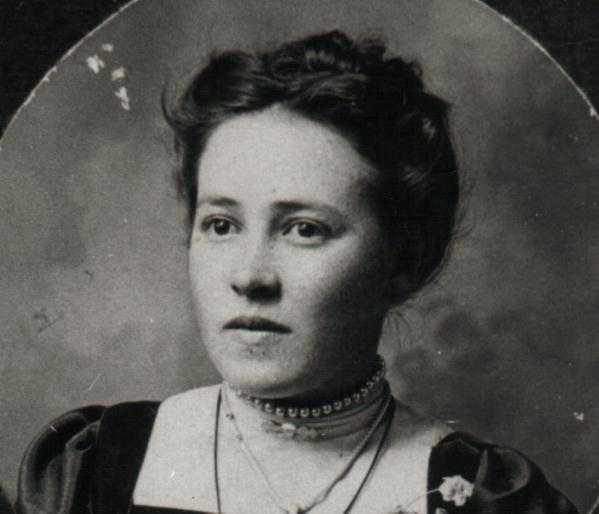
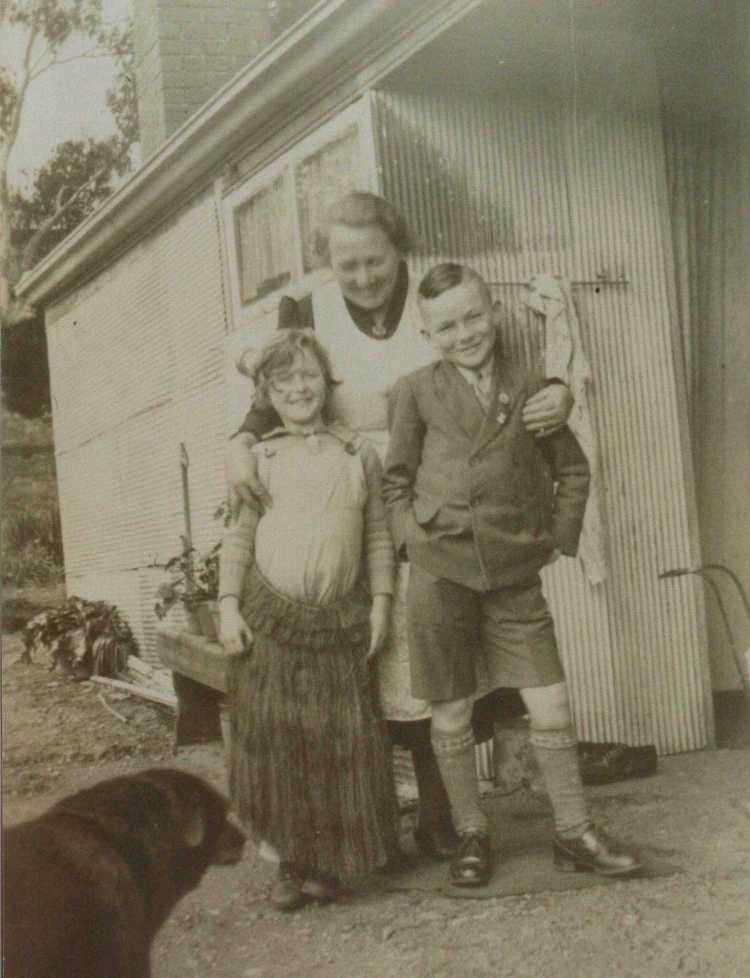
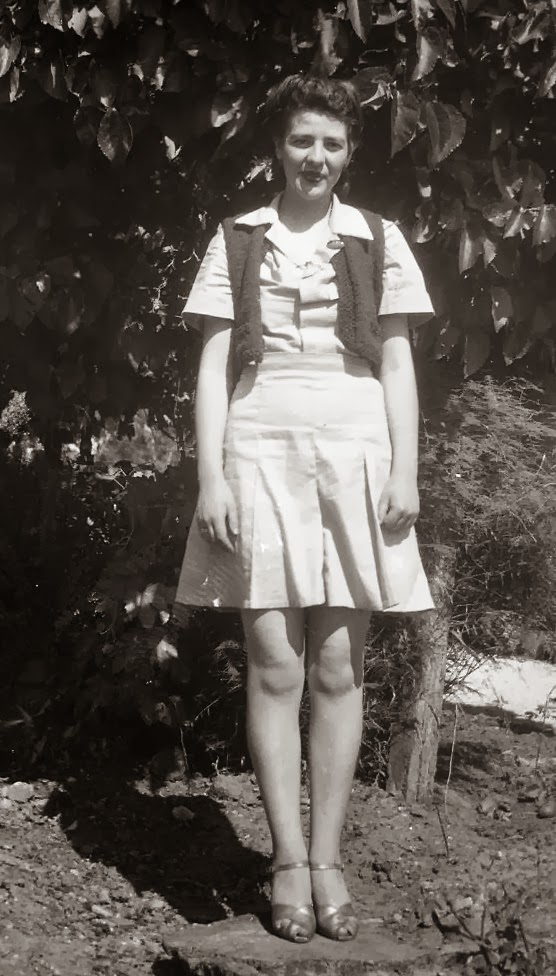
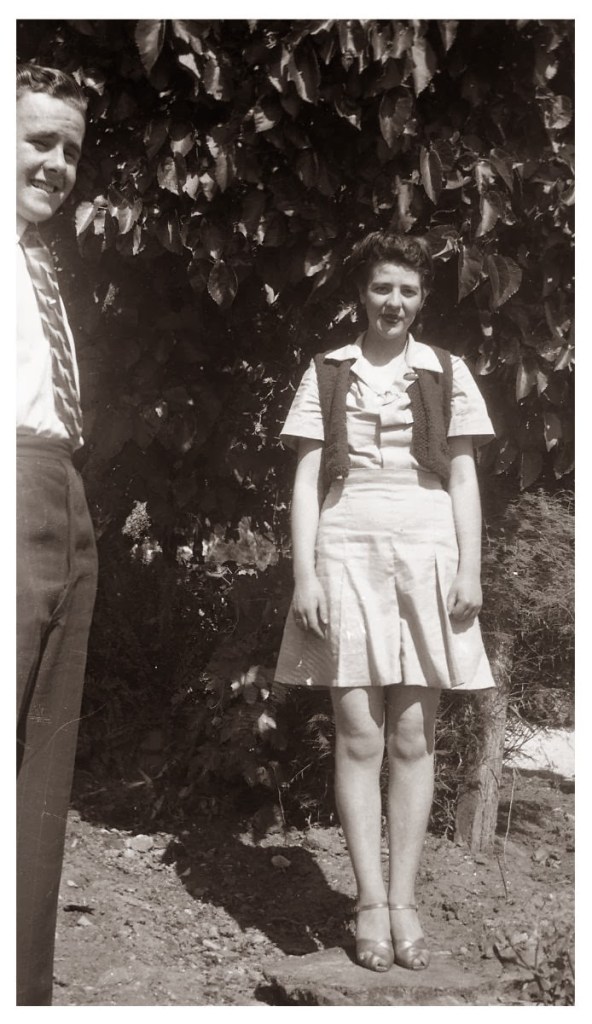
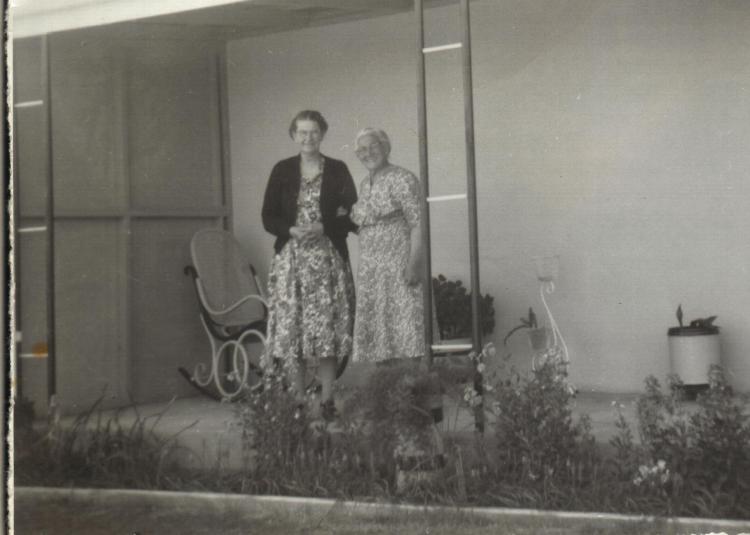
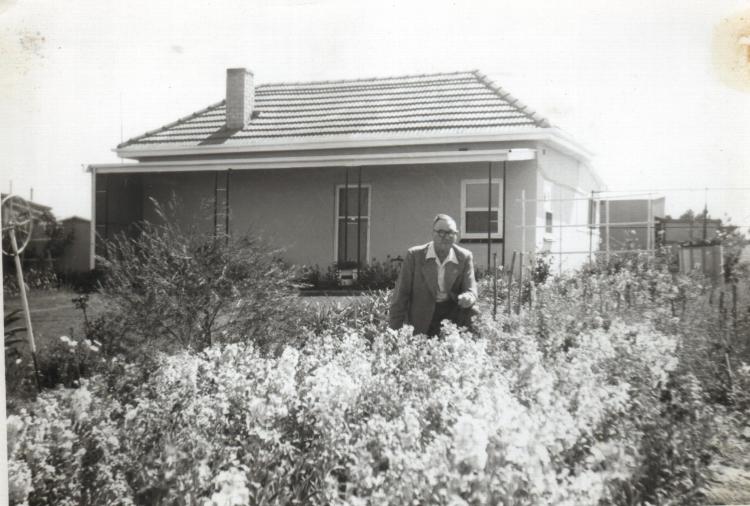
Uncle Joe died in 1966, but this house remained virtually unchanged until about 2010 when it was knocked down to build some units, apparently, the footings were put in the wrong place and 10 years later nothing has happened since.
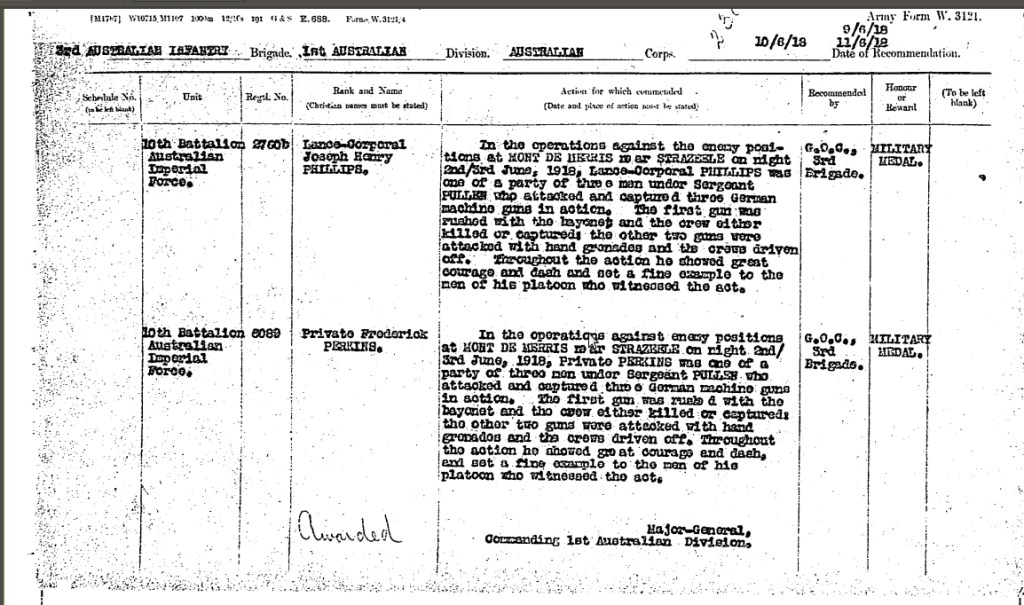
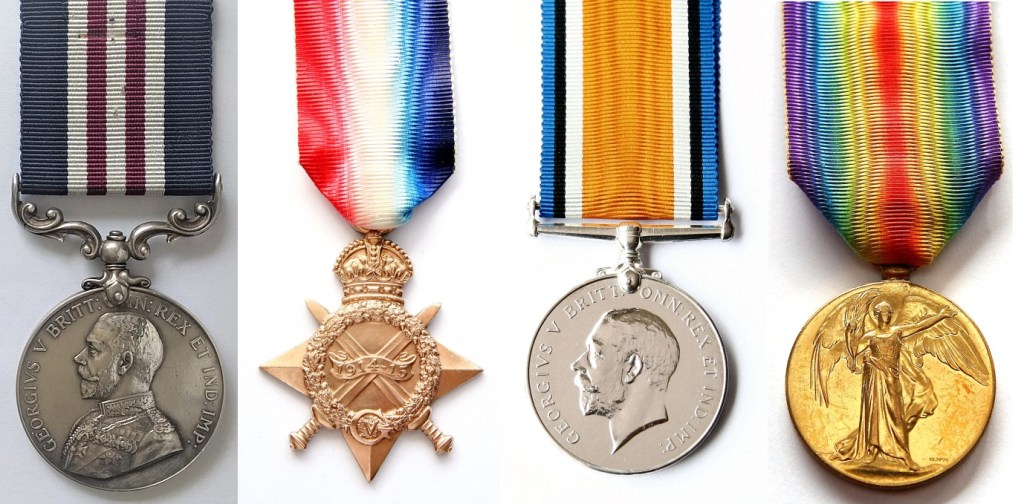
By what I read about The Military Medal, it is made of Silver.
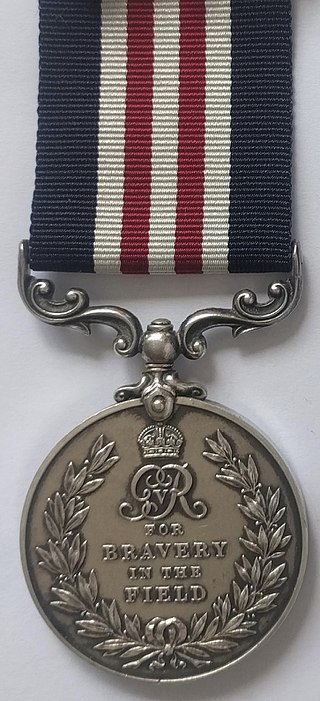
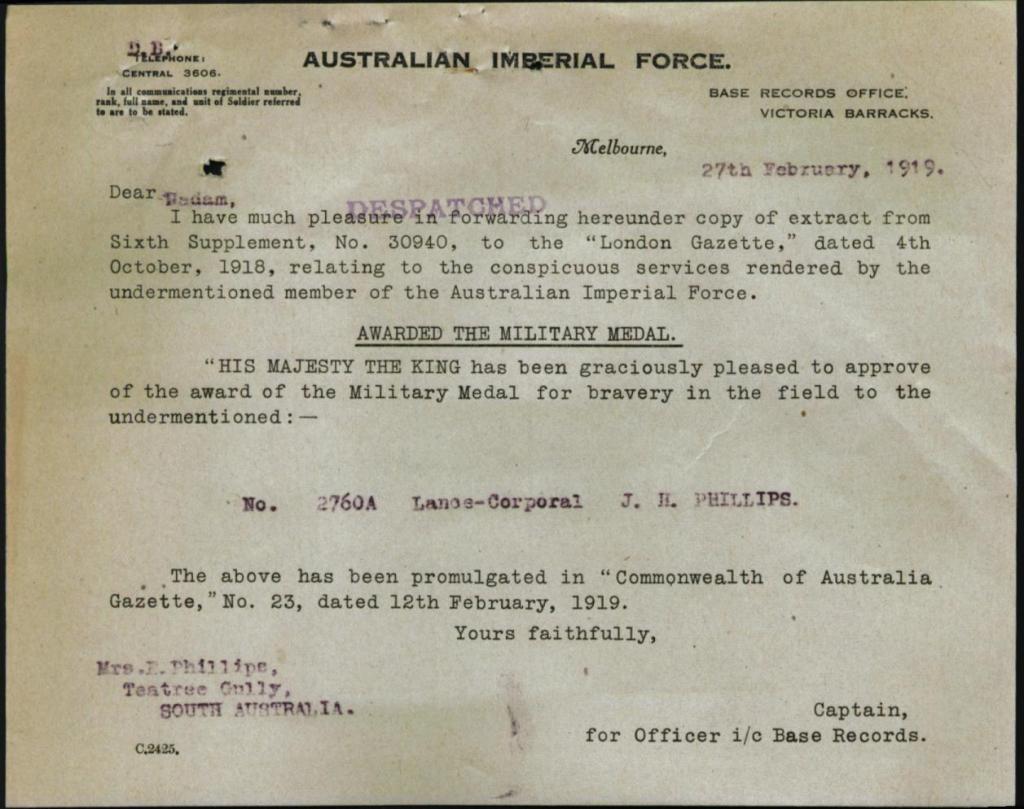
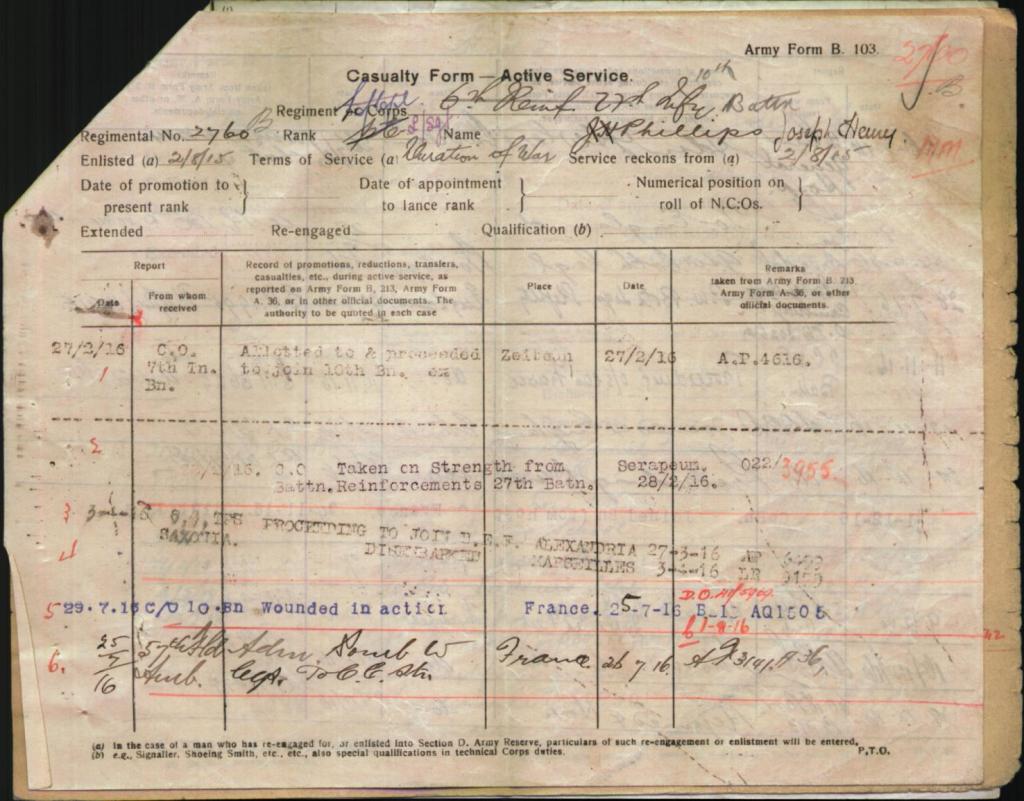
e Churchett)
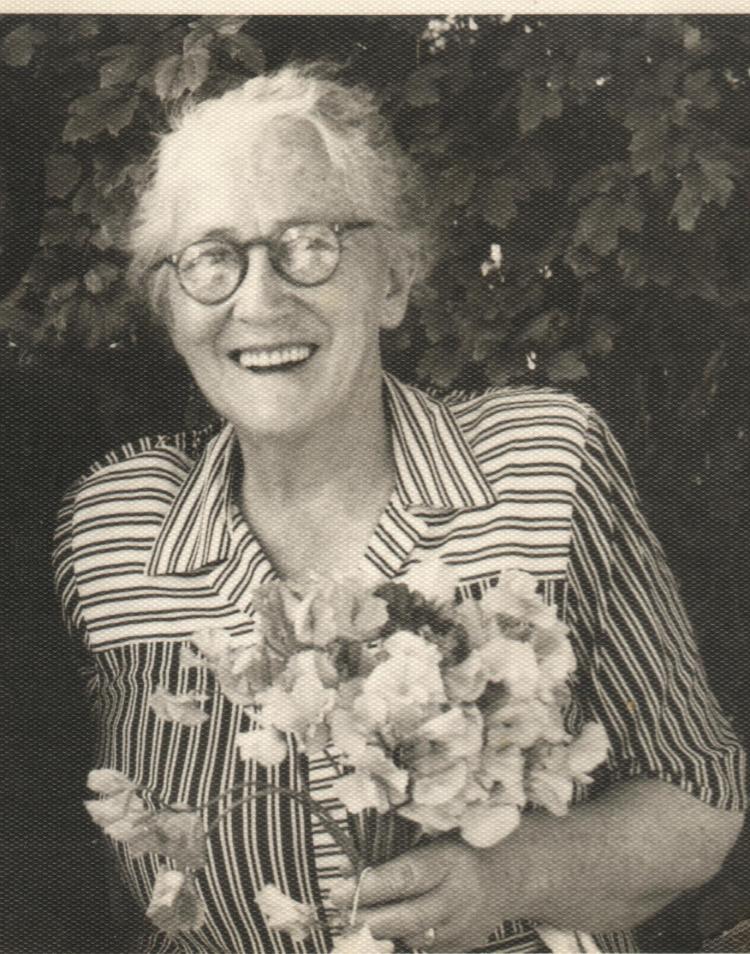
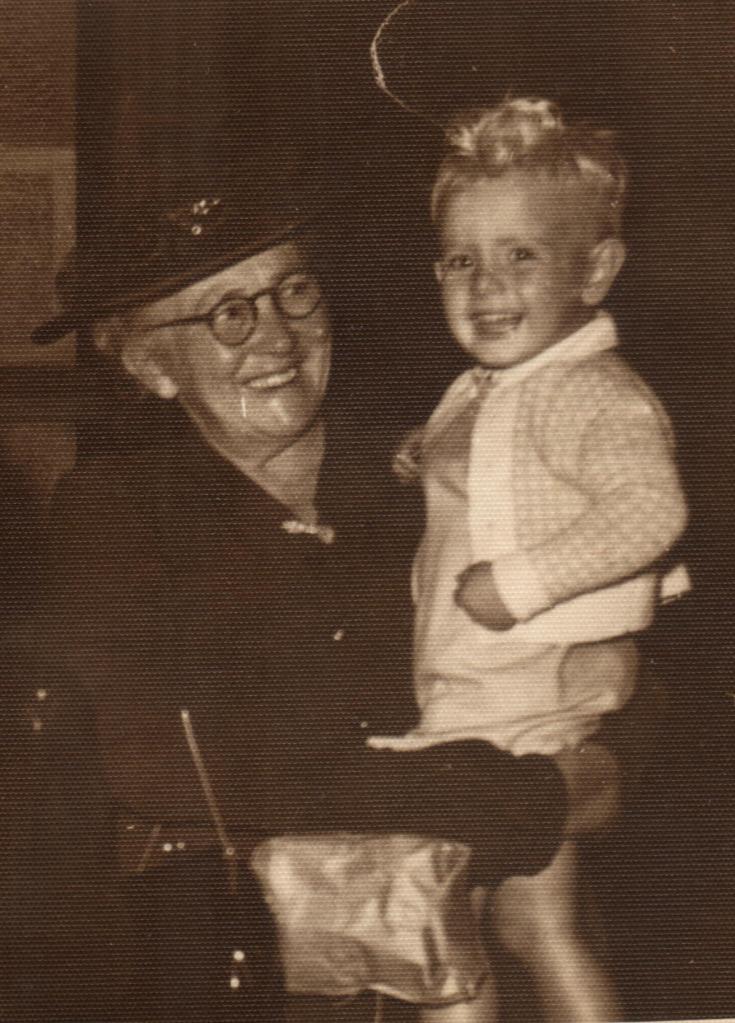
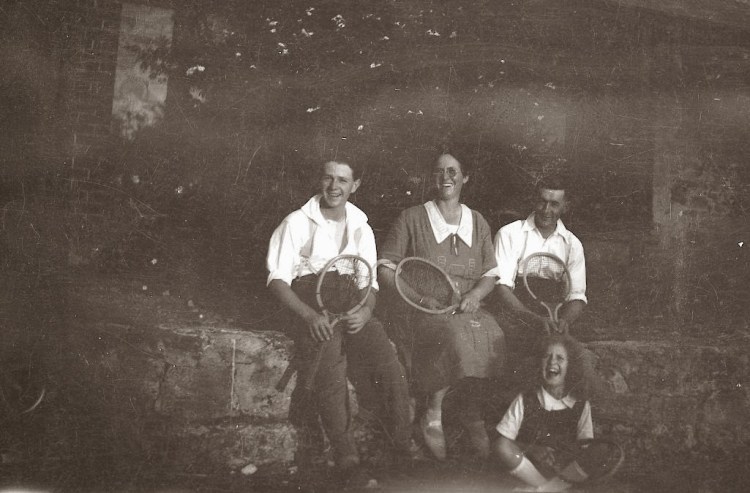
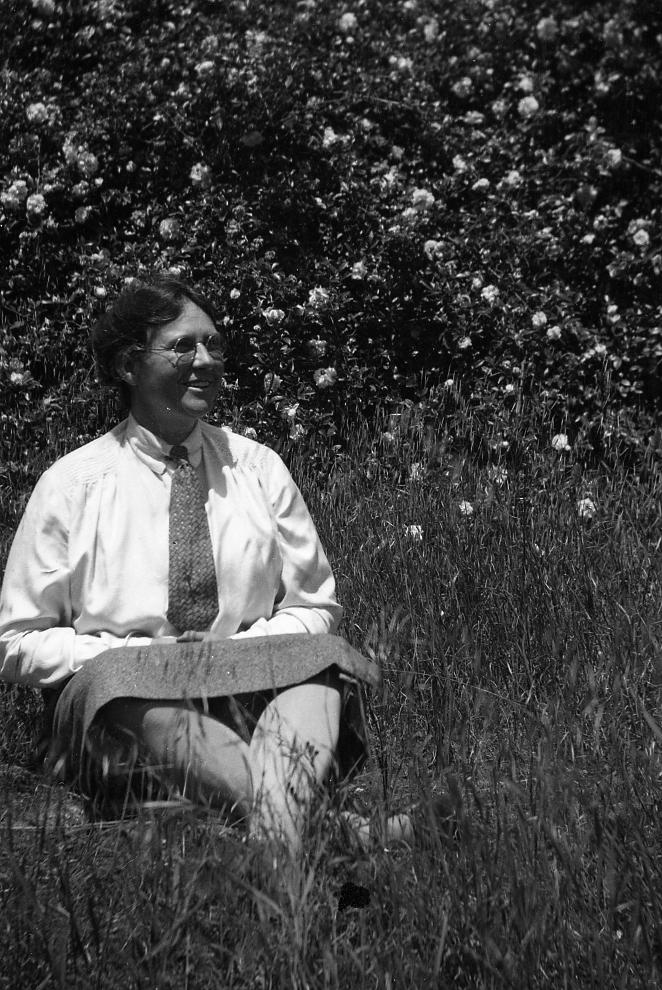
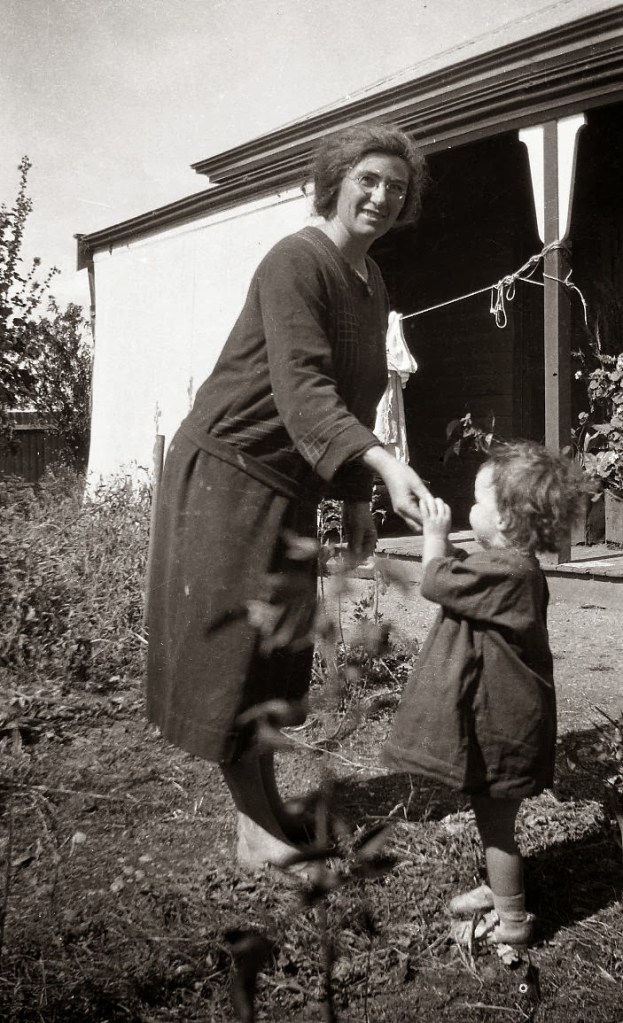
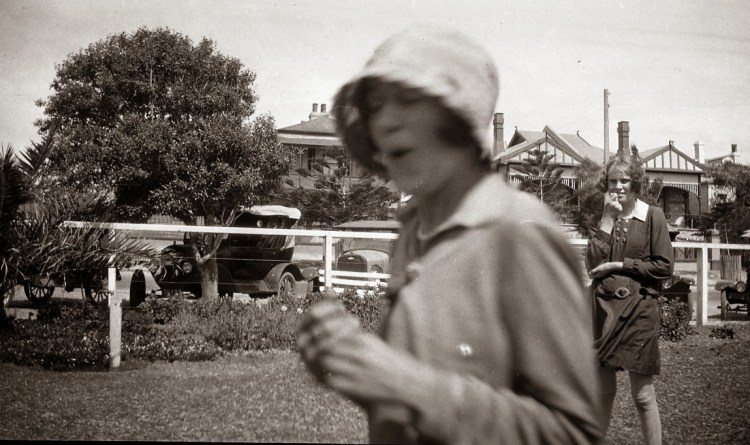
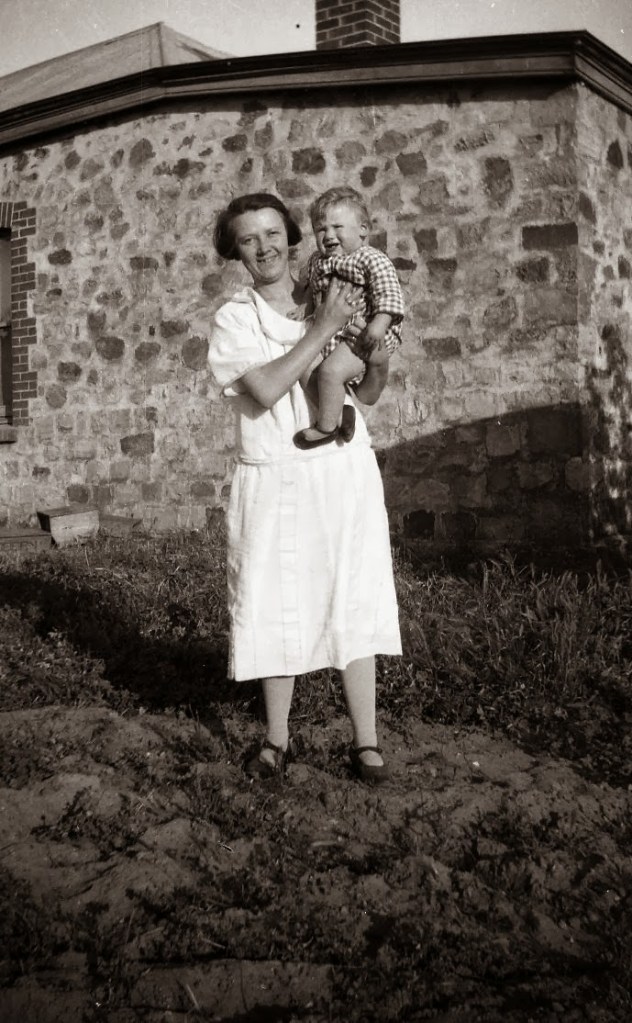
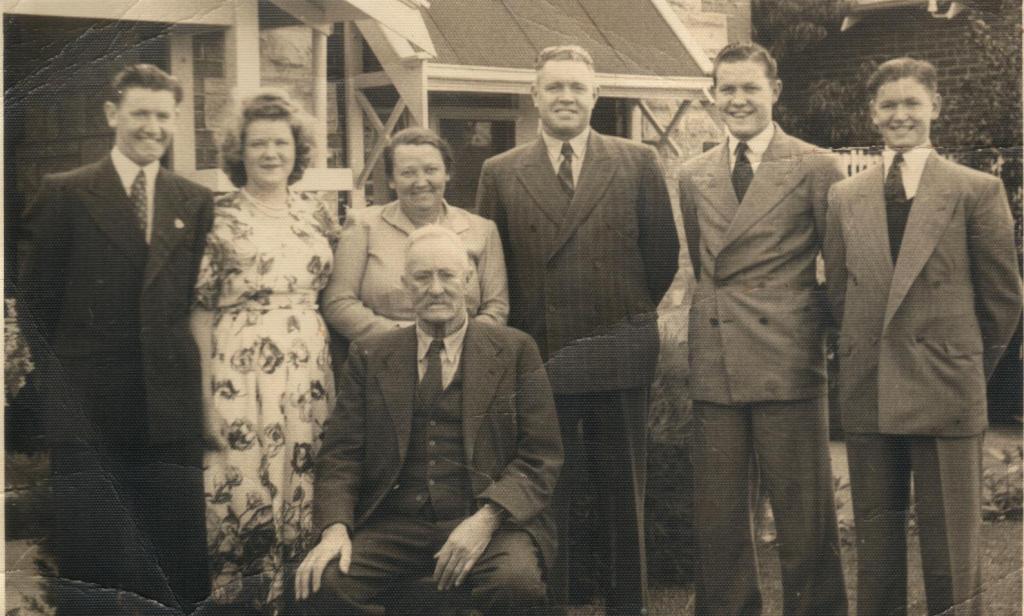
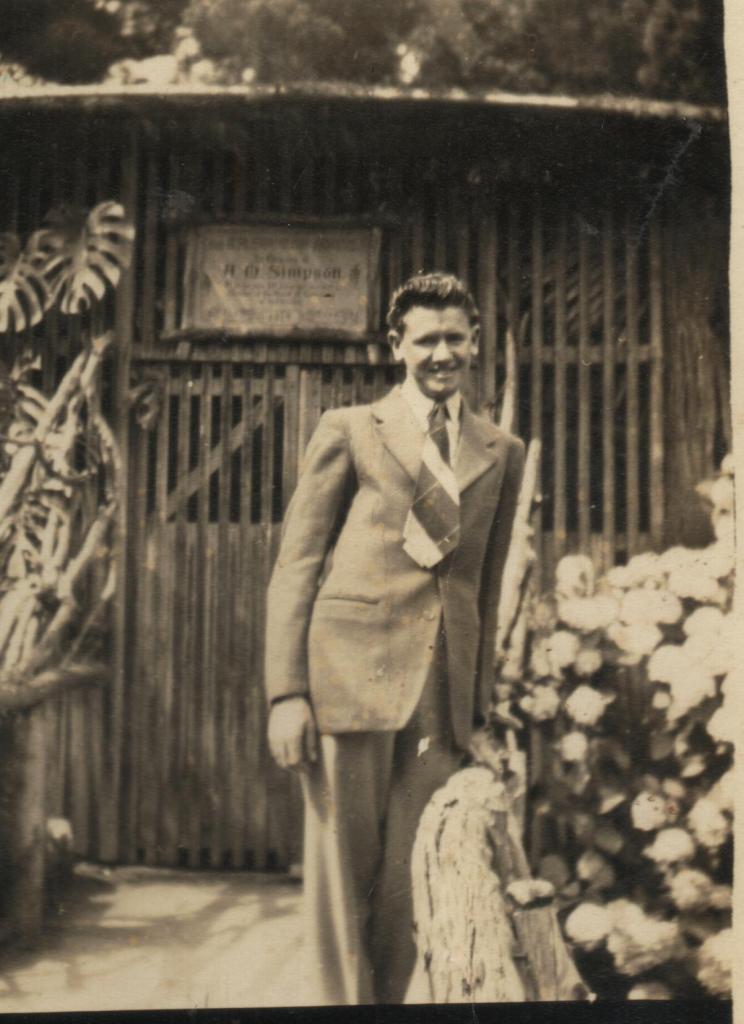
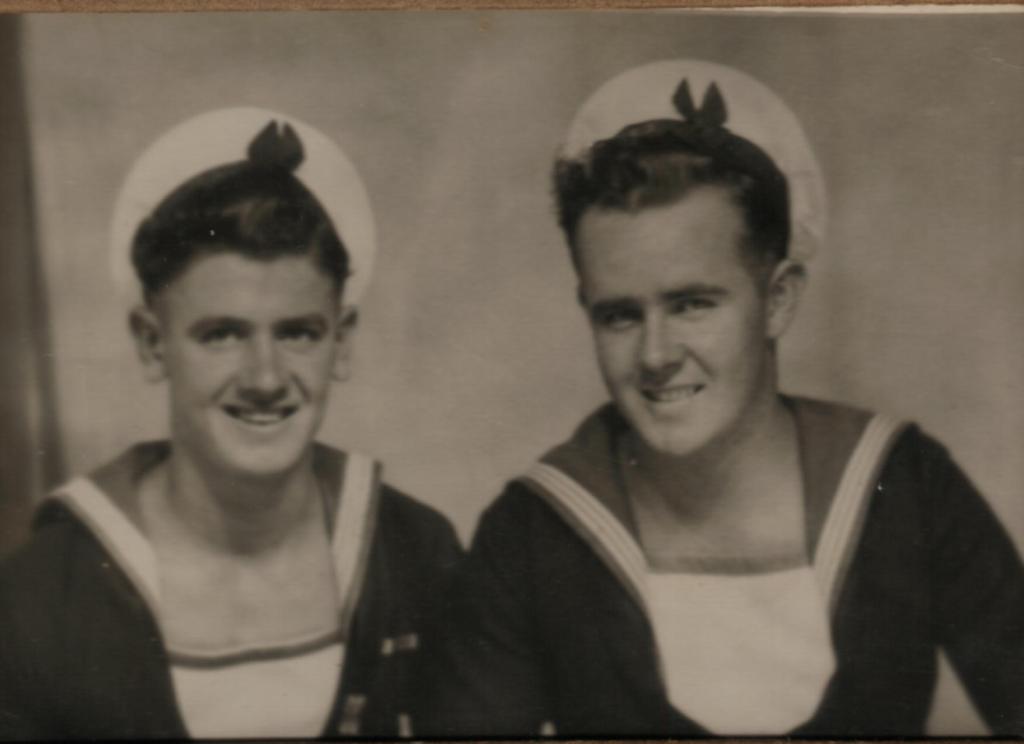
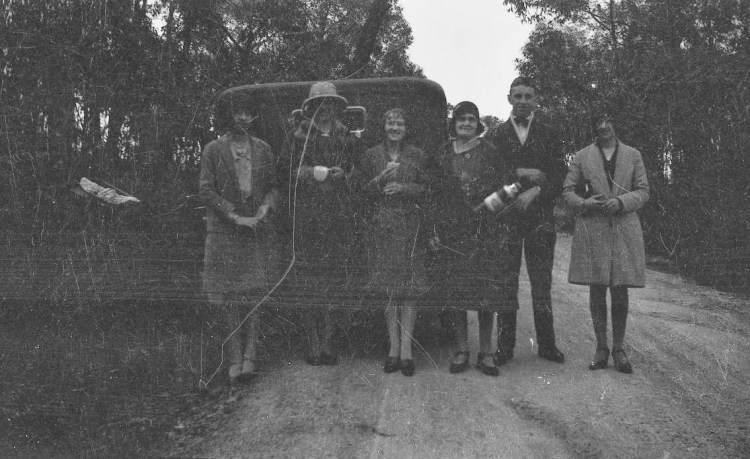
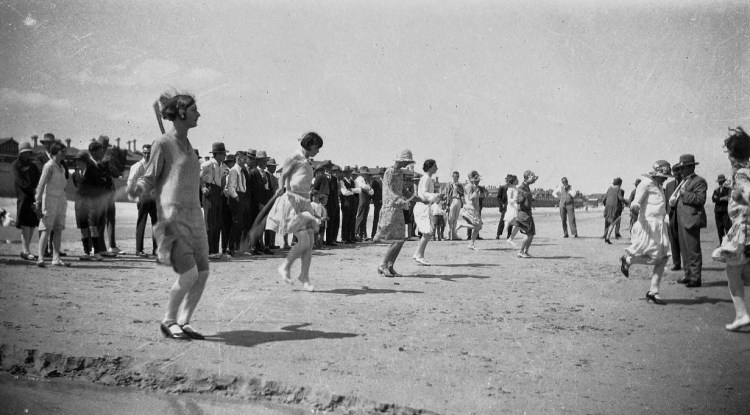
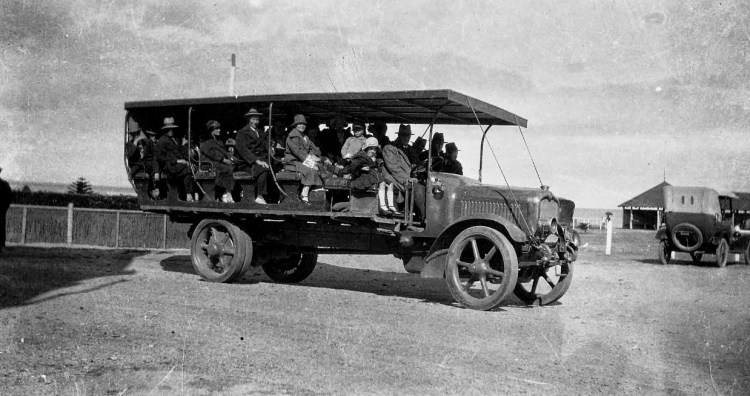
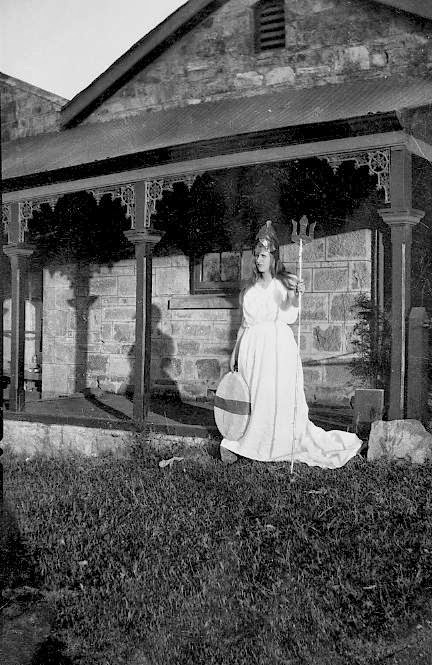
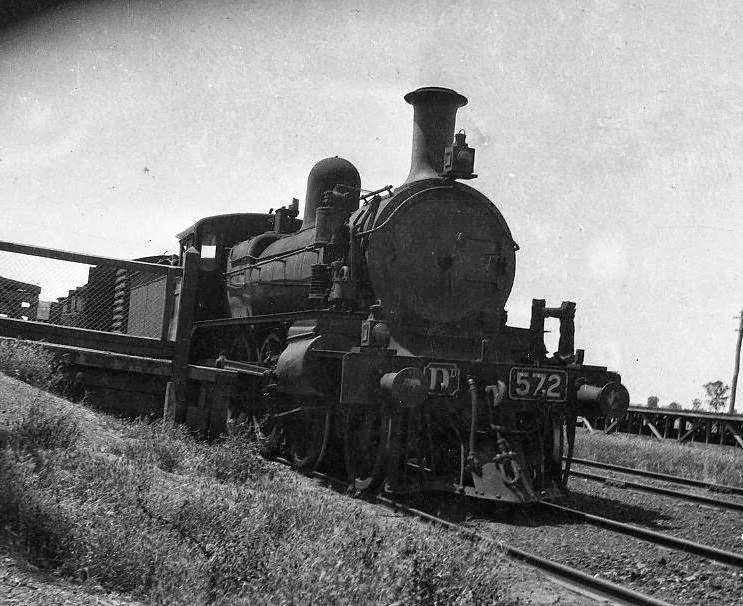
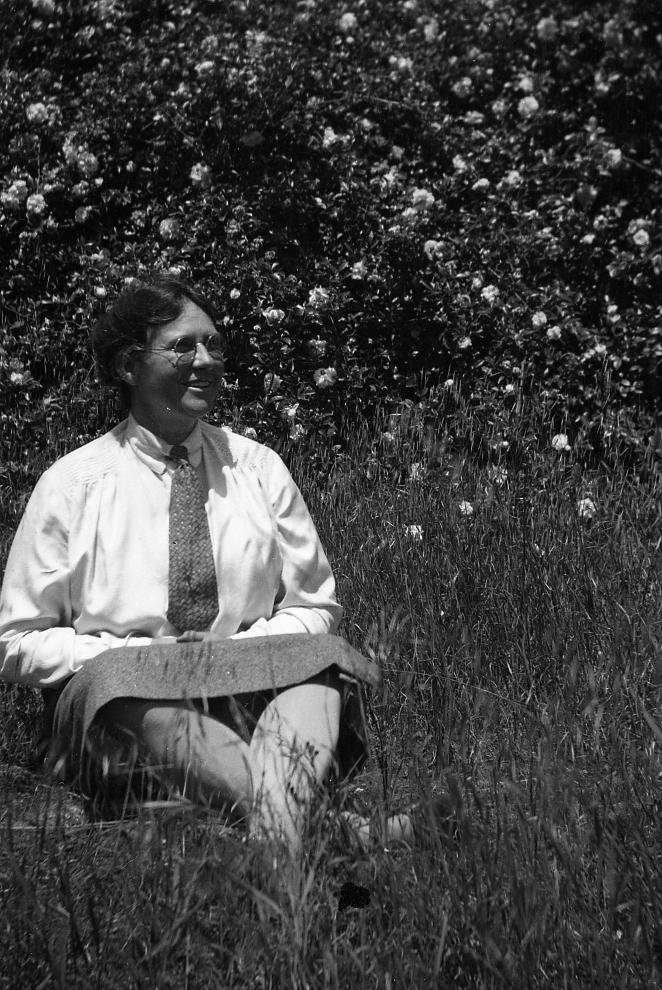
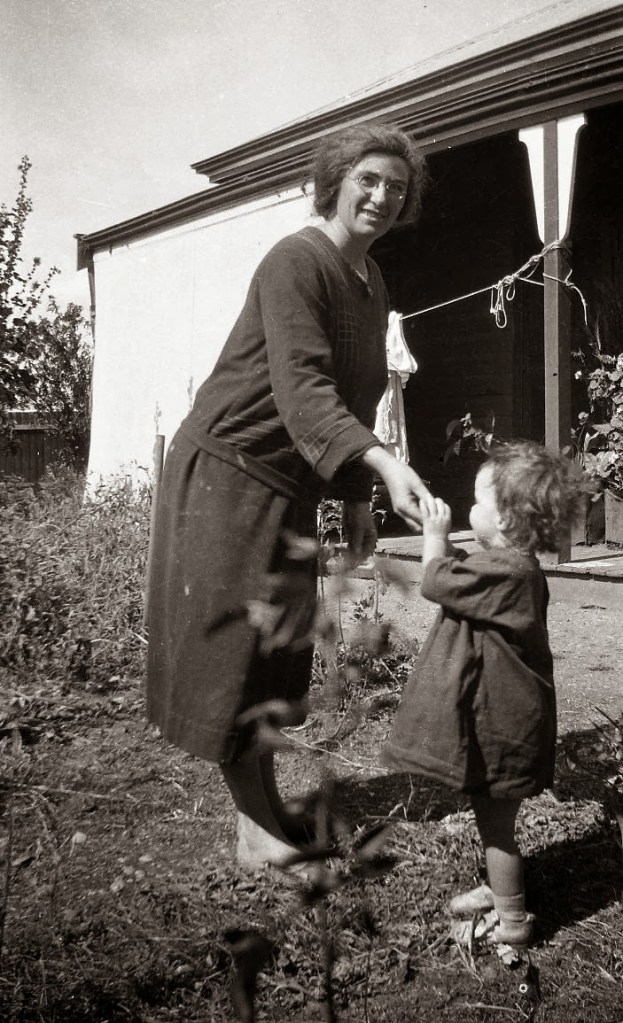
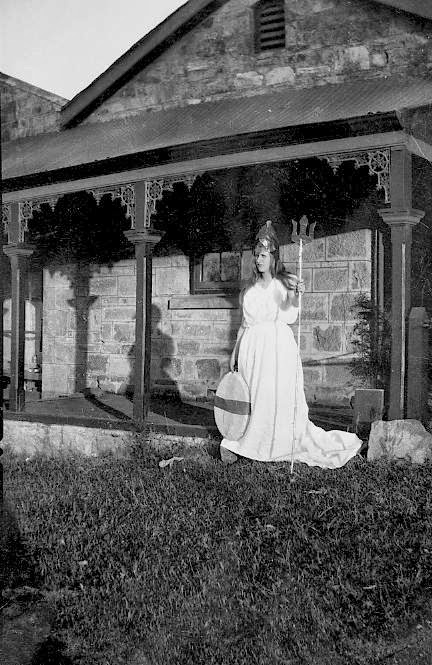
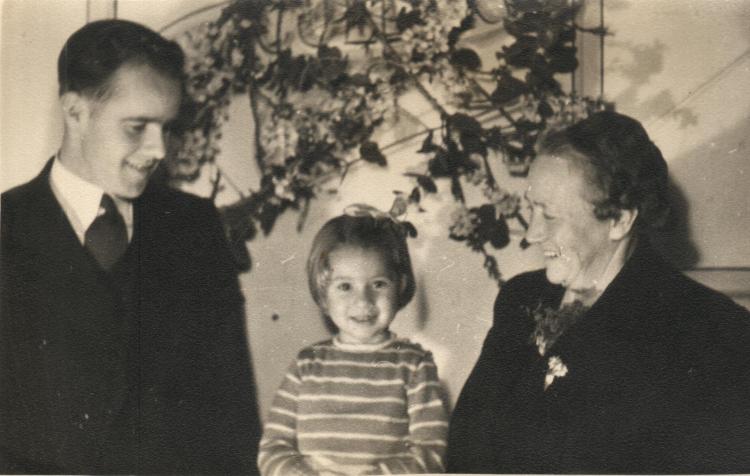
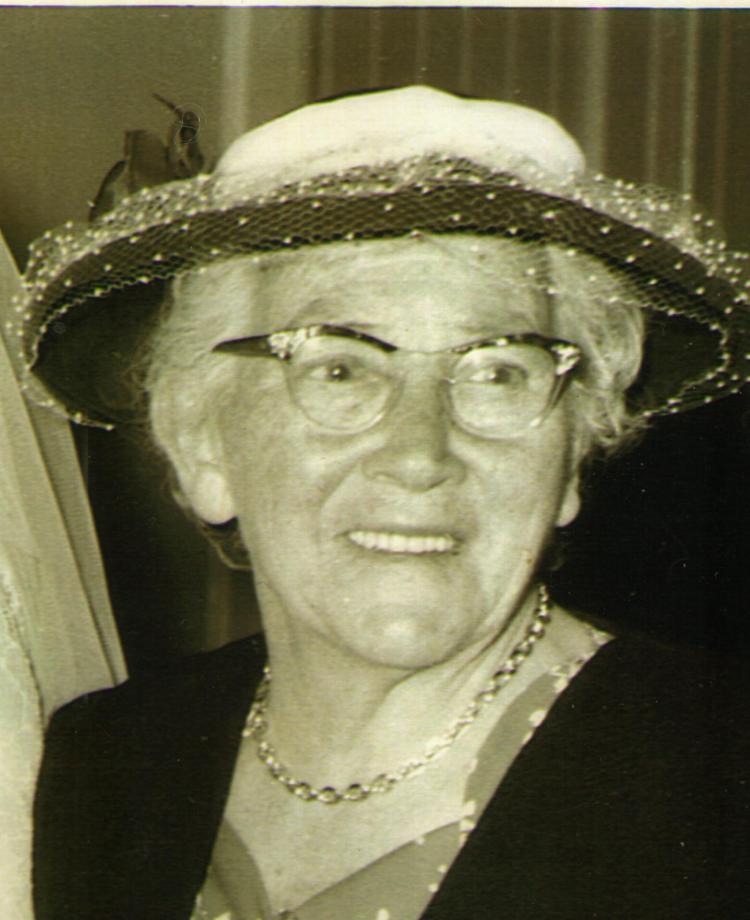
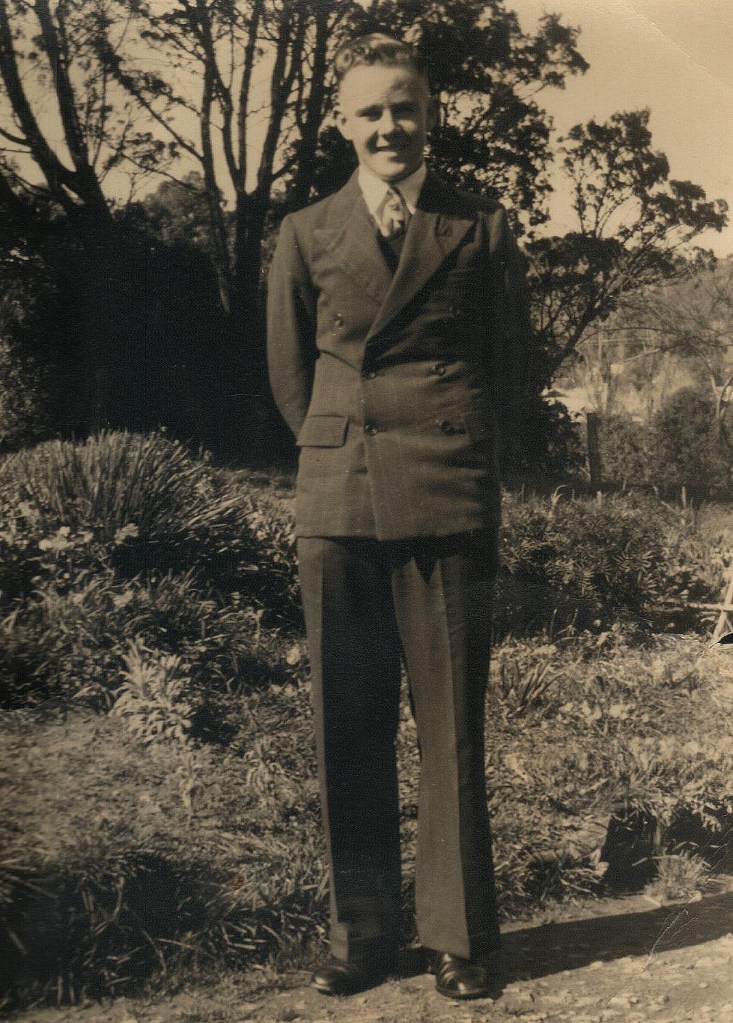
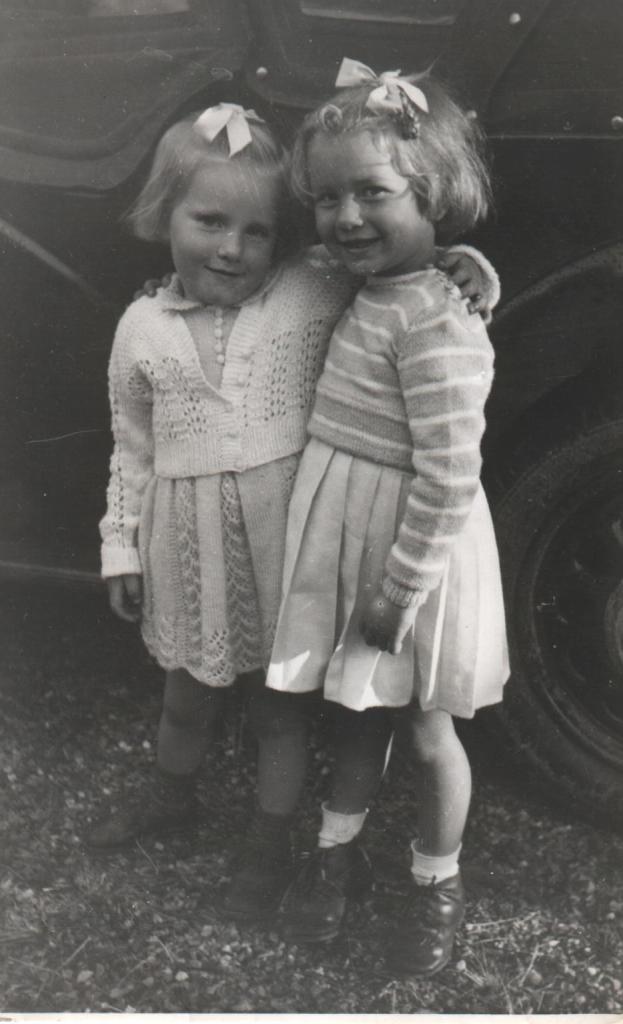
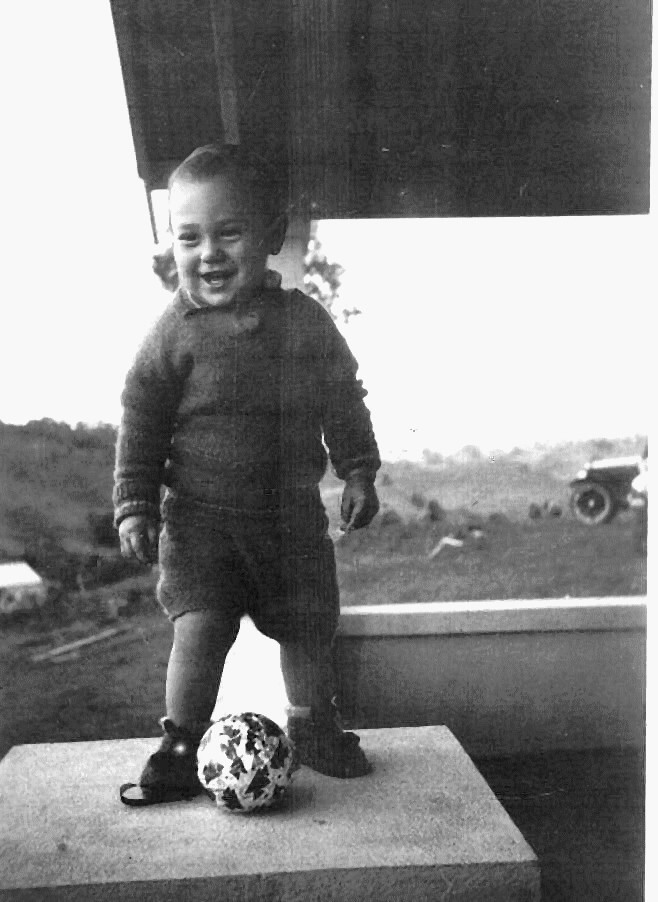
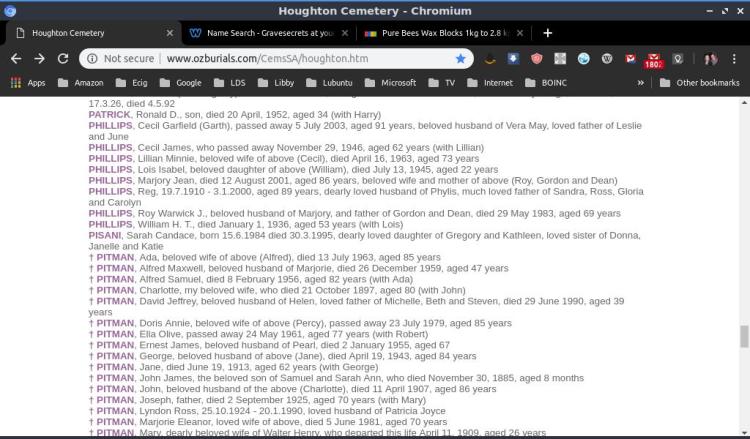
This incorrectly says Cecil died at 62, he was 61.
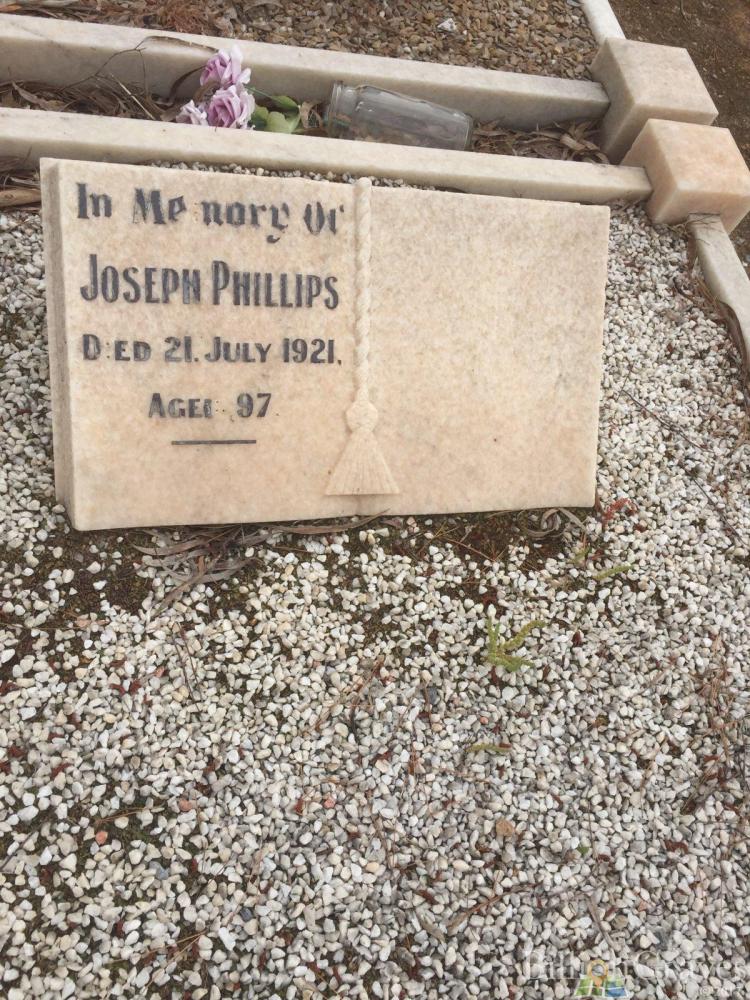
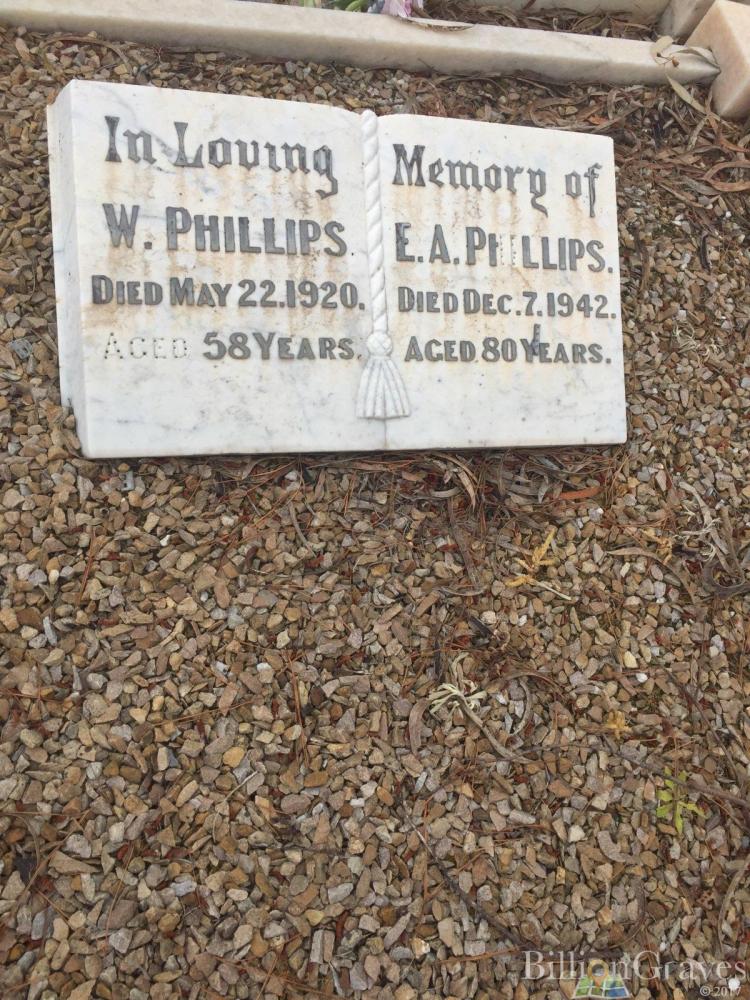
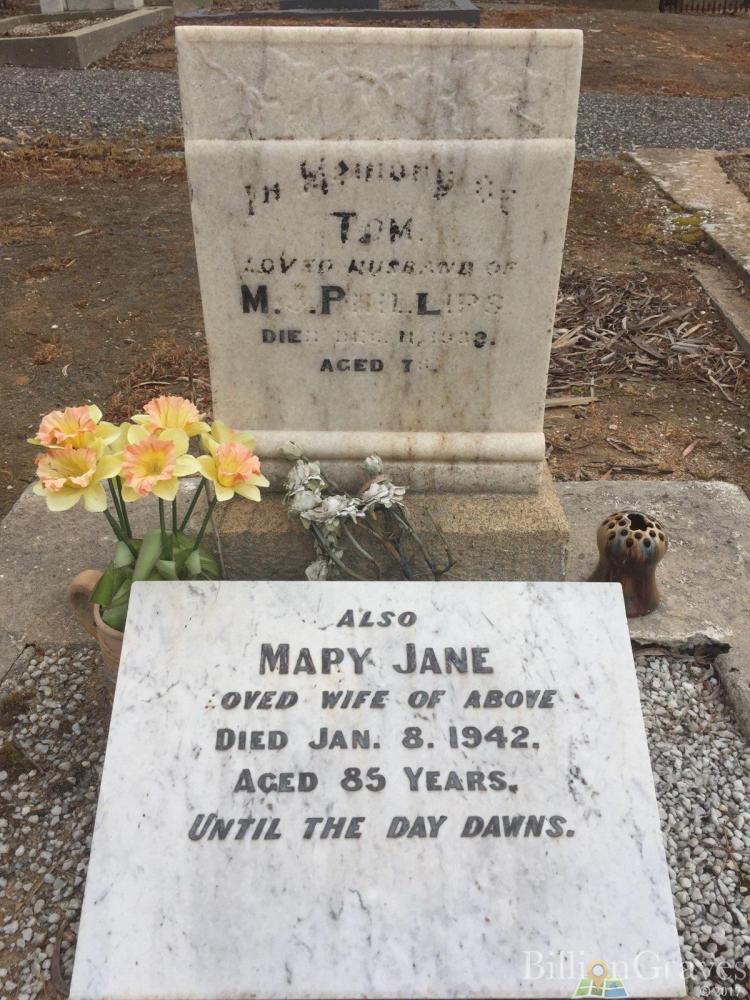
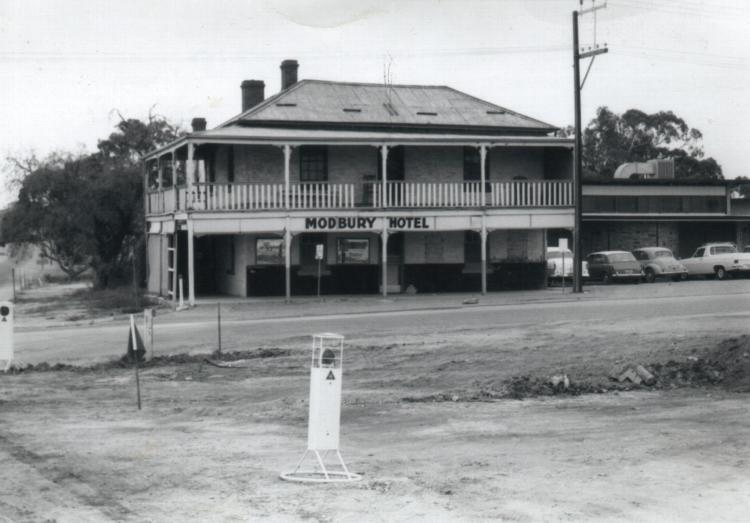
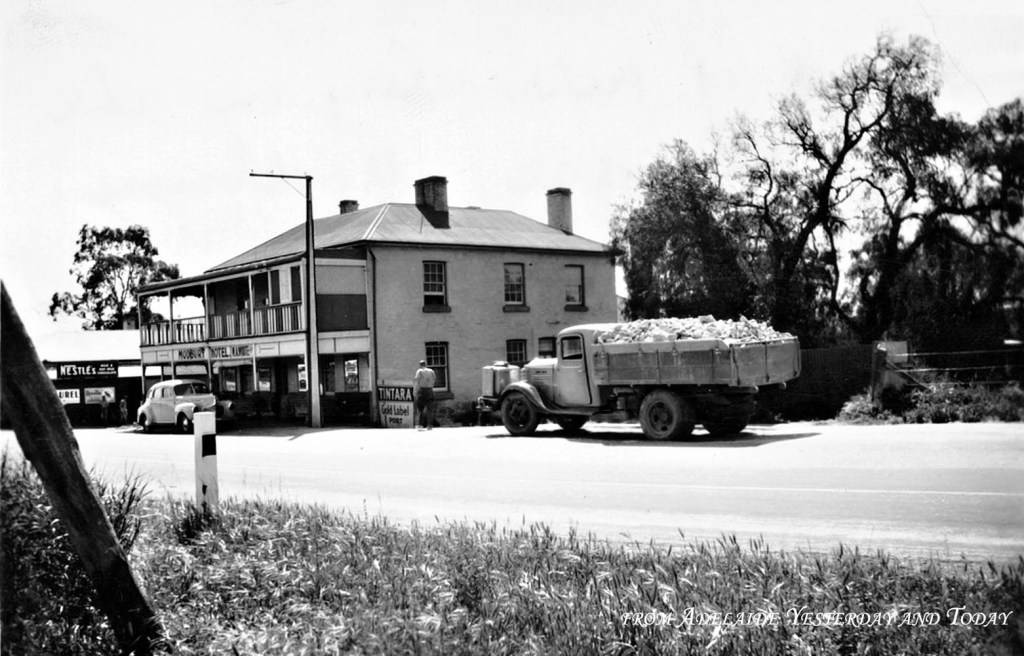
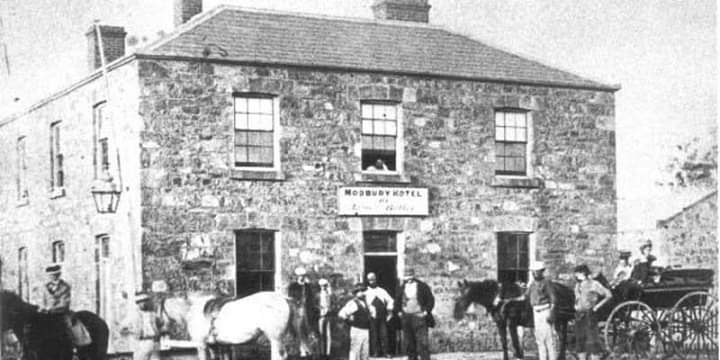
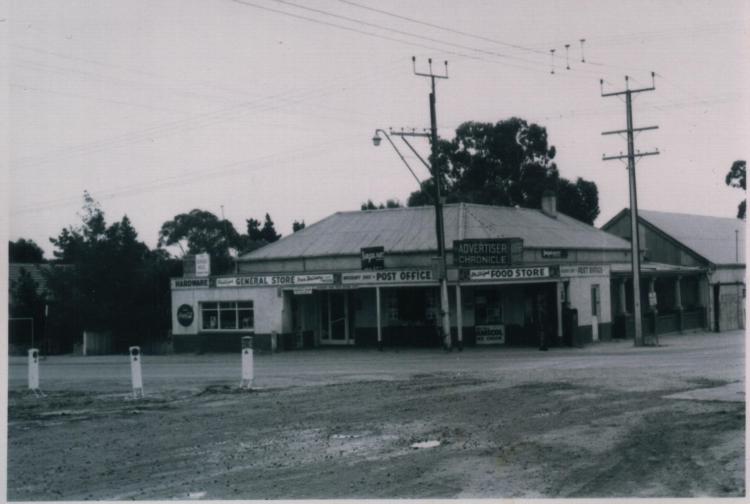
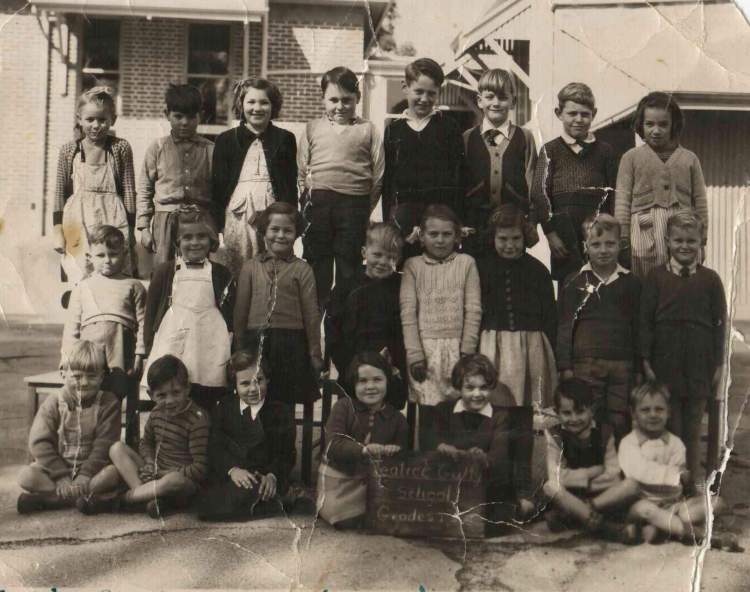
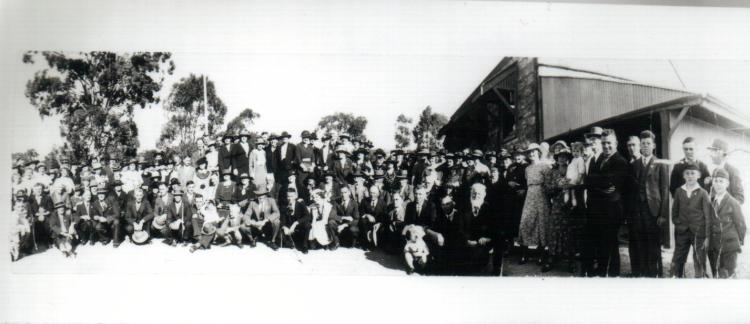
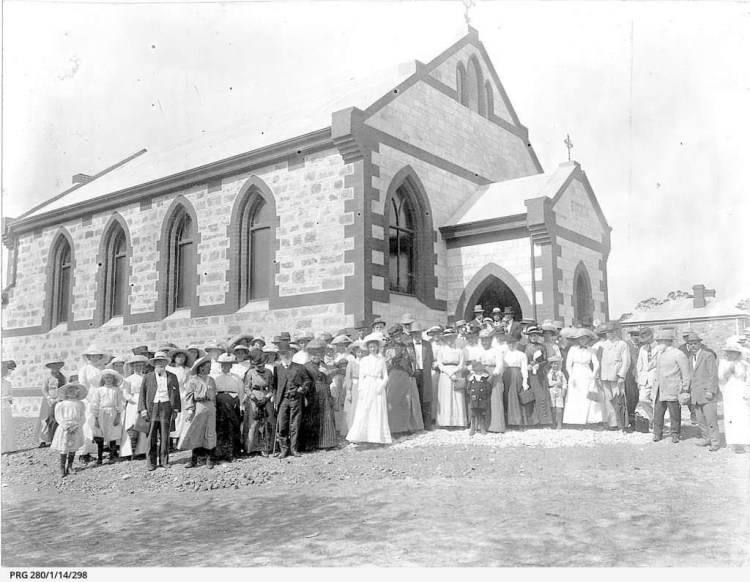
Church Street runs along the side of the building and on the other side of Church Street was Aunt Jo’s house.
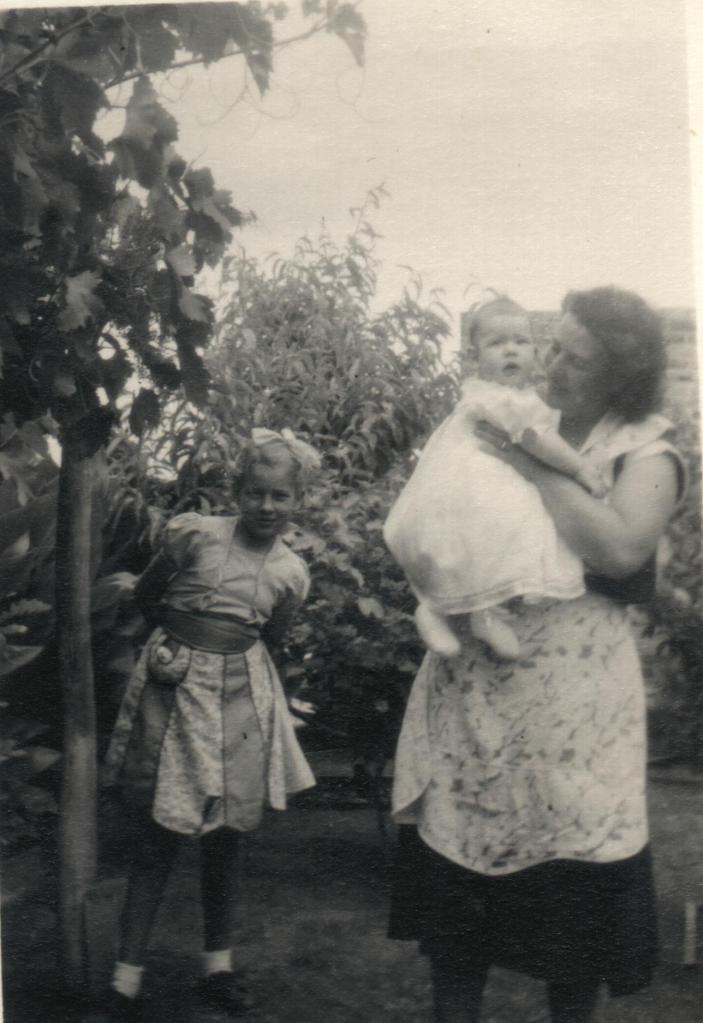
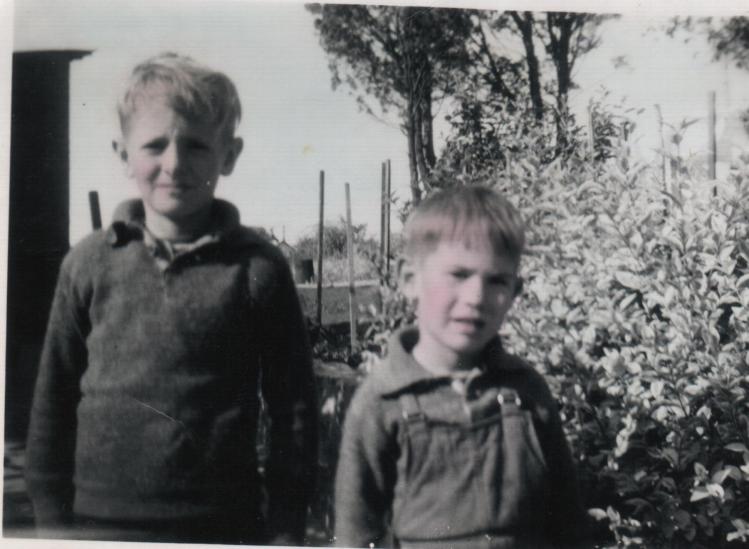
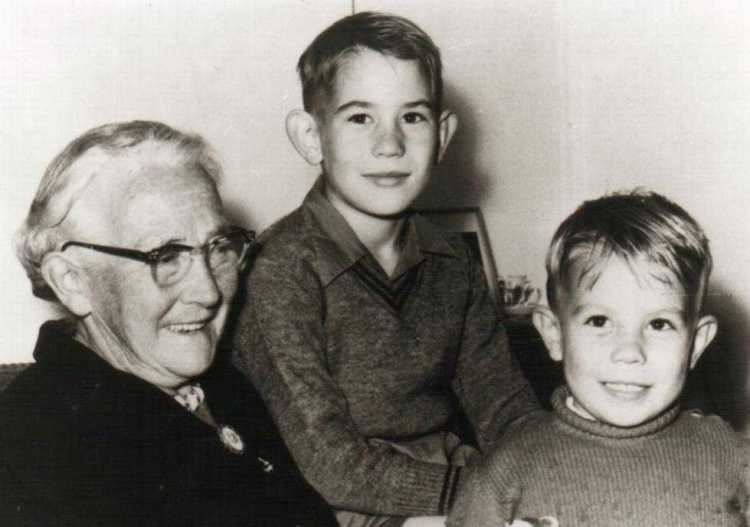
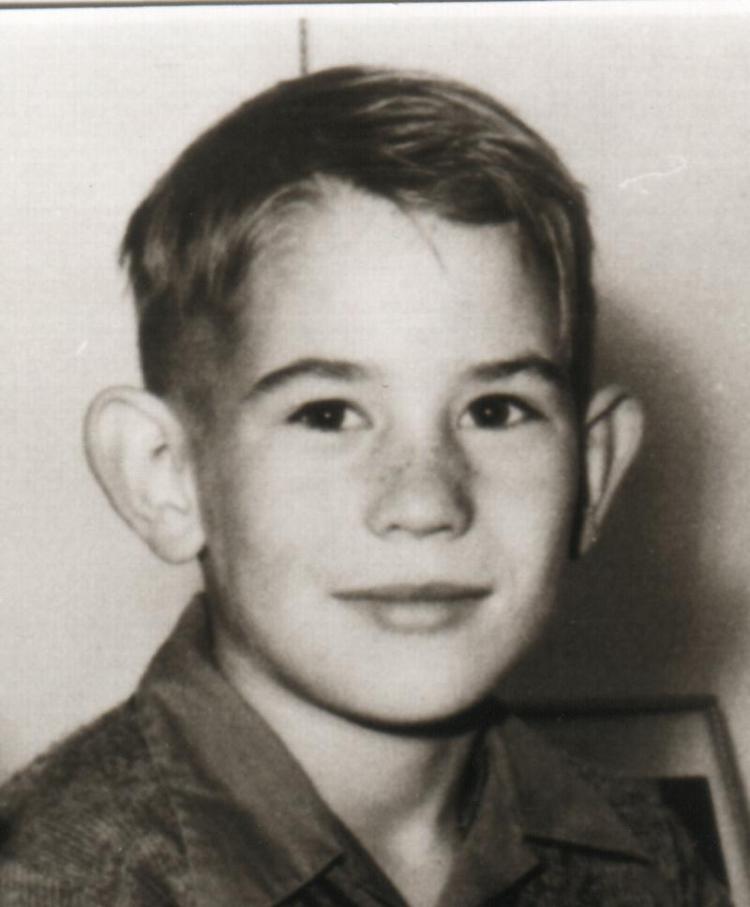
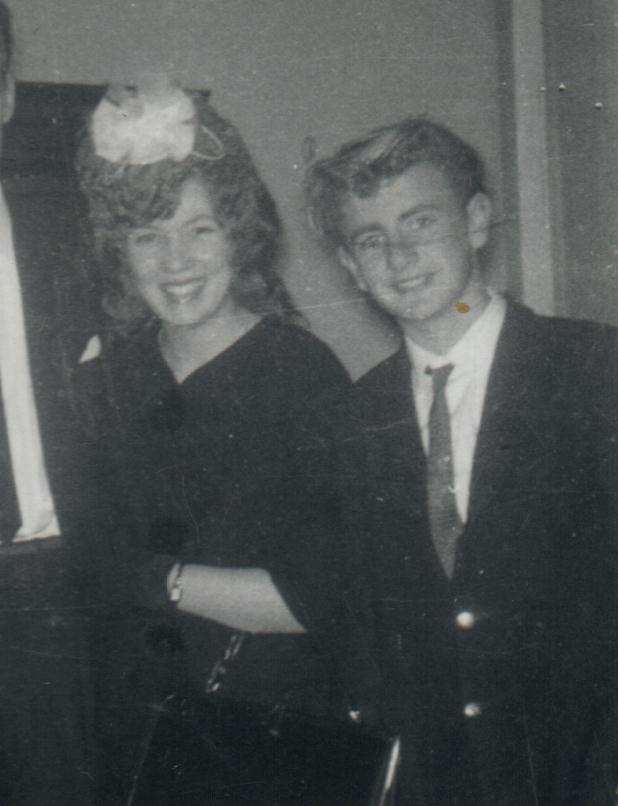
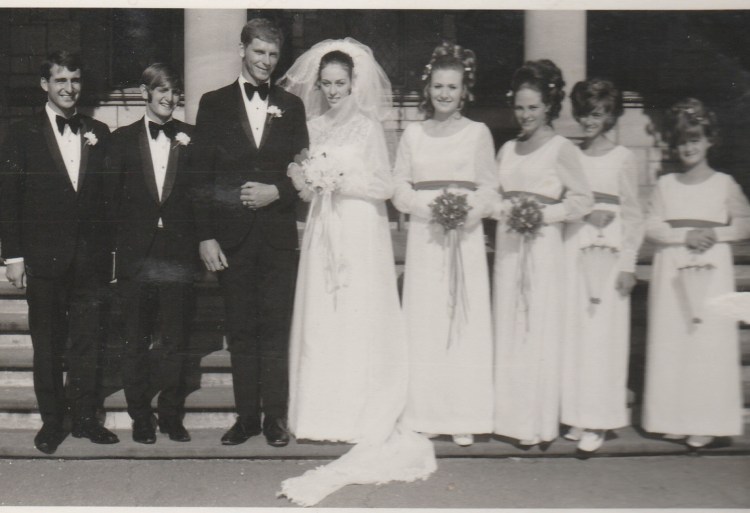
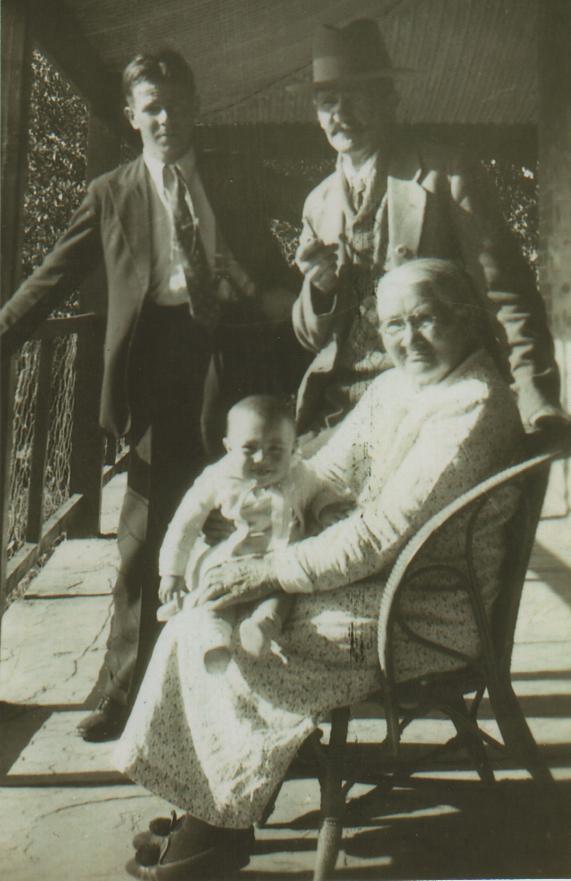
4 Generations.
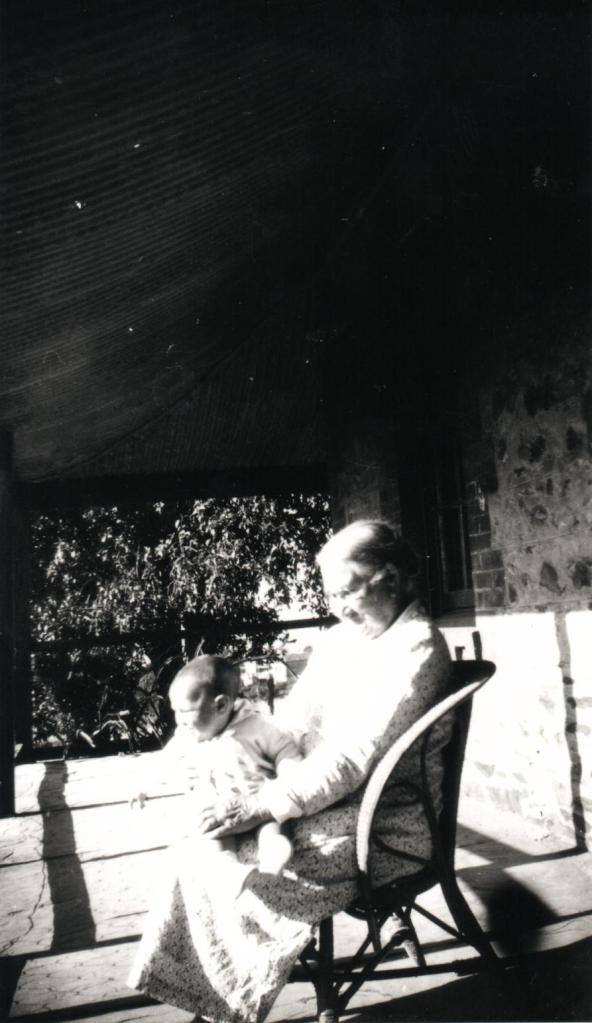
Churchett Family
The Churchett Family first appears at Houghton.
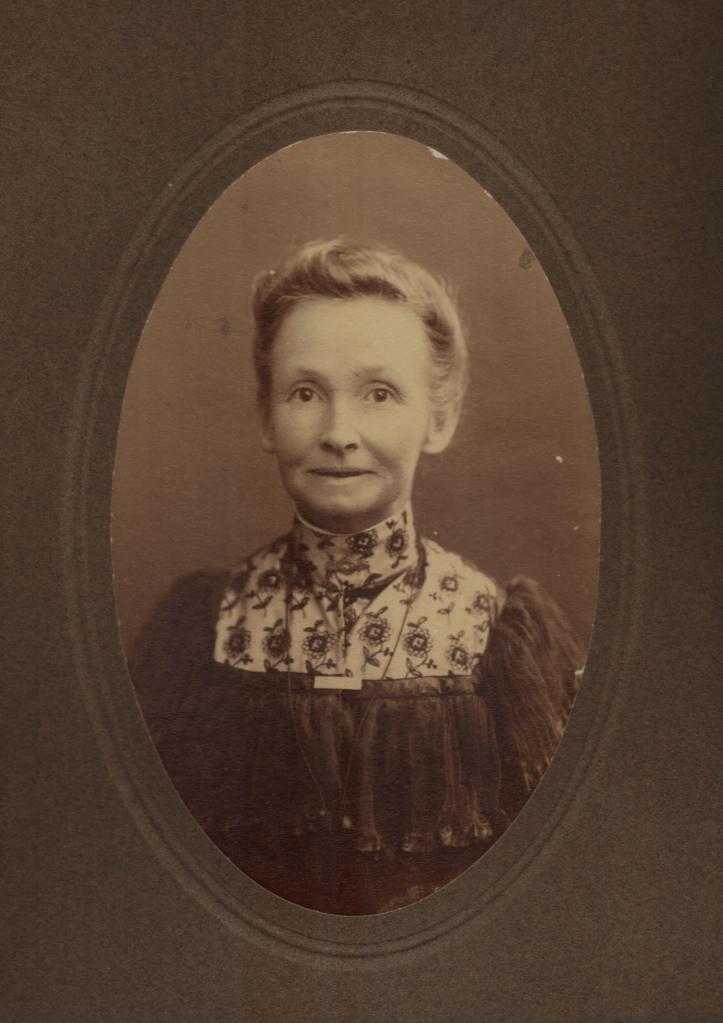
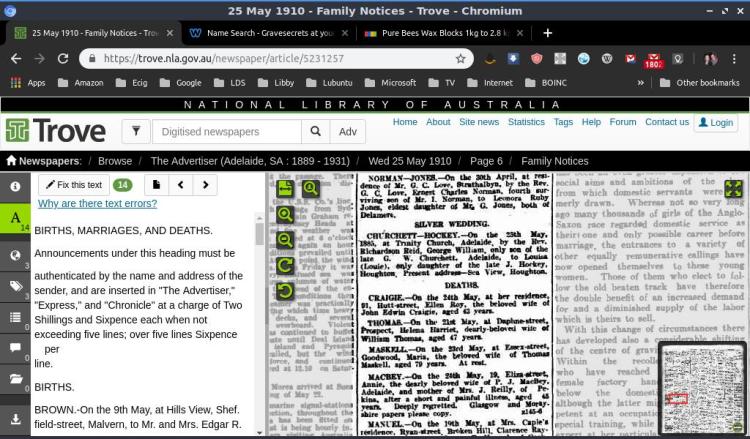
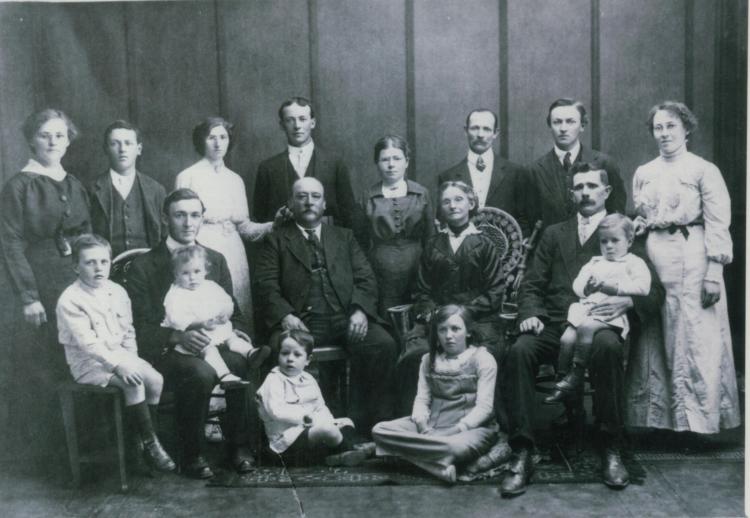
Apart from George William and Louisa, and Cecil and Lillian and Uncle Reg, I don’t know who is who, but
there was Uncle Ern and Auntie Alva. Uncle Cliff and Auntie Lavinia. Uncle Stan and Auntie Sis. Uncle Morrie and Auntie Lzzie. Uncle Ron and Auntie Brenda.
They looked a lot different when I knew them in the 1960’s
Okay process of deduction by checking birth dates etc. Not all Names seem to balance out.
Back Row Left to Right Auntie Alva, Uncle Ern, Aunt Lavinia, Uncle Cliff, Aunt Elizabeth, Uncle Morrie, Uncle Lance, Nanna Phillips.
Front Row 3 kids unknown, Uncle Stan, G.W. Churchett, Lizie Churchett, Cecil James Phillips (Pop), Uncle Reg sitting on his Lap
Front sitting on floor next to Cecil, Ethel Ariel May Elliot Auntie Sis (nee Churchett).
Thirteen of these Ancestors are buried at Houghton.
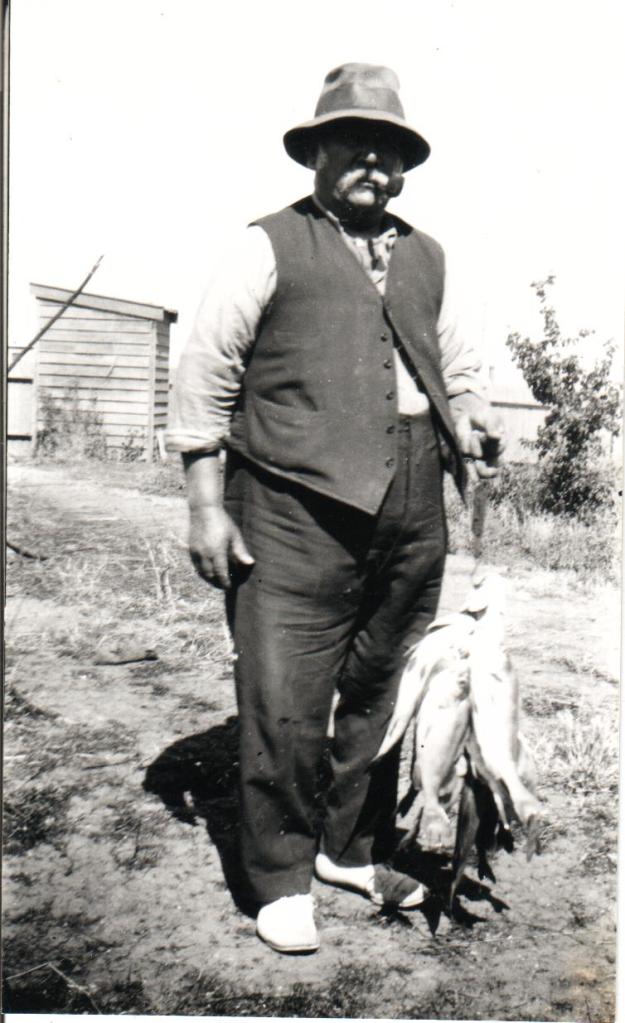
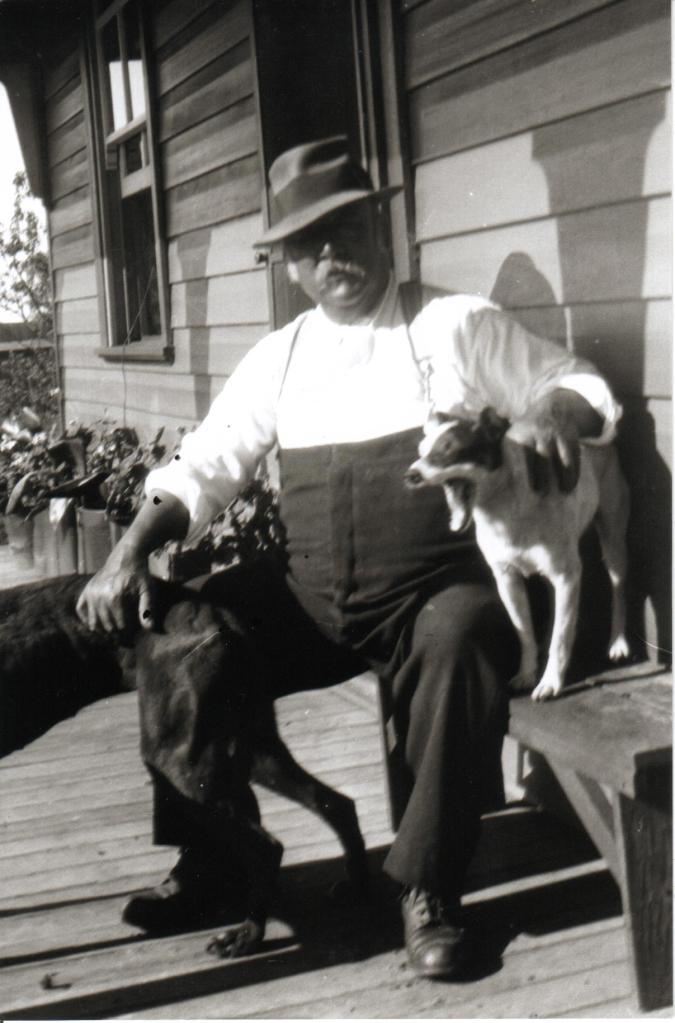
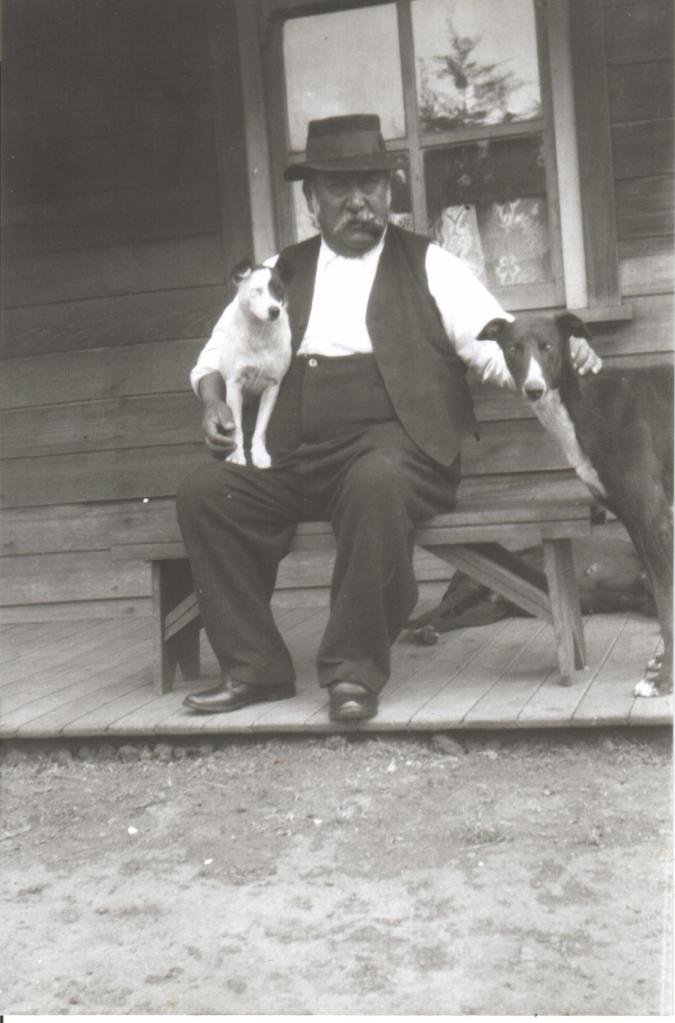
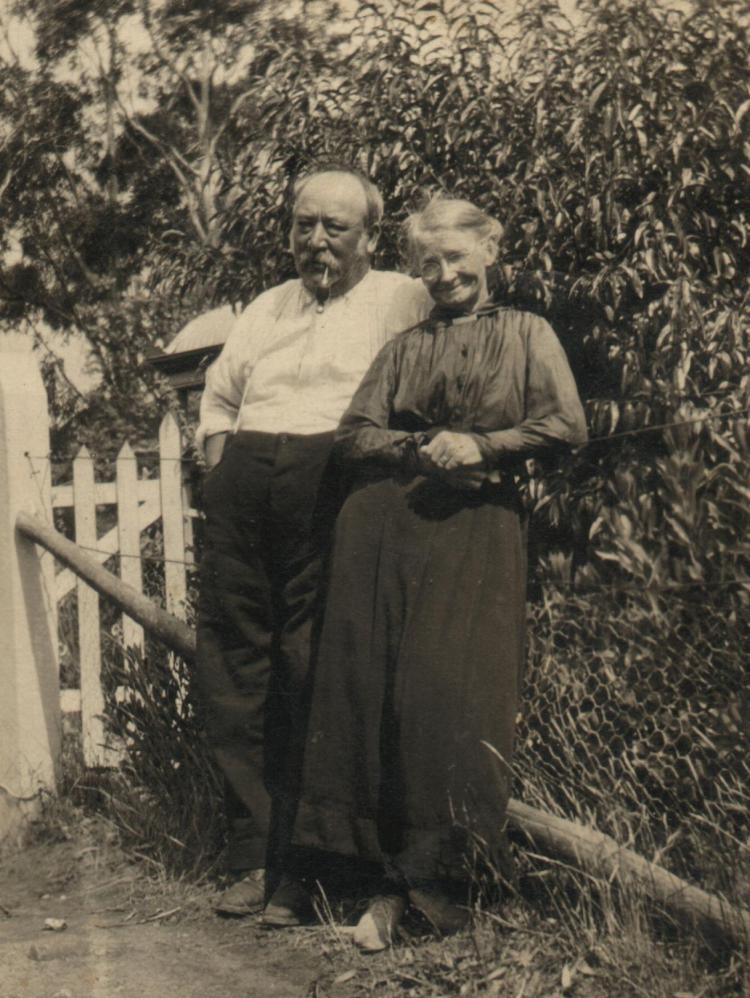
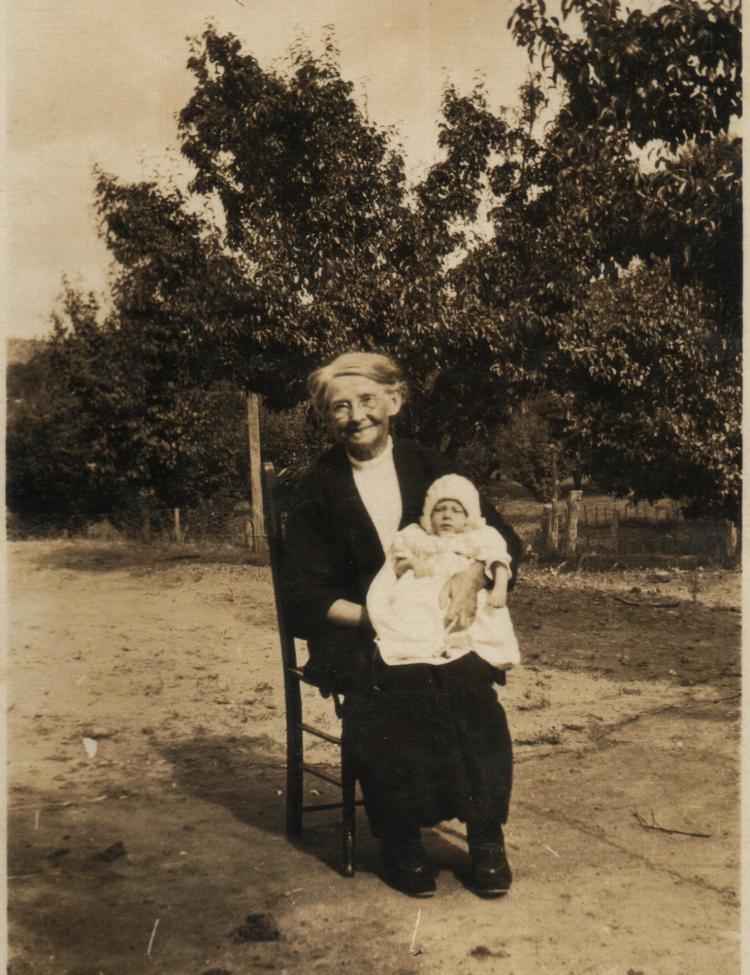
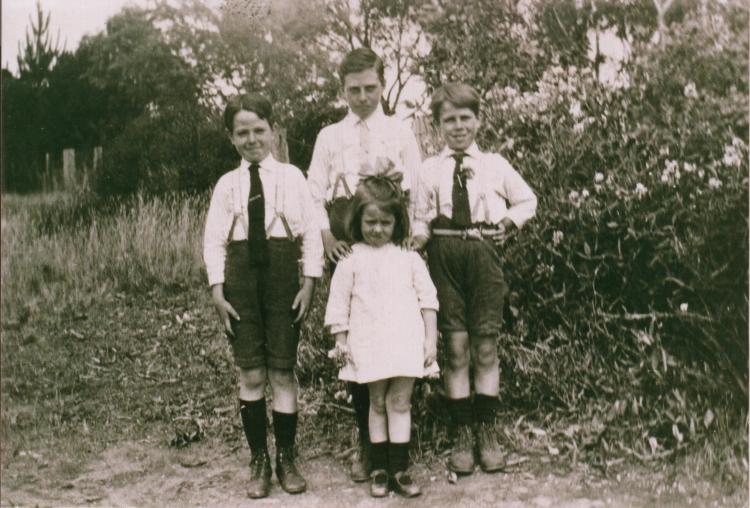
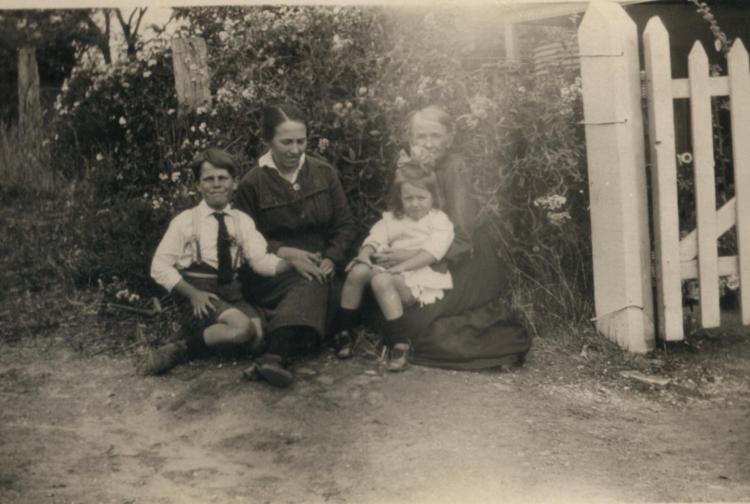
In 1964 I can remember parking our car here and walking down Newmans Track to the old Nursery, to pick flowers for Kayes wedding.
In those days the top section of the track was ok but it got pretty rough further down. The old Nursery itself, in ruins was quite fascinating for a young boy, it is now a National Park with walking trails.
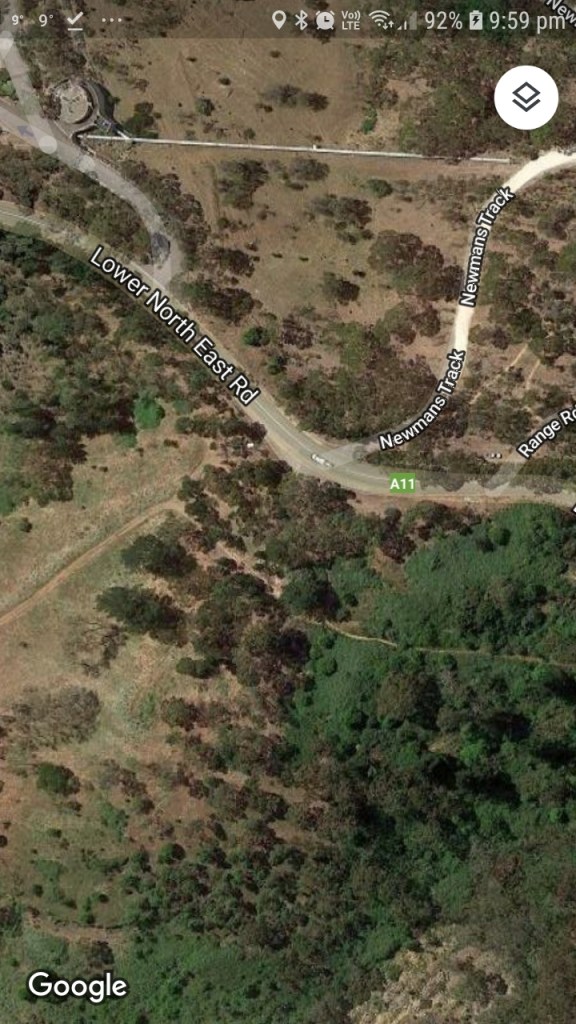
The Churchett family owned land all the way to the top of Anstey hill and also along the ridge line, the road currently bears thier name being called Churchett Road.
As a child I can remember visiting some of them especially Uncle Morrie (Maurice Churchett).
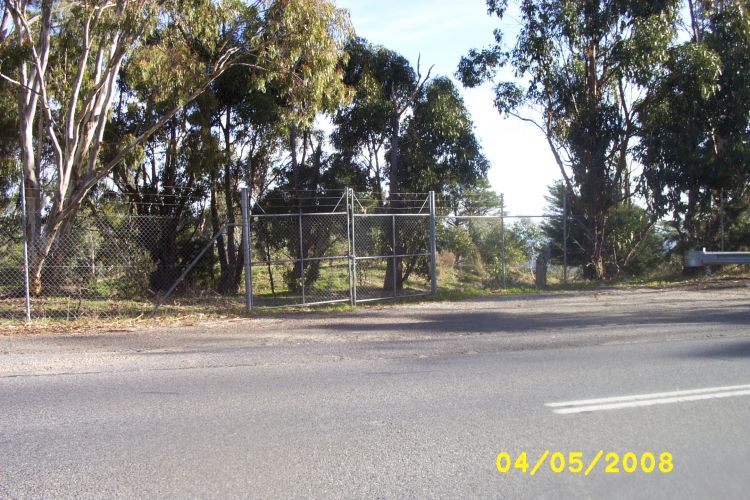
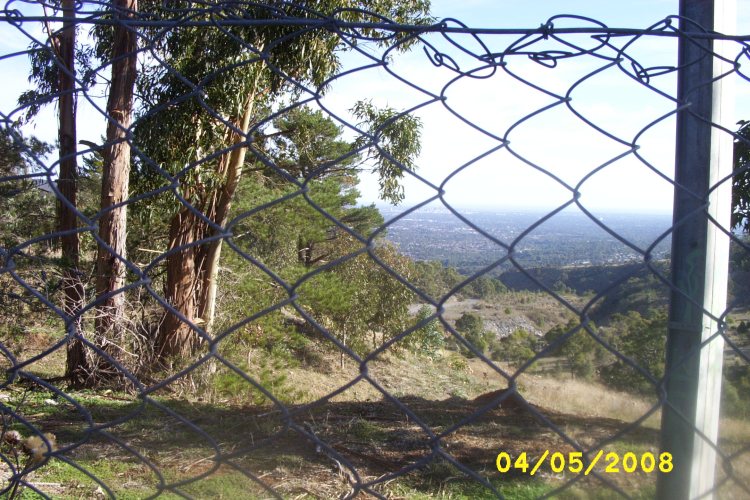
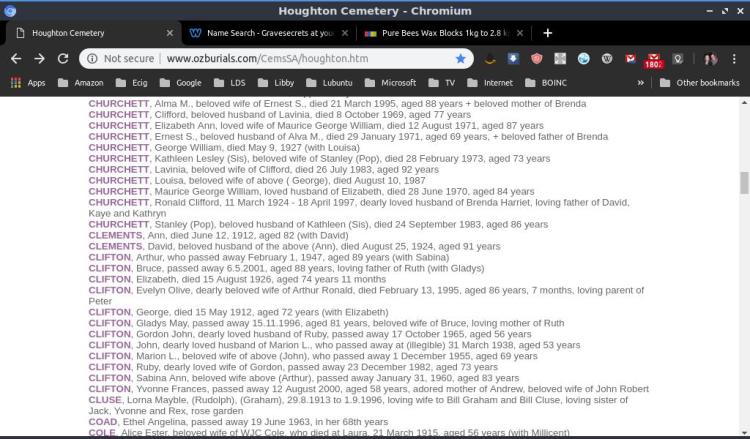
almost all (exept Aunty Lorna) of their children (Eleanor Adams’s Siblings) are also here, As well as Rick (Eric James) Adams.
It says George William Churchett died in 1927 by my records he died in 1937.
It says Louisa died in 1987 THIS IS INCORRECT she died in 1937. Have been in touch with the Webmaster for this site and they have corrected the information.
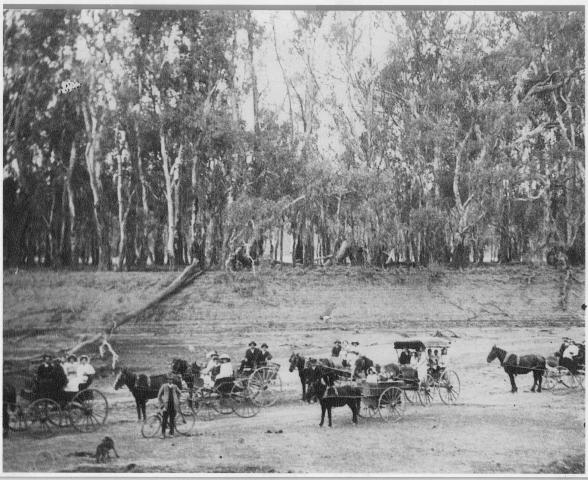
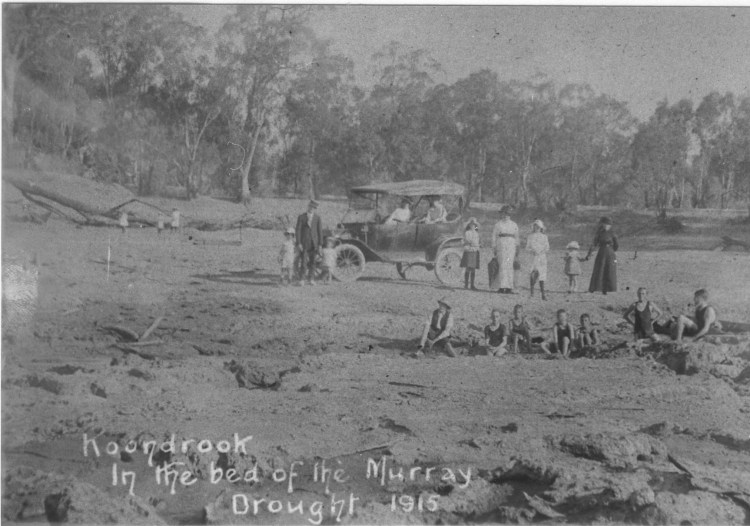
Warner Family
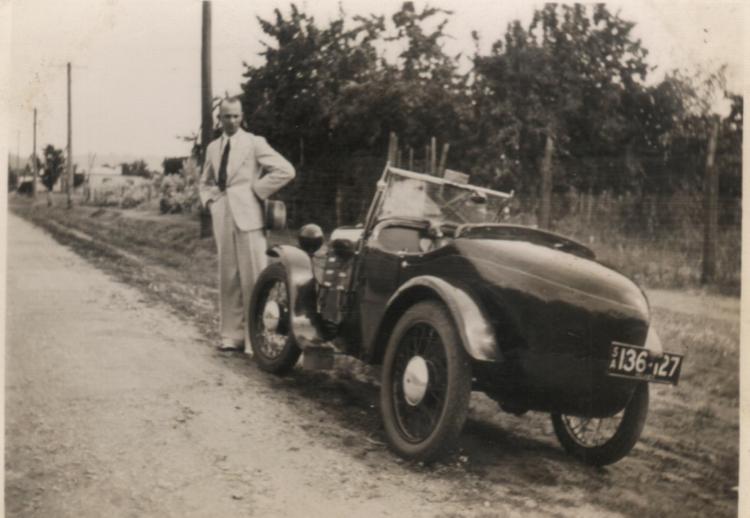
Uncle Jack worked in the wine idustry his entire life except during the Second World War, when he was stationed in Darwin, during the bombing attacks by the Japanese, and was involved in repairing wharves etc. whilst stationed there he took quite a few photographs of the damages and repair efforts (from his story, it was technically illegal to take the photos) which he smuggled home to Aunty Lorna by carving an ornament from a piece of wood, hollowing it out with a secret compartment placing the rolls of film inside, and posting it, many years later he donated them to the National War Memorial Museum in Canberra, as they had very few photos of the time.
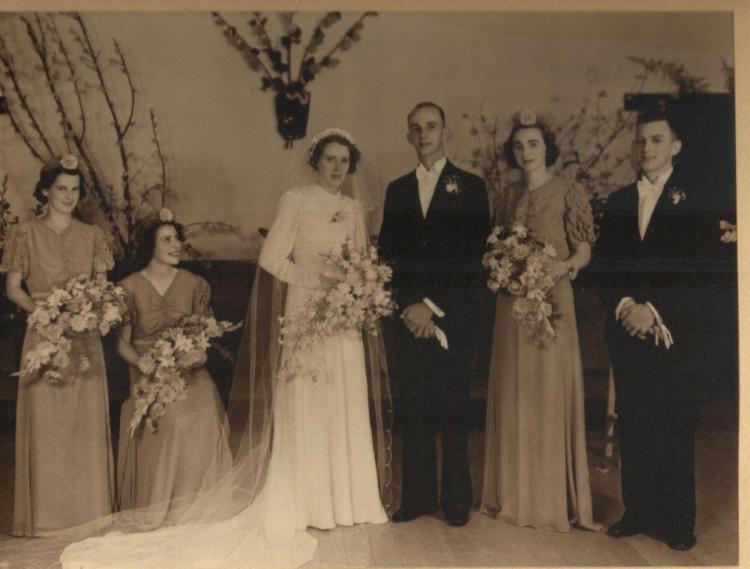
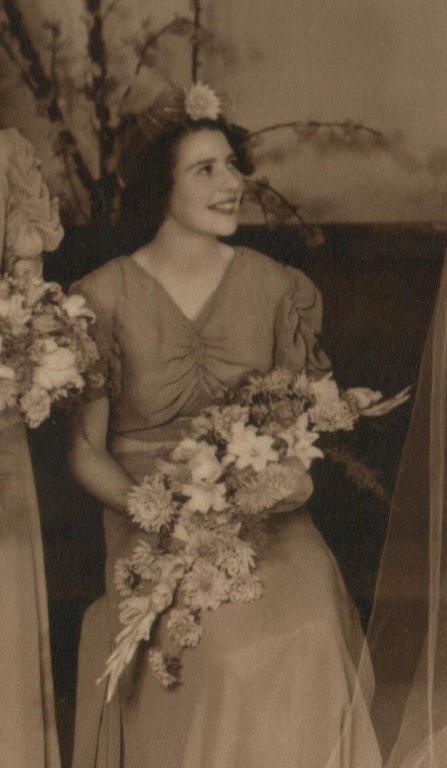
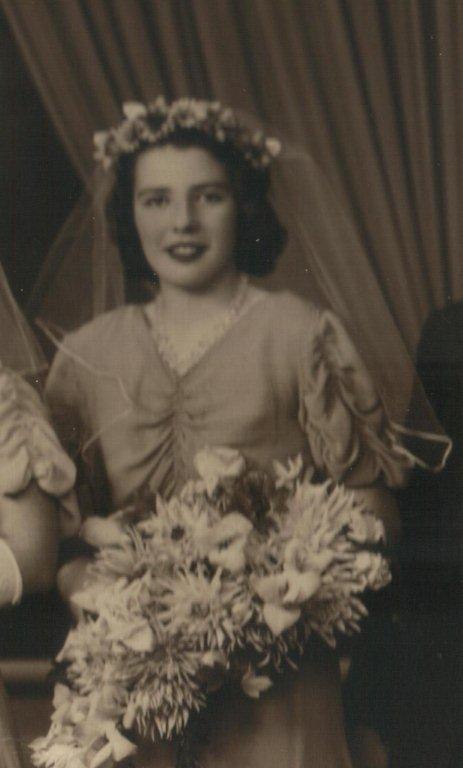
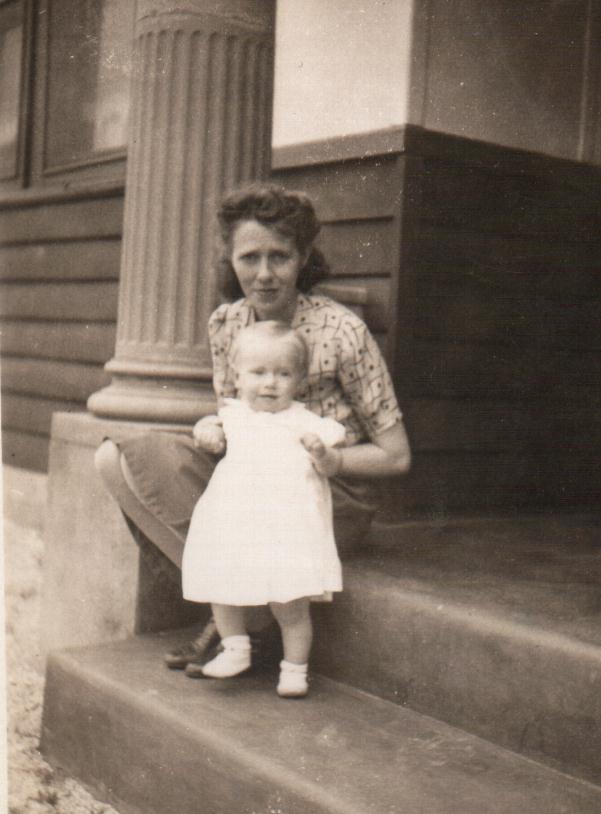
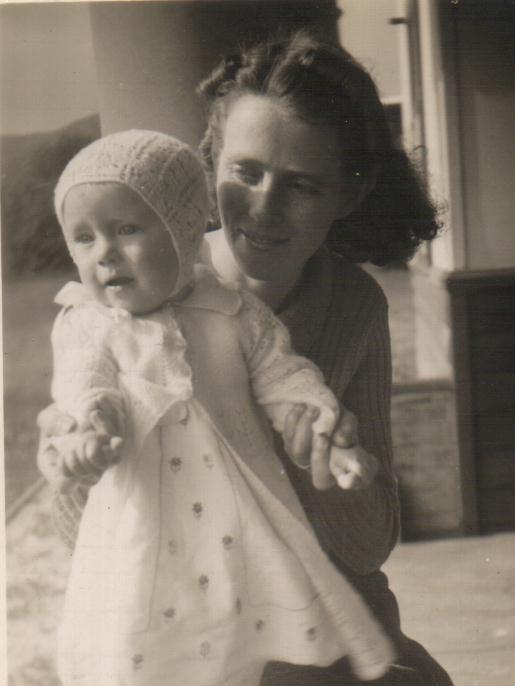
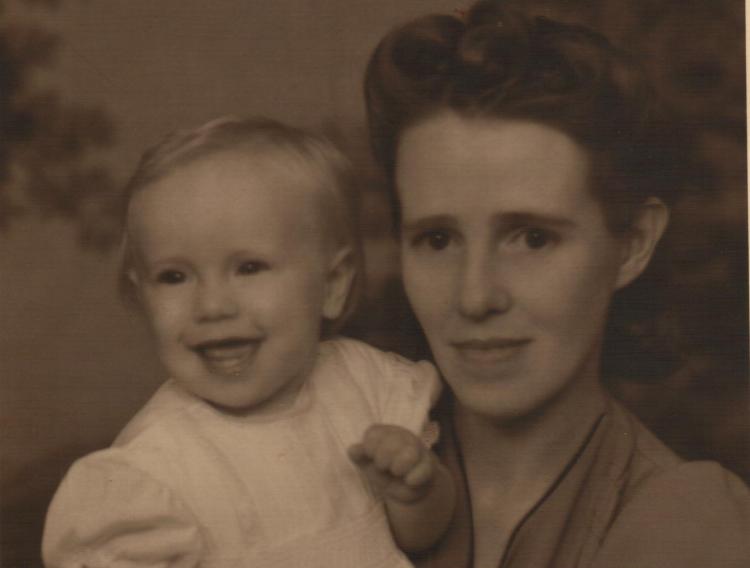
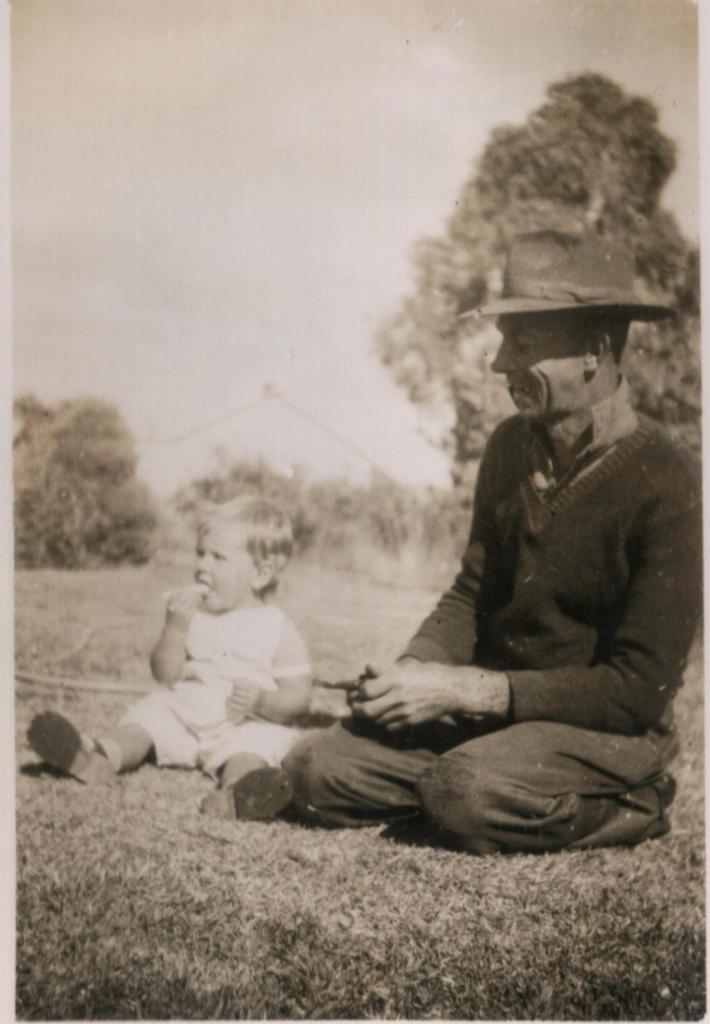
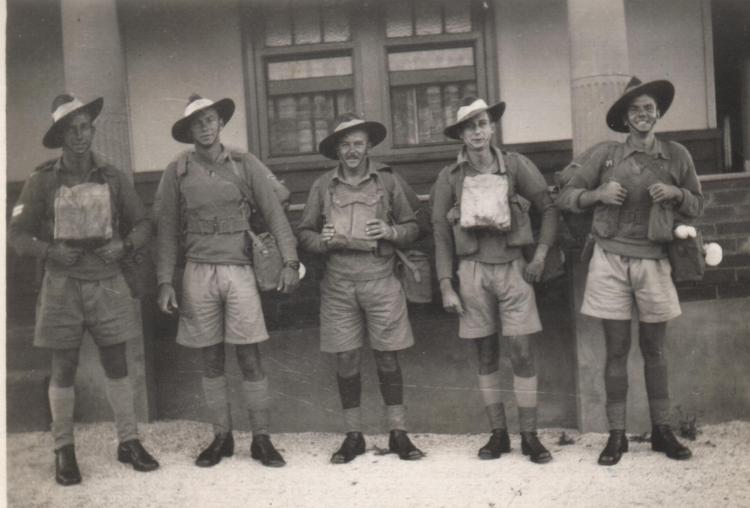
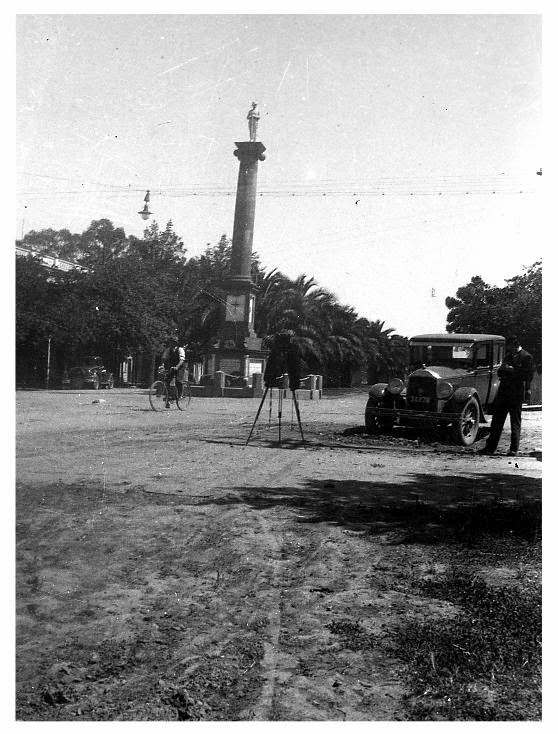
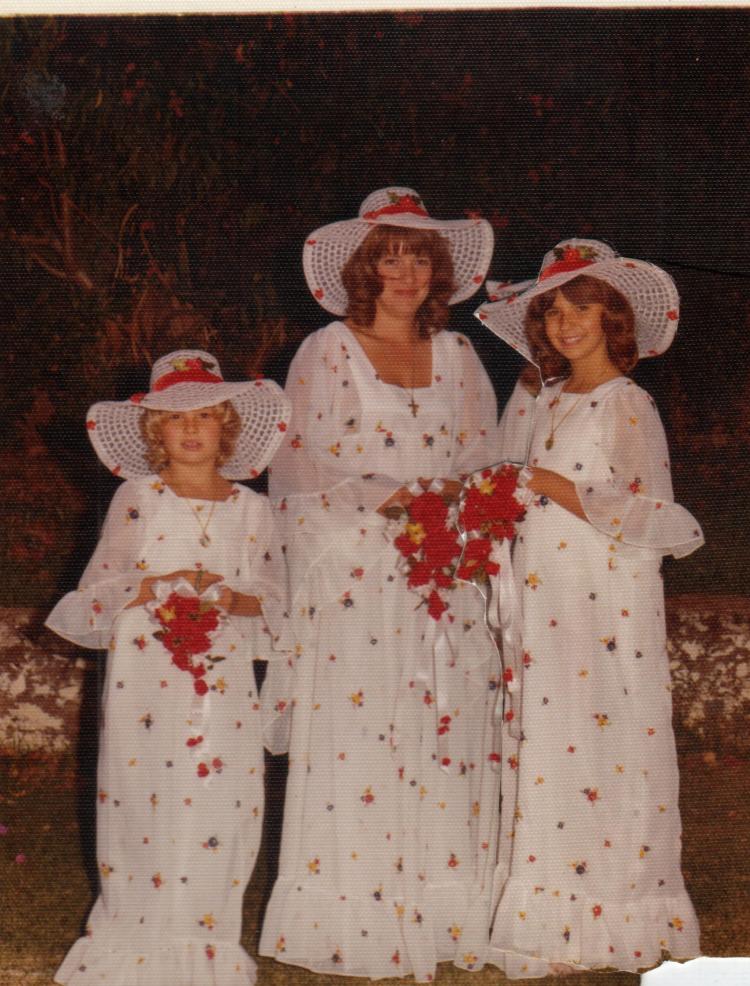
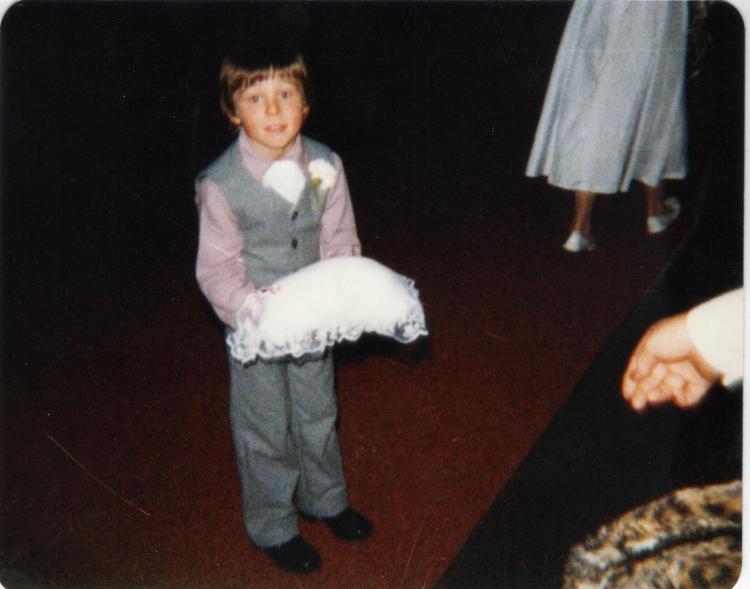
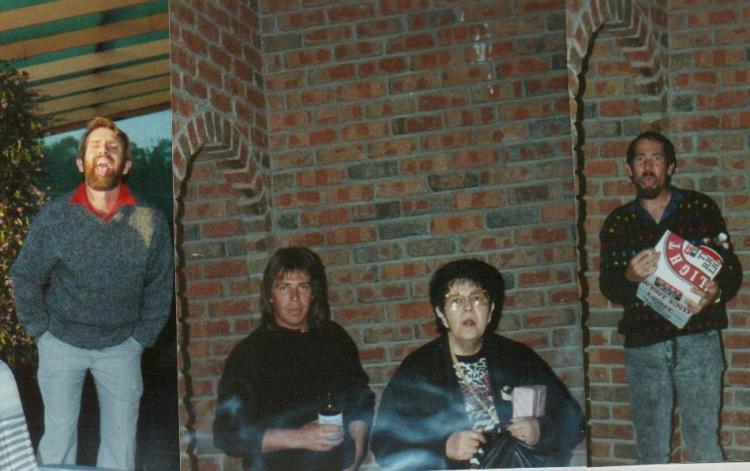
Adams Family
The Adams Family first settled at Kanmantoo, before moving to Adelaide, then settling around the Magill and Norwood areas, before Tea Tree Gully.
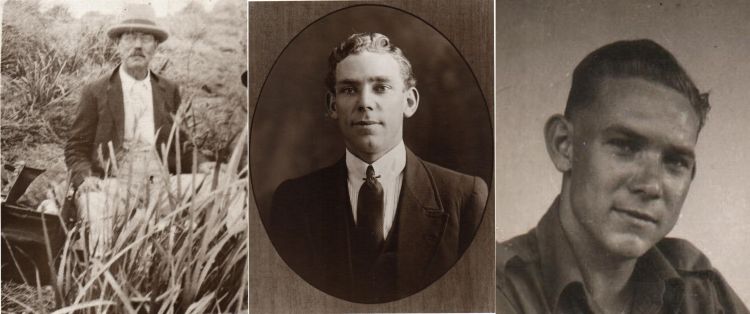
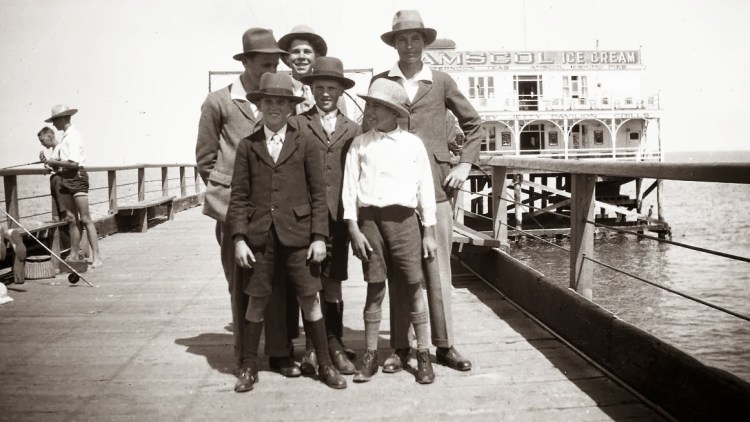
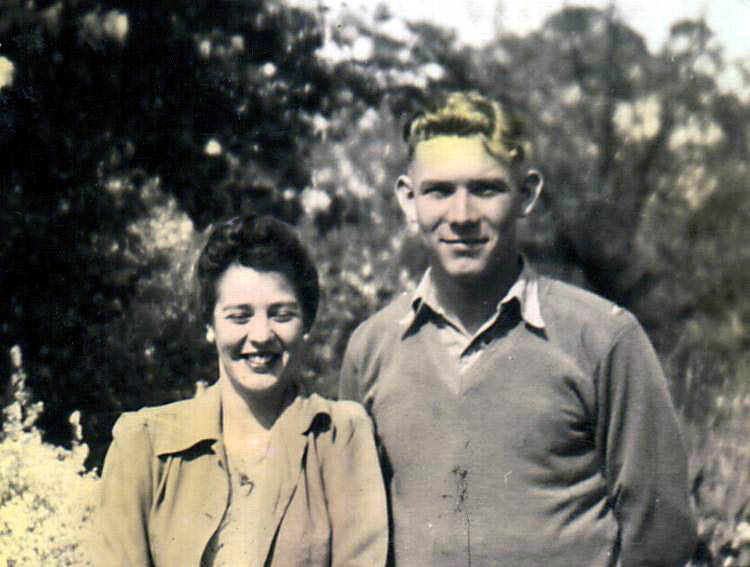
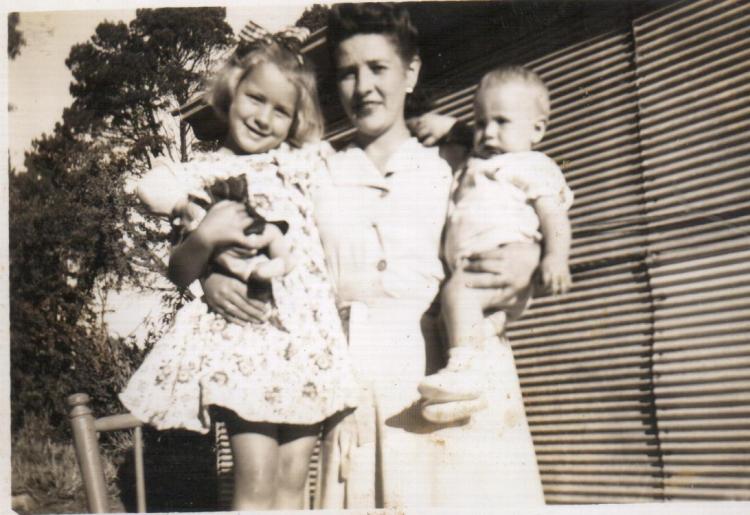
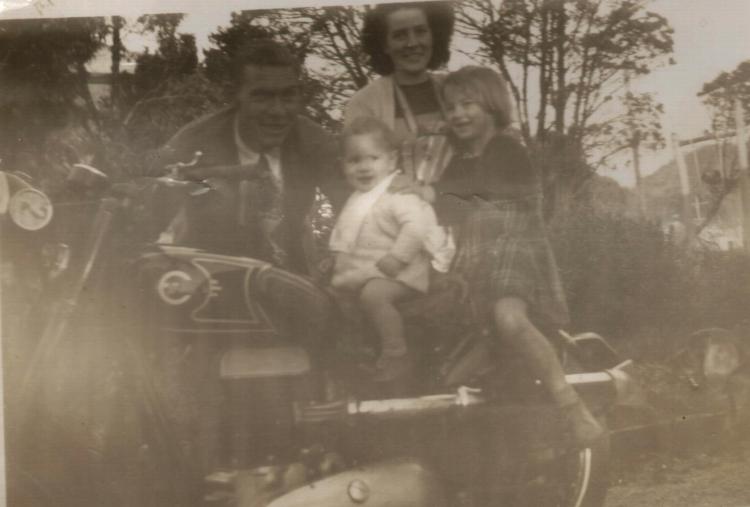
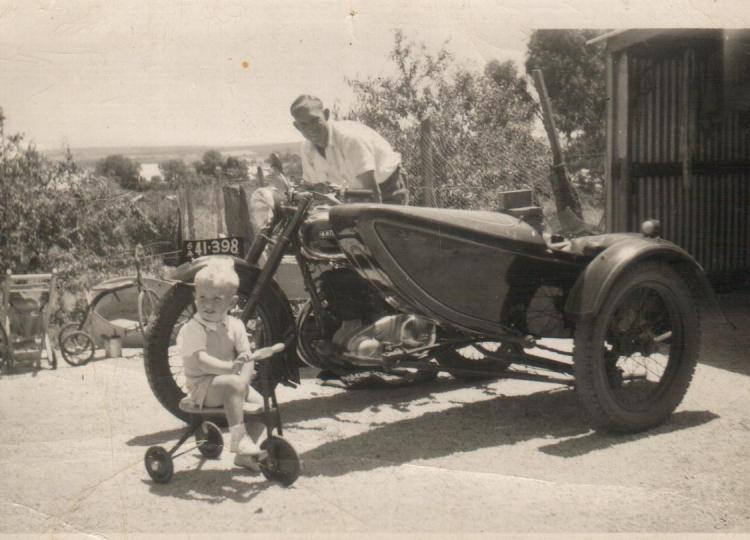
Mick loved his motor-bike and side car, (Ariel Motor-Bike and Dusting Side-Car), didn’t get his first car until John came along as it was just too crowded in the side-car, I can remember going to the pictures in the side car and when we came out some-one had stolen the head-light, we got a Police escort all the way home.
I remember a story Mick told of going to visit one of his brothers, he went into a slide on a lose gravel road and clipped a post with his Knee, he said his leg swung round and his foot hit the back of his head, luckily he was almost there, but it was almost a week before he could ride home again.
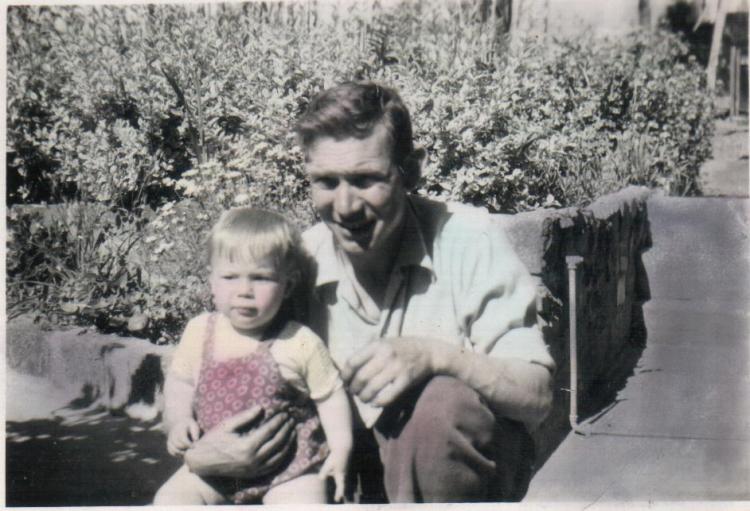
Yes thats what we had a bucket toilet, and in the bathroom, NO shower just a bath, for hot water we had a Torrens Chip Heater, we just crumpled up some old newspaper and lit it, hey presto hot water, in the laundry no washing machine just a copper, which was a large copper bowl that you lit a fire under and stirred all the washing with a wooden paddle, when Kaye started work she bought Mum her first washing machine, when Rick became a plumber, he installed our first indoor, plumbed toilet and shower and electric hot water service, in the early 1970’s
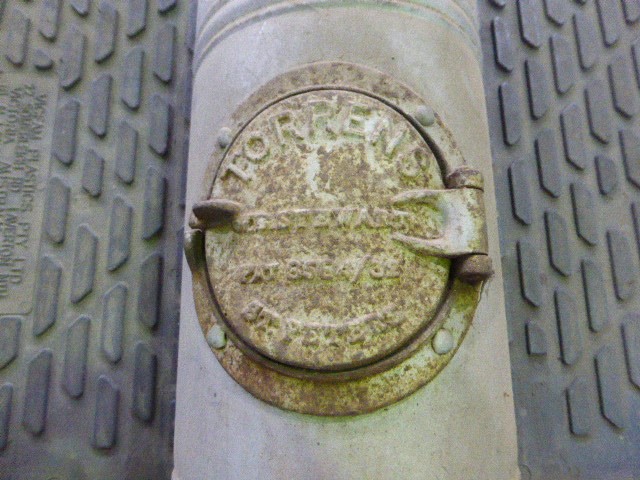
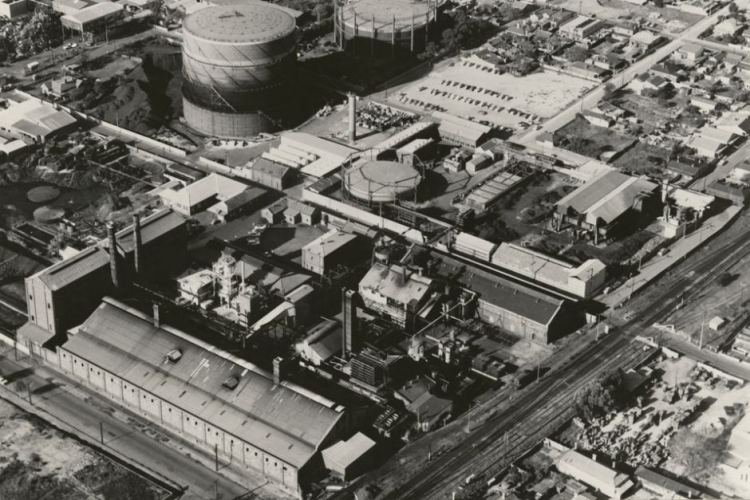
I also can remember Mick taking leave once a year to also work for ICI to do their kilns as well and getting thousands of pounds for a few weeks work.
A couple of other memories to do with his time at SAGASCO, are we were never short on coke for our fire-place, coke is what is left after heating coal, which is how they got their gas, The coke residue still burns EXTREMELY well, giving off heaps of heat EVEN when the coke is soaking wet when put on the fire, we all seem to have soft drink in the fridge these days, but back then, Mick would bring home ONE wooden crate of COTTEES soft drinks ONCE a year and leave them in the fireplace to keep cool for Christmas, they got in a special lot each year at SAGASCO for the workers, my favourites were PASSIONA and LIME.
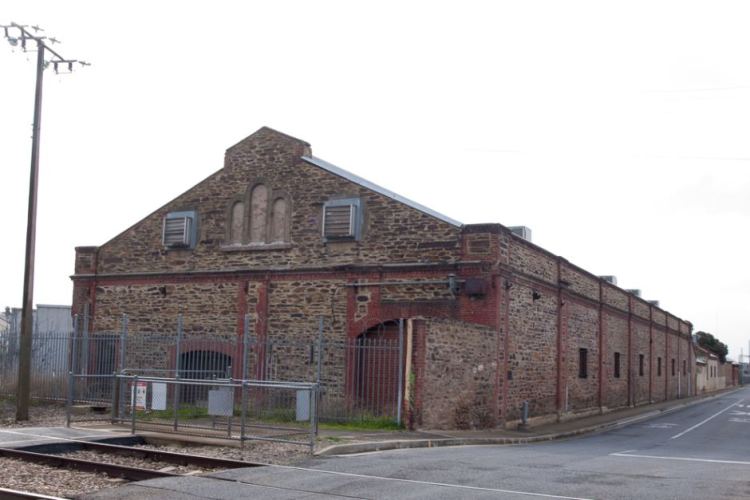
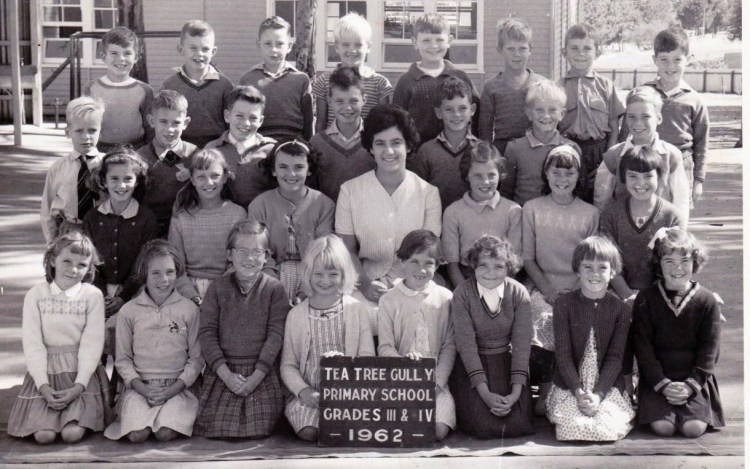
I remember Mum giving this teacher “A Piece of Her Mind” the teacher gave me the Cane across the back of my legs, using a piece of quadrant, (the quarter round thats used to finish off around things) using one of the sharp edges and it cut my legs quite badly.
The block of Classrooms behind were new, this was the era when the population of Tea Tree Gully exploded, migrants from all over Europe, dominated by British , but there were Finns, Germans,Ukranians, Yugoslavians, allsorts, a lot could barely speak English, the School went from being a tiny little one to having HUNDREDS and more, they just kept adding rooms.
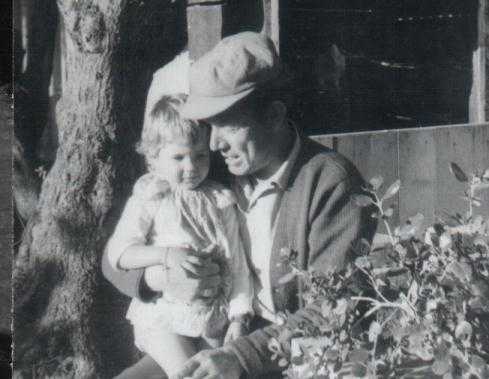
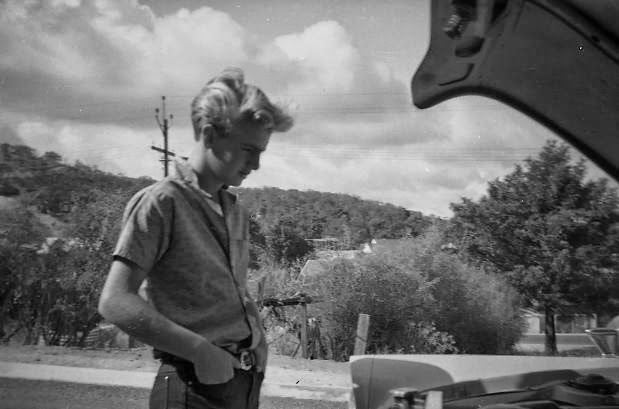
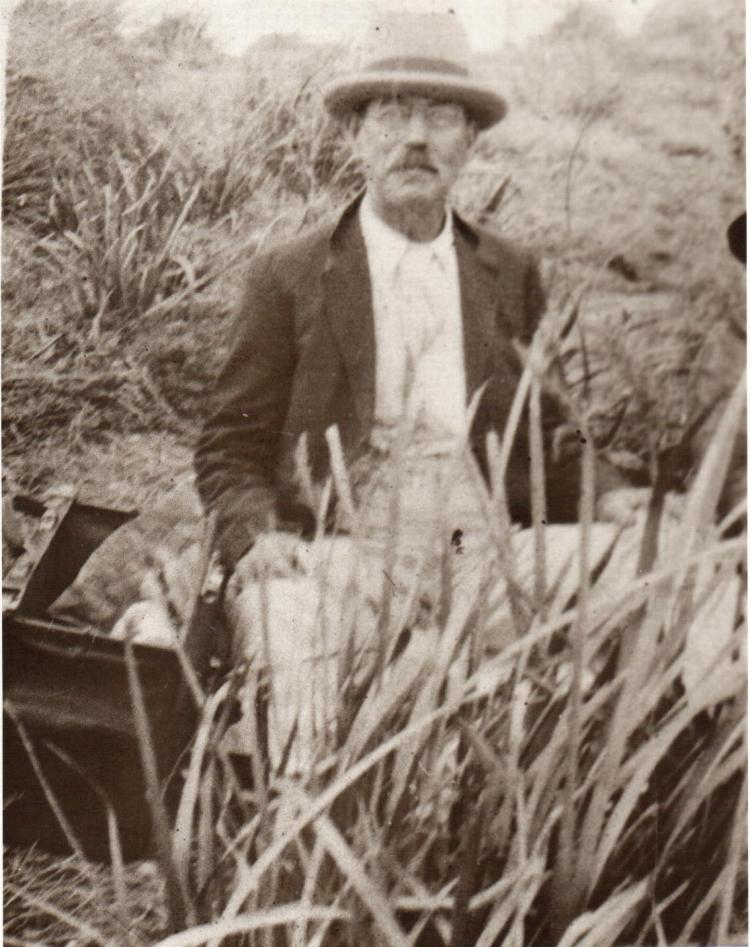
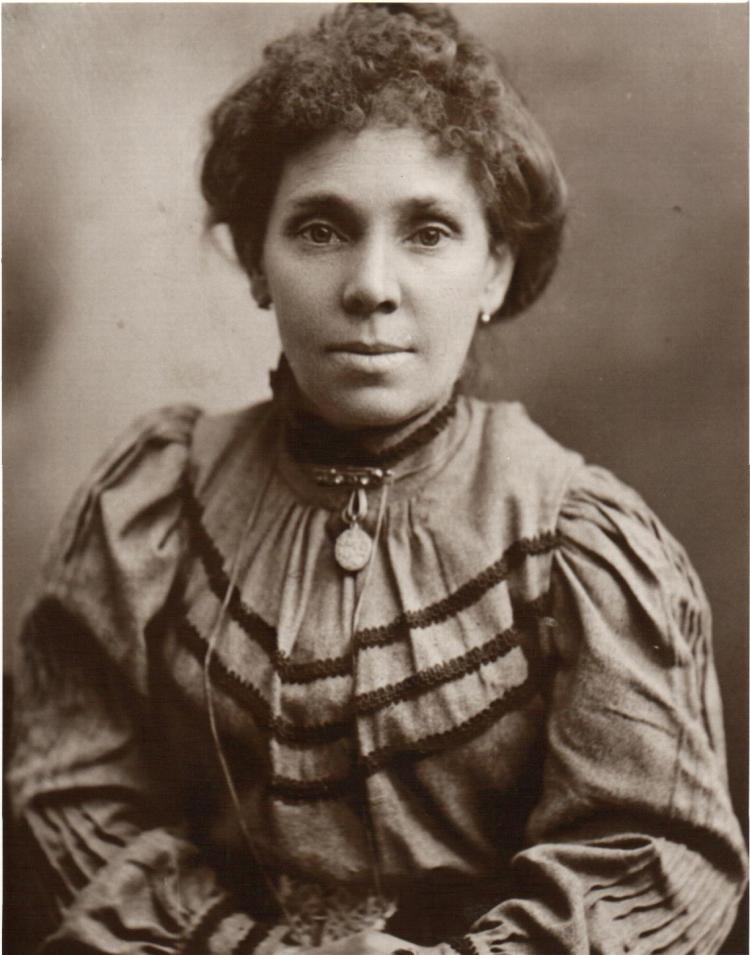
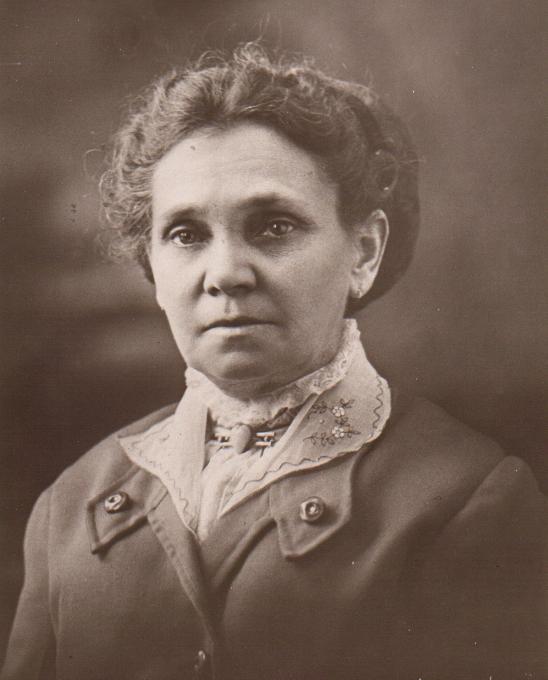
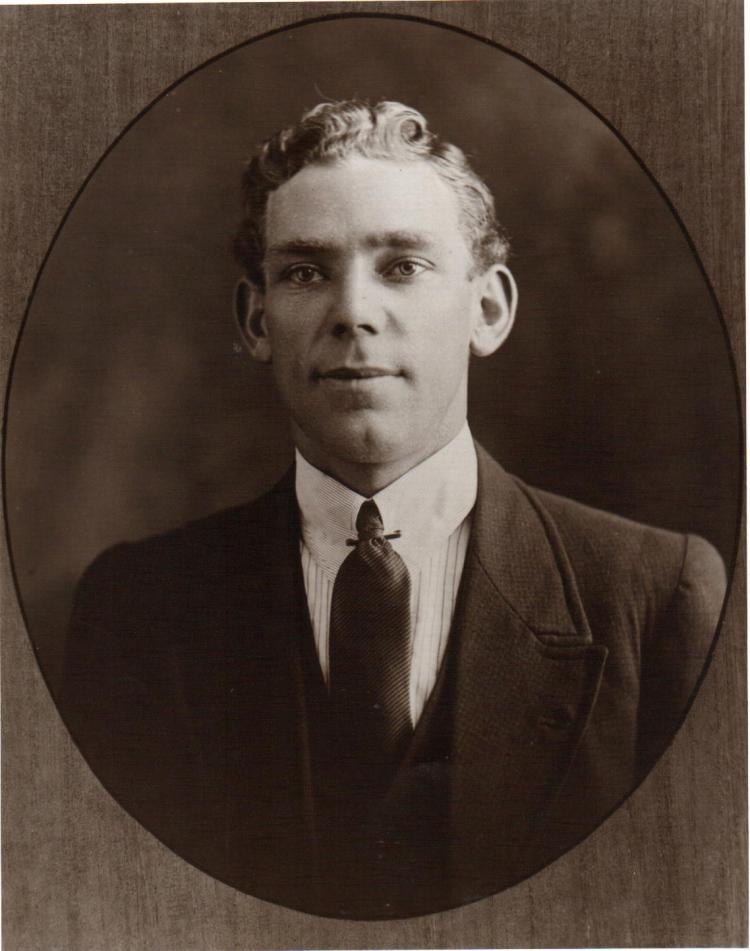
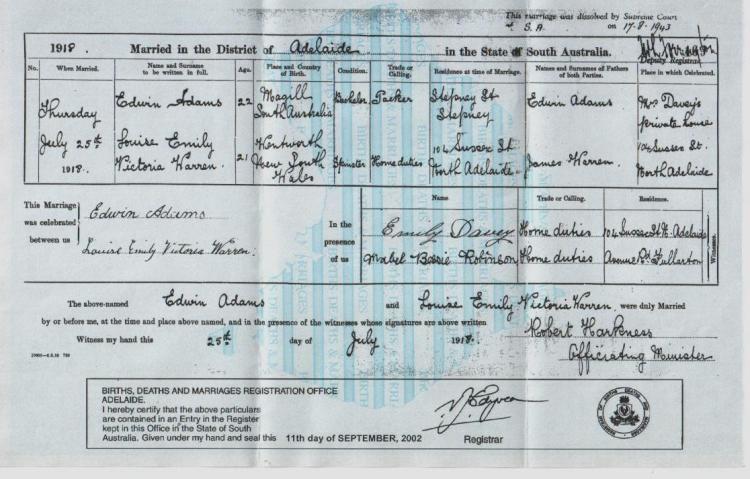
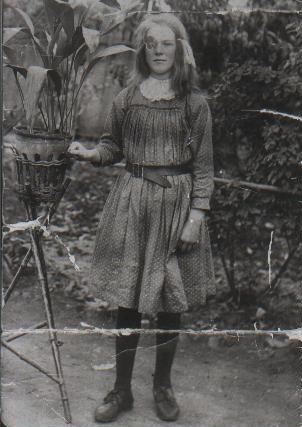
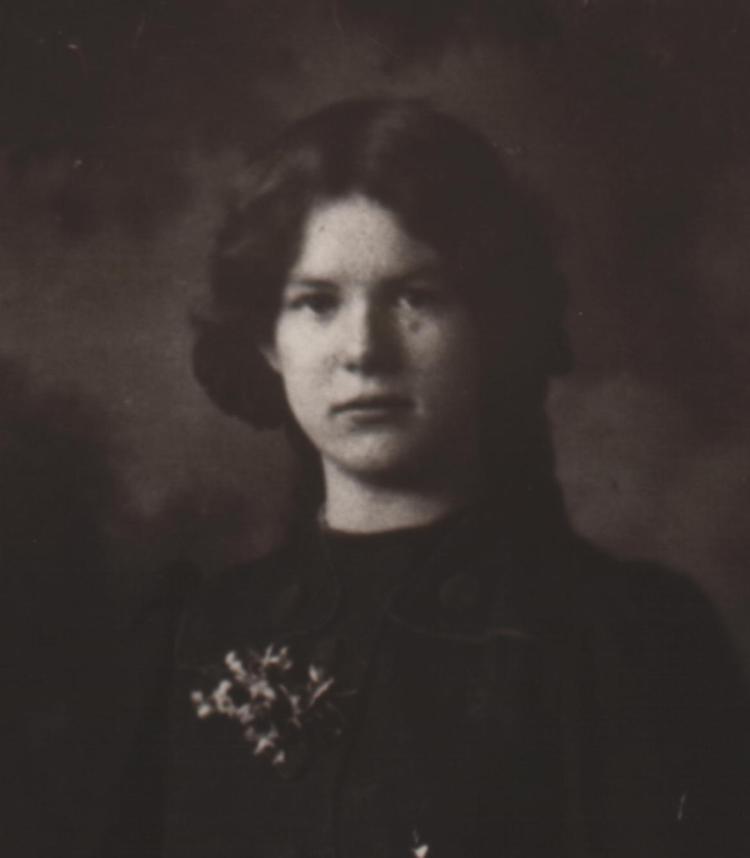
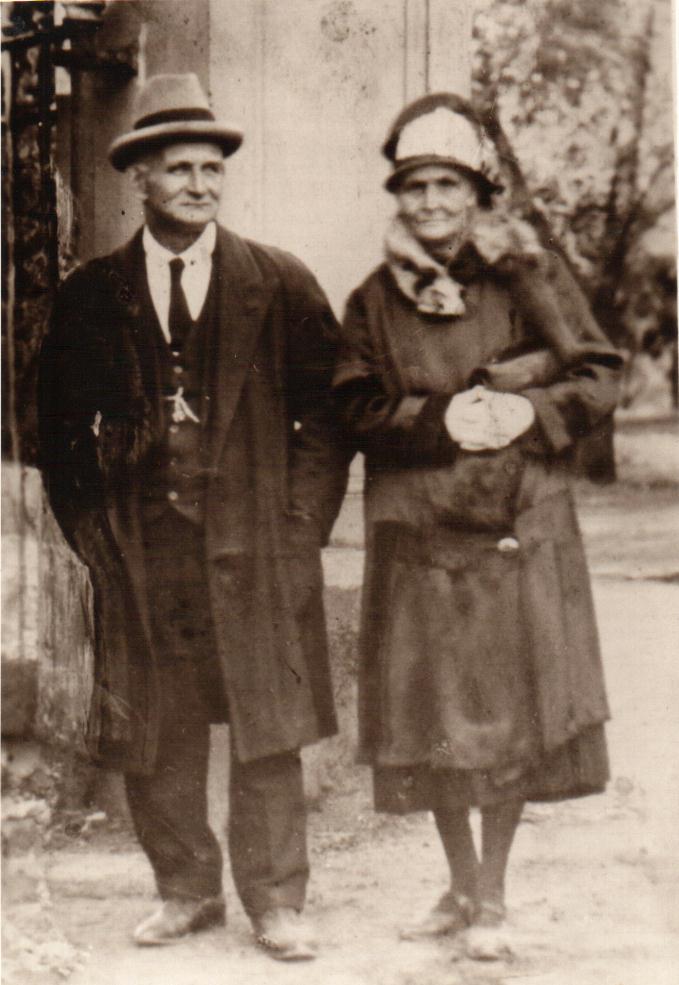
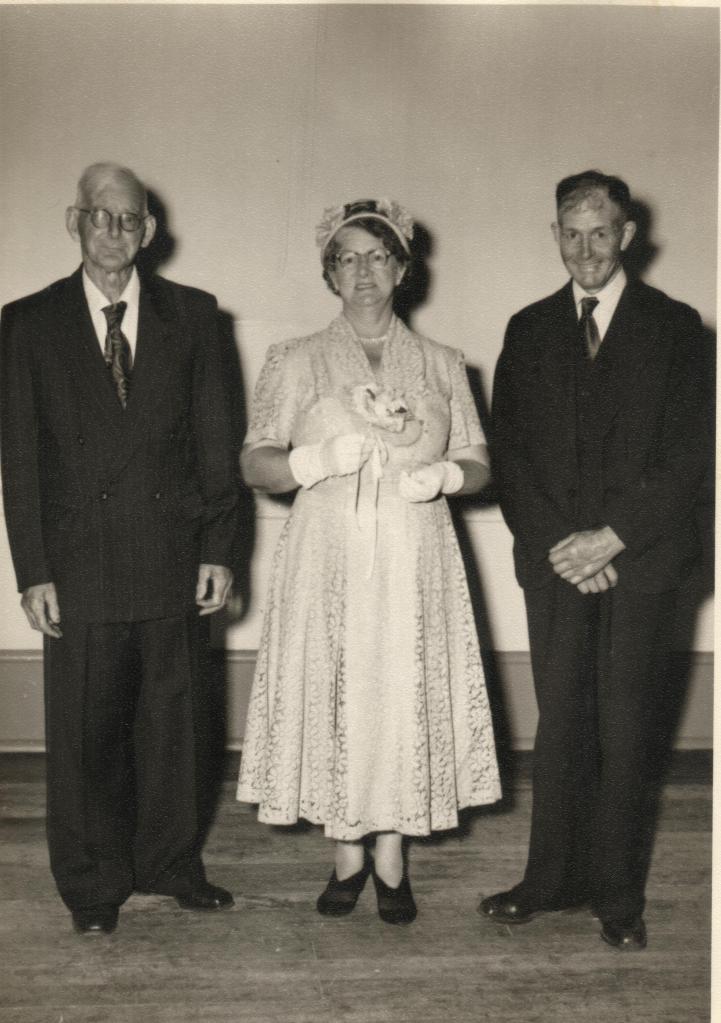
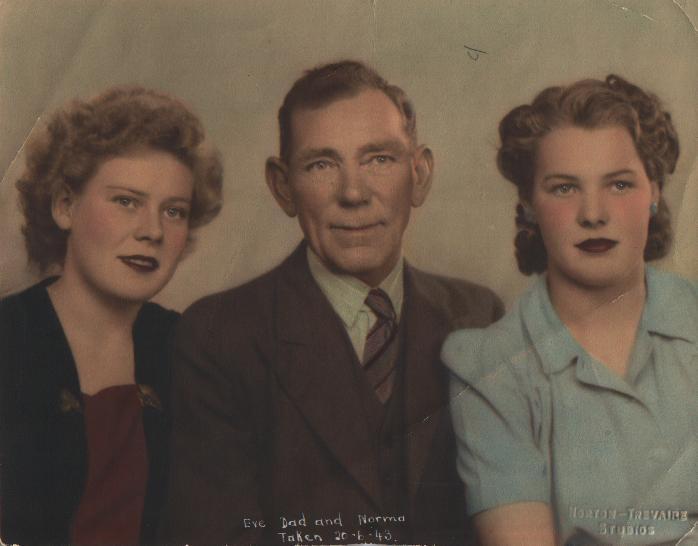
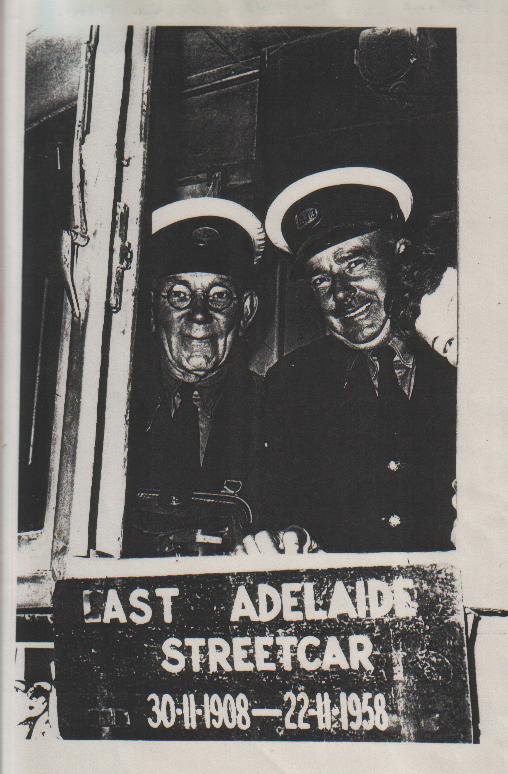
Pop on the last Tram, they shut them all except the Glenelg Tram, now they have started putting them back.
Government WISDOM?
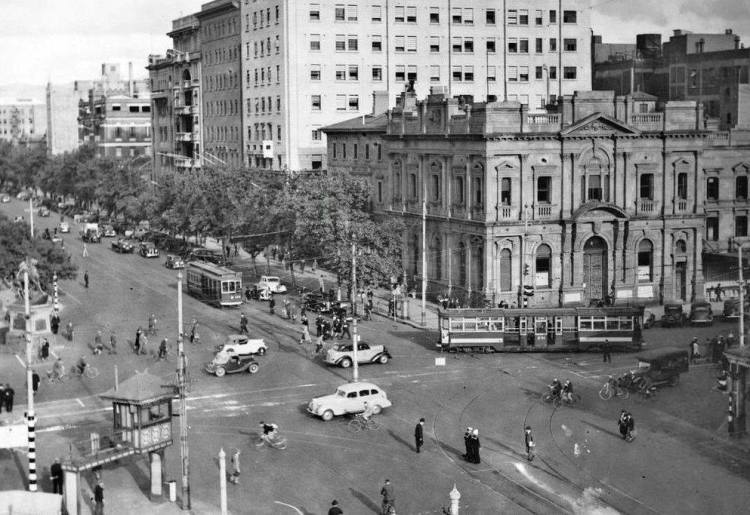
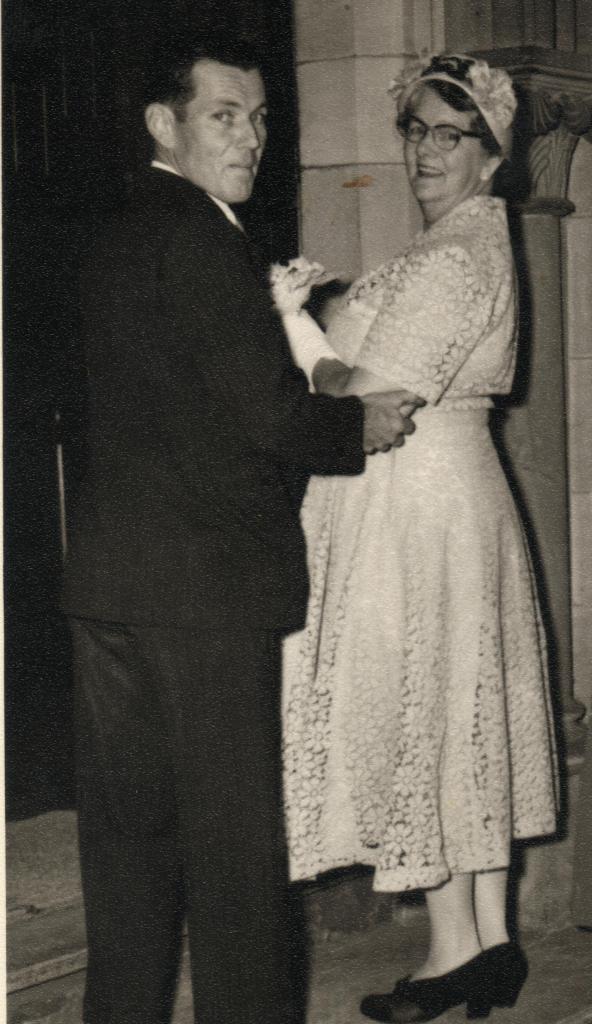
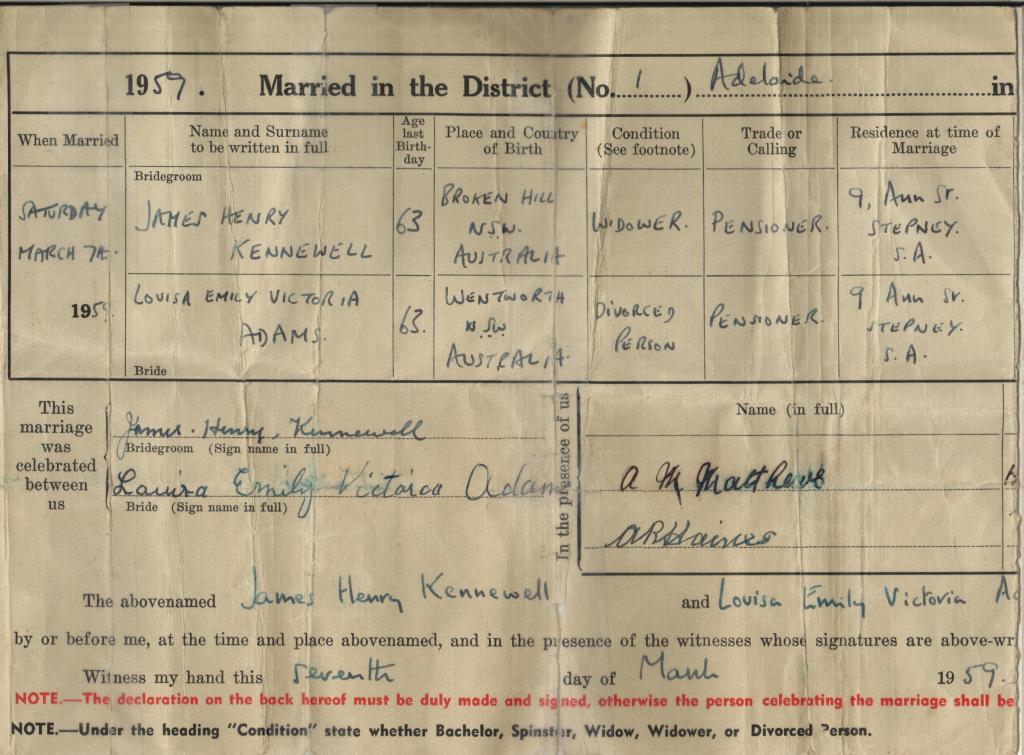
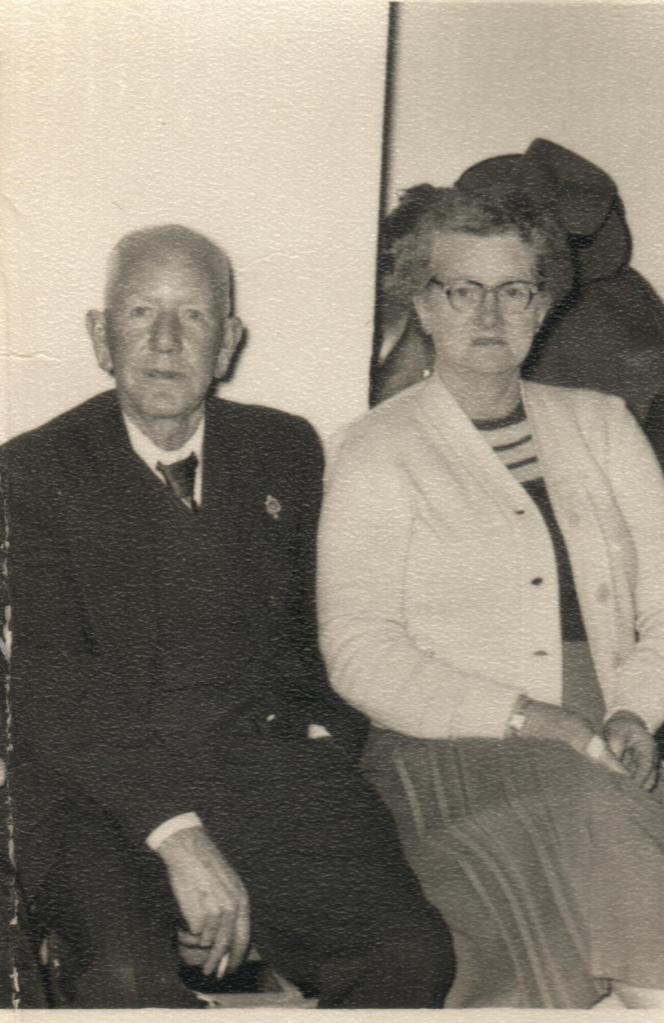
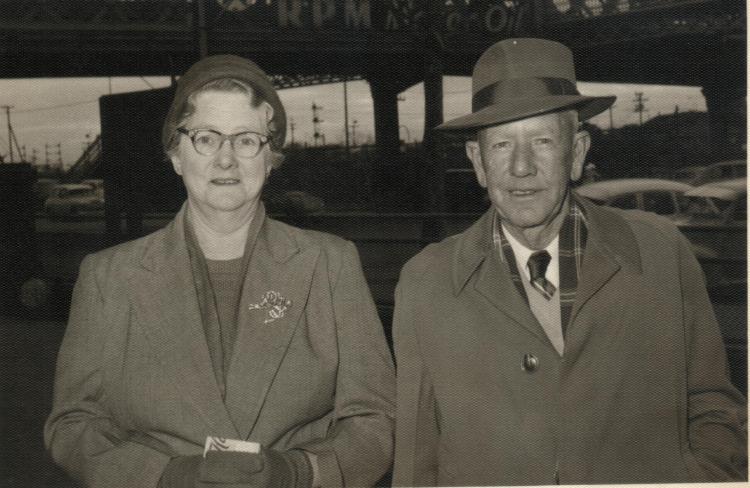
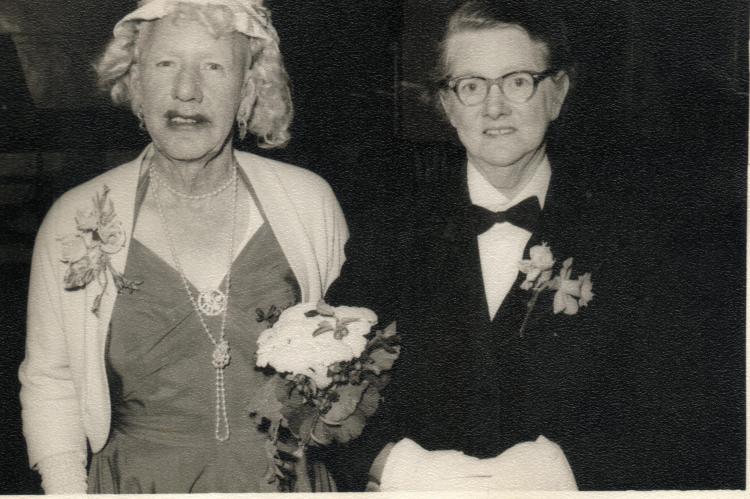
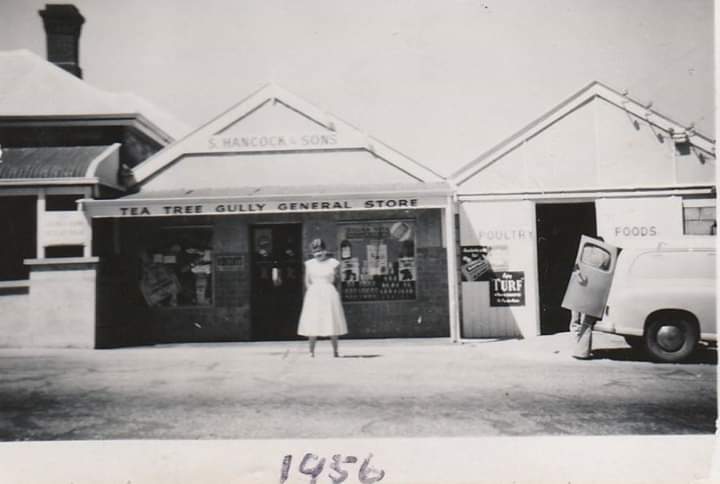
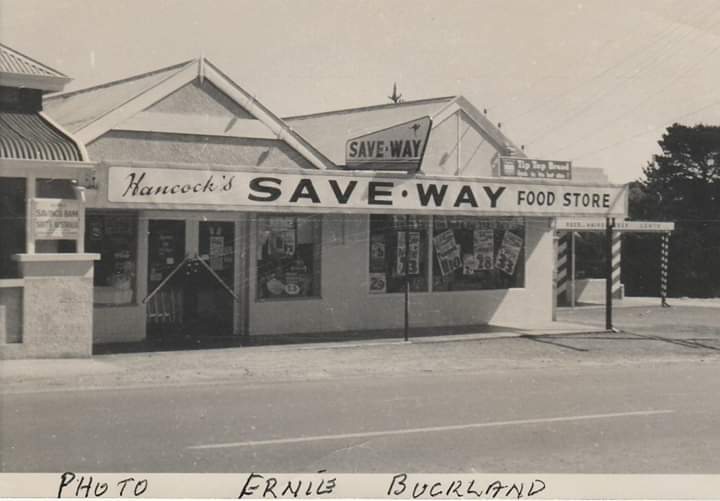
This is exactly how I remember it, used to walk past it every day on the way to and from Tea Tree Gully Primary School.
Can remember one hot day in the early 1960’s being sent home from school early because it was over 115 degrees Fahrenheit inside the classroom and as I crossed the Main North East Road near Hancock’s shop, leaving footprints in the Bitumen.
Rick and all his friends had casual work there packing groceries, stacking shelves and deliveries.
Look closely you will notice the pricing is in Pounds Schillings and Pence as they shut before Decimal Currency Started.
I remember the day Decimal Currency started, I had been to Kayes farm, and while helping with the sheep been head butted breaking one of my teeth, on the day Decimal started I had to catch the Bowmans bus to the Dentist to get it fixed and specifically remember the strange new money the Driver gave me as change.
Ancestry . com Records of the Phillips Family
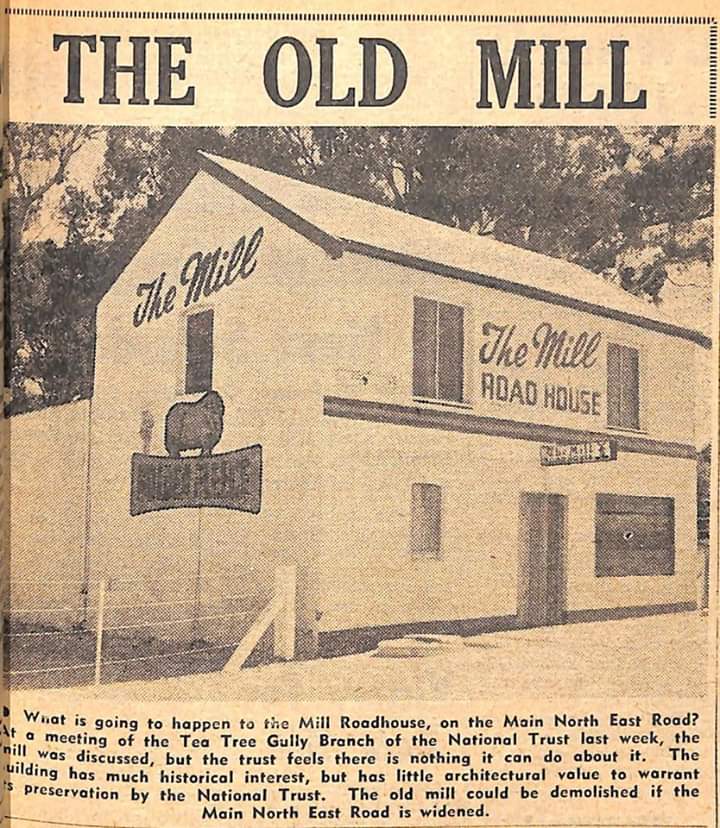
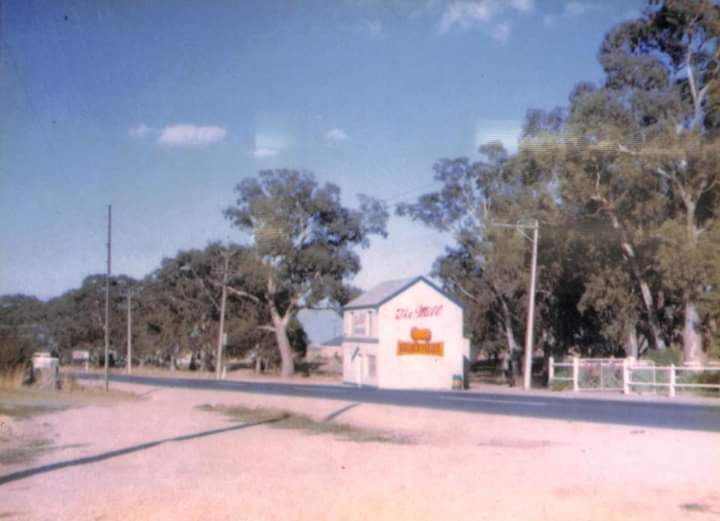
Shame they demolished it, honestly it wasn’t ery big would have been relatively simple to jack it up and move it.

I have no idea what I am doing. But will JUST keep playing with it to LEARN.
Be yourself; Everyone else is already taken.
— Oscar Wilde. (Well said Oscar)
This is the first post on my new blog. I’m just getting this new blog going, so stay tuned for more. Subscribe below to get notified when I post new updates.
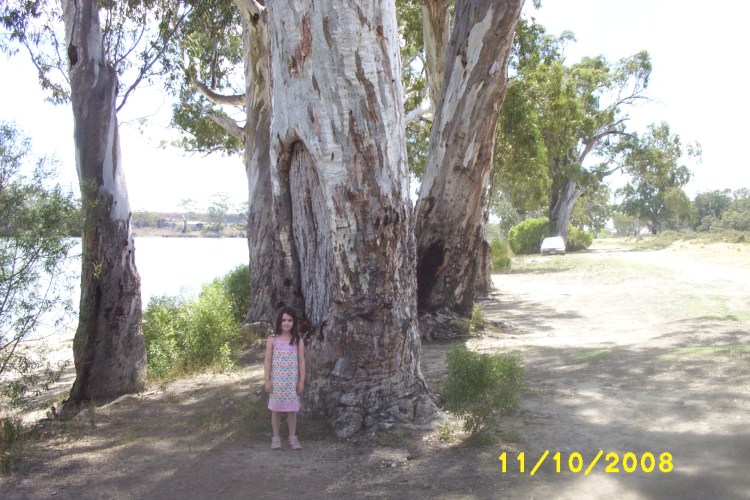
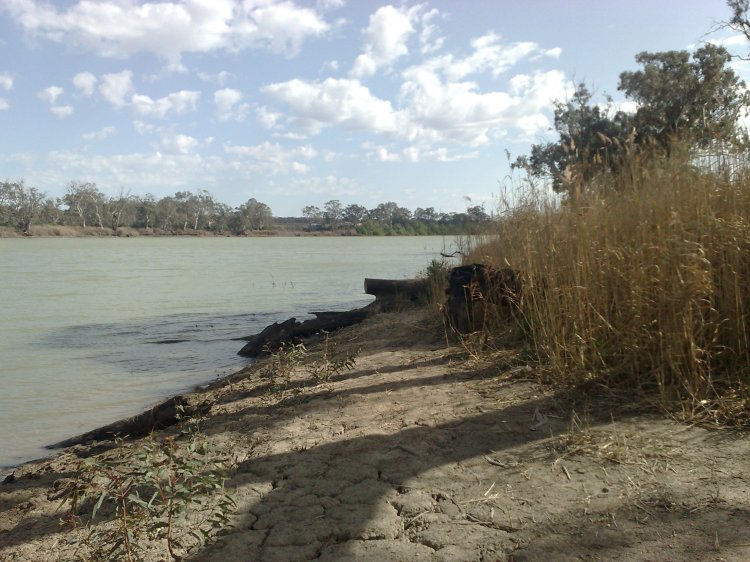
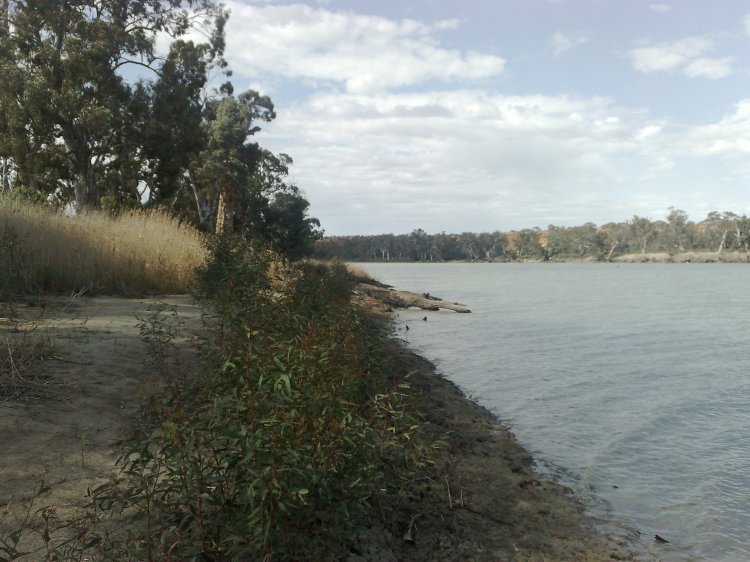
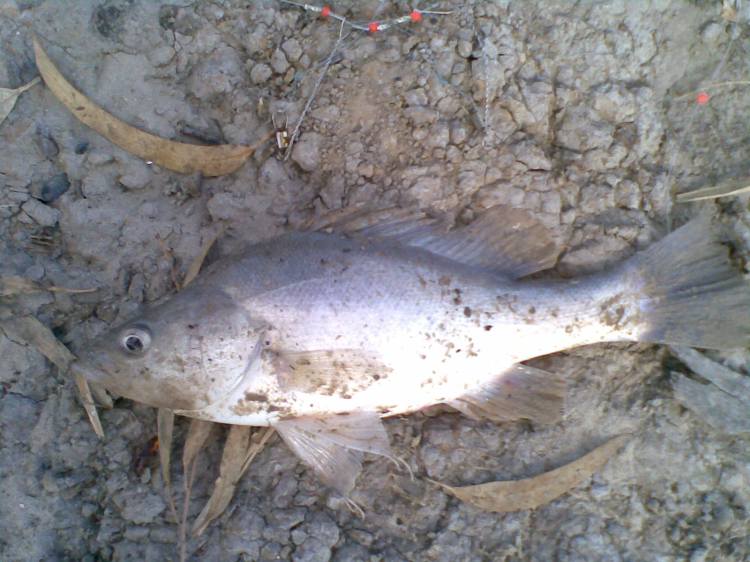
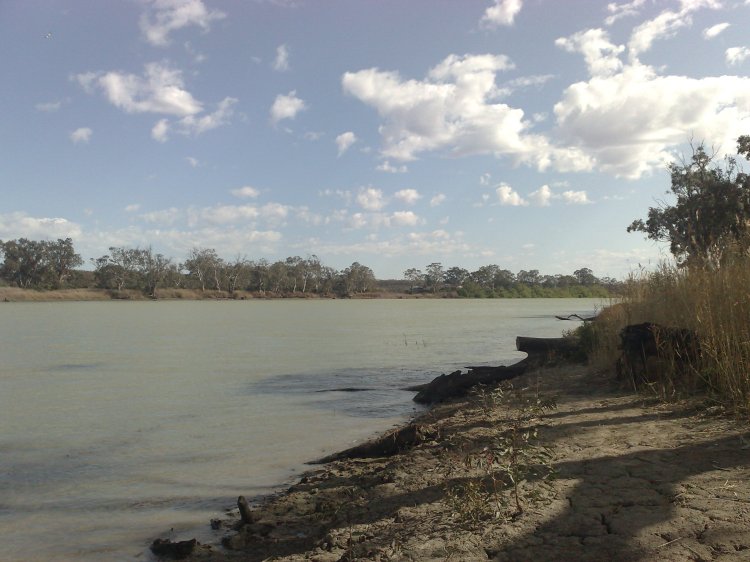
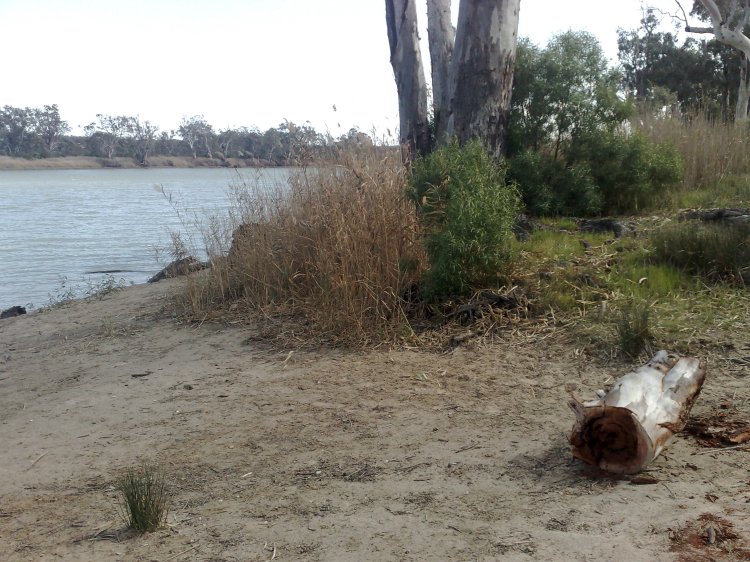
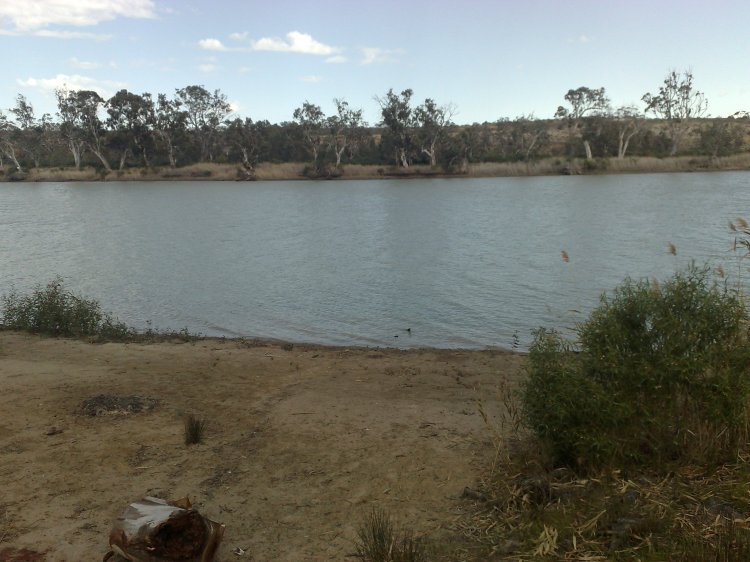
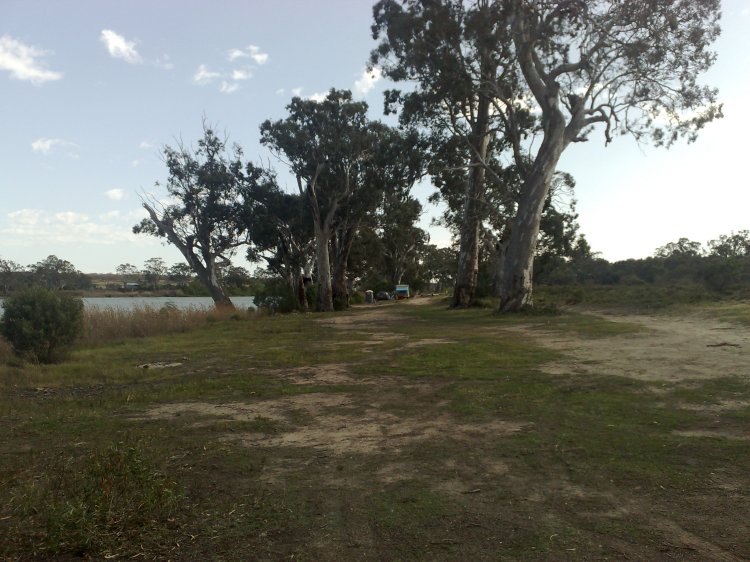
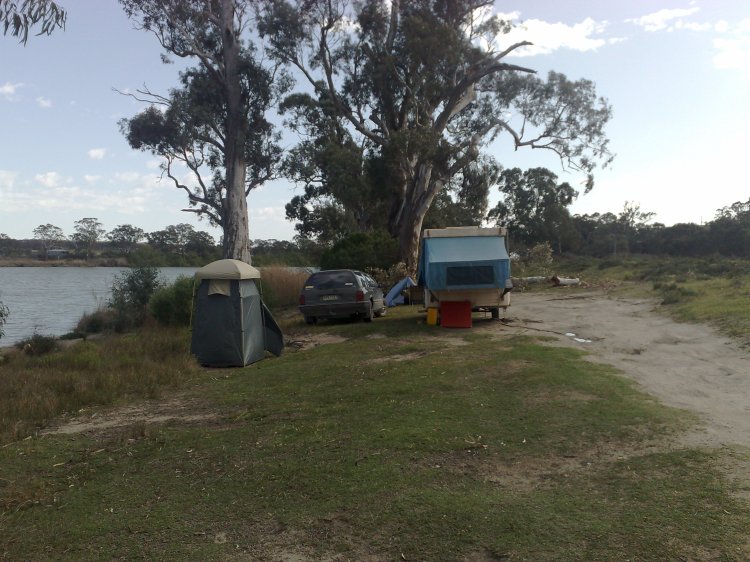
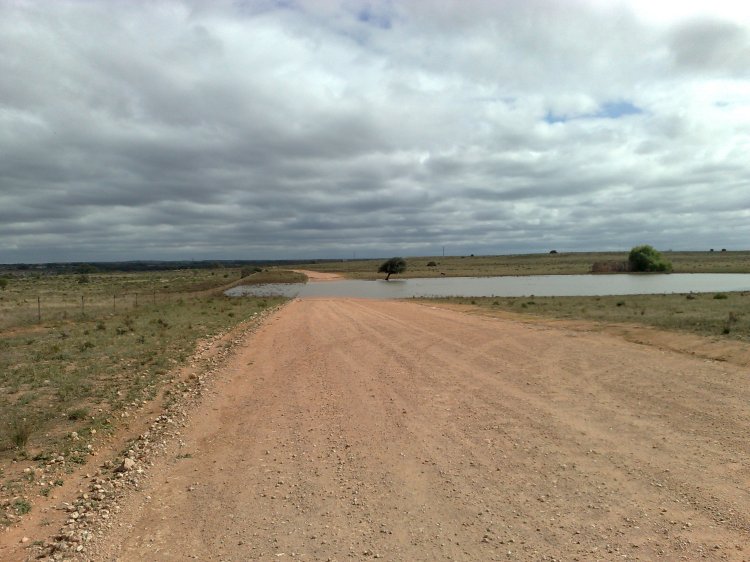
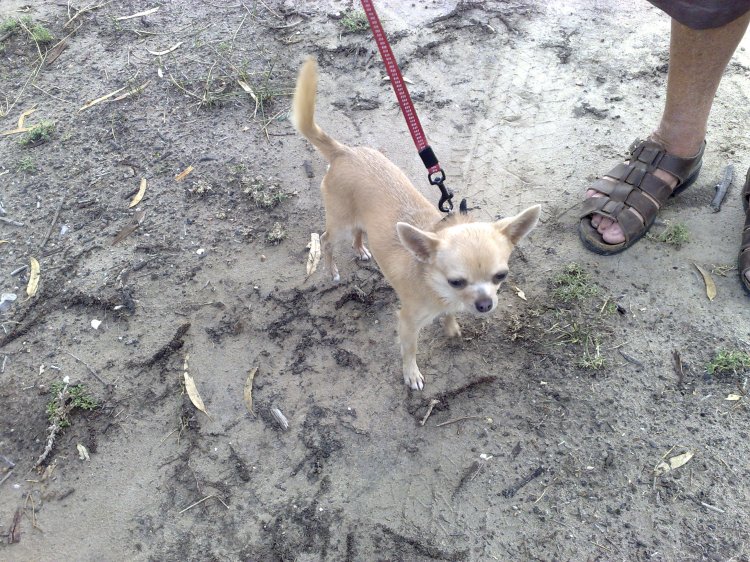
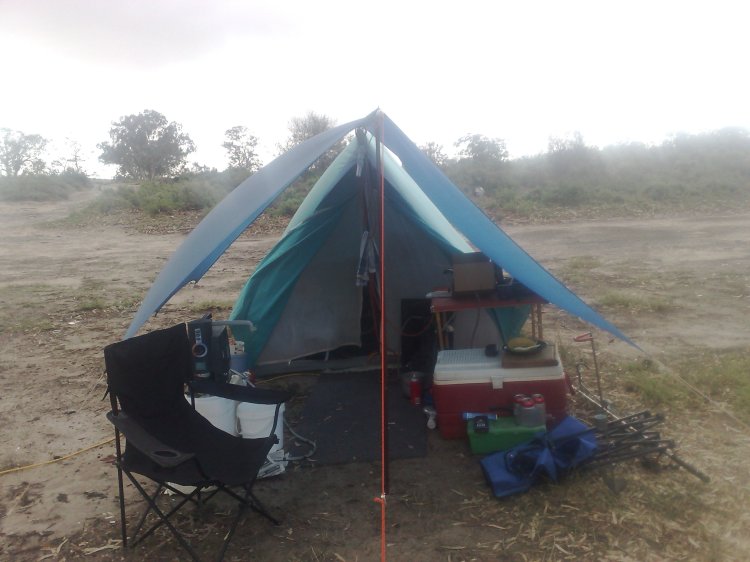
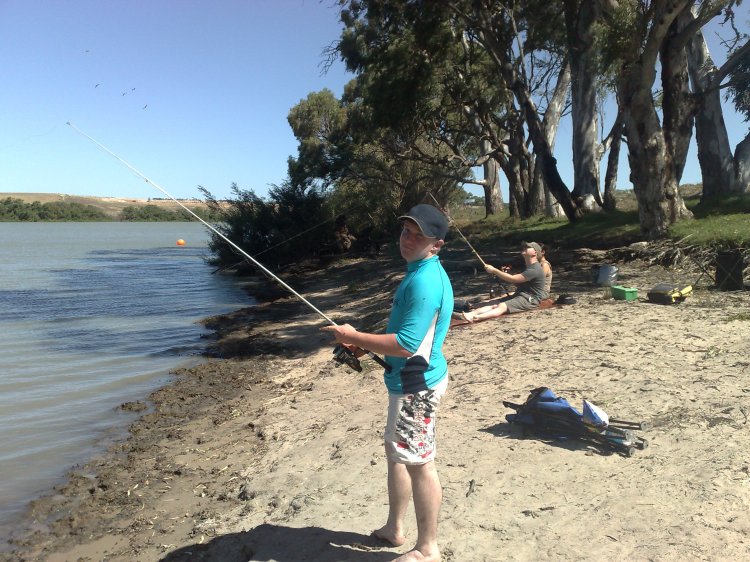
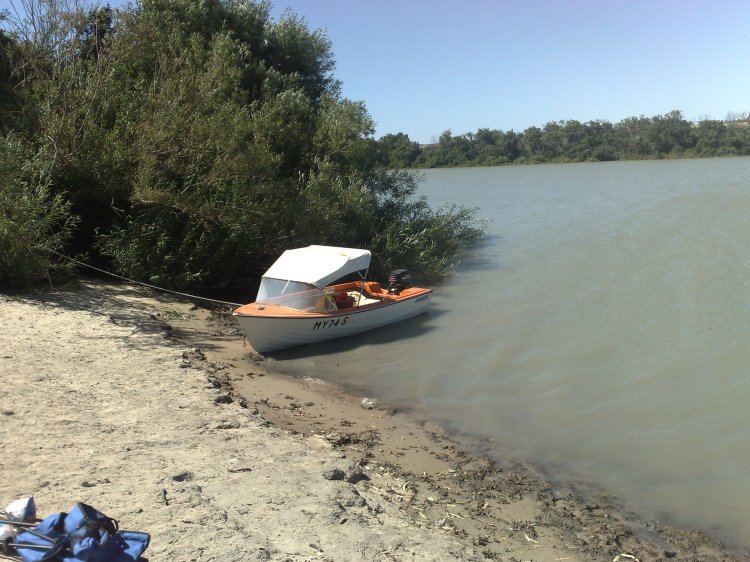
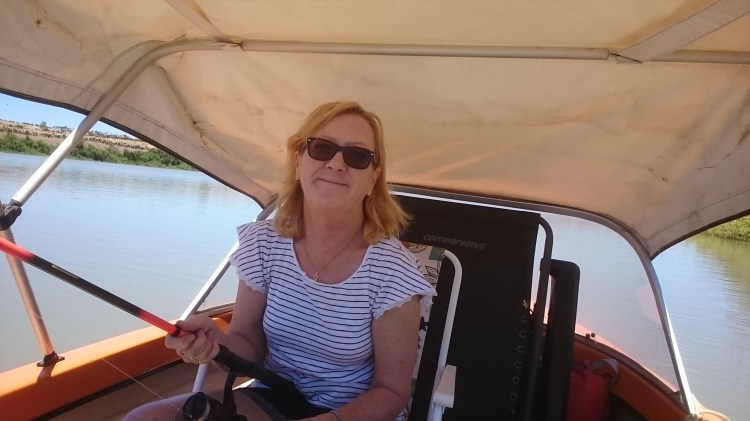
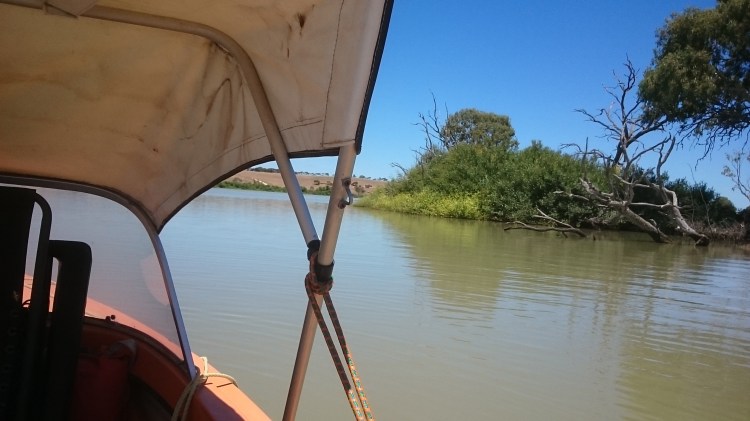
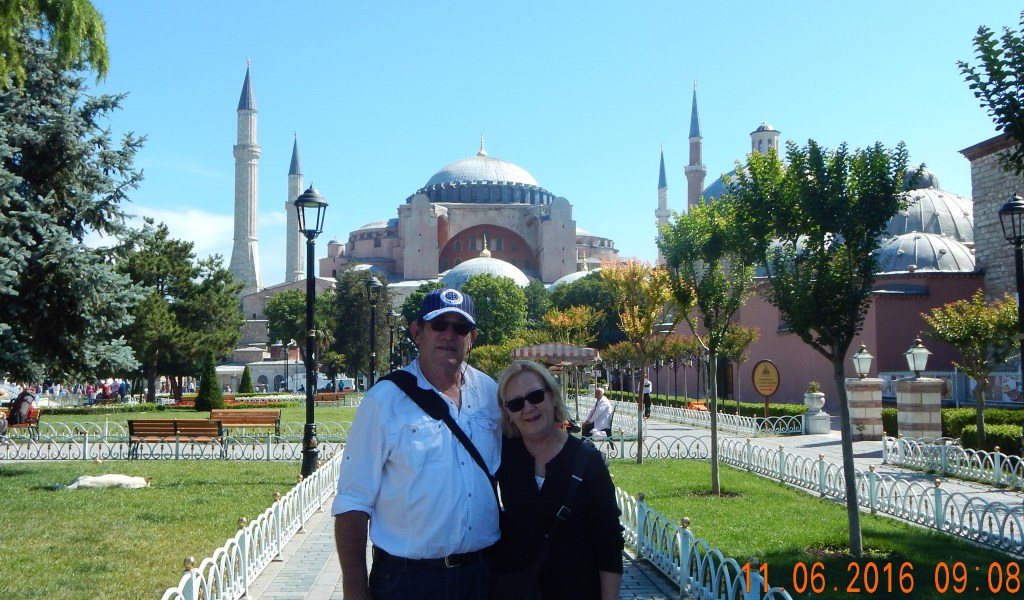
 Gary's Pictures

